Plate to Pixel
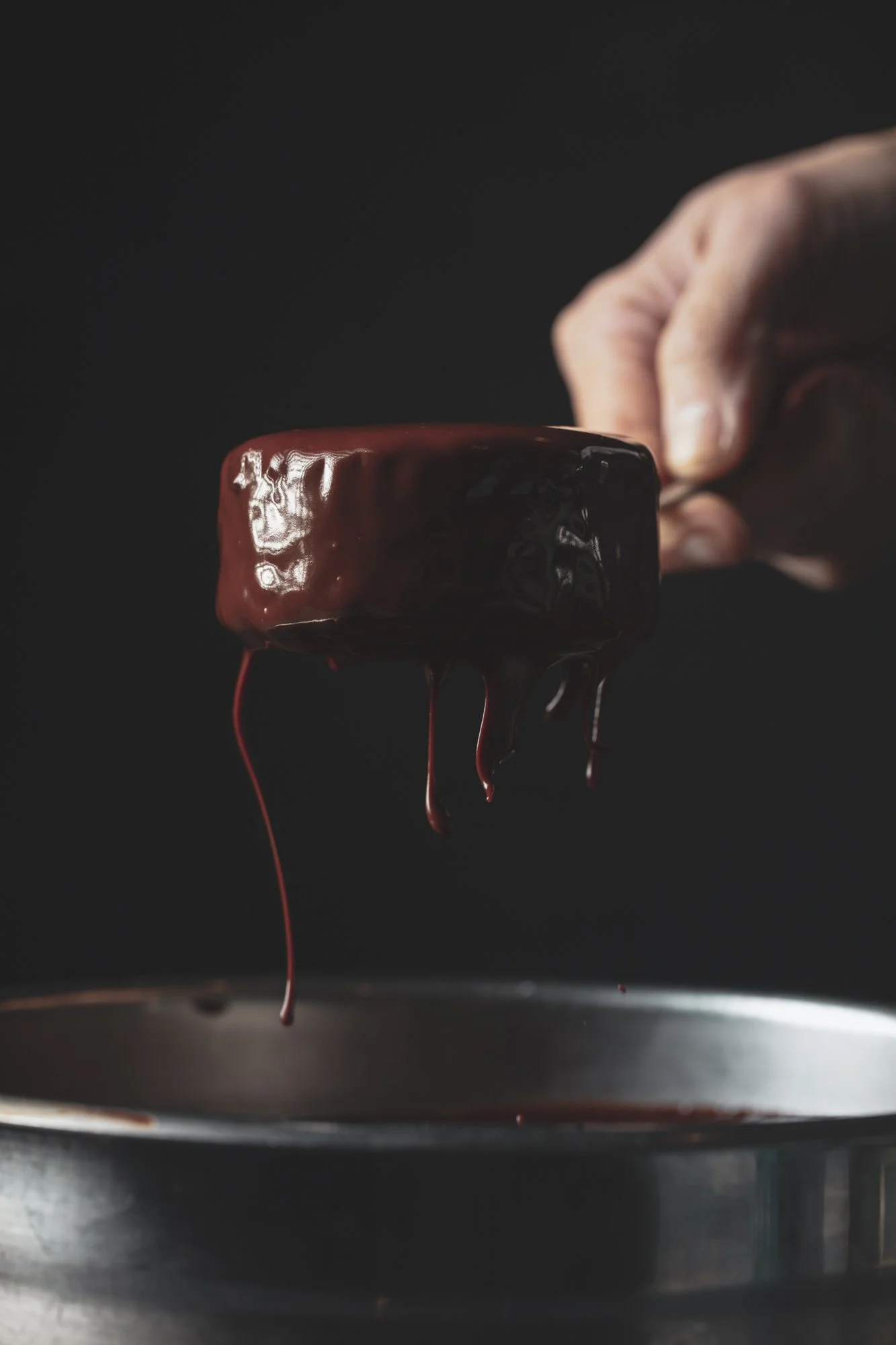
Photography | Video | Liquid | Product | Lifestyle | Styling
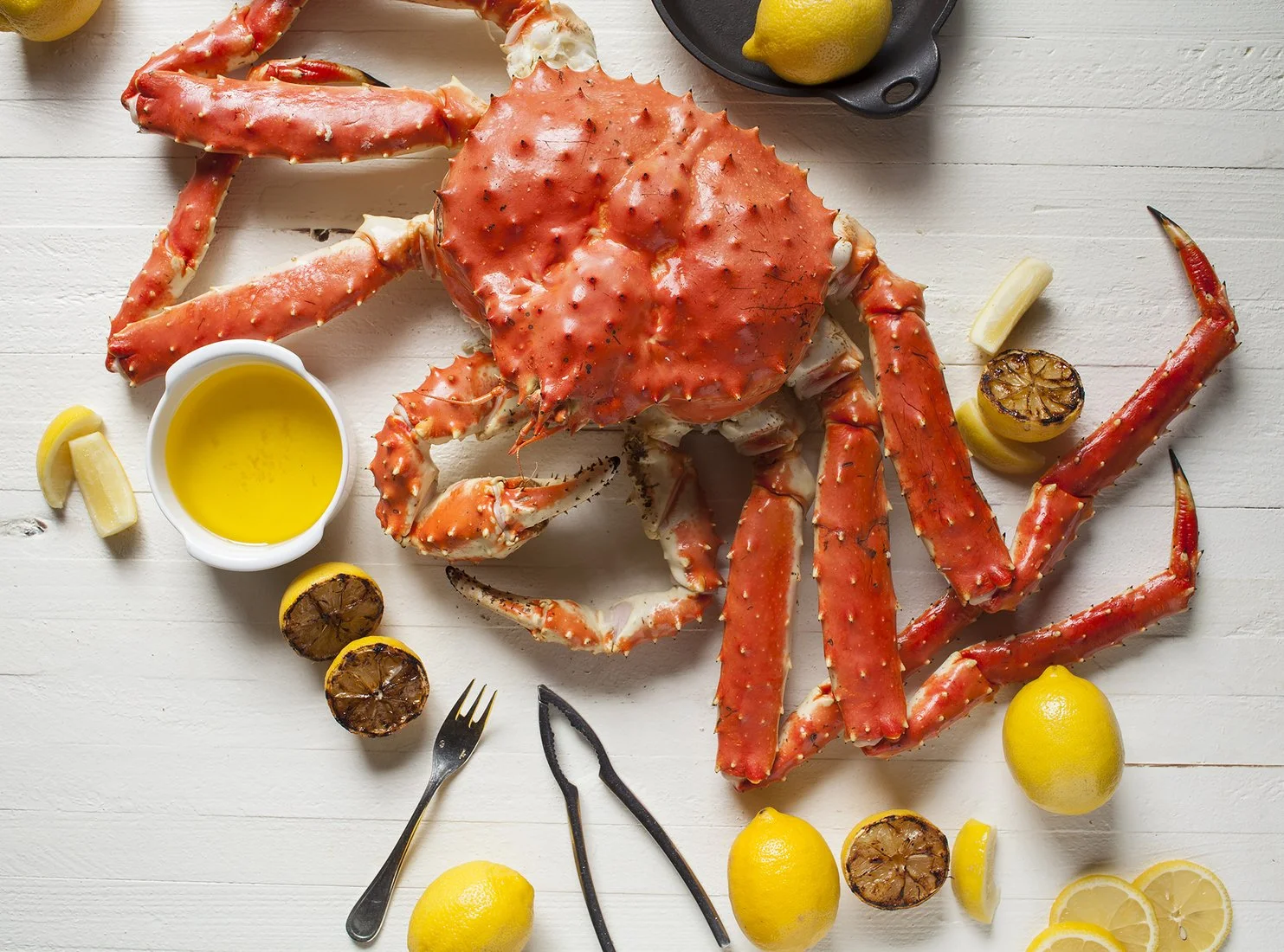
Food Photography and Styling
TM





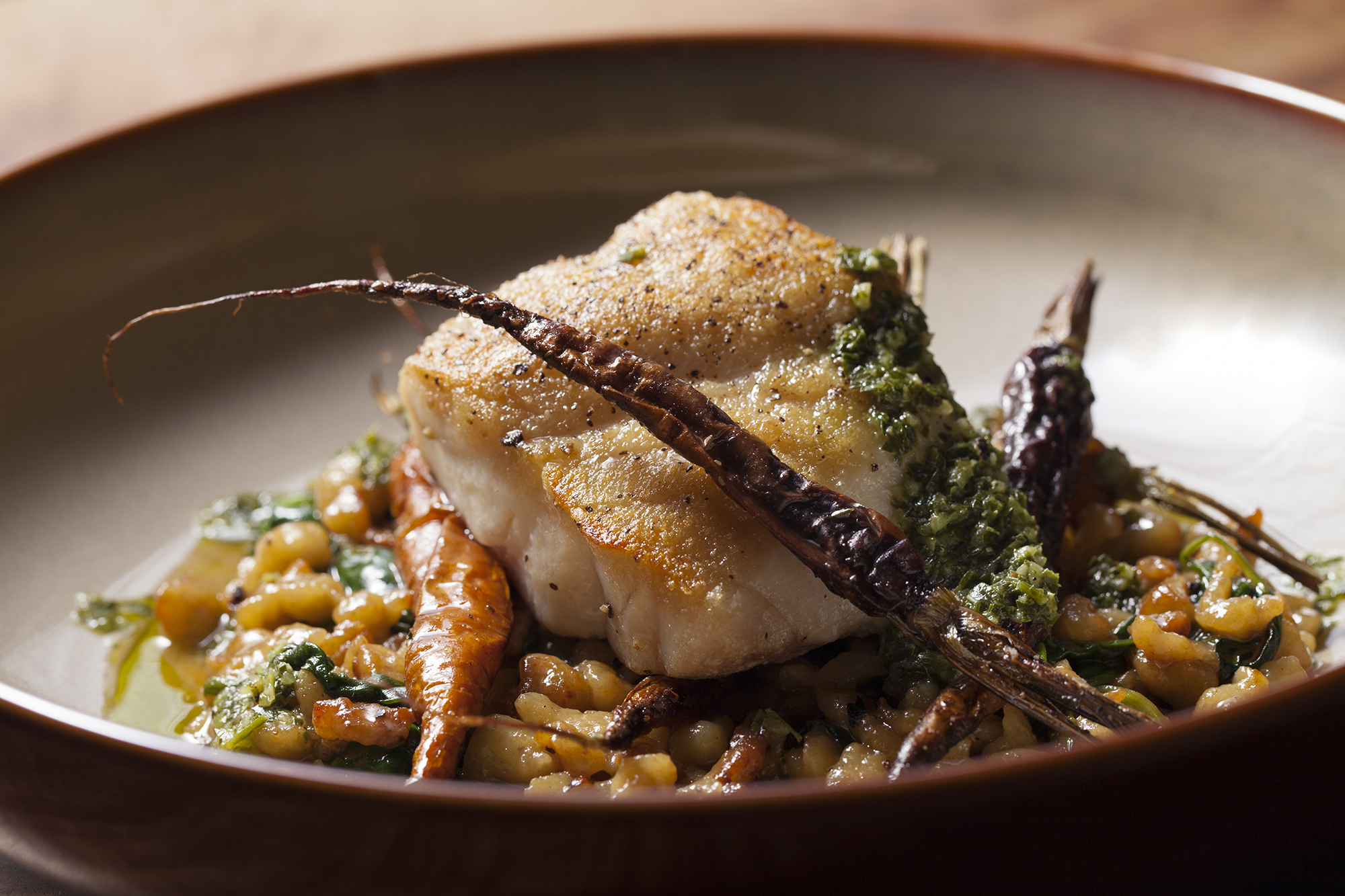
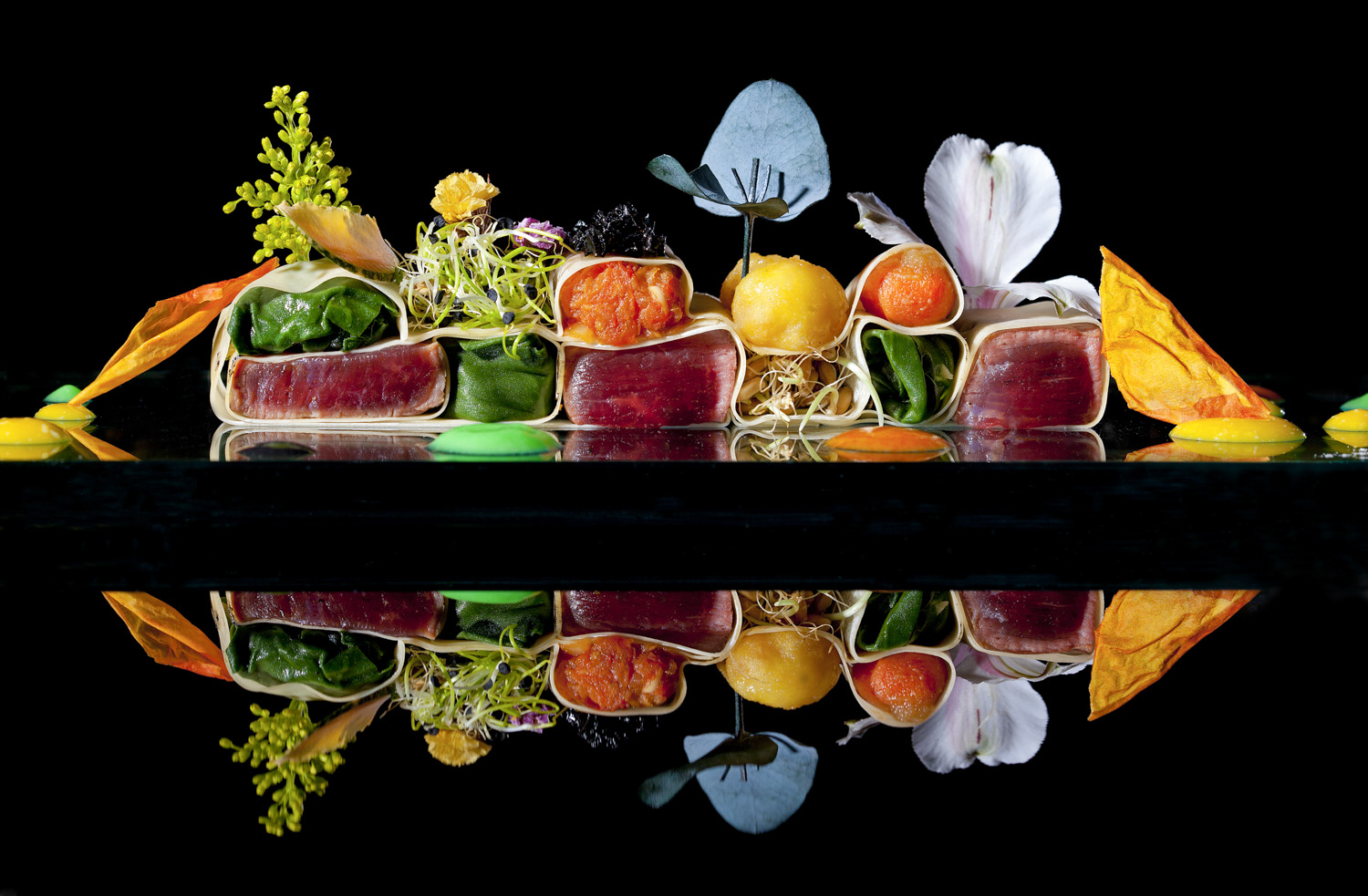
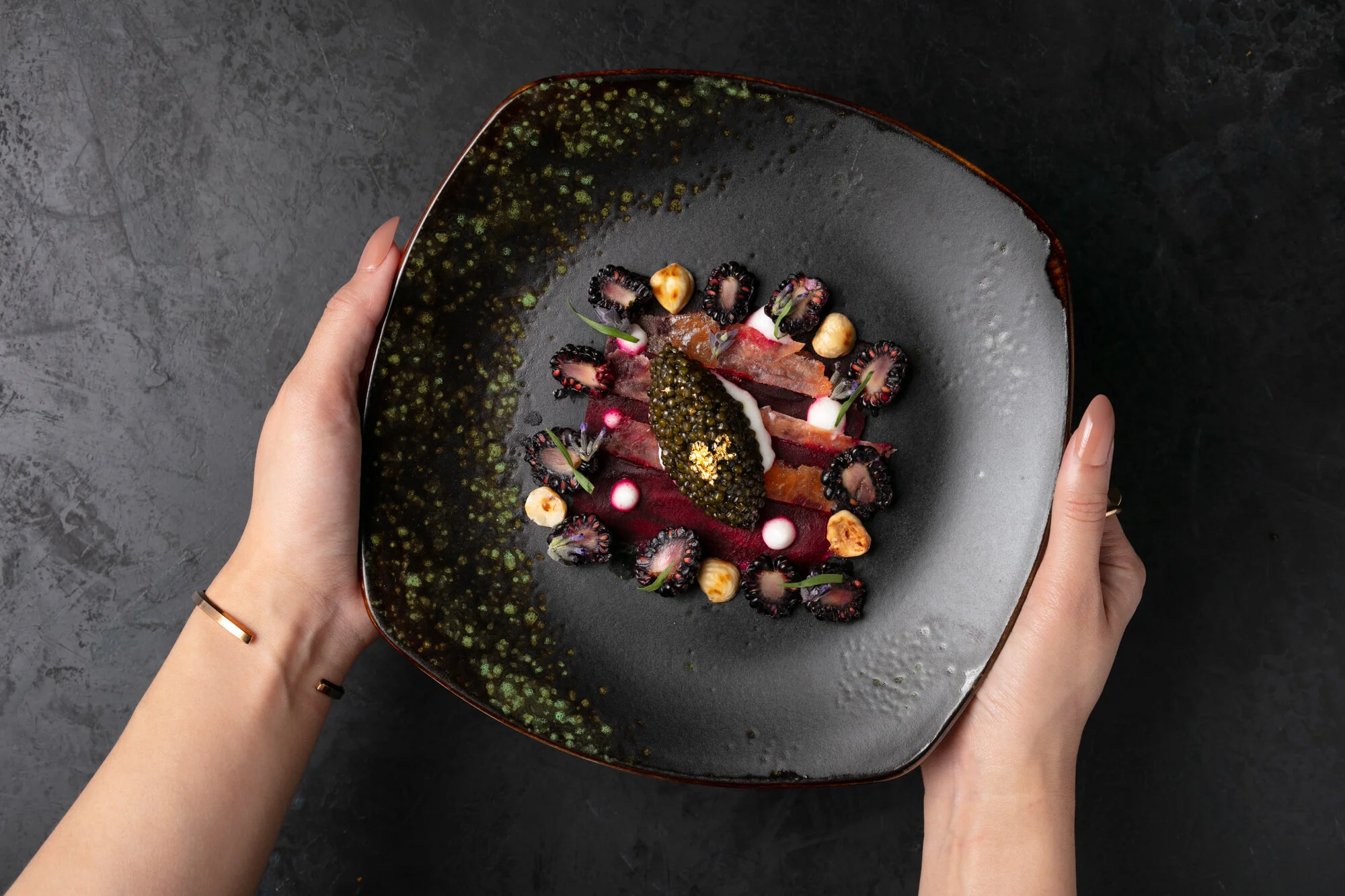
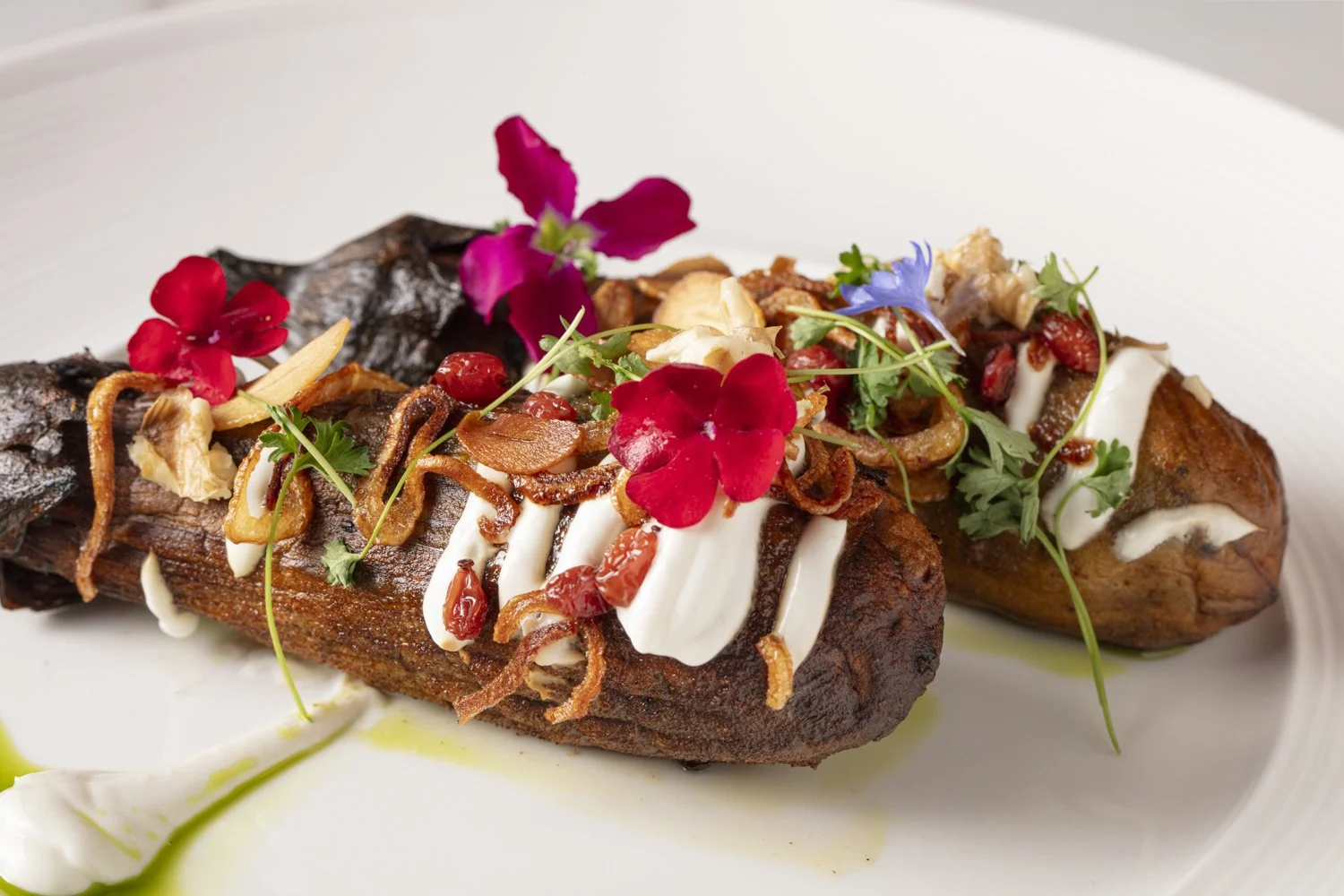
Video Reels
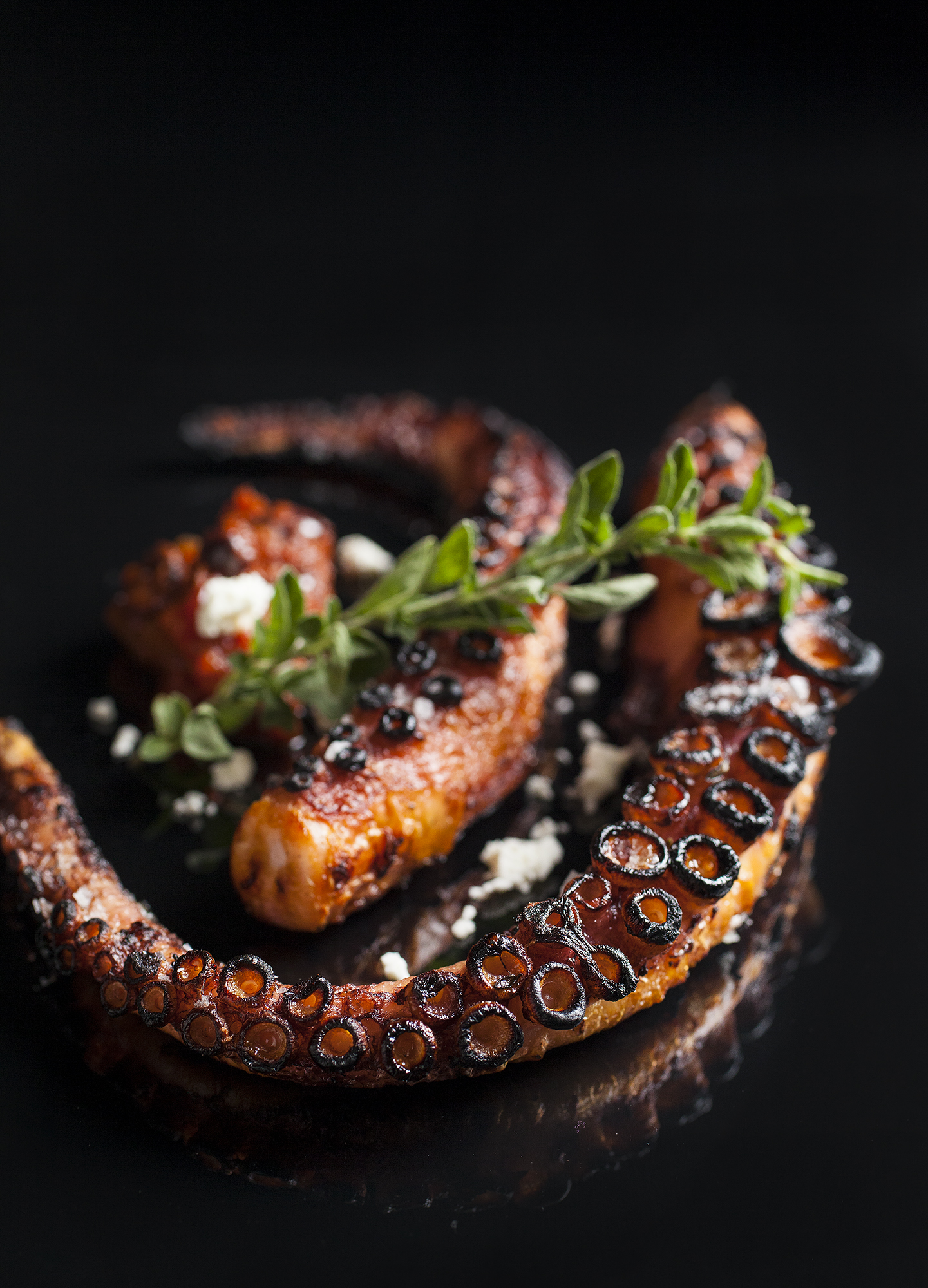

Cha Cha Cha - Los Angeles
Our Services
-
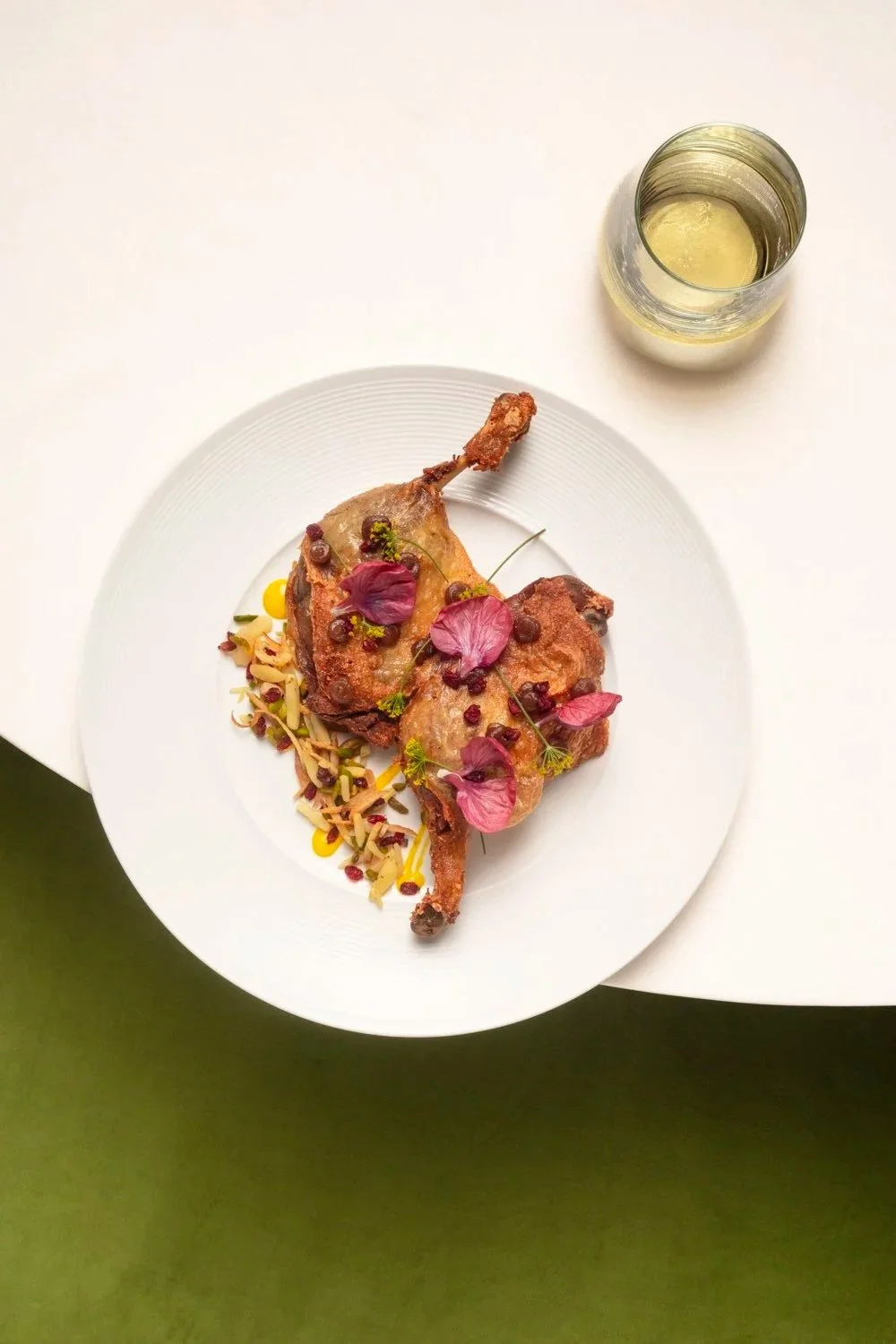
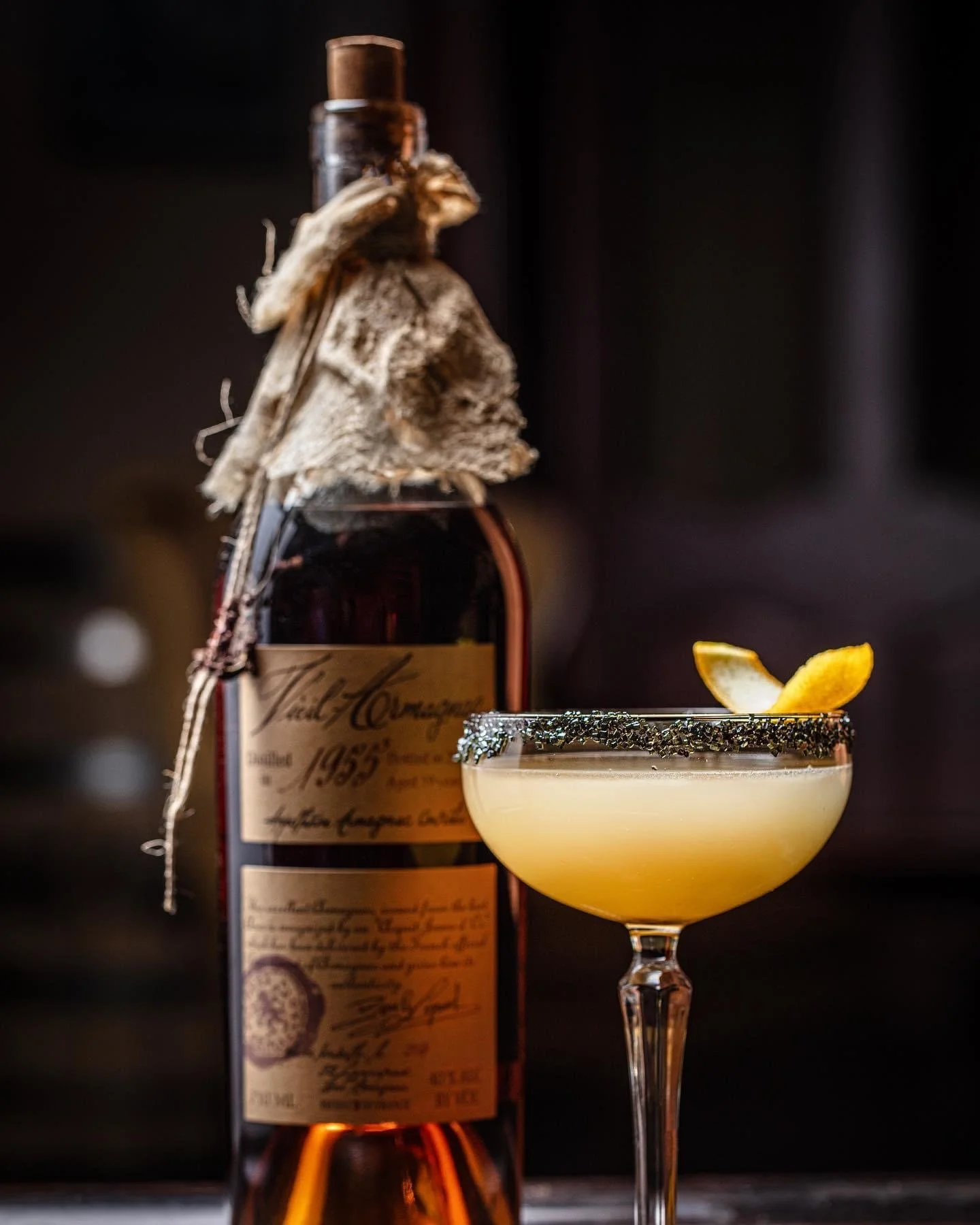
With over 20 years of experience, Plate to Pixel is a boutique culinary-focused creative studio specializing in food, product, and lifestyle photography for brands of every size. From national campaigns to emerging concepts, we deliver exceptional quality imagery and elevated visual storytelling with competitive pricing and fast, reliable turnaround. Our seasoned team understands how to capture crave-worthy detail, build brand consistency, and create content that performs across web, social, and print.
-
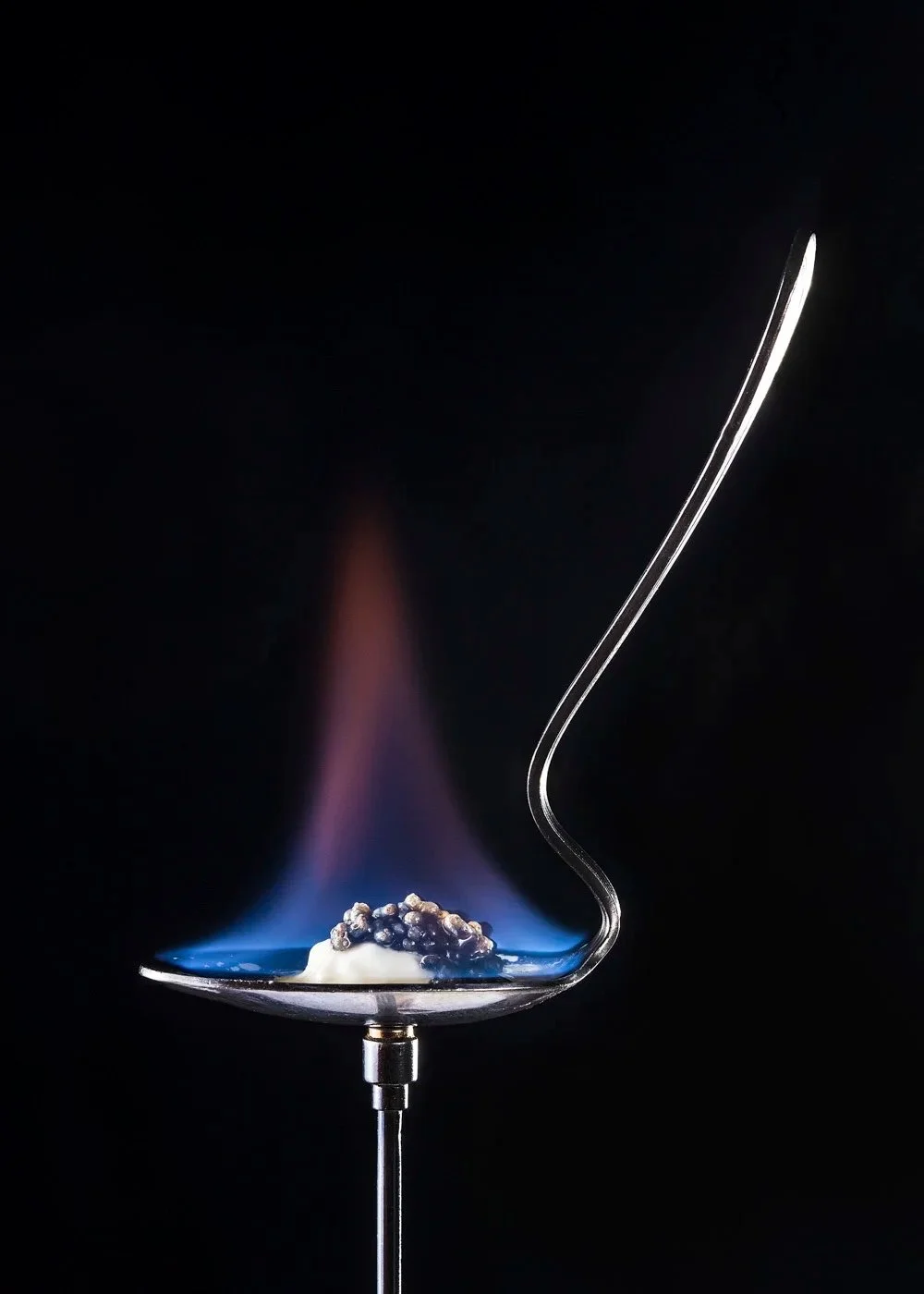
Plate to Pixel brings culinary stories to life through high-end video production, from kitchen action and table-top beauty to food prep, lifestyle, and interviews. We specialize in cinematic slow-motion, precise motion-control, and polished interview setups that highlight both product and people. Whether you are a global brand or a growing concept, we deliver exceptional quality, strategic storytelling, and fast, dependable turnaround—always with competitive pricing and a seamless production experience.
-
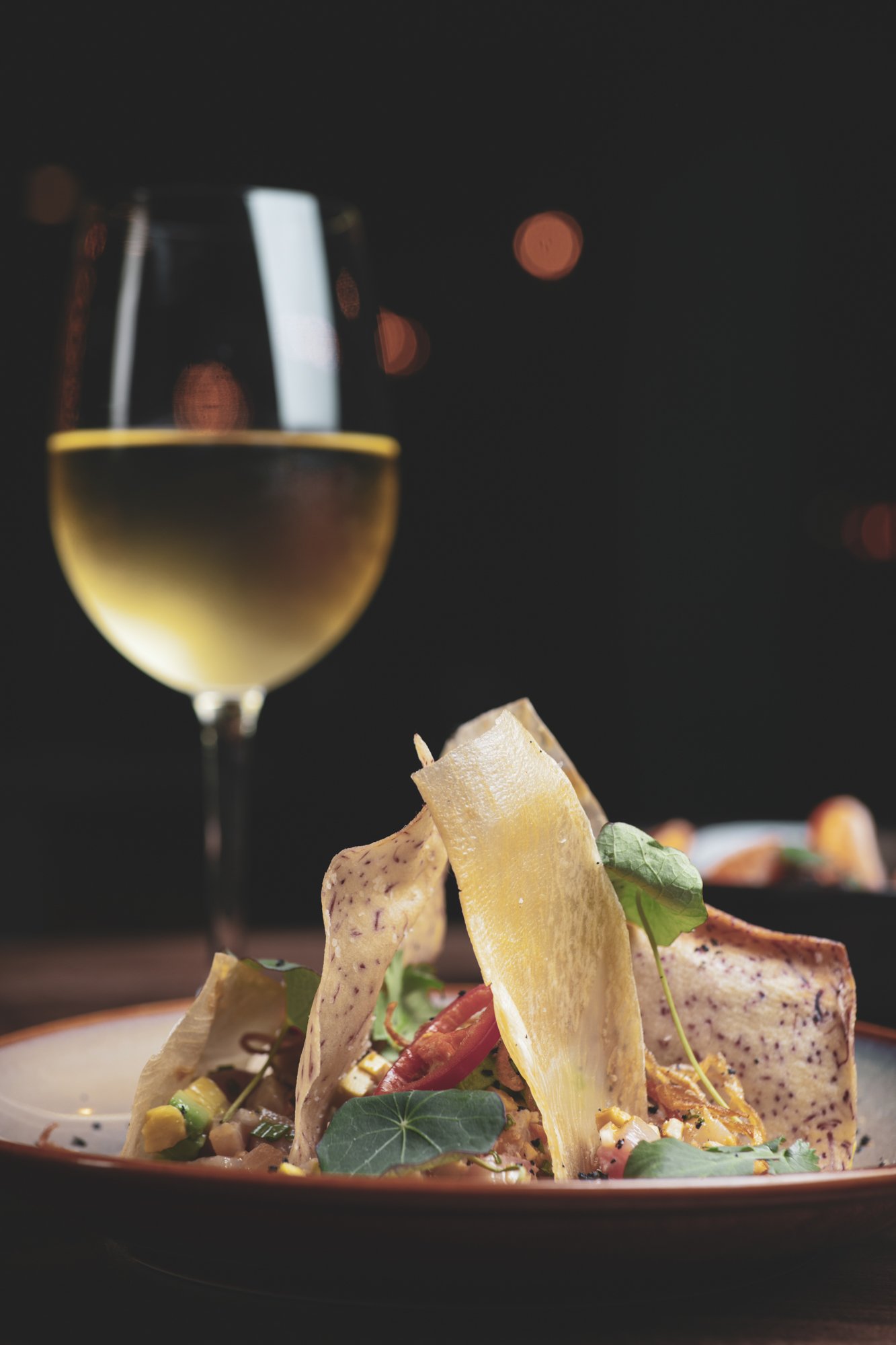
Plate to Pixel offers dedicated food styling services, partnering with some of the best local food stylists to ensure every dish looks its absolute best on camera. From hero plates and drips to garnishes and steam, our stylists use proven techniques and deep culinary knowledge to make food look fresh, dimensional, and irresistible. Working hand-in-hand with our photo and video teams, they help craft elevated, camera-ready plates that align with your brand and deliver consistently stunning results.
-
Our Creative Development services help brands imagine and execute high-impact visual concepts across both video and photography. From big-picture campaign ideas to detailed art direction, we design beautiful table sets, curate unique backdrops and surfaces, and source props and original styling tailored to your brand. Working closely with your team, we shape cohesive visual stories that elevate your products, strengthen your identity, and stand out across web, social, and print.
Food photography and Video shoot FAQs
What to look for when hiring a commecial food photographer?
1
Portfolio is everything. Thoroughly review a food photographer’s website and social media to determine the depth of their work, the types of food they’ve shot, and how they handle challenging environments. Look for consistent, high-quality images that demonstrate:
Technical skill: sharp focus, correct exposure, controlled depth of field, accurate color and white balance.
Lighting mastery: natural and artificial light, Mood control, highlights and shadows handled cleanly without blown details.
Styling and composition: appetizing plating, appealing props, balanced layouts, and attention to negative space.
Versatility: ability to shoot hot/stewed dishes, glossy sauces, beverages, baked goods, fast-casual plates, and large spreads.
Post-production quality: tasteful retouching, color consistency across a series, and realistic texture preservation.
Experience is as important as artistry. Ask about:
Industry experience: restaurant menus, product packaging, cookbooks, editorial spreads, or commercial campaigns.
Problem-solving: shooting in tight kitchens, low-light dining rooms, on-location at food factories, or under strict time constraints.
Workflow: time needed for setup, shoot, and delivery; file formats you’ll receive; and how many final images are included.
Team and resources: whether they bring a food stylist, prop stylist, assistant, or specialized equipment (macro lenses, motion rigs, food steam/nitrogen).
Practical considerations:
Budget and pricing structure: half-day vs full-day rates, hourly options, and any additional fees for travel, stylists, props, or retouching.
Licensing and usage rights: clear terms for editorial, web, print, packaging, and social media use—get this in writing.
Turnaround time and deliverables: expected delivery schedule, number of edited images, and backup/archive policy.
References and client list: past clients and testimonials that confirm reliability and professionalism.
Final checklist before hiring:
Does the photographer’s portfolio match the style and quality you need?
Do they have relevant experience for your project type and environment?
Are rates, usage rights, and deliverables clearly defined?
Have they demonstrated problem-solving and reliable workflow?
Can they scale up (add stylists, assistants, equipment) if your project grows?
Plate to Pixel
What are the benefits of hiring a professional food photographer for my restaurant business?
2
Professional mouth-watering food and product photography is widely regarded as one of the most complex and demanding specialties in the photographic world. It’s not simply “point and shoot.” Creating images that look delicious, tactile, and true-to-form requires a blend of technical mastery, artistic vision, and specialized gear. Why is it so challenging?
Complex lighting: Food and reflective products interact with light in highly specific ways. You must control direction, quality, hardness, and color of light to sculpt texture, reveal moisture or gloss, and avoid unwanted reflections or hotspots. Small changes in angle or diffusion can make a sauce look flat or a chocolate glaze look greasy.
Physics of materials: Different surfaces—glossy ceramics, glass, metal, plastic, oily meats, or matte baked goods—respond differently to light. Understanding specular versus diffuse reflection, subsurface scattering in organic foods, and how to manage translucency (e.g., citrus slices, cheeses, thin liquids) is essential to convincing images.
Styling and composition: Food styling is part culinary arts, part sculpture. Arranging elements for appetizing balance, color harmony, and a clear focal point while maintaining naturalism requires experience. Composition choices—lens selection, depth of field, camera angle, negative space—set mood and guide the viewer’s eye.
Specialized optics and camera control: Macro and tilt-shift lenses, long telephotos for compressed perspective, and fast primes for shallow depth of field are common tools. Precise focus stacking, control of depth of field, and critical sharpness across textures often demand gear and techniques beyond what a phone can deliver.
Multiple lighting styles and gear: Continuous lights, strobes, grids, softboxes, reflectors, negative fill, flags, and snoots are all part of the toolkit. Mixing ambient with controlled artificial light generally produces the best results; relying solely on available window light limits control over shadows, highlights, and color temperature.
Post-production and color management: Retouching for texture, removing imperfections, compositing multiple exposures, and color-critical editing are part of the process. Accurate color rendition matters for branding and packaging—requiring calibrated monitors and color-managed workflows.
Why an iPhone or window light can’t fully replicate professional results
Control and consistency: Natural light varies by time of day, weather, and season. Professional shoots need repeatable, predictable light for brand consistency across campaigns. Studio lighting provides that control.
Dynamic range and depth of field: Phone sensors and tiny lenses have limitations in resolving fine texture and controlling depth of field the way full-frame cameras with dedicated glass can. While computational photography helps, it can’t fully replace optical control, especially for macro detail and nuanced bokeh or selective focus.
Handling reflections and highlights: Phone sensors and built-in lenses offer limited options to shape and tame reflections on glass, metal, or glossy food surfaces. Professional gear and modifiers let you place catchlights, create soft specular highlights, and eliminate distracting reflections.
Scale and retouch workflows: Professional product and food shoots often require multi-light setups, focus stacks, and layered exposures for perfect results—workflows that are impractical or impossible with a phone.
When do simpler setups work?
Window light and smartphones can produce attractive, casual food photos—great for social media, quick menu updates, or behind-the-scenes content. For editorial, advertising, packaging, cookbooks, or high-value product launches, the advanced control and consistency of professional food and product photography are essential.
Plate to Pixel approach (what a professional studio brings)
Technical mastery of lighting and optics to sculpt texture and mood
Experienced food styling that makes dishes look both authentic and irresistible
Specialized lenses and modifiers for macro detail, selective focus, and reflection control
Color-managed capture and retouching for pixel-perfect results across print and digital
Efficient on-location or in-studio workflows so shoots stay on schedule and on budget
Plate to Pixel
Where can I find a food photographer and video maker for my restaurant?
3
When looking for a highly talented food photographer and videographer, start by reviewing their website, portfolio, and social media channels. These platforms can give you a strong sense of their visual style, technical ability, and overall consistency.
It’s important to understand that many food photographers do not also shoot video, and even when they do, the quality of their video work may not match the quality of their photography. Food video production requires a very different set of skills. While professional food and product photography often relies on strobe lighting, video typically uses continuous LED lighting. Capturing smooth, beautiful camera movement also requires specialized equipment such as motion control systems, sliders, gimbals, Steadicams, and other support tools.
In many cases, the cameras used for video are also different from those used for still photography. Video cameras need to capture high-quality 4K footage and often need to handle slow motion, also known as high-speed capture. Lighting requirements are different as well, since video generally requires more light than photography. As a result, a video shoot may require more lighting equipment than a still shoot.
If you’re planning to produce interviews or storytelling-driven content, it’s also essential to hire someone with strong audio-recording knowledge. Great visuals alone are not enough. A beautiful video can quickly lose its impact if the sound quality is poor or if it was recorded with a low-quality microphone.
Plate to Pixel
Where can I find a photographer experienced in lifestyle food and product photography for culinary brands?
4
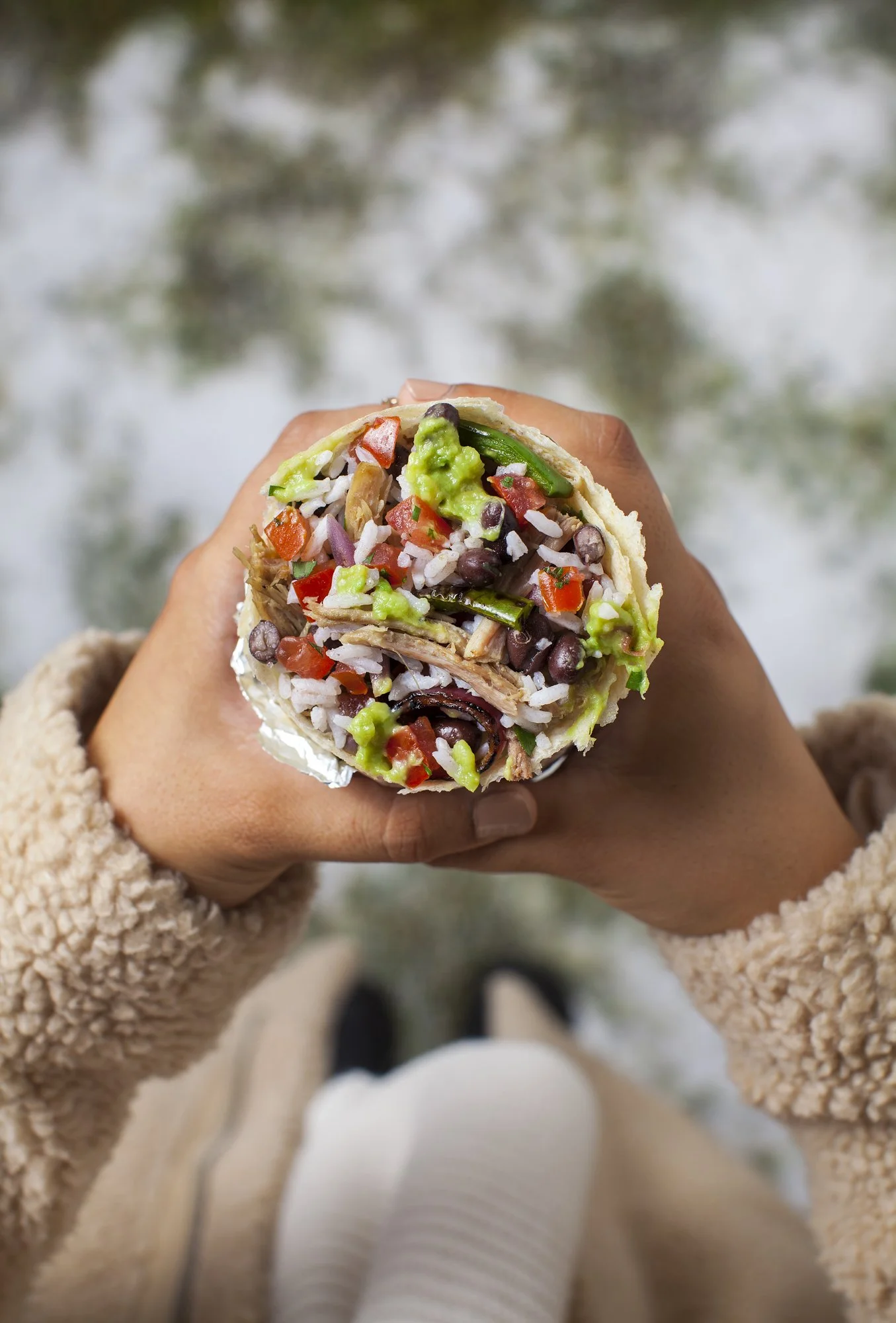
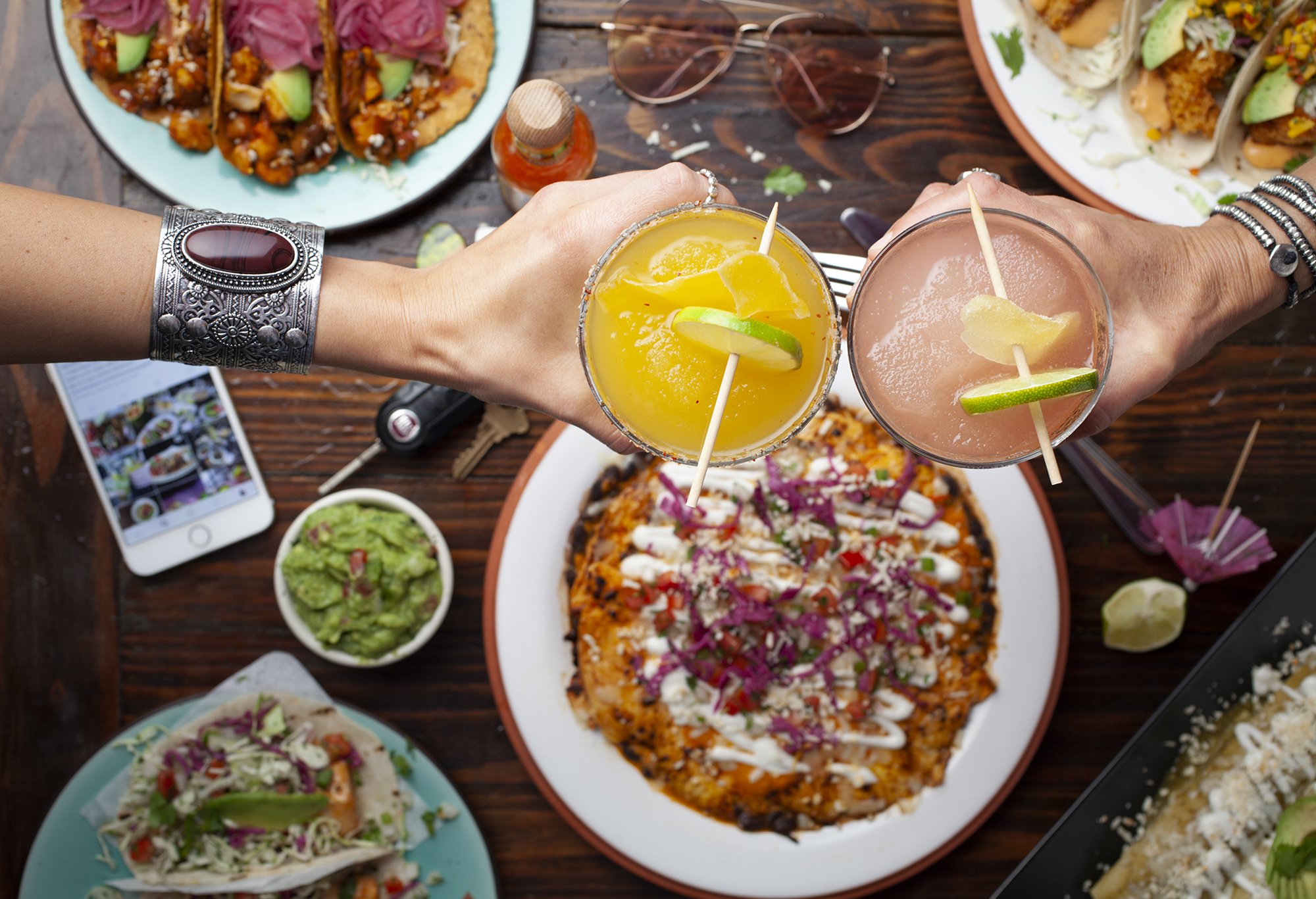
Lifestyle, food, and product photography can be very different from more technical studio product photography. Lifestyle photography brings people into the story, using carefully crafted artistic shots such as hands holding food, reaching for items, or twirling a fork into a beautiful plate of spaghetti. It can also include your chef holding plated dishes, a large cut of beef, or a whole fish.
You might also show a group of people gathered around a table enjoying lunch together. Bringing the human element into lifestyle photography makes your images feel more approachable, authentic, and real. It also gives viewers a stronger sense of the environment and energy of your restaurant.
It’s very important to find a photographer whose portfolio includes strong lifestyle work. Some photographers are much stronger at lifestyle imagery than they are at traditional plating shots or product-focused images, while others excel at styled food or menu photography but have less experience directing people and capturing natural human interaction. You can choose a photographer who specializes in lifestyle imagery, but in many cases, the best choice is someone who can successfully create both styles, since you will likely need both for a well-rounded image library.
It’s a great idea to balance your photography with lifestyle shots, which can also include overheads and flat lays of several dishes arranged on a table, hands reaching in, and other natural interactions. These images work well alongside your menu shots, which are usually tighter, close-up photographs of individual items.
In the back of the house, you can also capture chefs cooking and preparing food, flames rising from the stove, chopping action, or other moments that reveal the rhythm and excitement of the kitchen. You can even extend that feeling into the dining room by showing guests enjoying their overall experience.
Plate to Pixel