
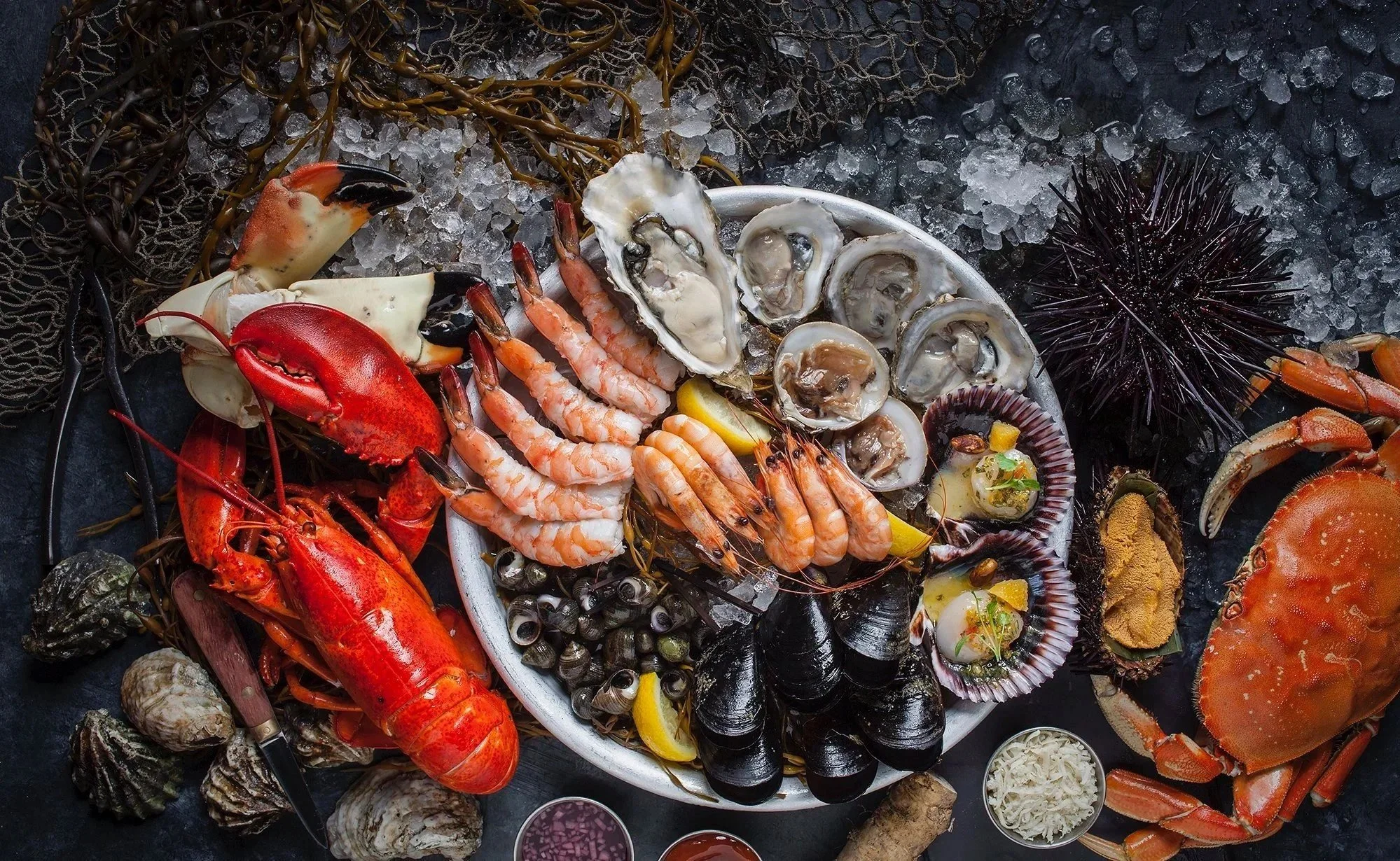
Food Photographer
Menus, dishes, drinks and dining rooms, photographed since 2006 for restaurants and food brands across Orange County, Los Angeles and San Diego.
Food that pops.
Photography that sells every dish.
Twenty years of lighting and styling food for restaurants, brands and cookbooks across Southern California. Every image is built to look as good as the food tastes.
I'm a professional food photographer, and I've been photographing food since 2006: menus, dishes, drinks and the rooms they're served in, for restaurants and food brands across Orange County, Los Angeles, San Diego and Riverside. My food photography services cover menus, delivery apps, websites, advertising and packaging.
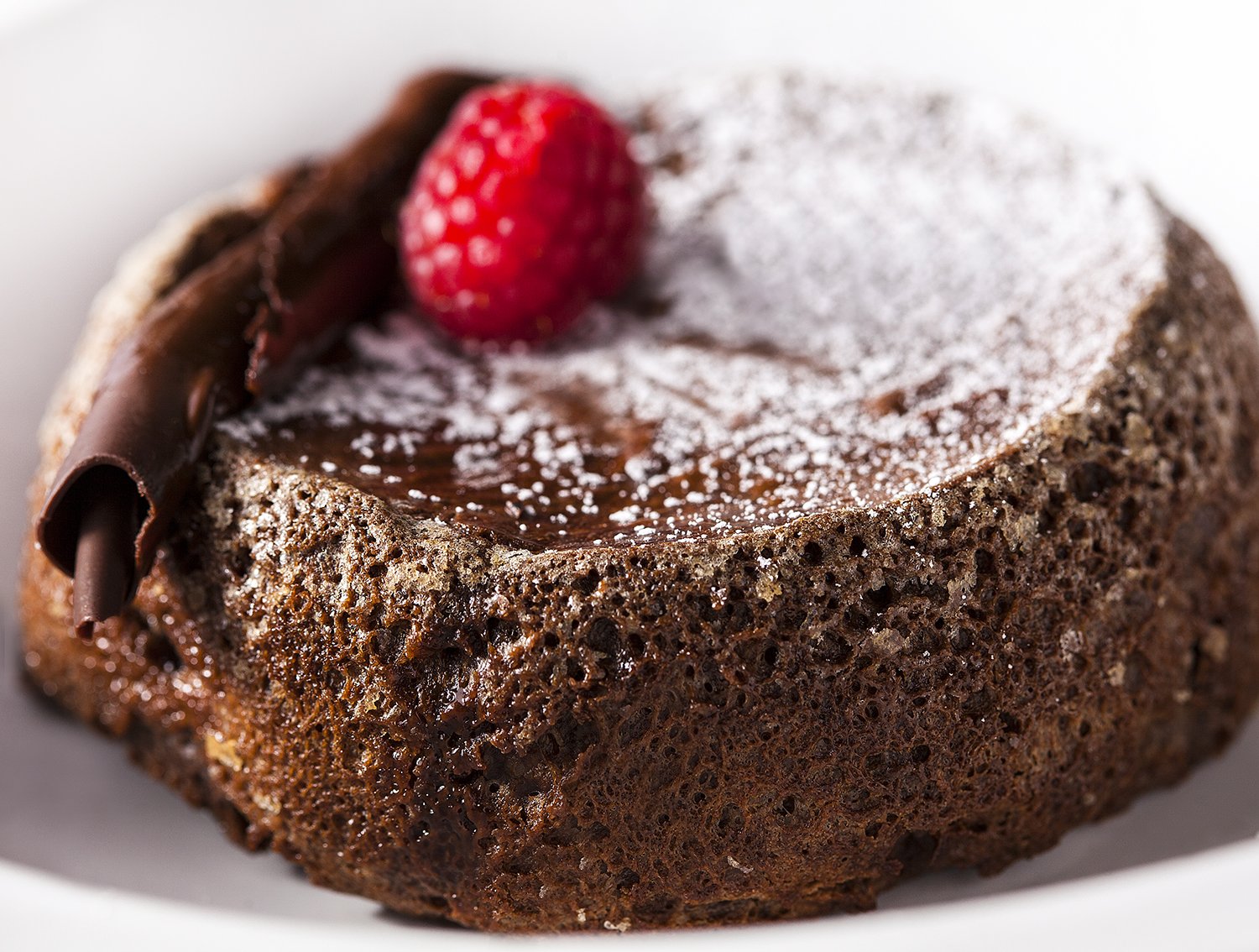
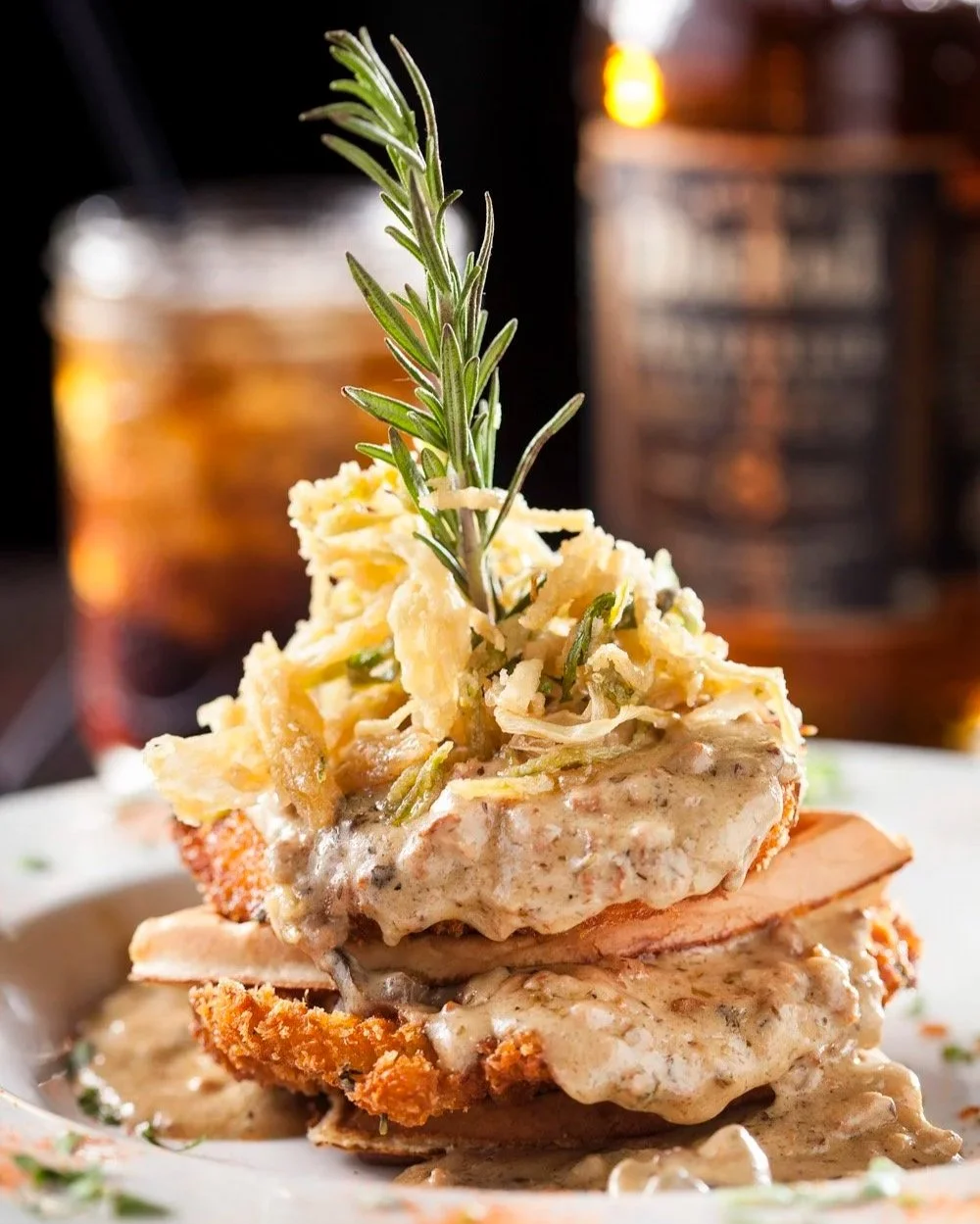
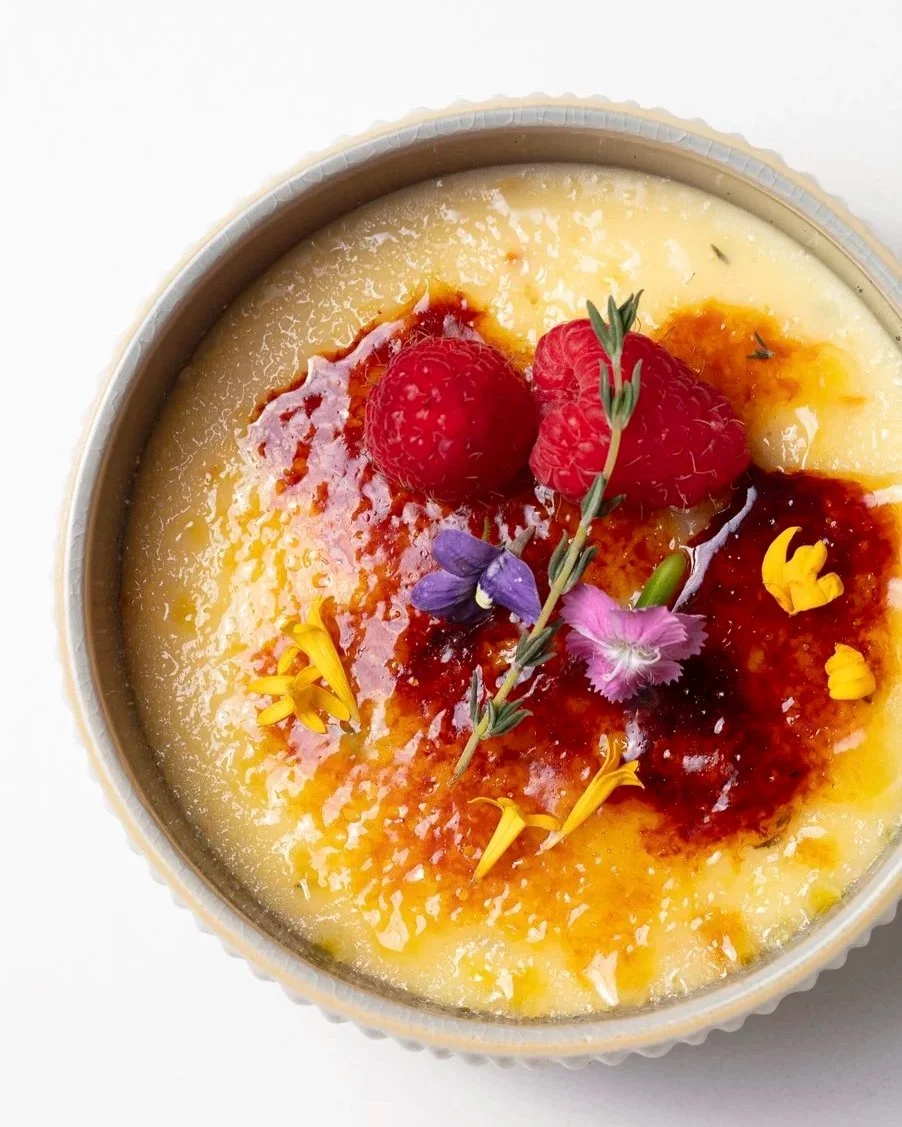
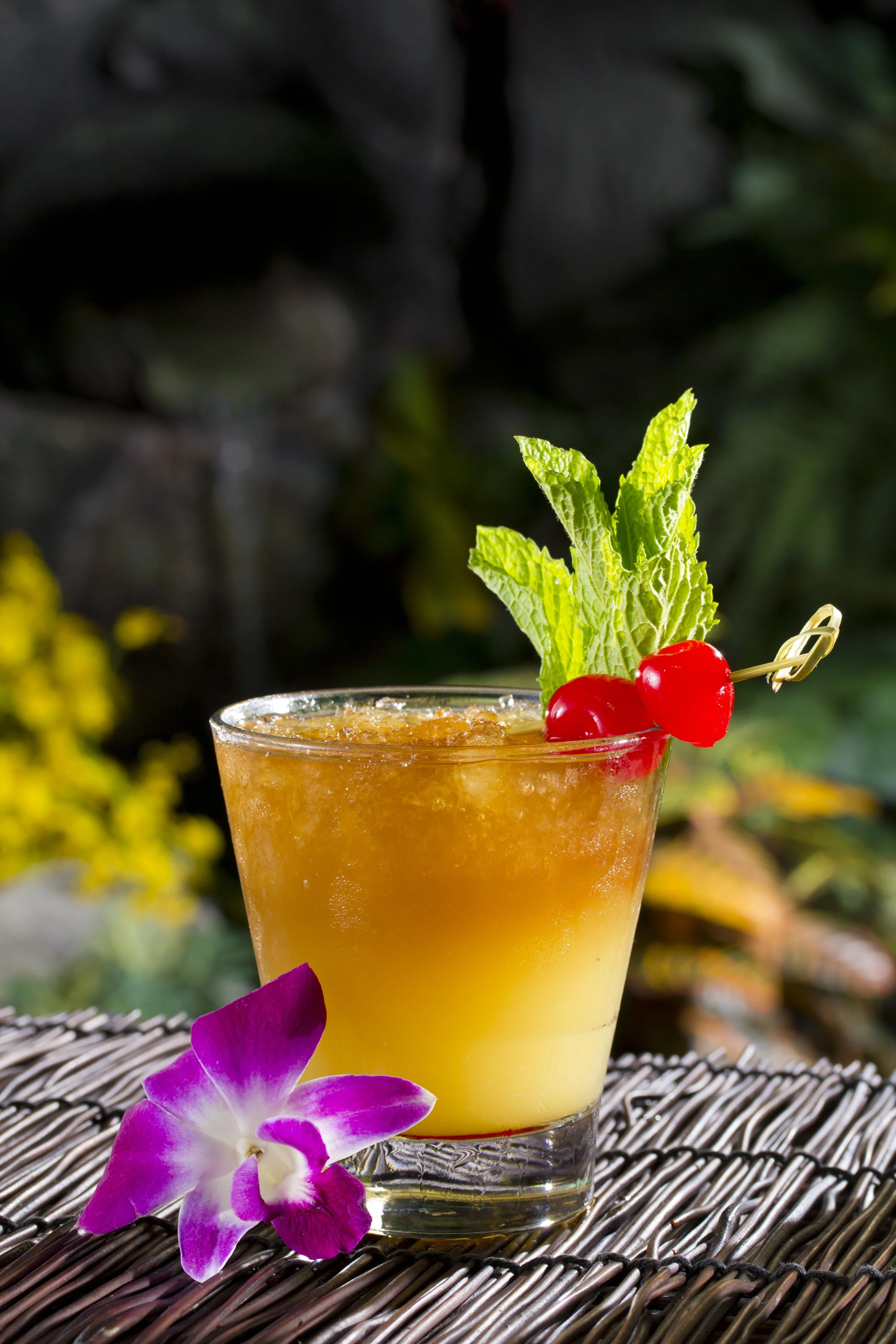



Styles
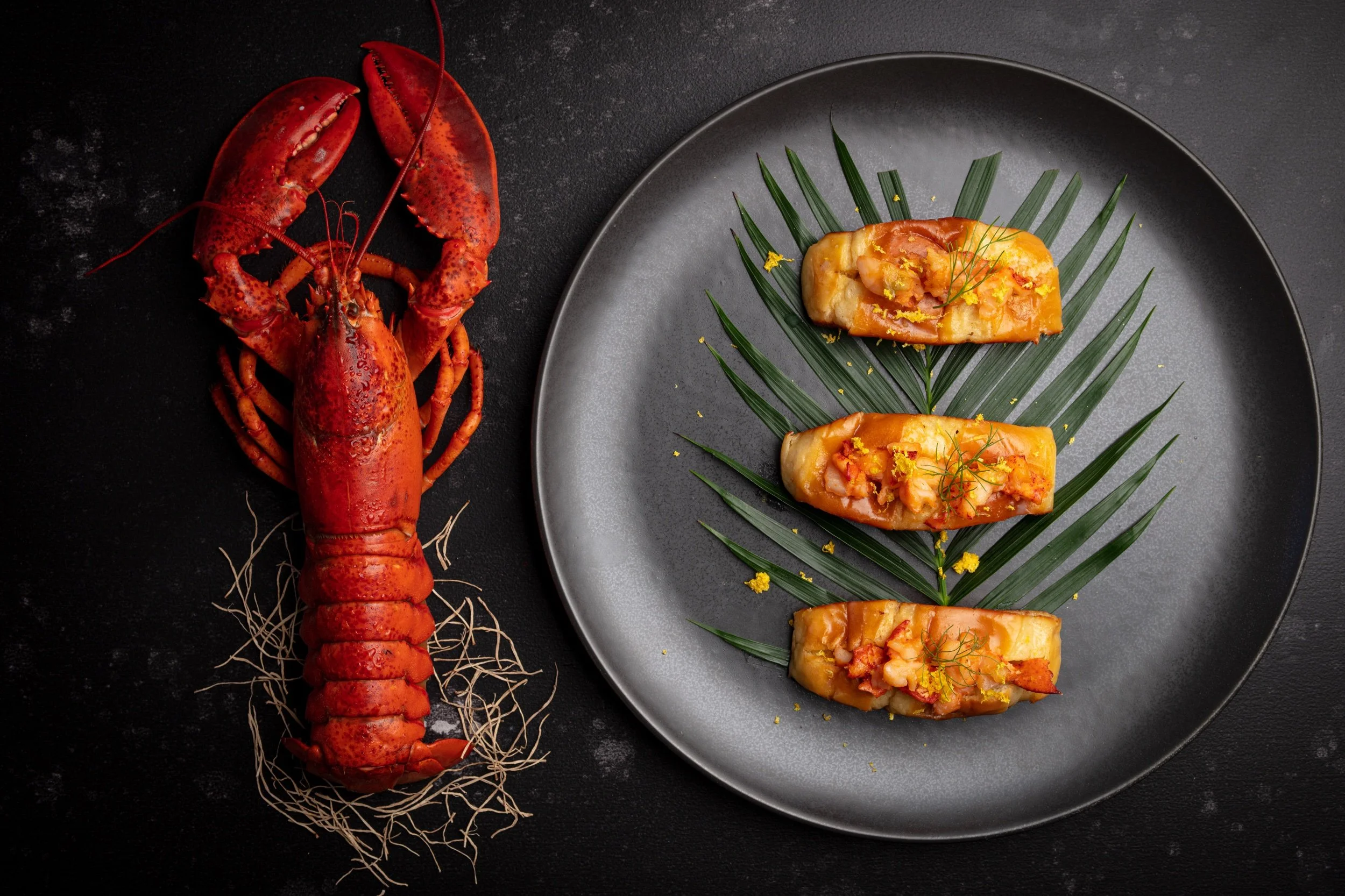
MENU SHOTS
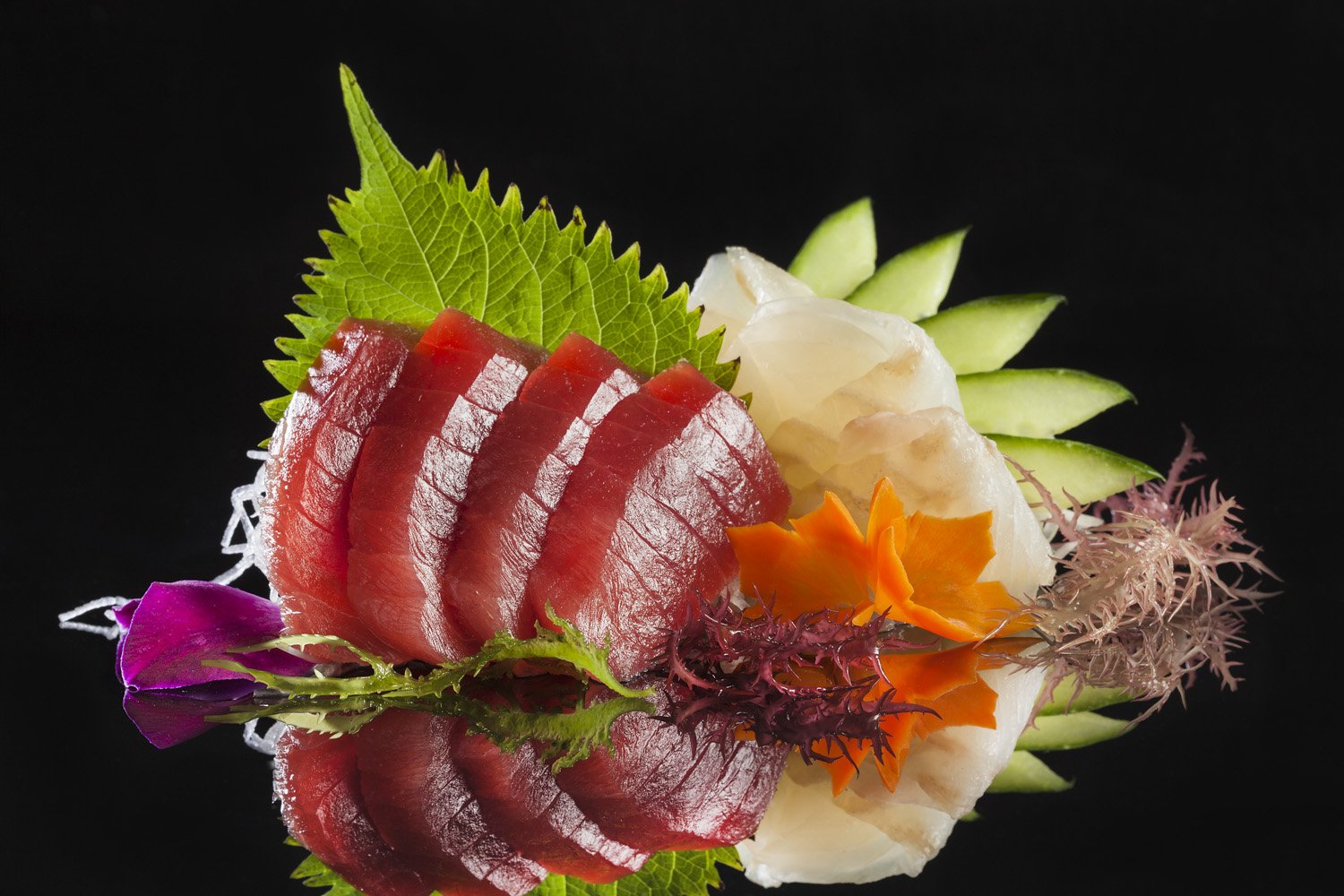
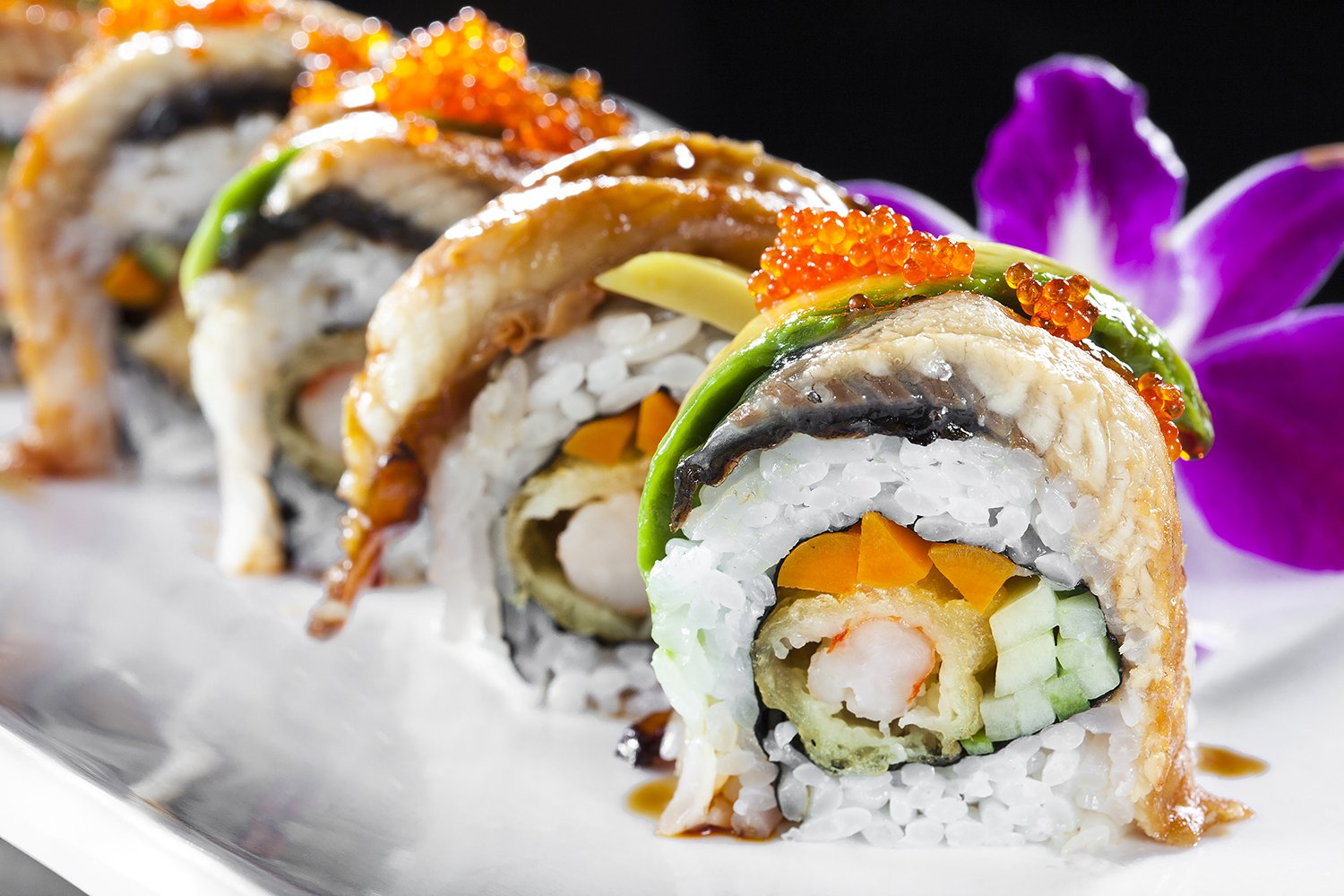
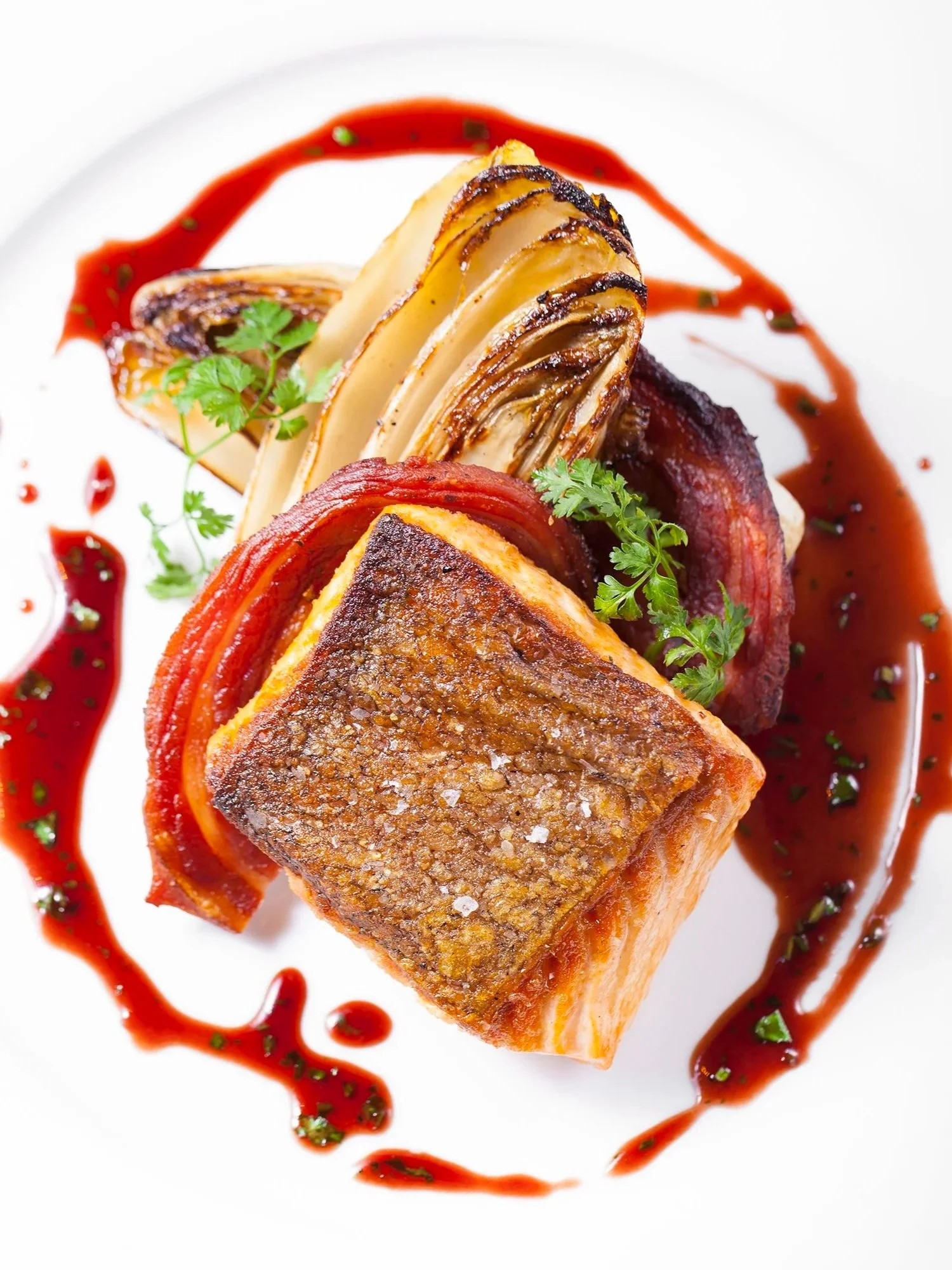
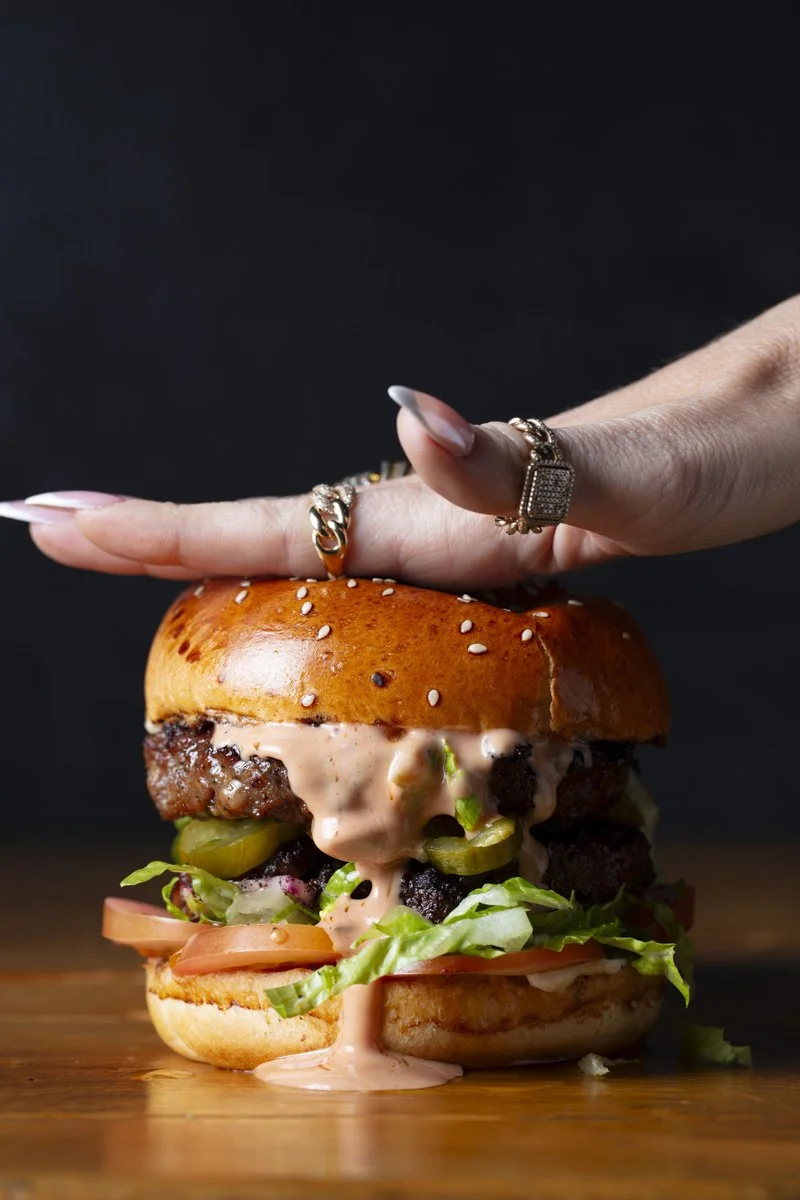
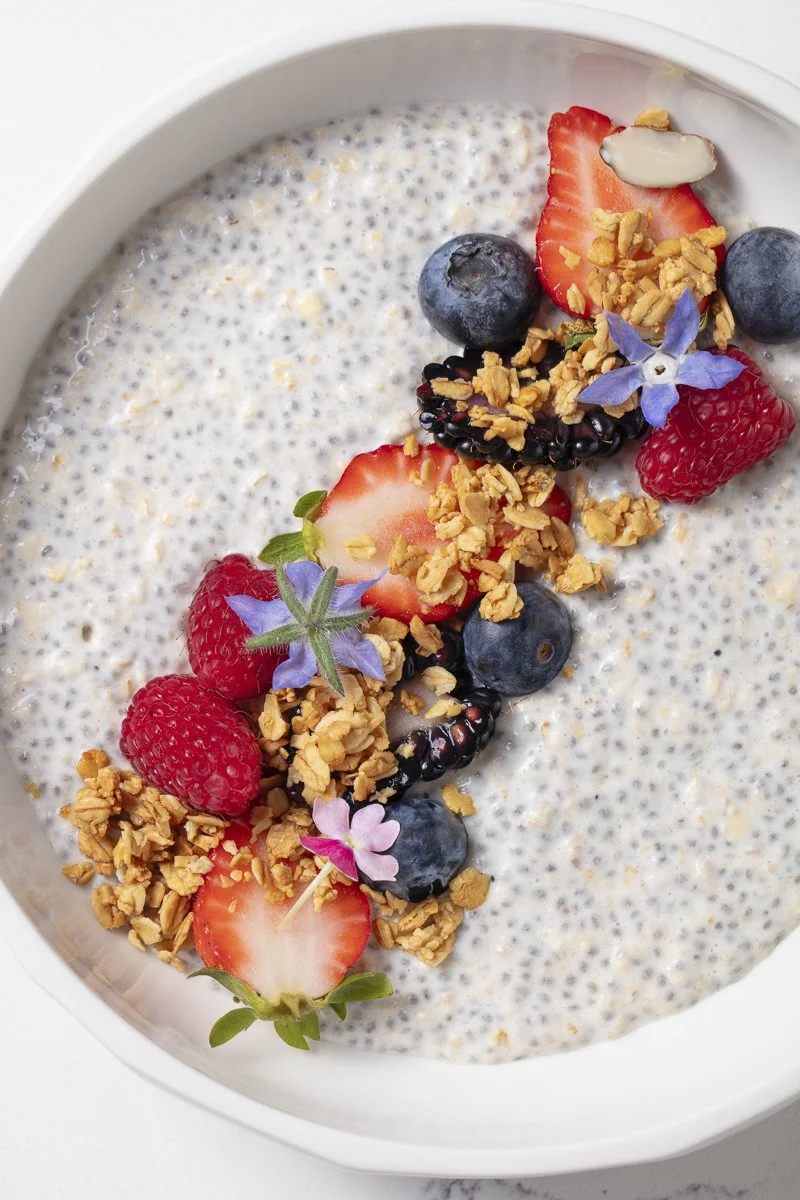
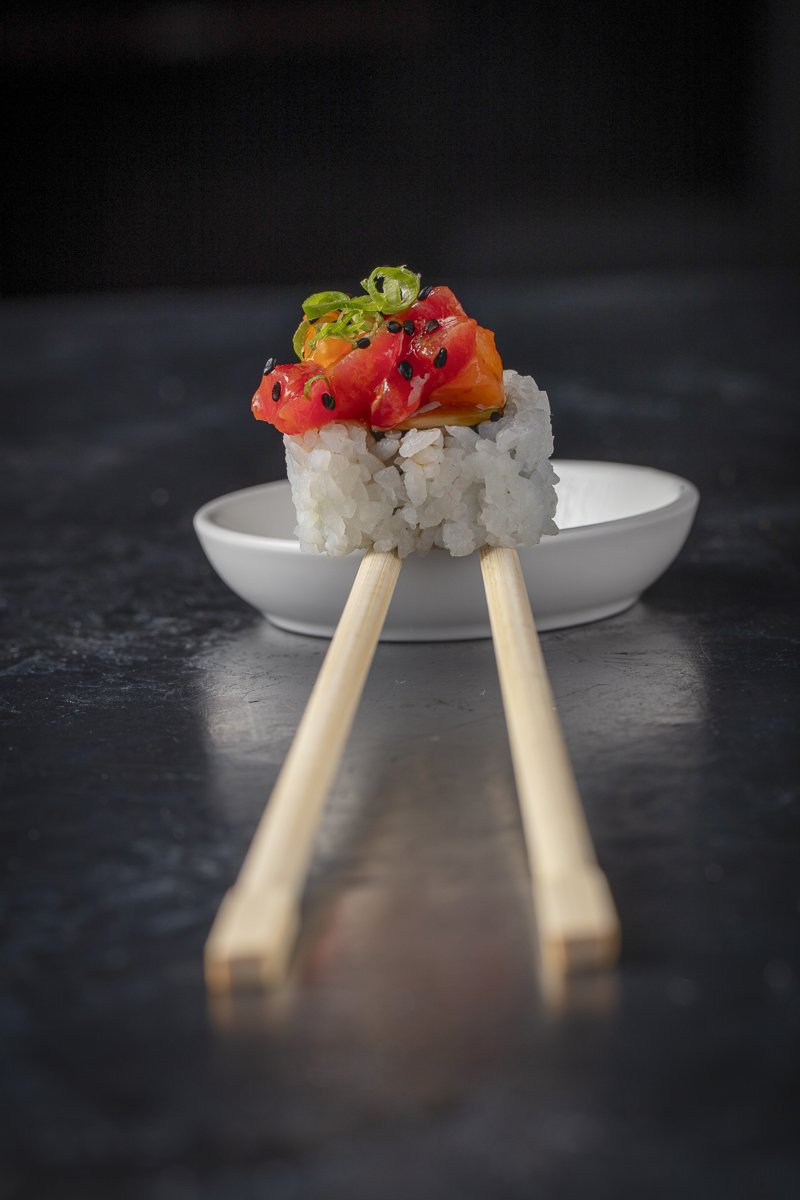
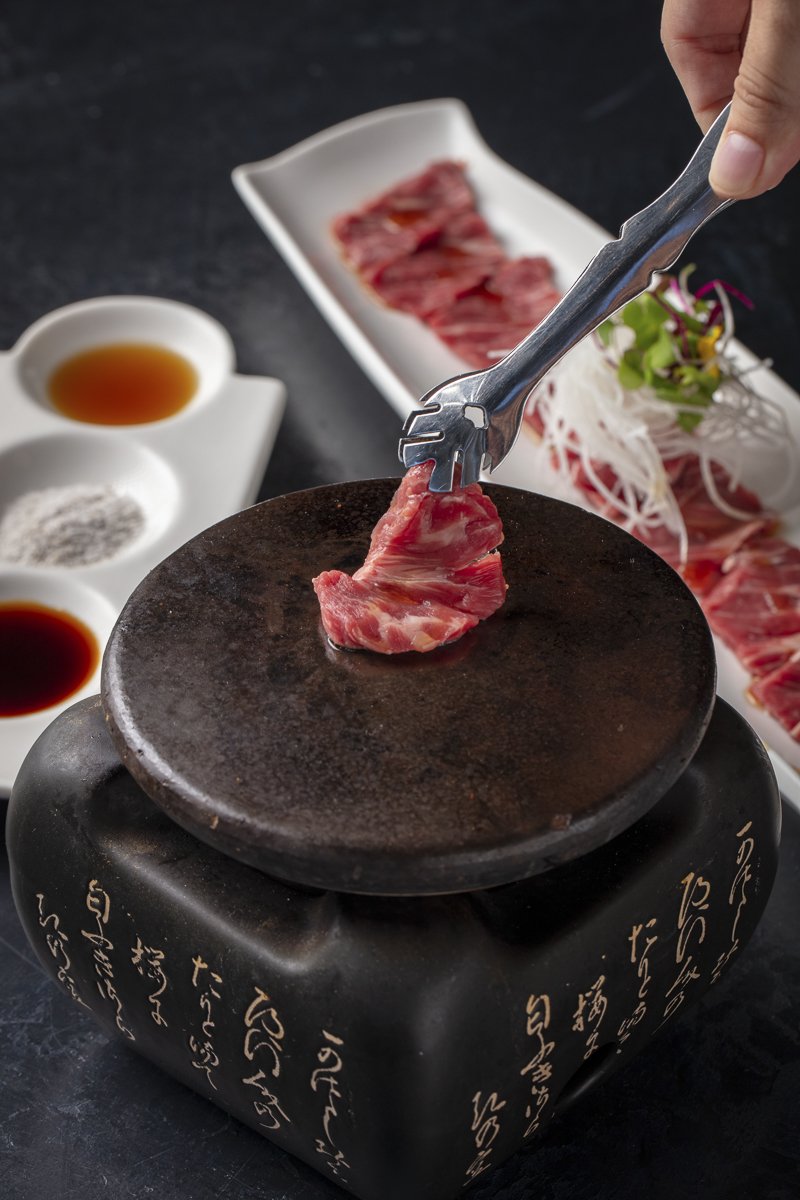
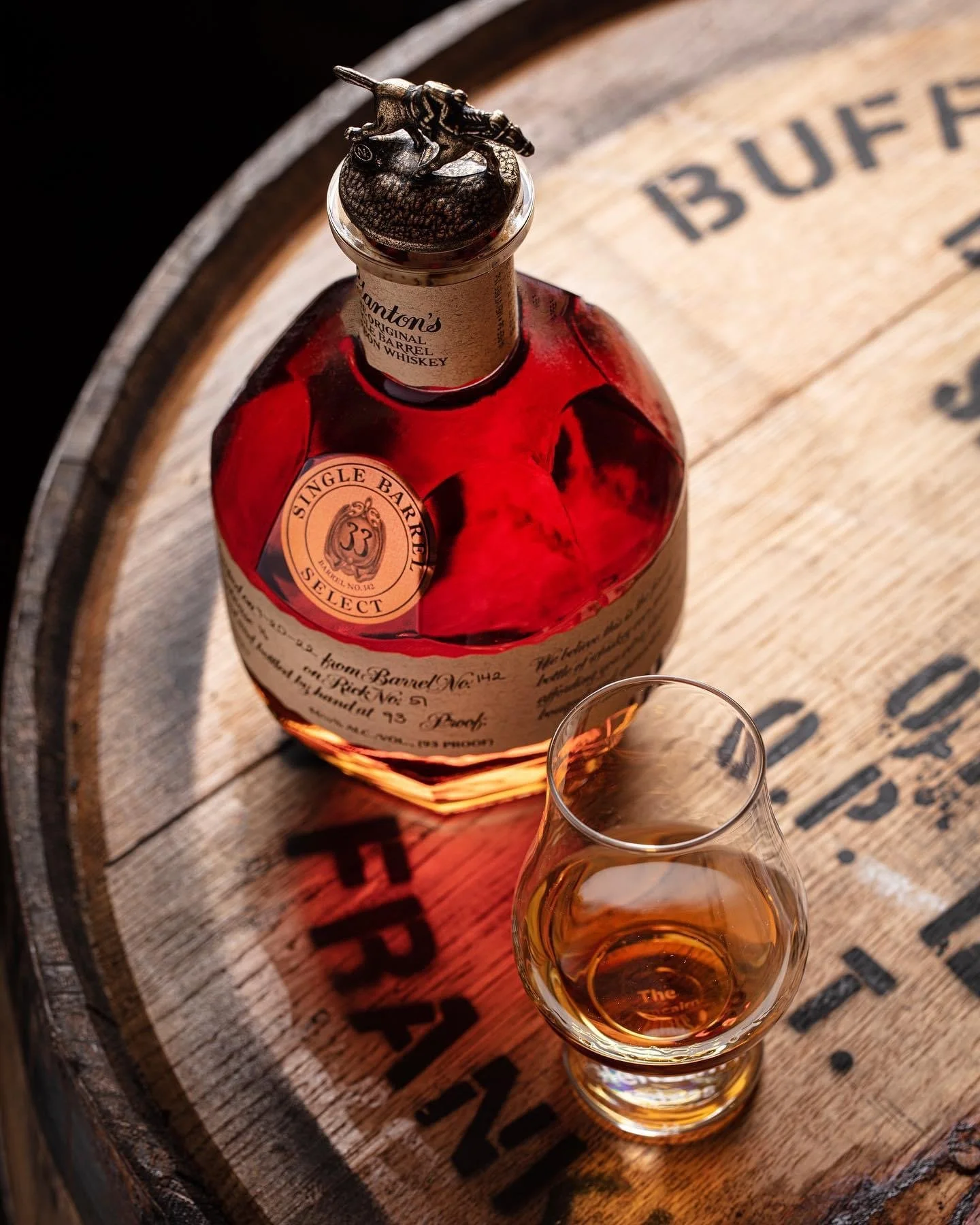
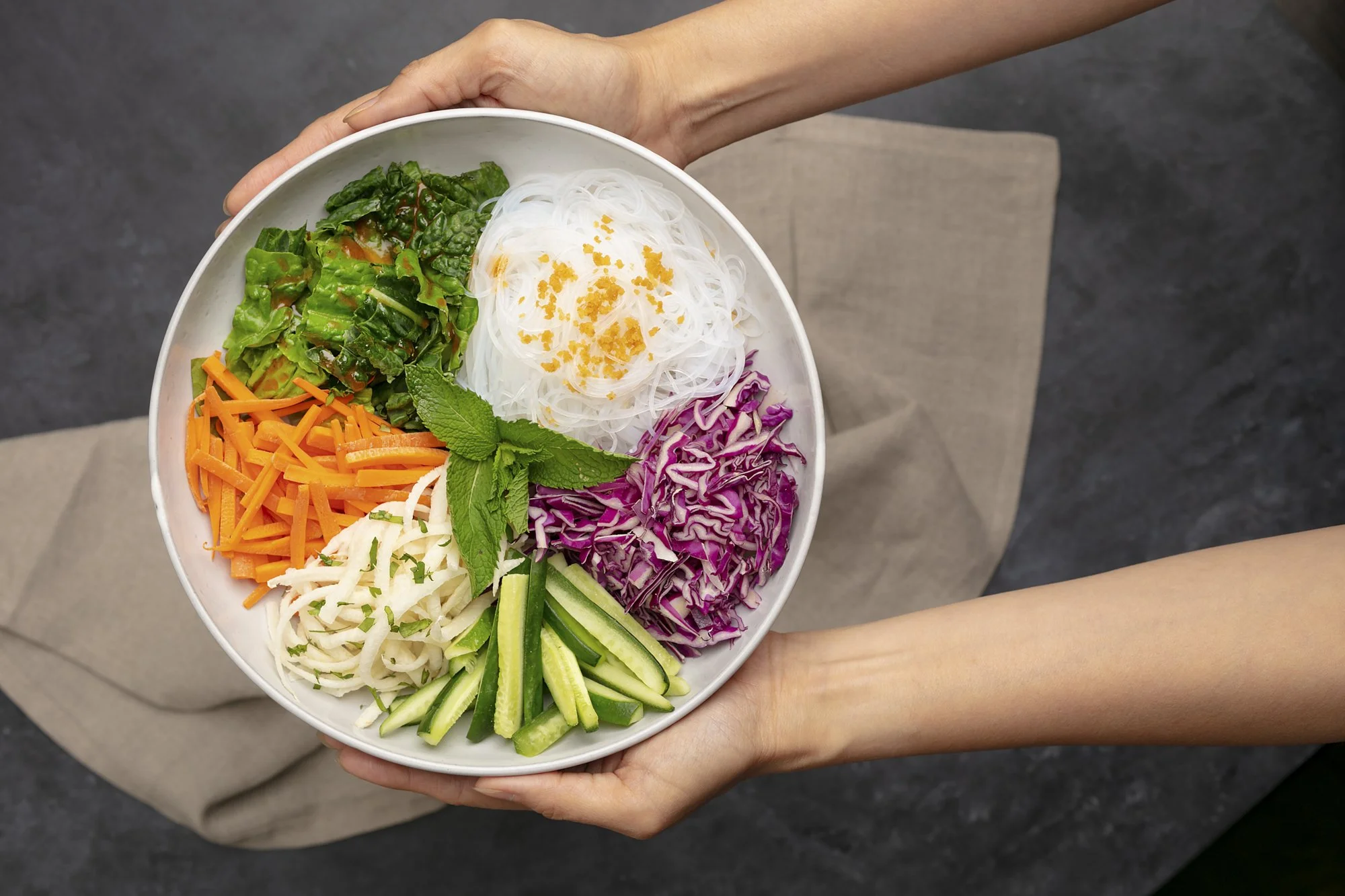
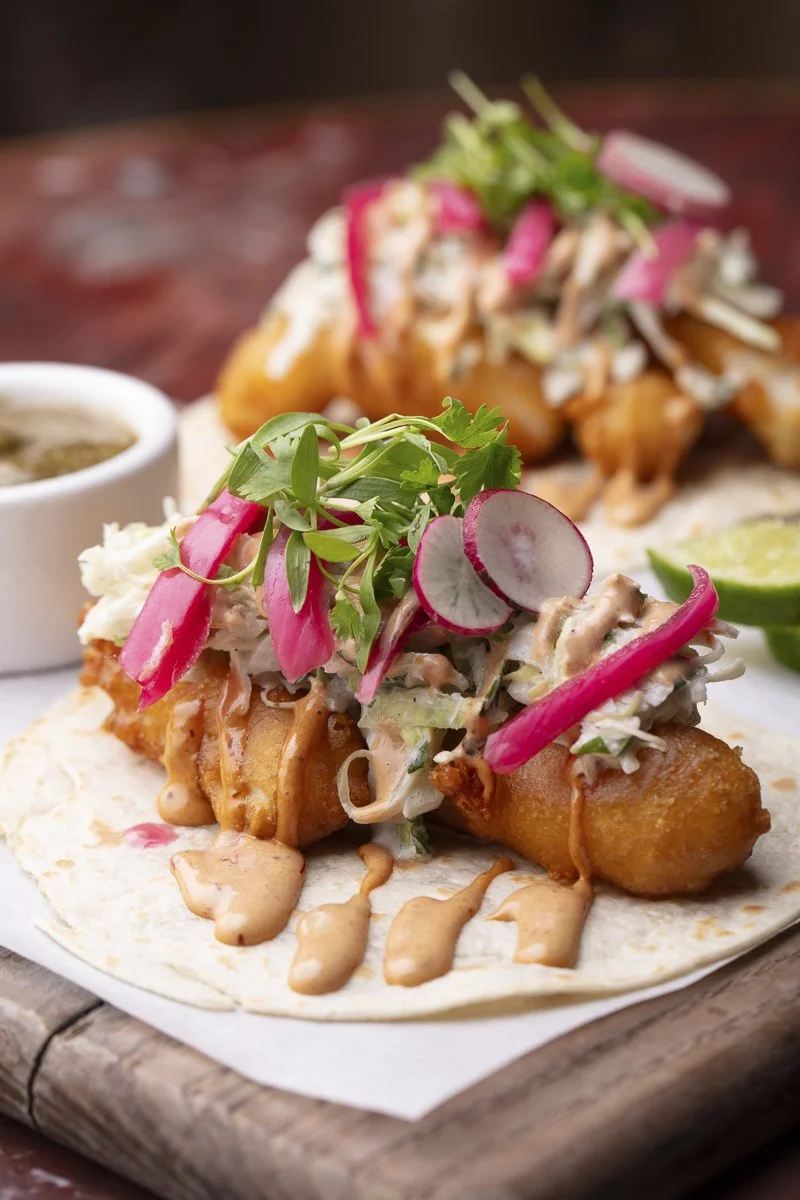
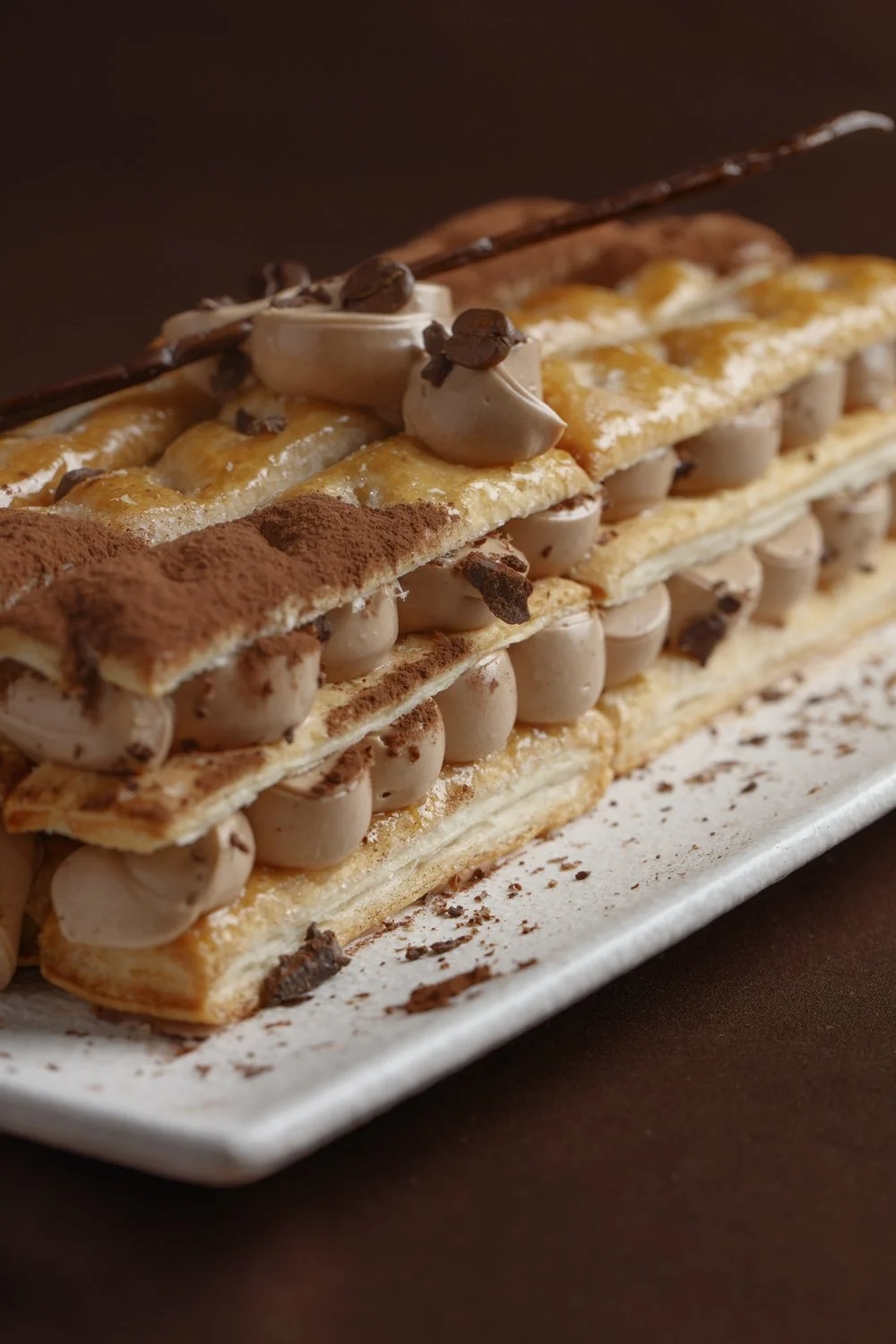
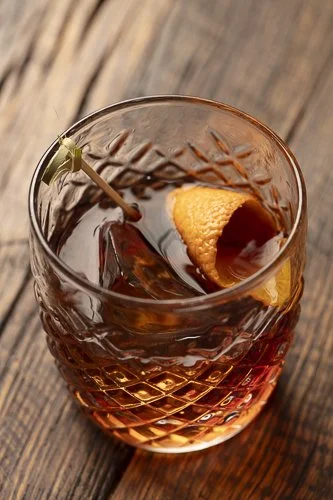
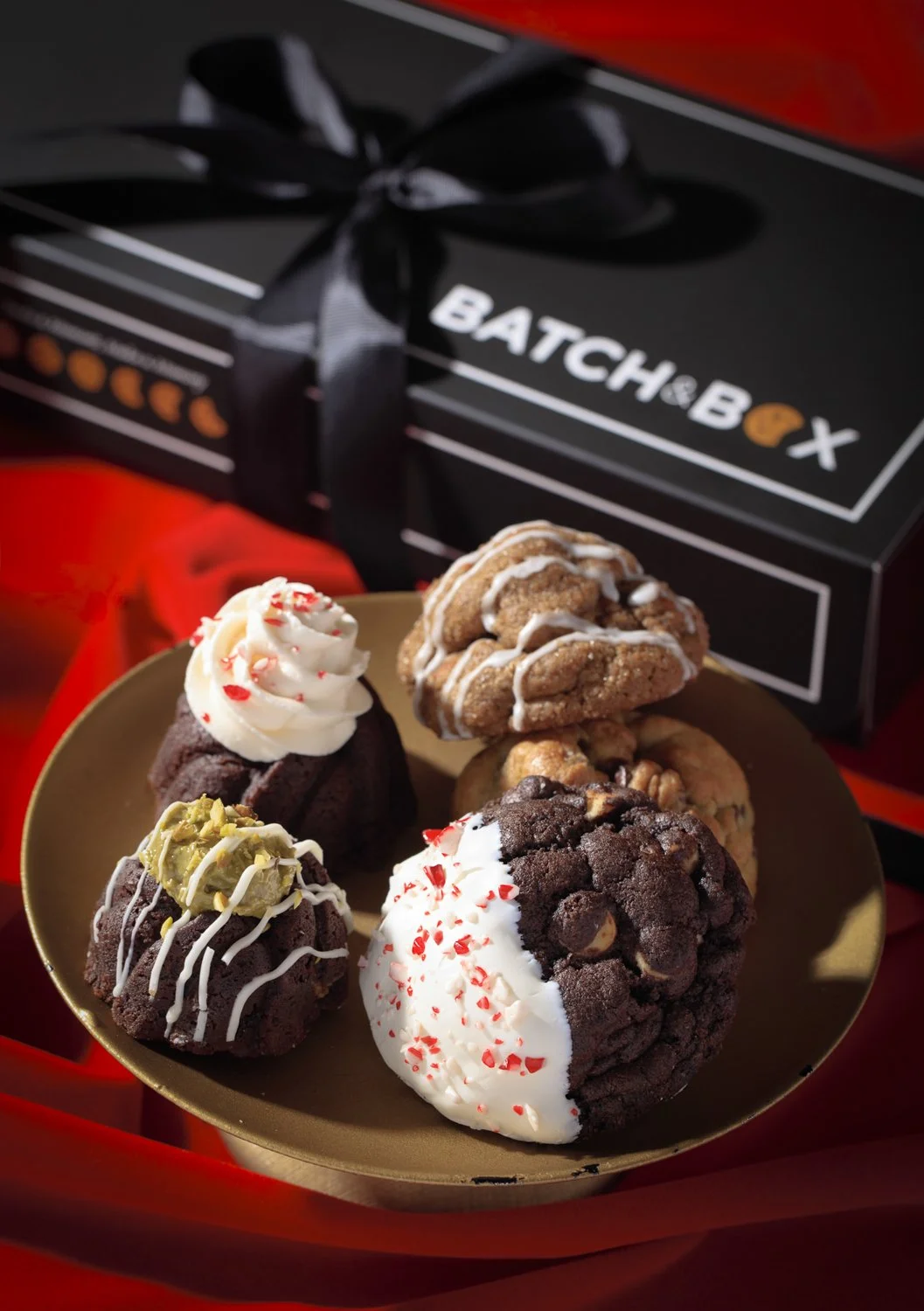
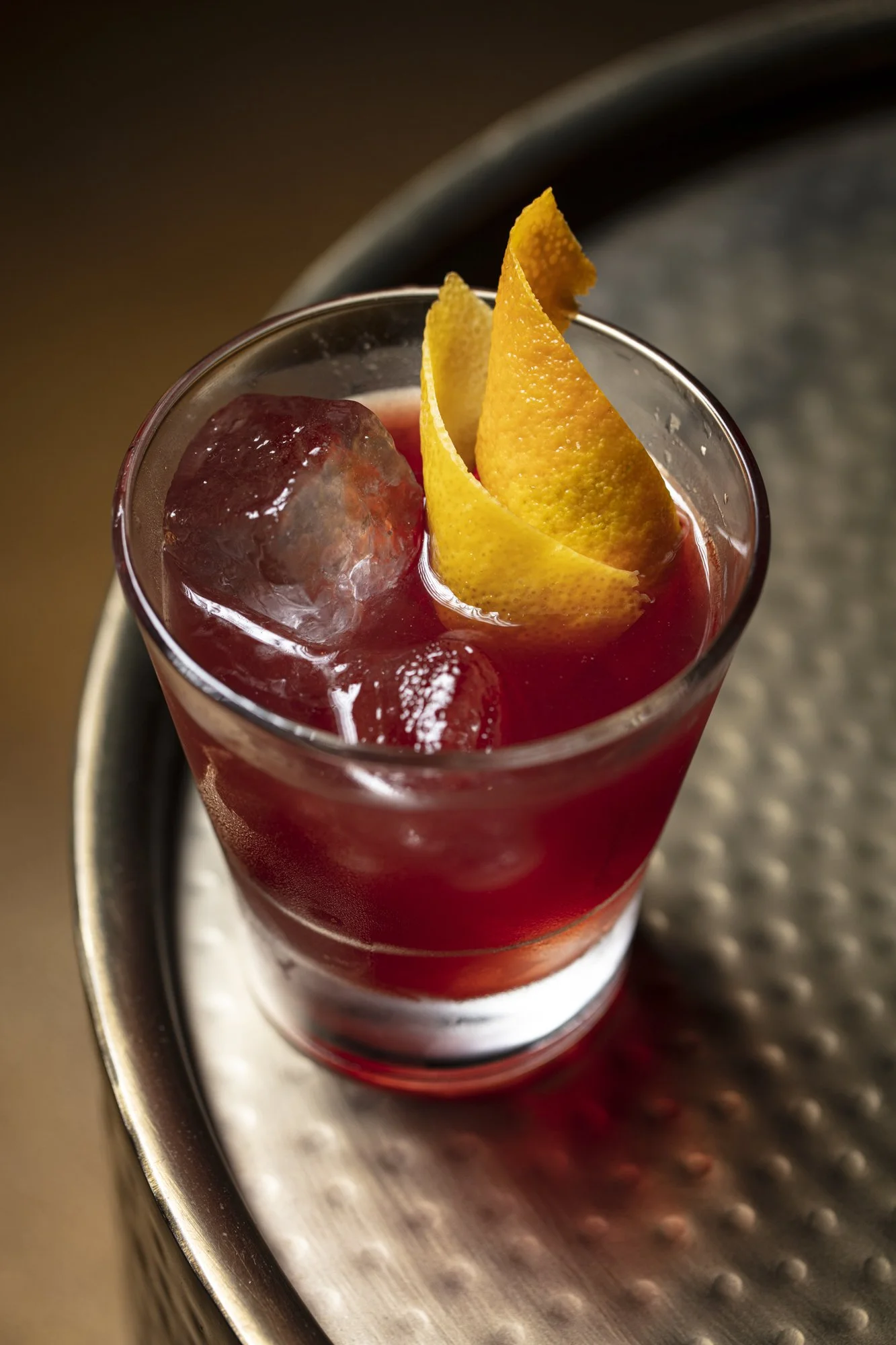
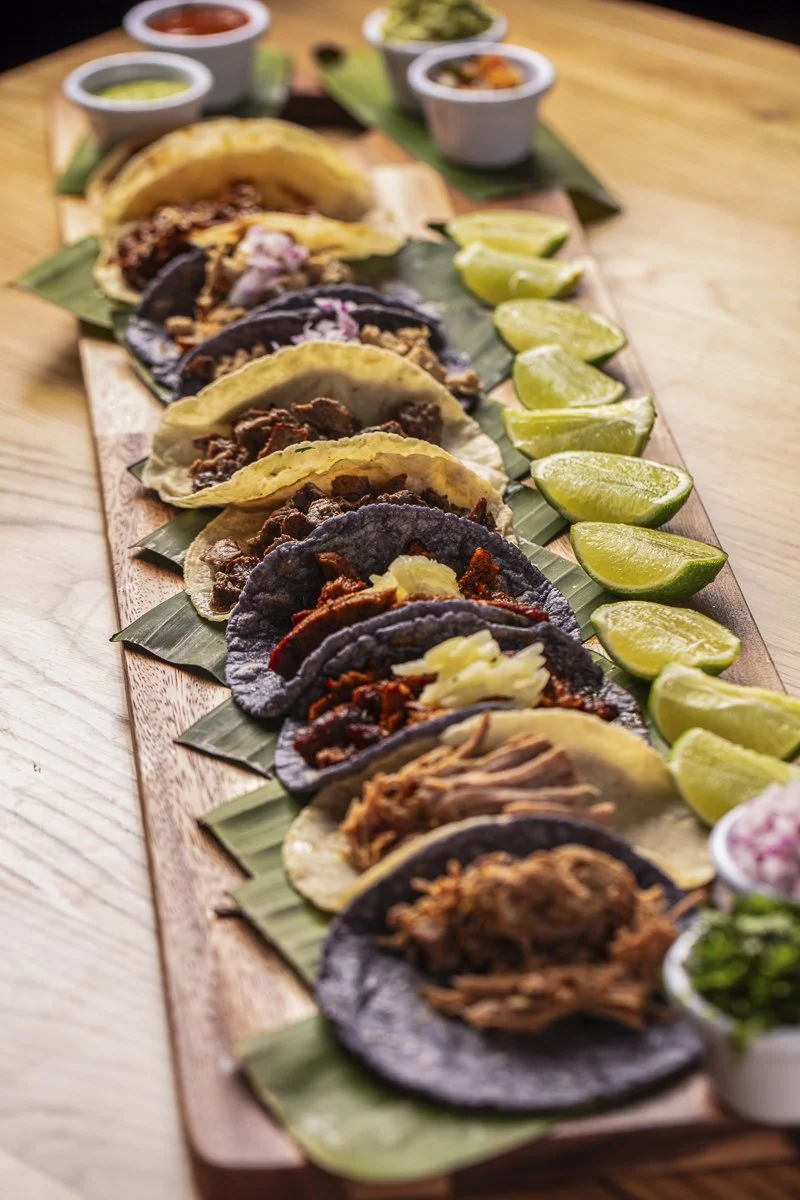
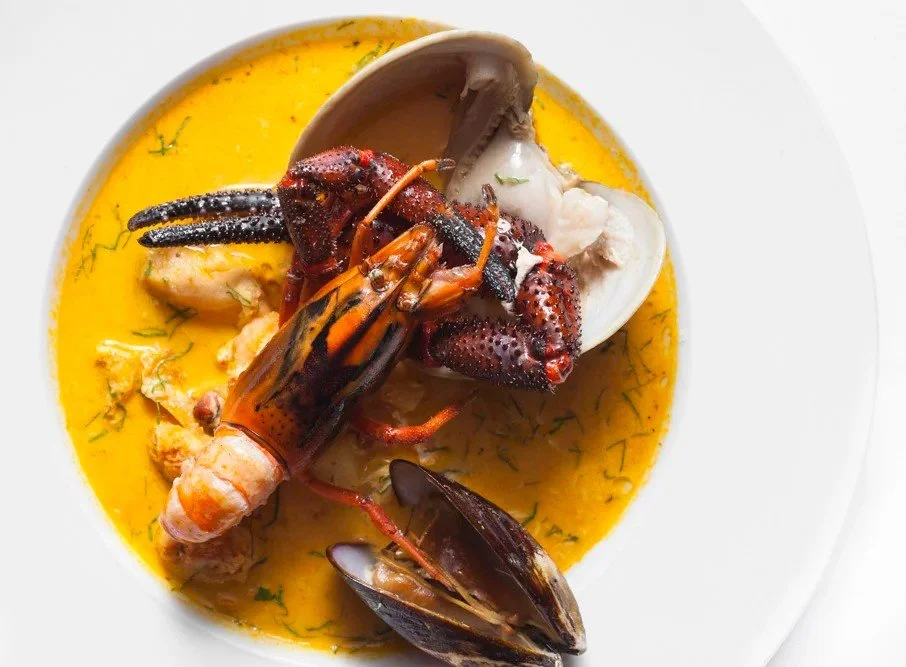
Menu shots are the hero portraits of your dishes — clean, appetizing images made to grab attention and guide hungry eyes. They’re all about showing food at its best: strong composition, great lighting, and just the right amount of detail to make people say “I’ll have that.” Perfect for restaurant menus, online ordering, and digital boards — anywhere you want flavor to speak for itself.
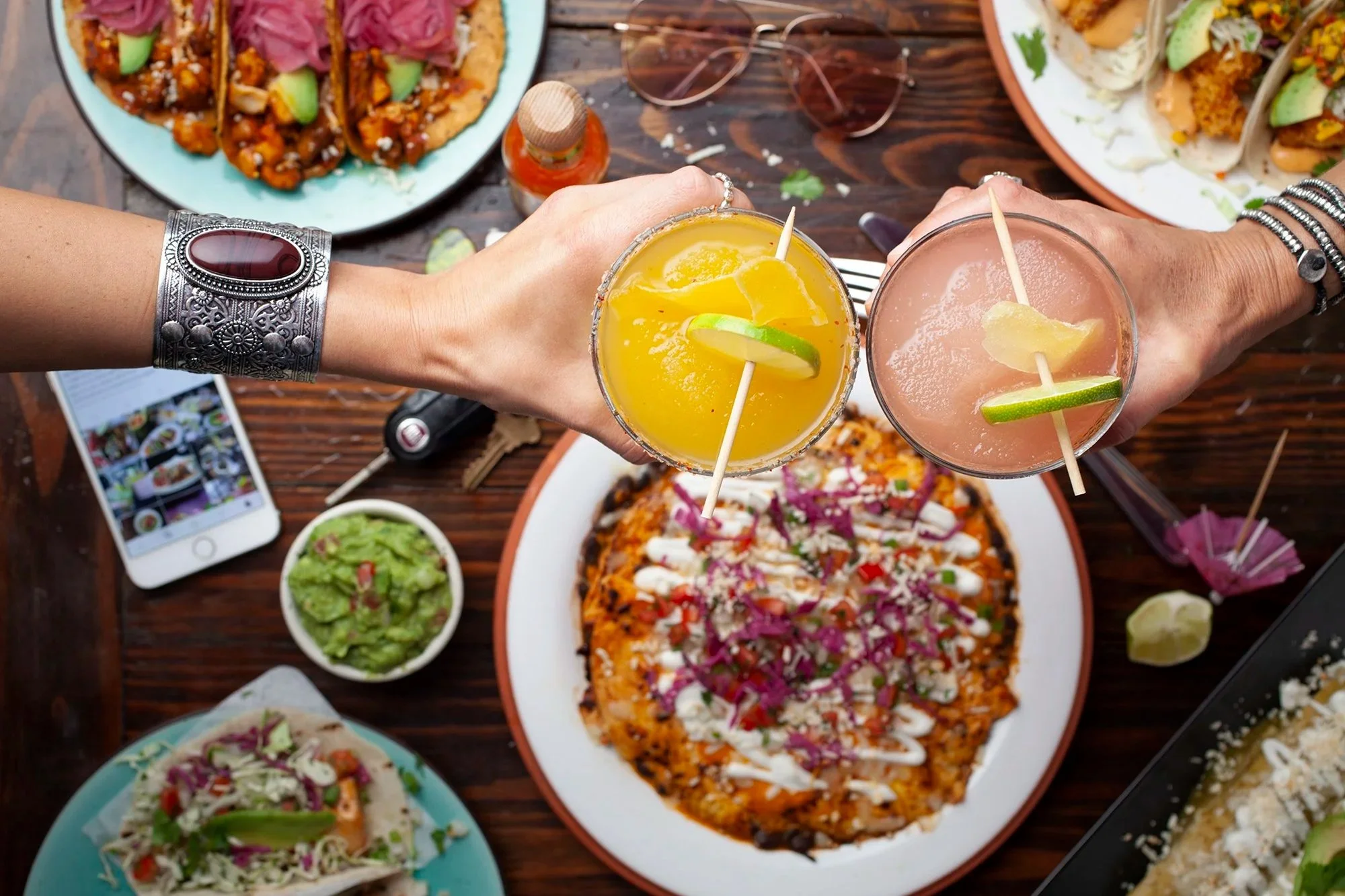
LIFESTYLE
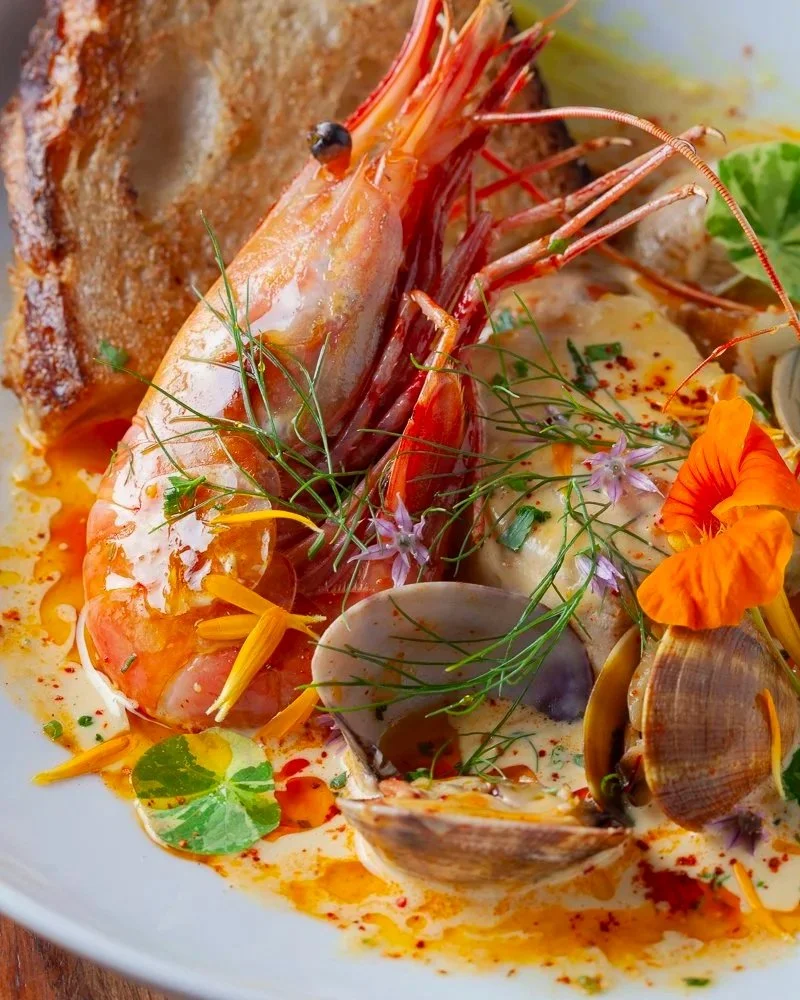
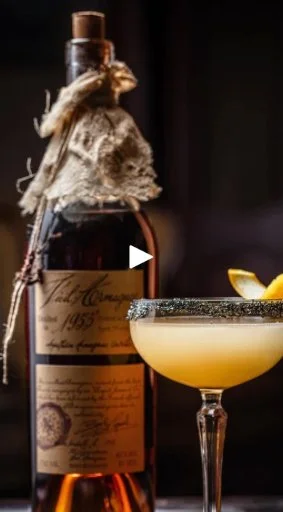
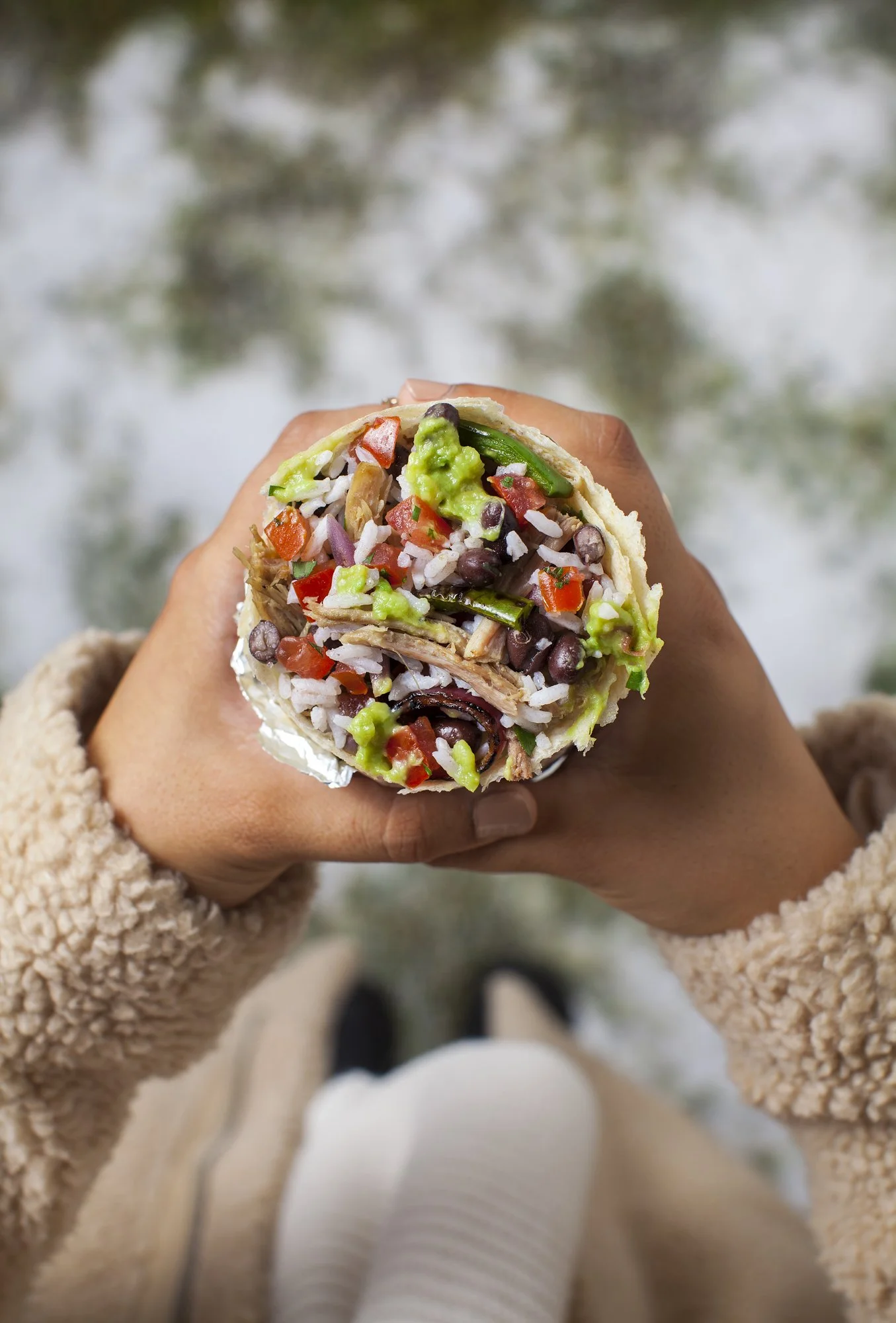
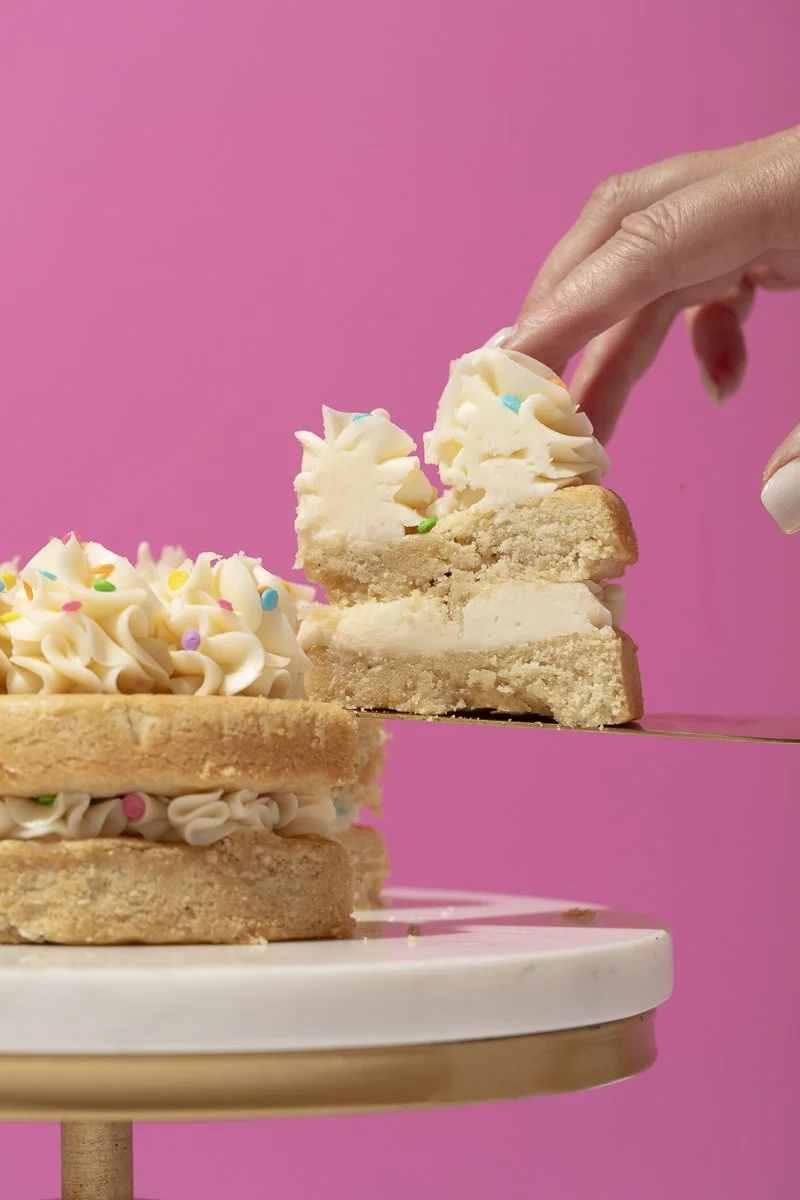
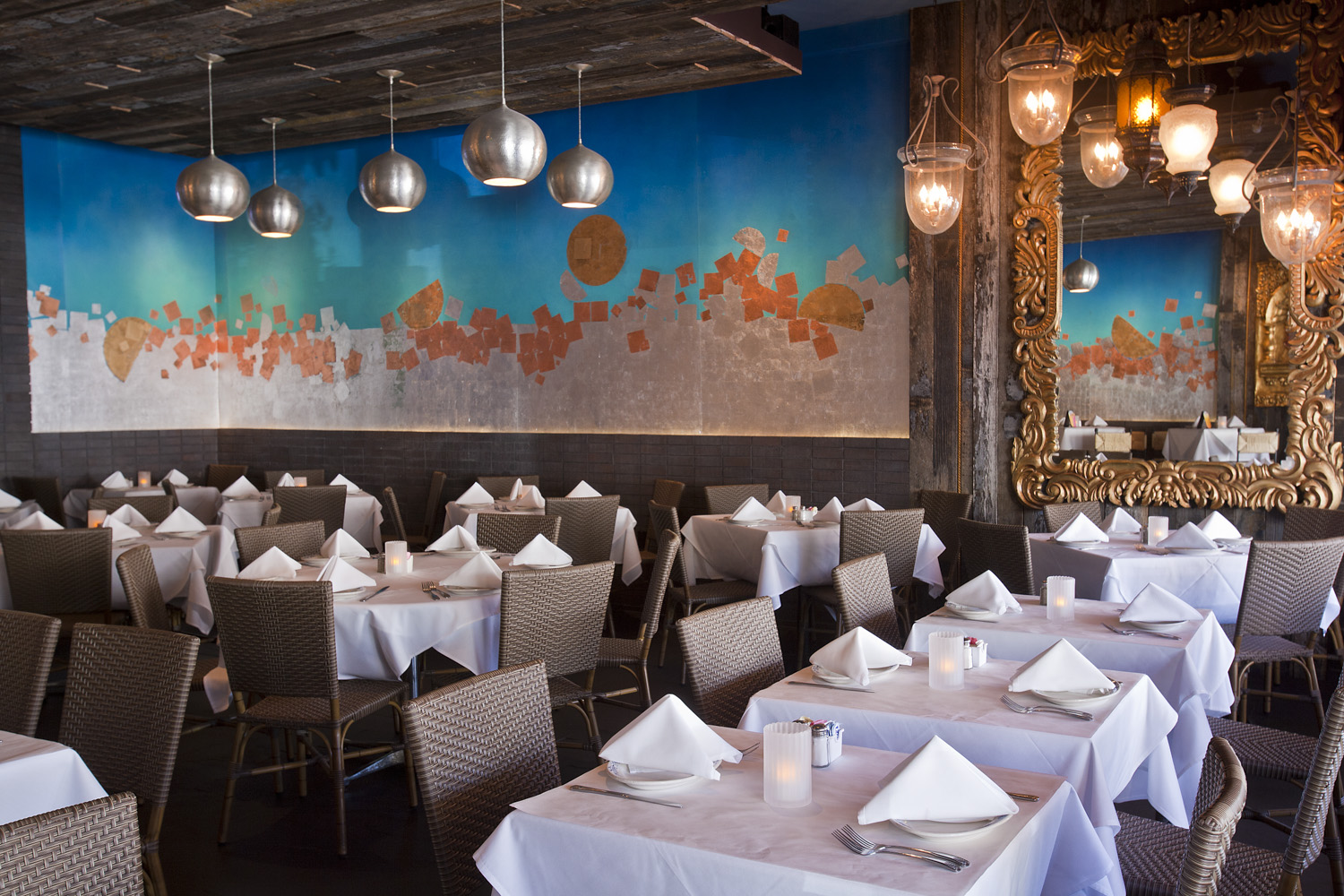
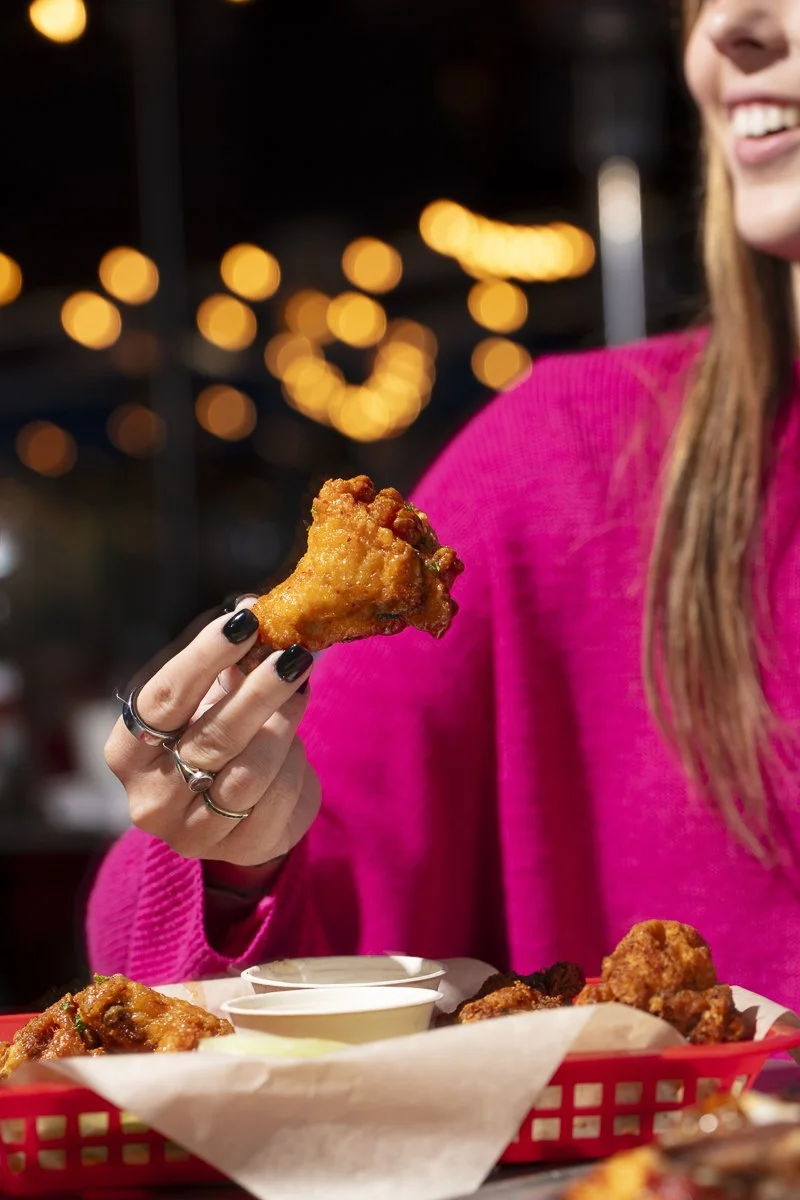
Lifestyle shots are where your food steps into the real world — guests reaching for that first bite, hands passing plates, friends laughing over cocktails, all the little moments that make a meal feel like a night out. They’re less about the perfect hero dish and more about the vibe around it, showing the space, the people, and the energy of your restaurant so guests can picture themselves right there at the table.

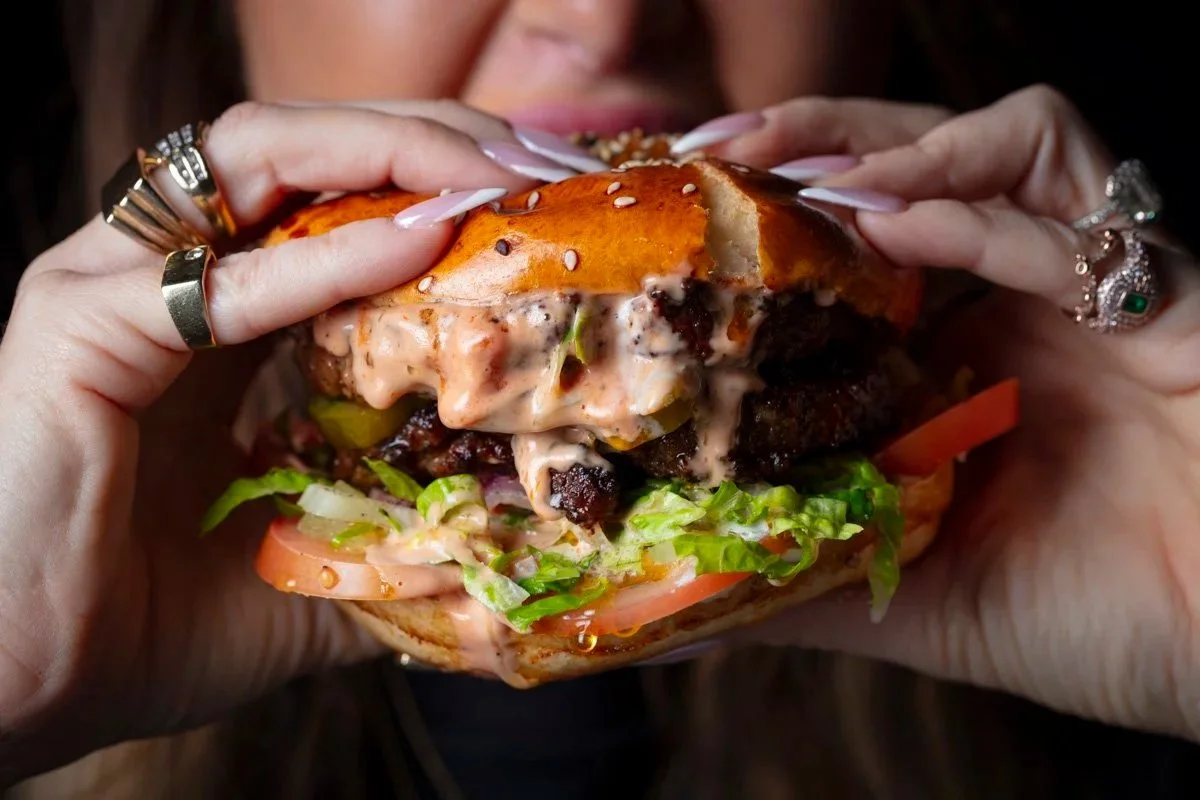
SOCIAL MEDIA
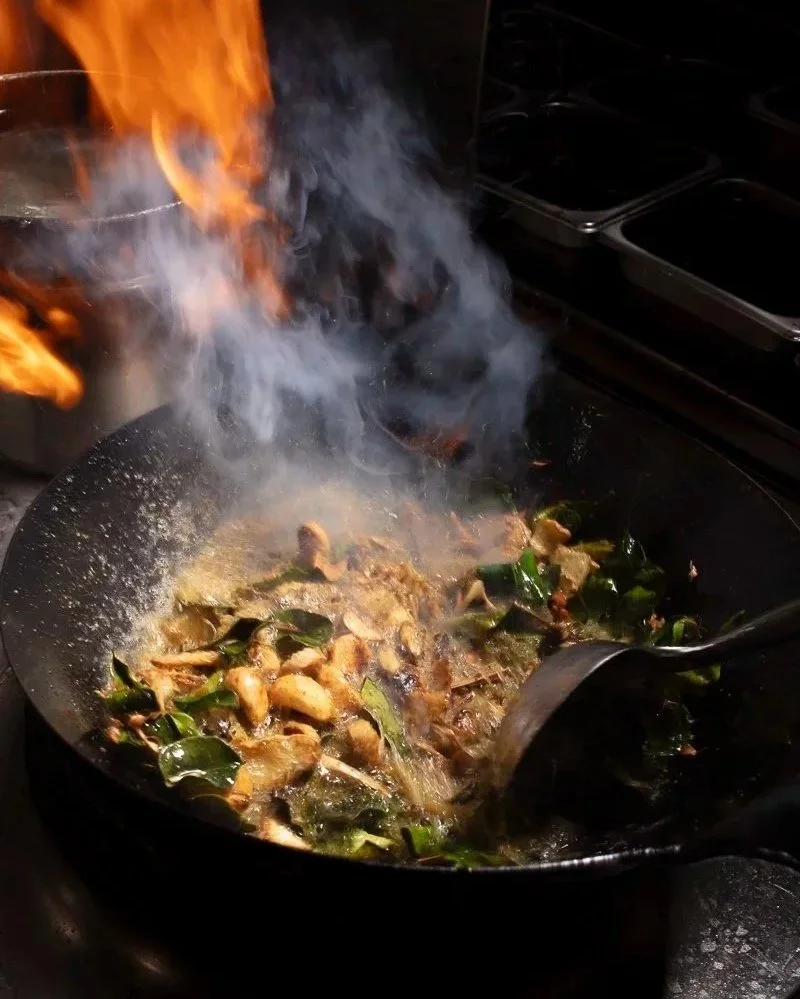
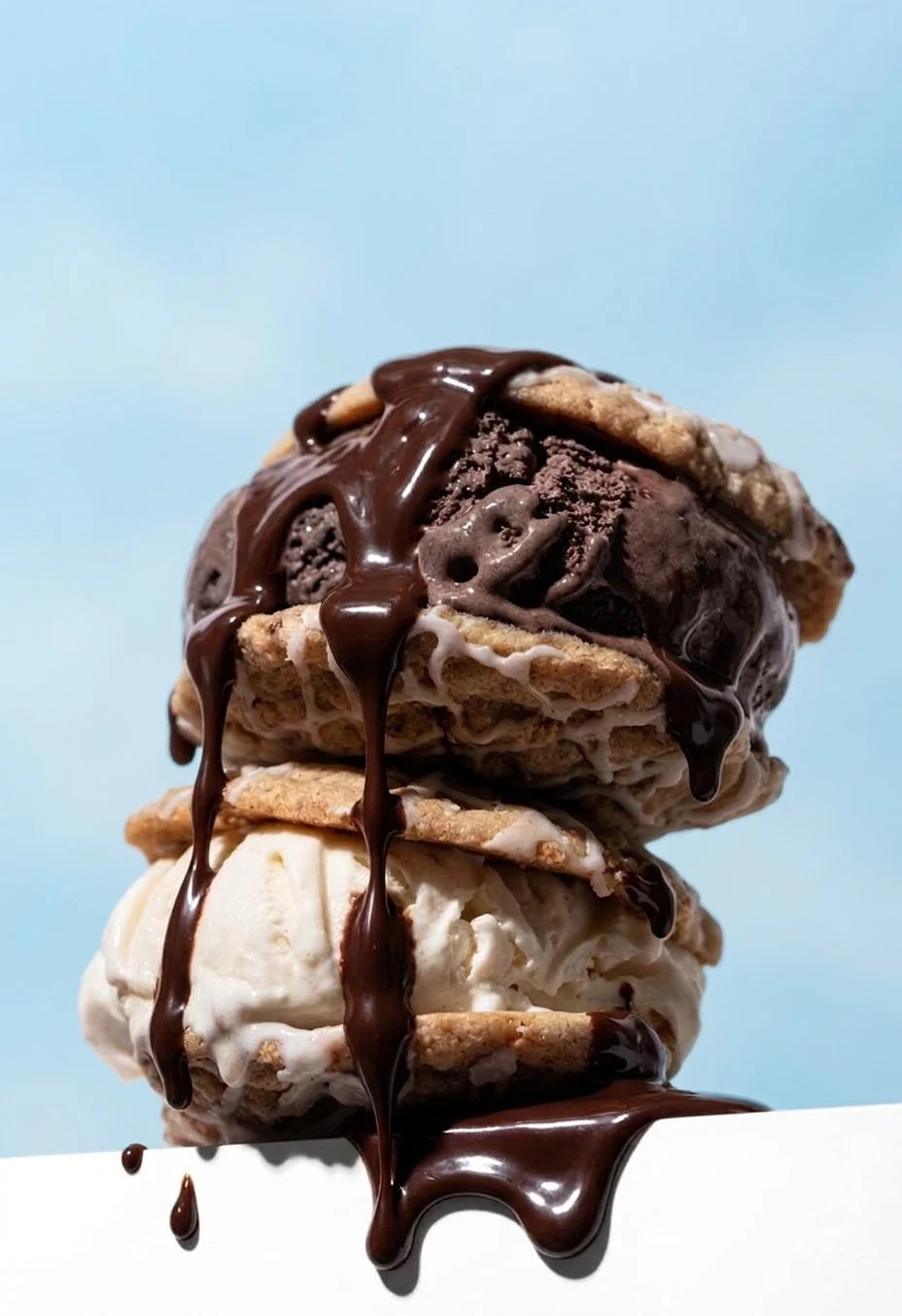
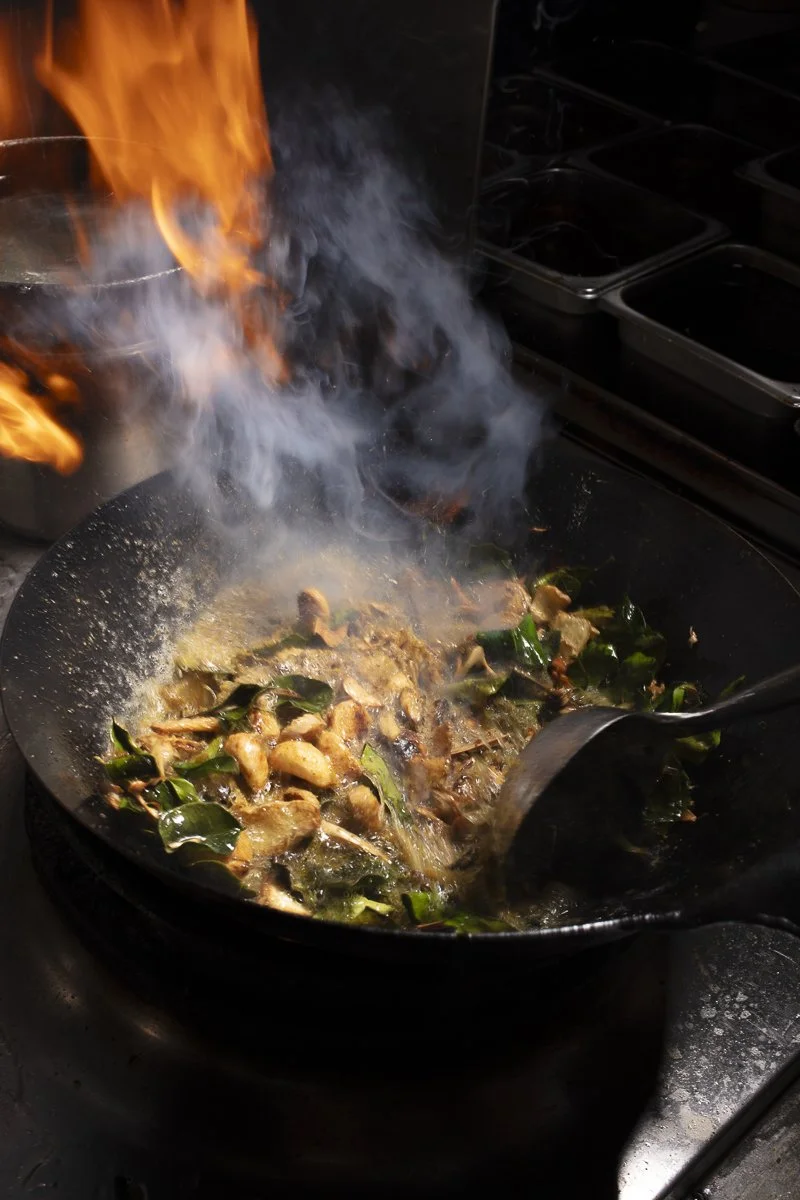
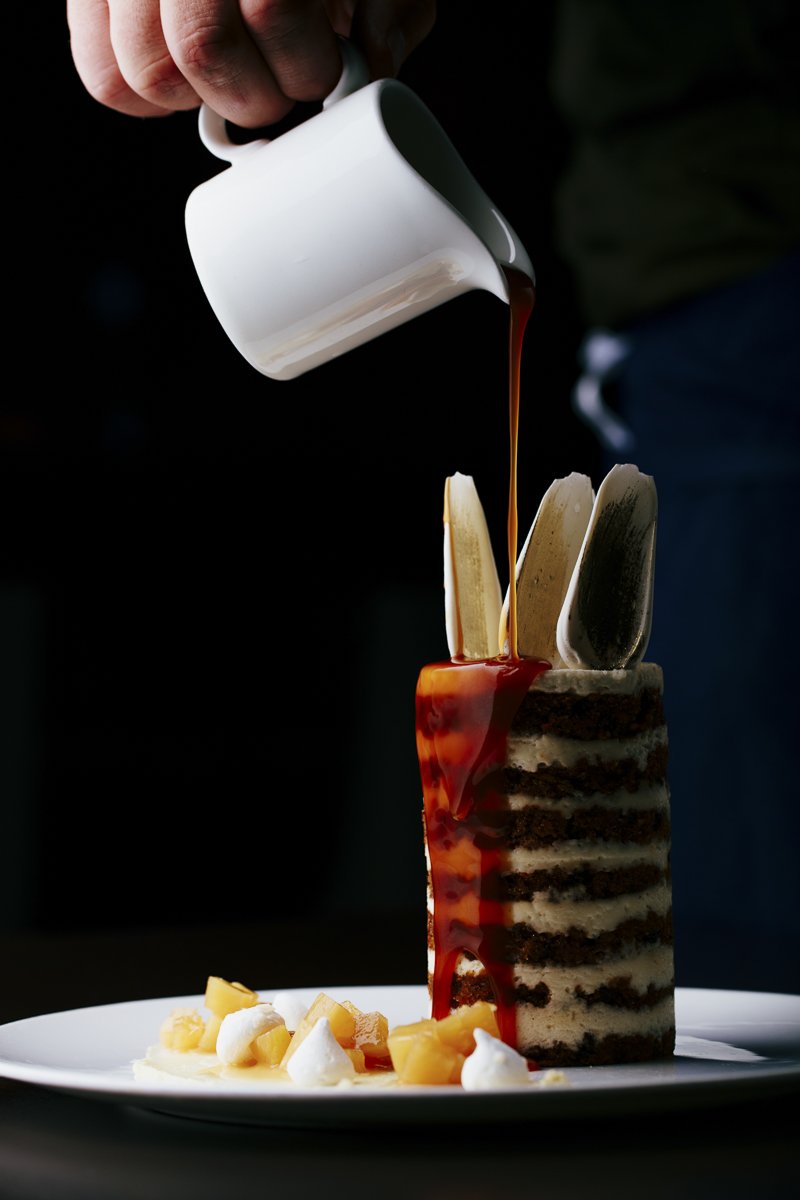
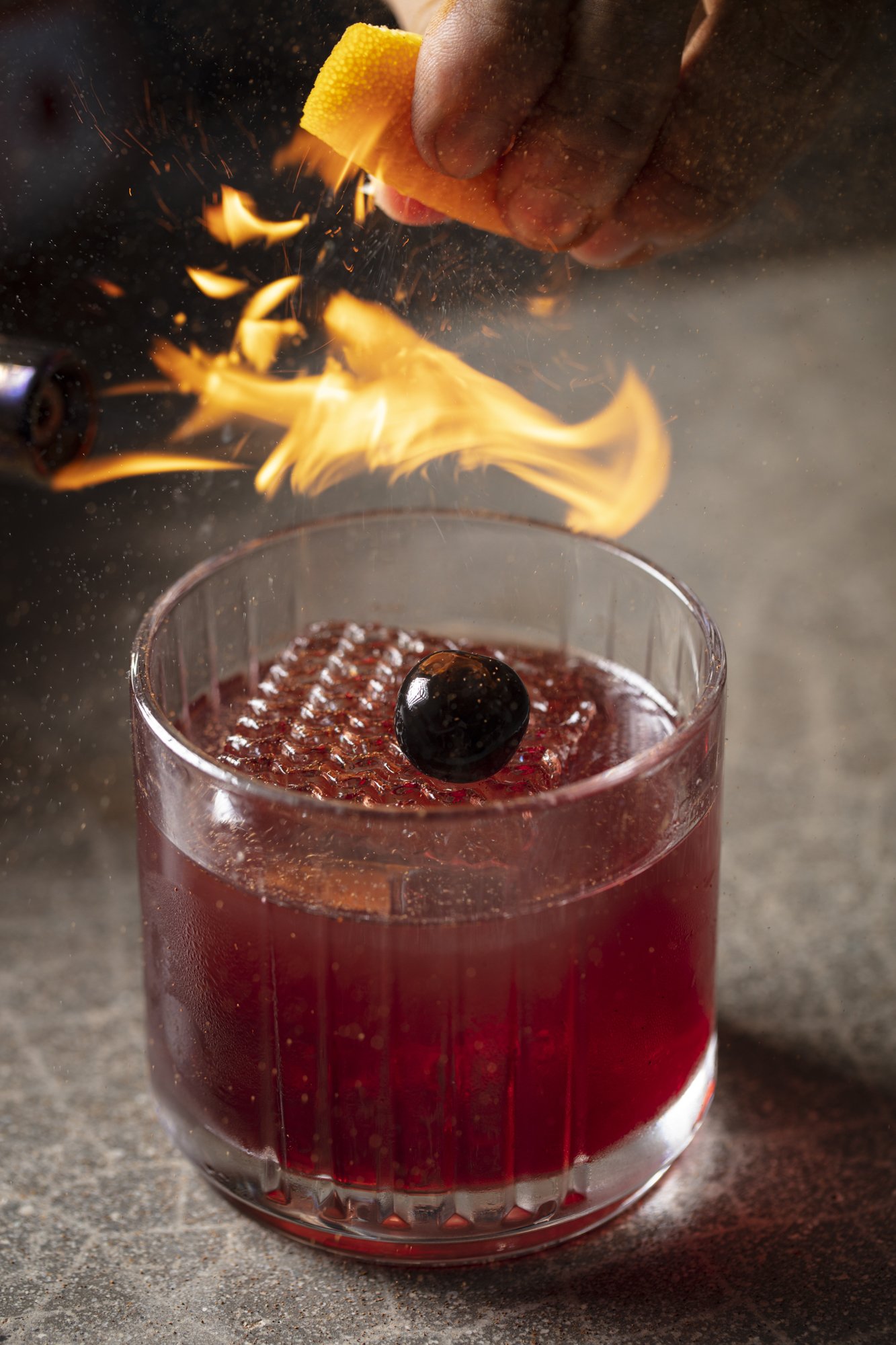
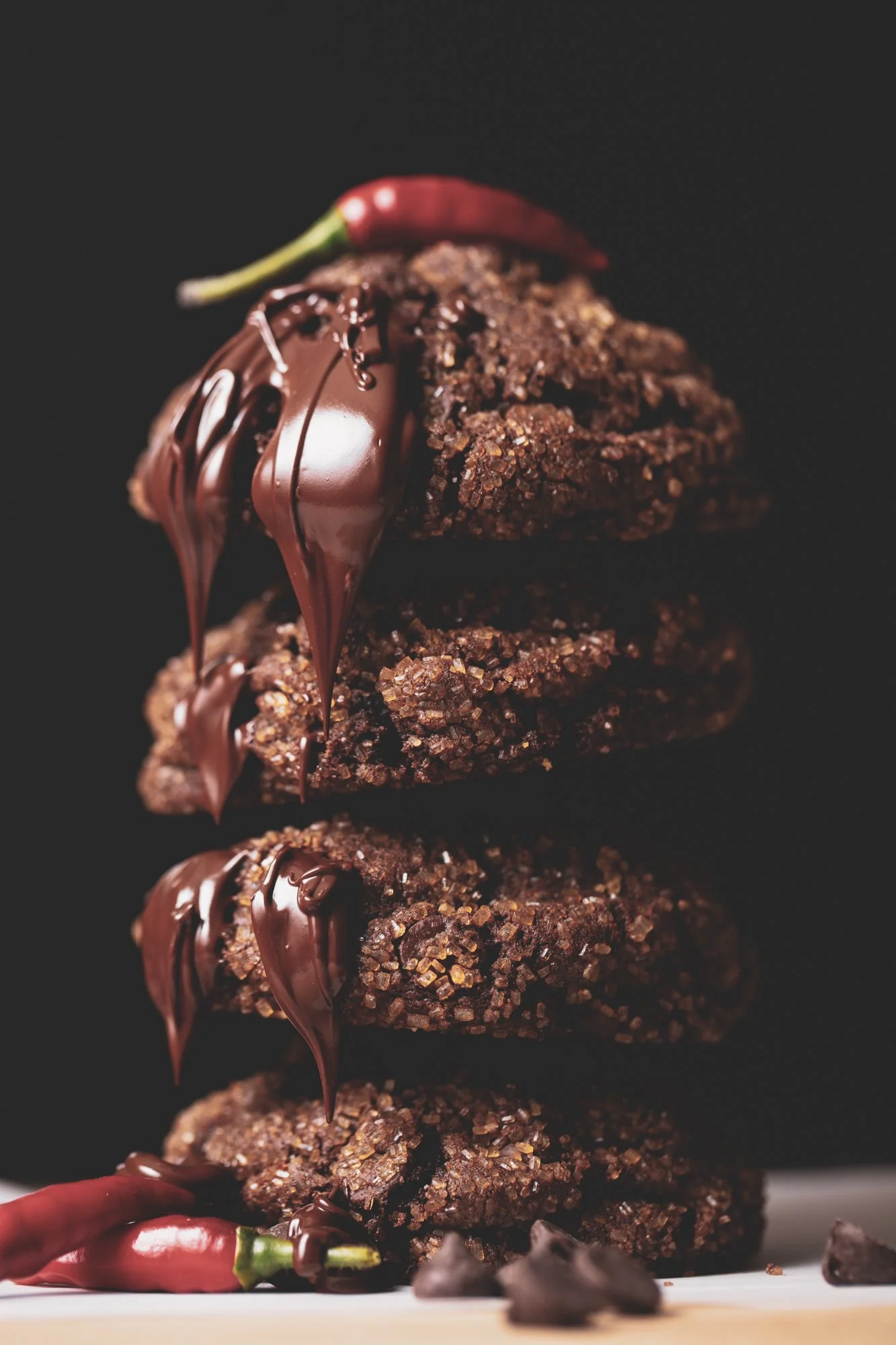
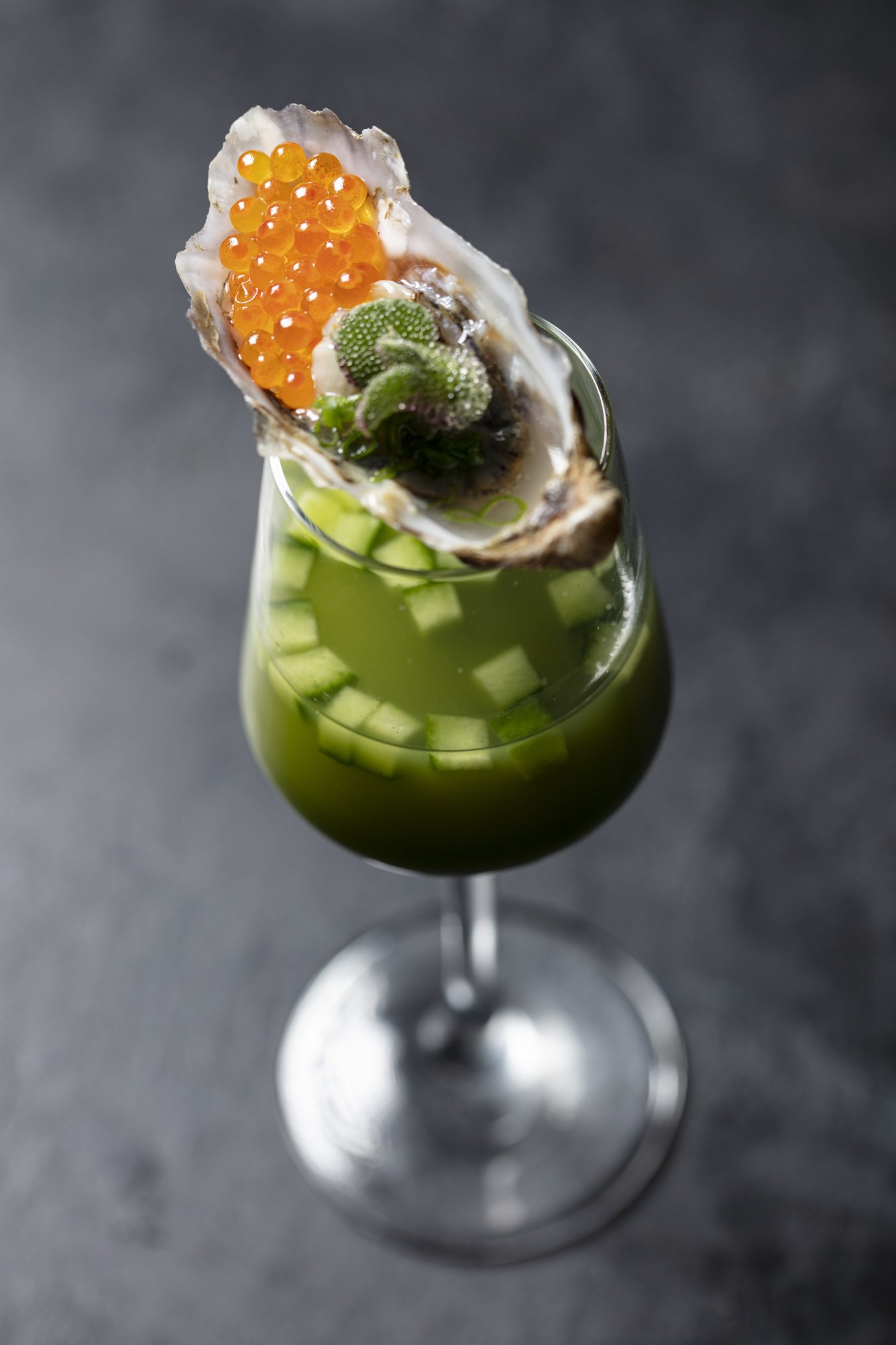
Social media shots are where I get to play — bold, scroll-stopping images made to stand out in a crowded feed. Think unexpected angles, dramatic light, motion, texture, and a little bit of chaos: sauce mid-pour, steam curling off a dish, crumbs flying, colour popping hard. These aren't your standard menu images; they're designed to spark curiosity, start cravings, and make people pause long enough to hit like, save, and share.
Food photography
Light. Style. Shoot.
Every kind of food photography.
All under one roof.
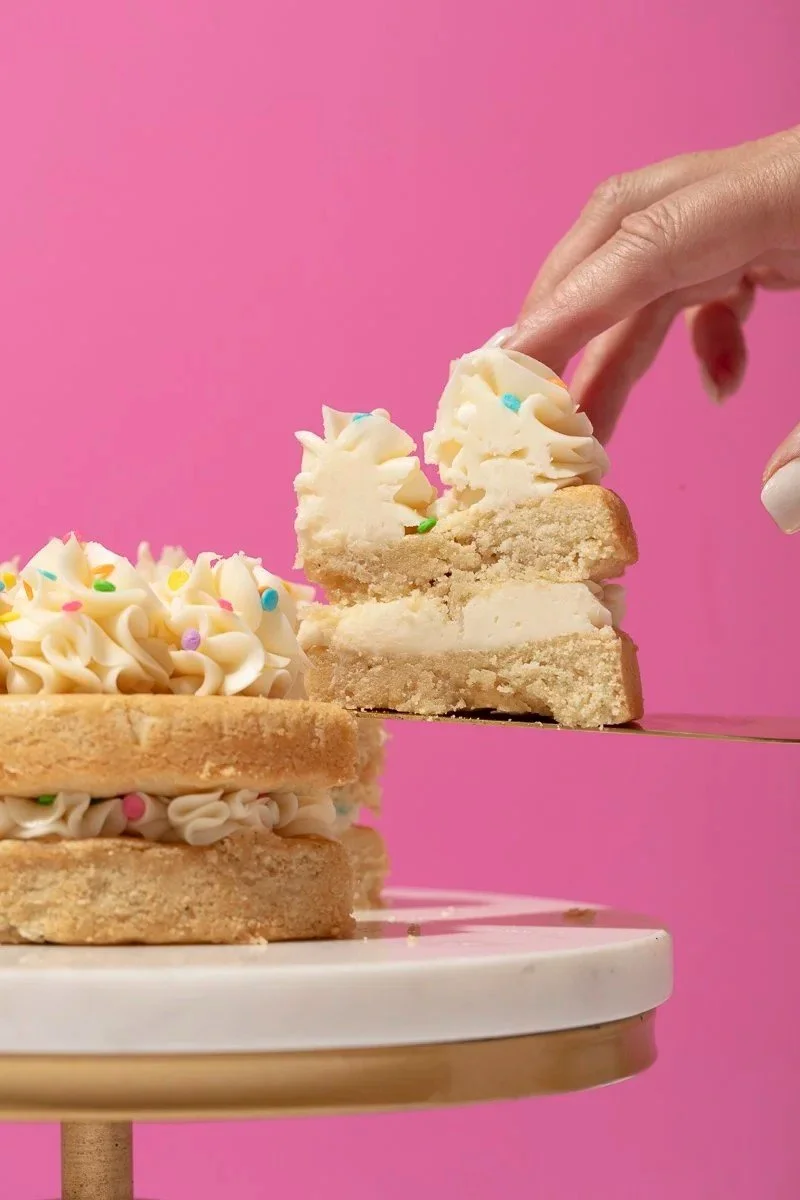
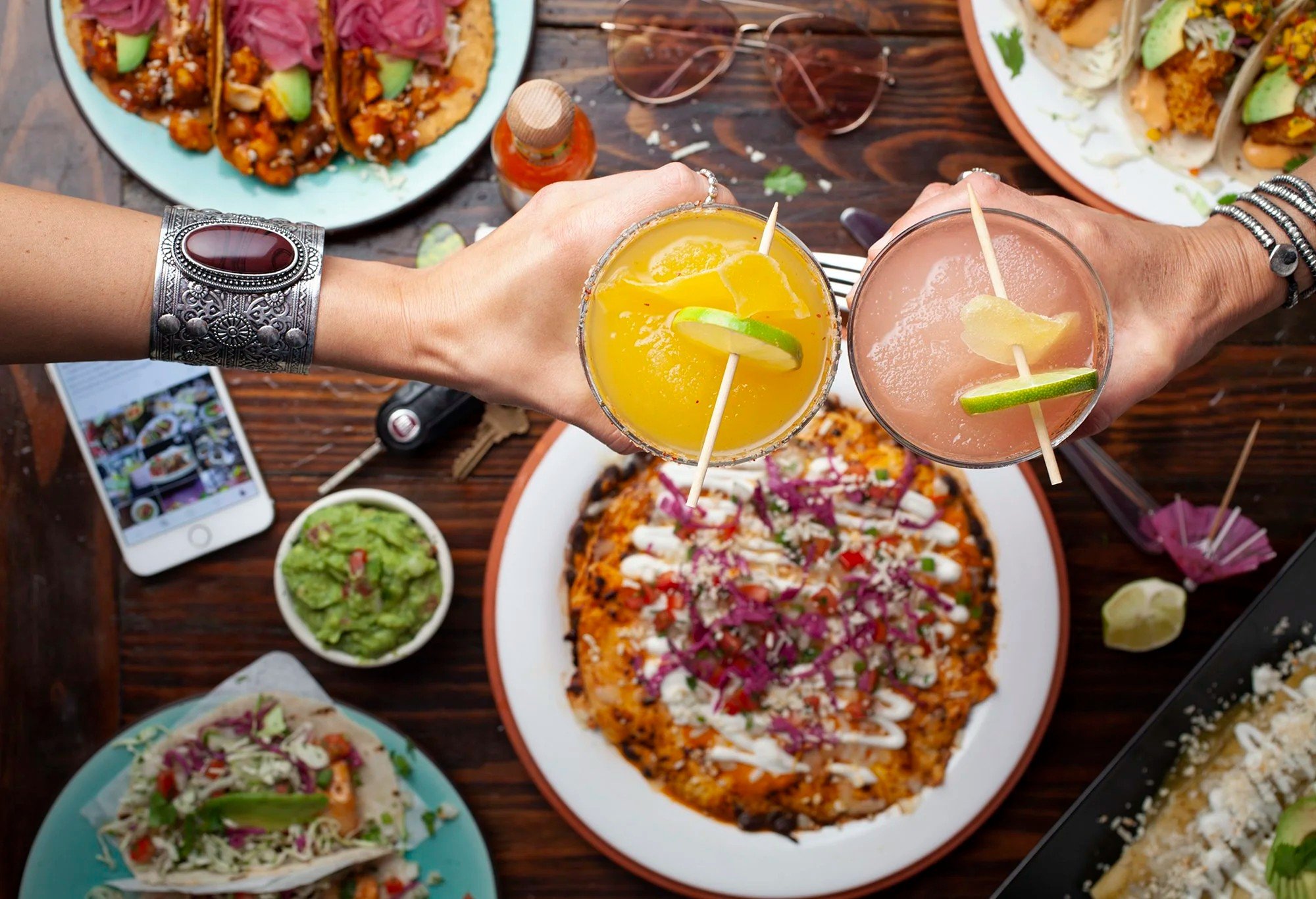

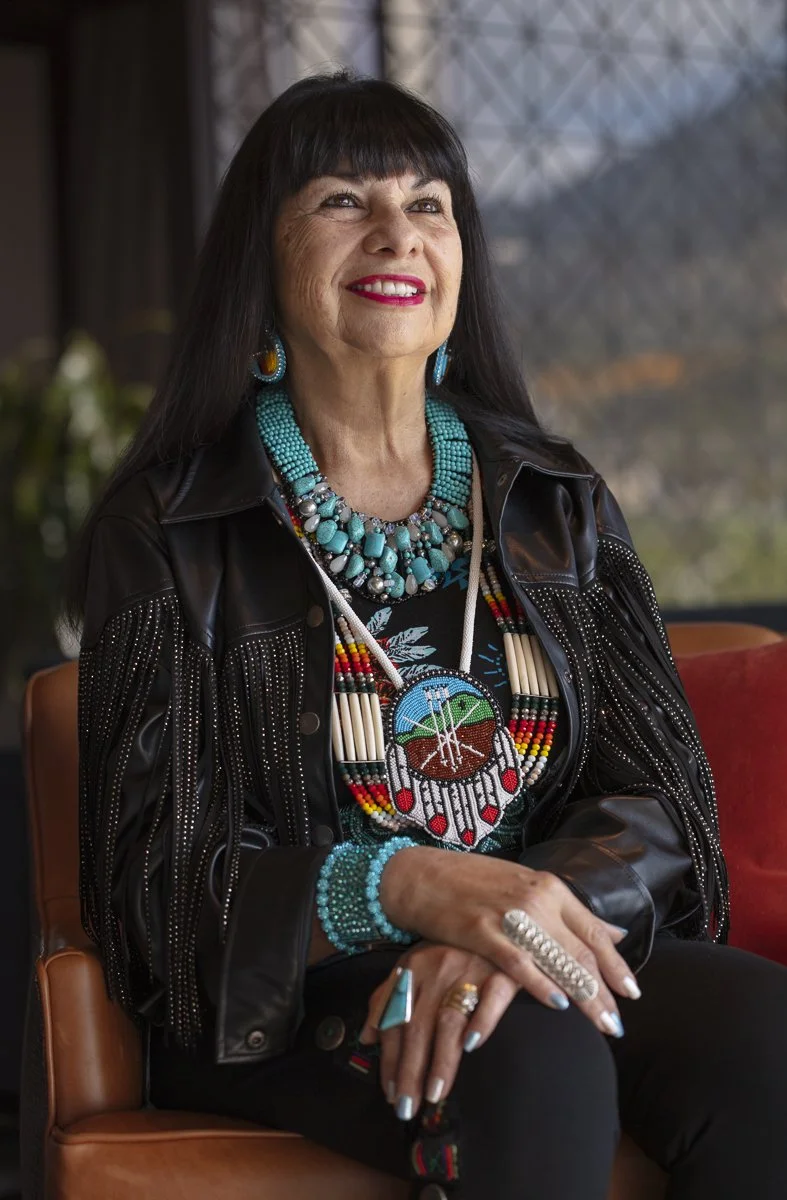
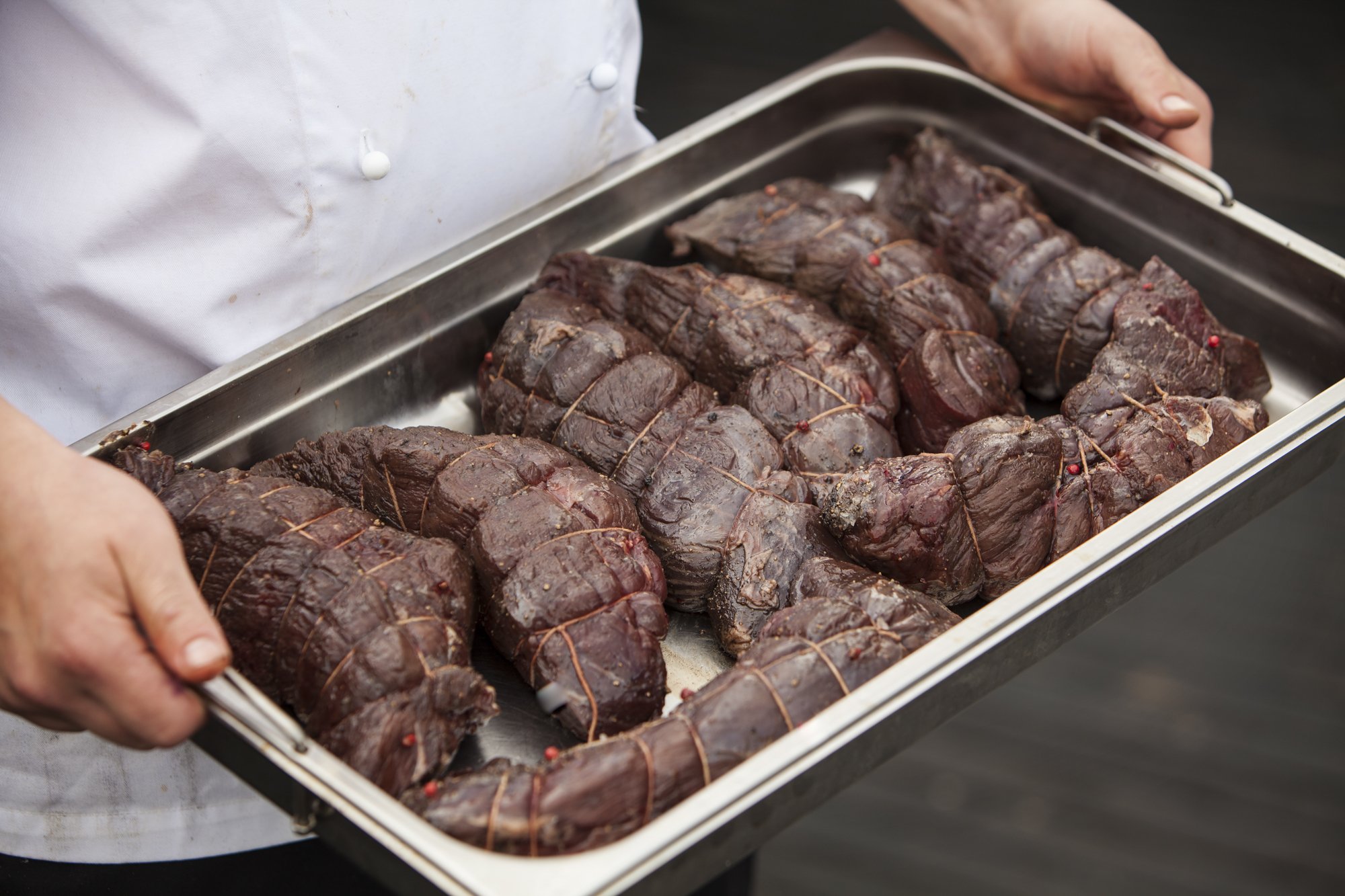
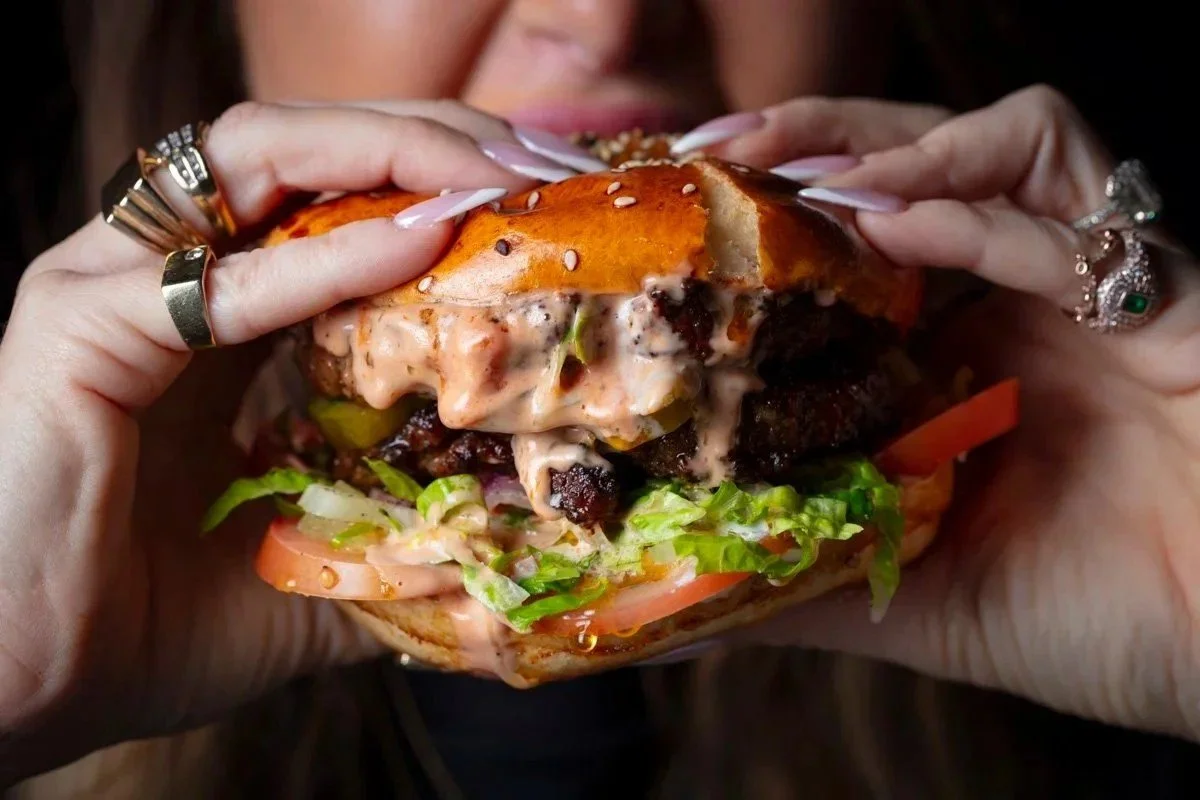
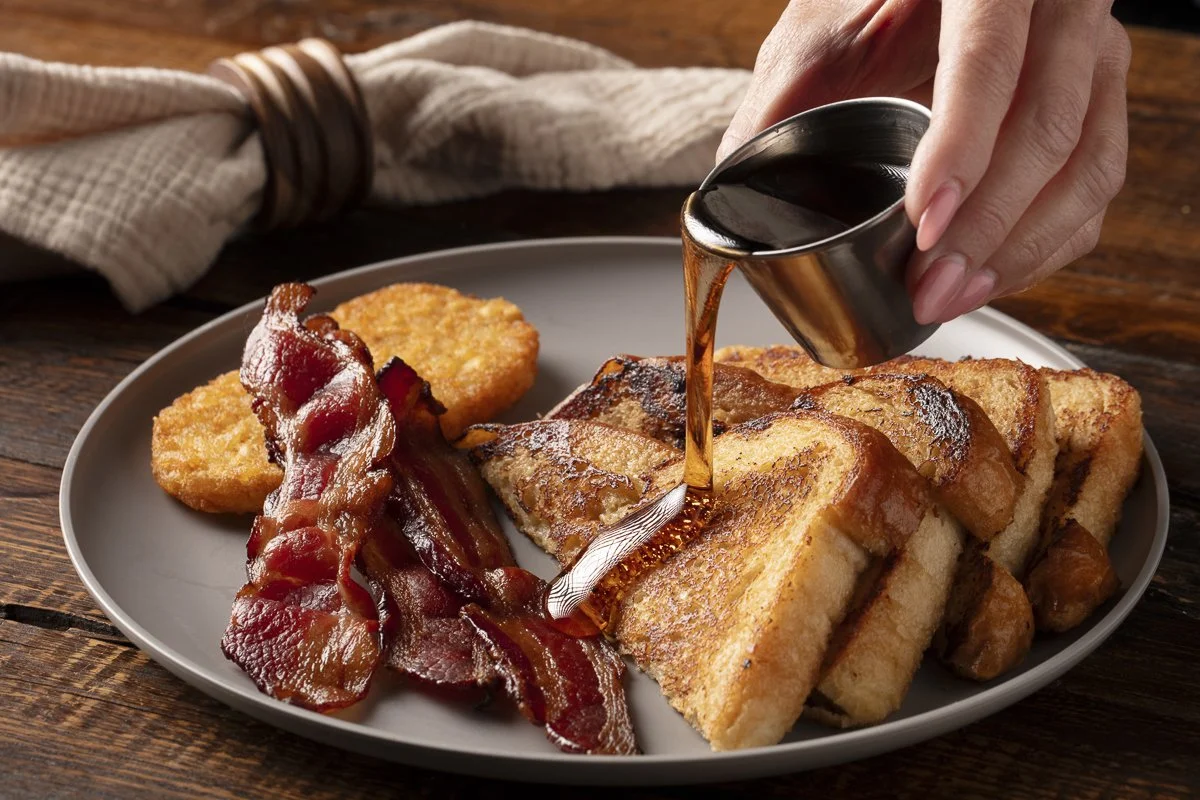
Styled on set. I style the food myself, so sauces, garnishes and textures look fresh and intentional in every frame.
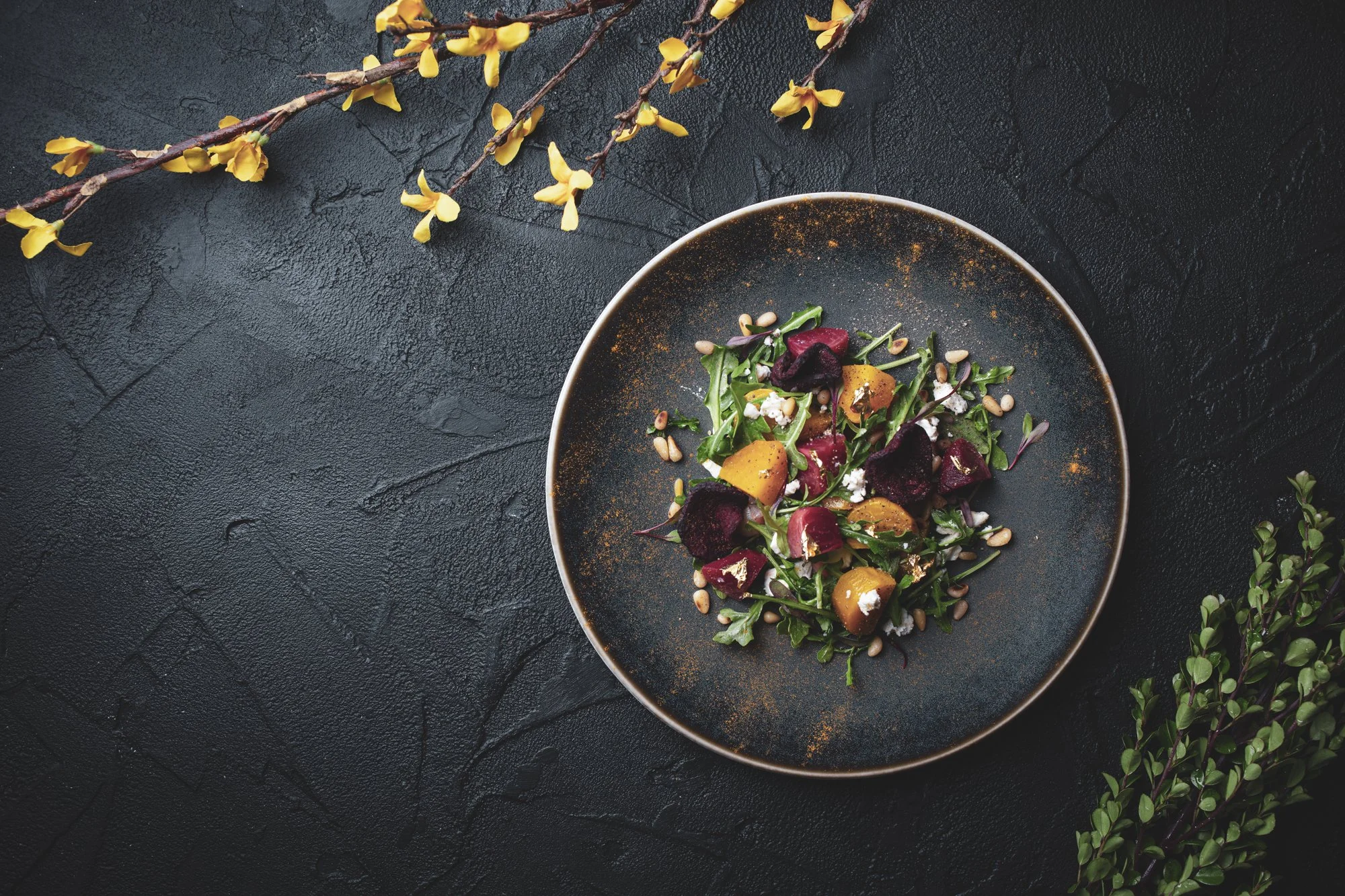
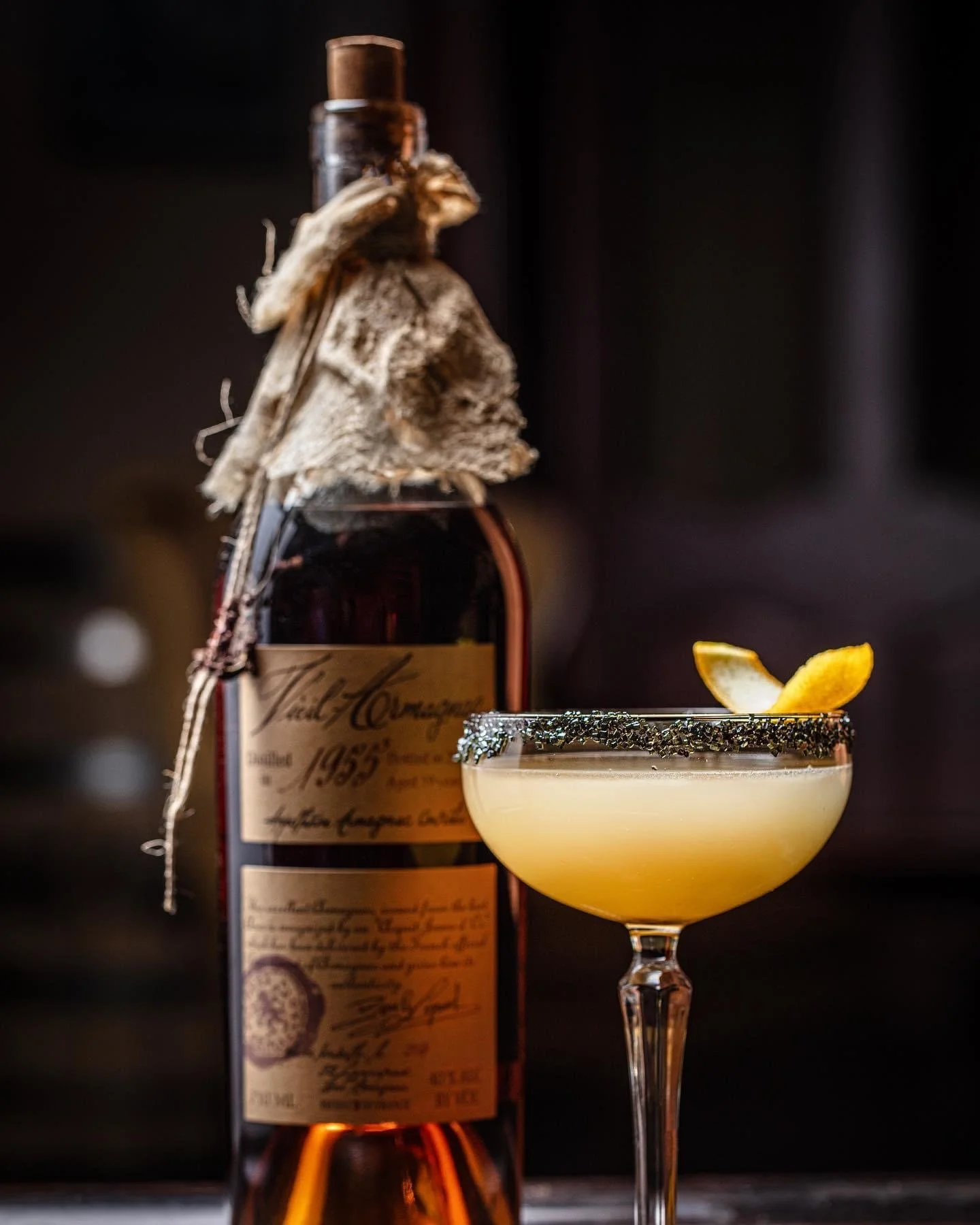
Light shaped for every dish. Soft light for salads, crisp light for crunch, backlight for steam and drinks. Each plate gets the light that shows it best.
Unlimited images. Flat rates start at $495 with unlimited images from the shoot, delivered in three business days.
Taste it with your eyes.
People eat with their eyes first. Beautiful food photography gives them a reason to order, visit and share, long before the first bite.
How I shoot food
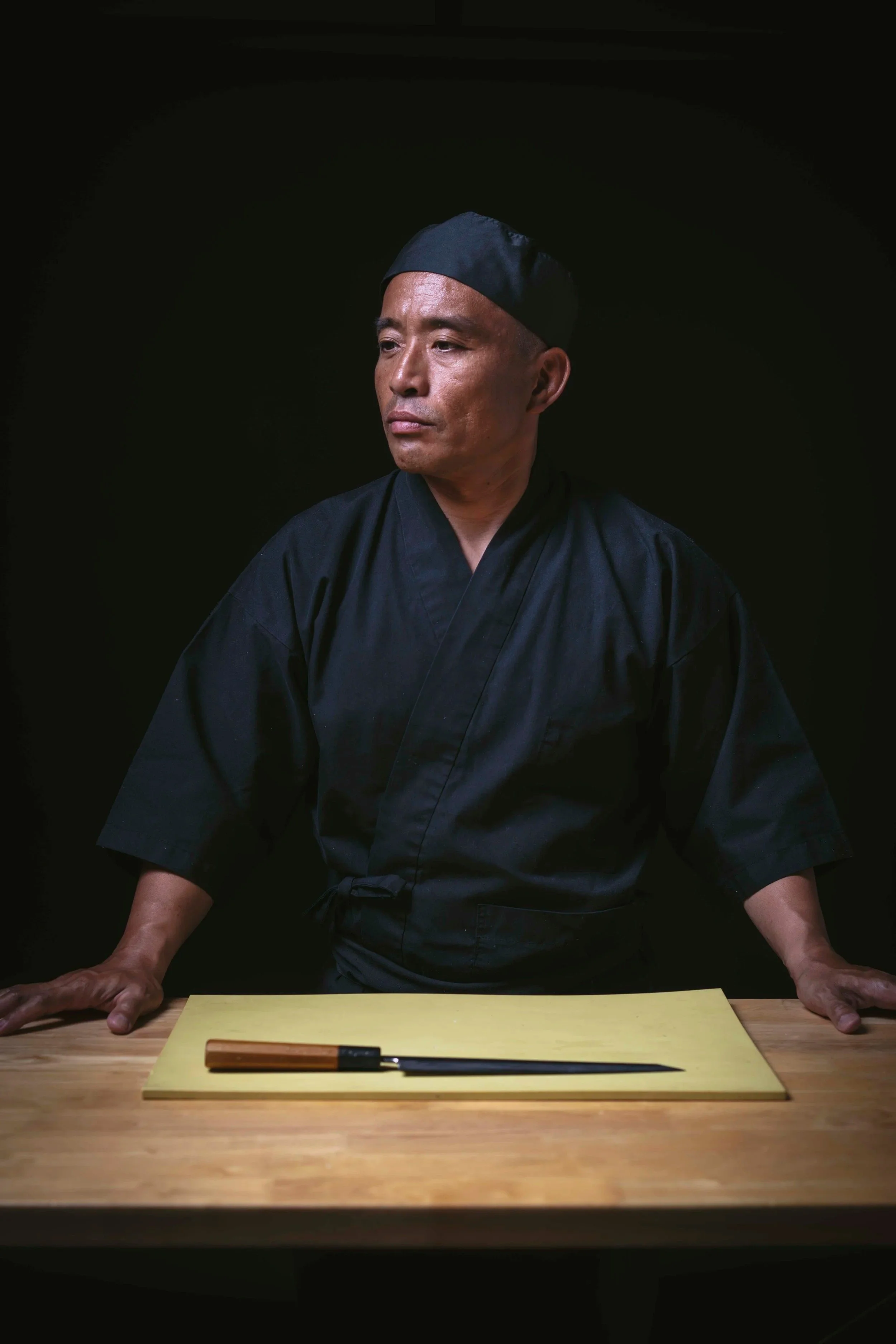
I'm Alan De Herrera. I've been a food photographer for twenty years, working out of Orange County and shooting across Los Angeles, San Diego and Riverside. This page is the practical version of what that involves — what I shoot, how a day runs, and what you end up with.
The short version: I light everything, I shoot on location in your kitchen or dining room, I work around service, and you get every usable image from the day.
Over those twenty years that's meant national campaigns for Coca-Cola, Disney, Universal, Tyson Foods, Bush’s Beans, Chipotle and Subway — and a great many single-location kitchens who get exactly the same lighting and the same attention.

Menu shots are portraits
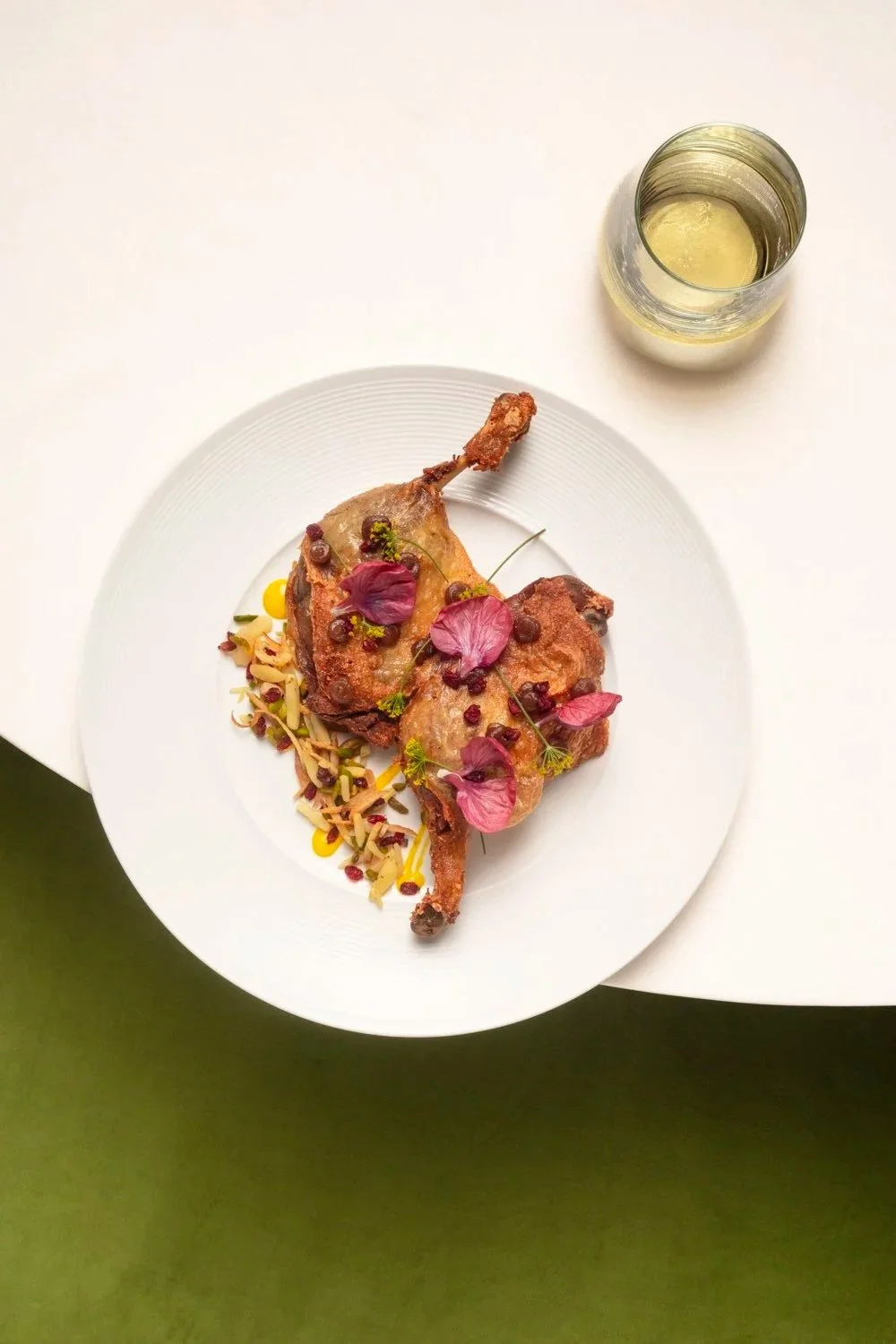
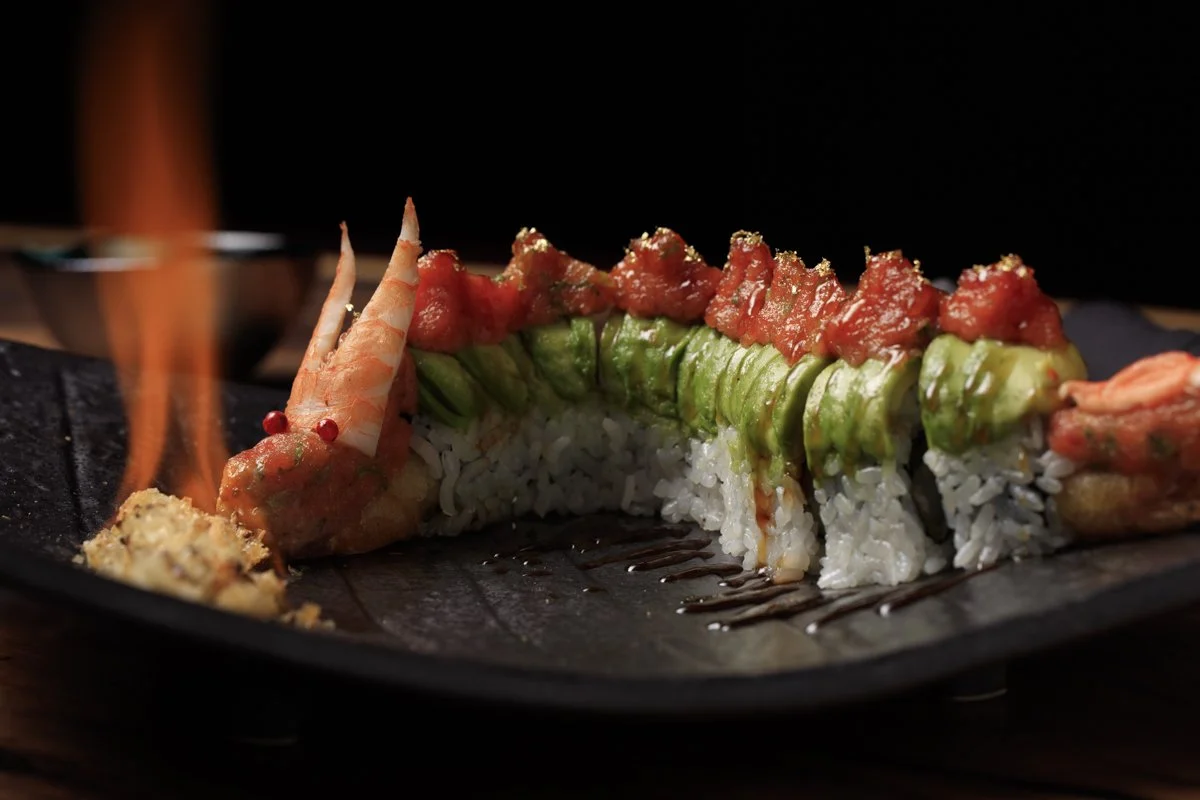
A menu shot has one job: make someone choose that dish. That means the plate is the subject, the background stays out of the way, and the light does the selling — steam, gloss, crumb, the wet edge of a sauce.
These are the images that go on your menu, your website, your ordering app and your digital boards, so they have to survive being shrunk to a two-inch tile and still read instantly. A beautiful wide scene doesn't do that. A tight, well-lit dish does.
-
Most restaurants want twenty to thirty menu images. I shoot each dish on the surface that suits it, usually two or three angles — a three-quarter hero, a flat overhead for grids and apps, and a close detail for social. That way one dish covers several placements instead of needing a reshoot when you change platform.
If the images are going to a delivery app, I also deliver a version clipped to white at the crop the platform asks for, with a real shadow left under the food so it doesn't look like a floating cut-out.
Why food looks wrong
A camera doesn't see what you see
Your eye corrects for colour, adjusts for brightness, and ignores the ugly reflection in the glass. A camera does none of that. It records the fluorescent tube in the ceiling, the green bounce off the wall, and the fact that the sauce went matte forty seconds ago.
That gap is the entire job. Almost everything I do on a shoot is closing it — controlling where the light comes from, what it bounces off, what it reflects in, and how fast we work before the food stops looking like food.
Food styling
When a dish needs a stylist, and when it doesn't
Food styling gets talked about as though it's either essential or a scam. It's neither. It's a tool, and some dishes need it badly while others don't need it at all.
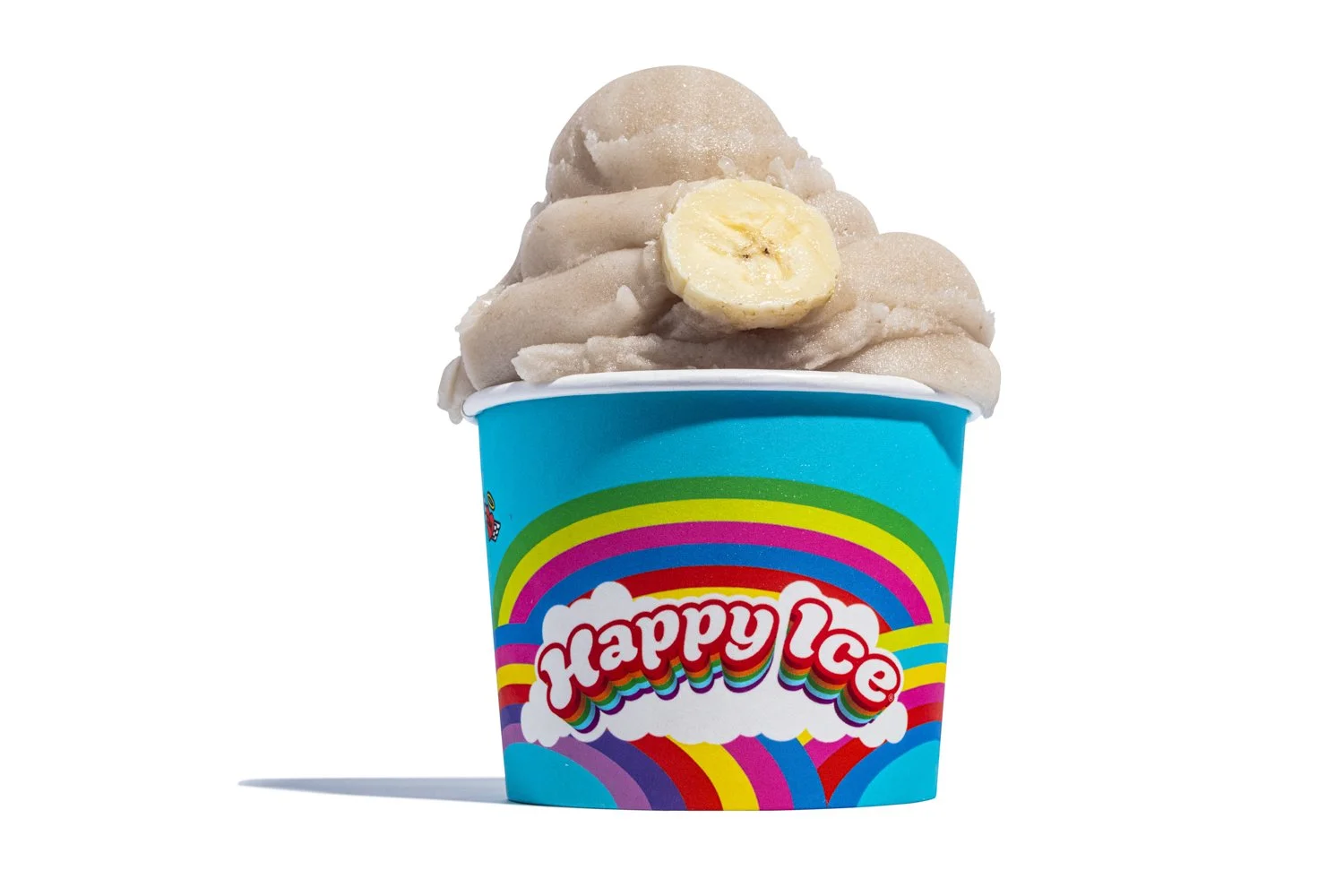
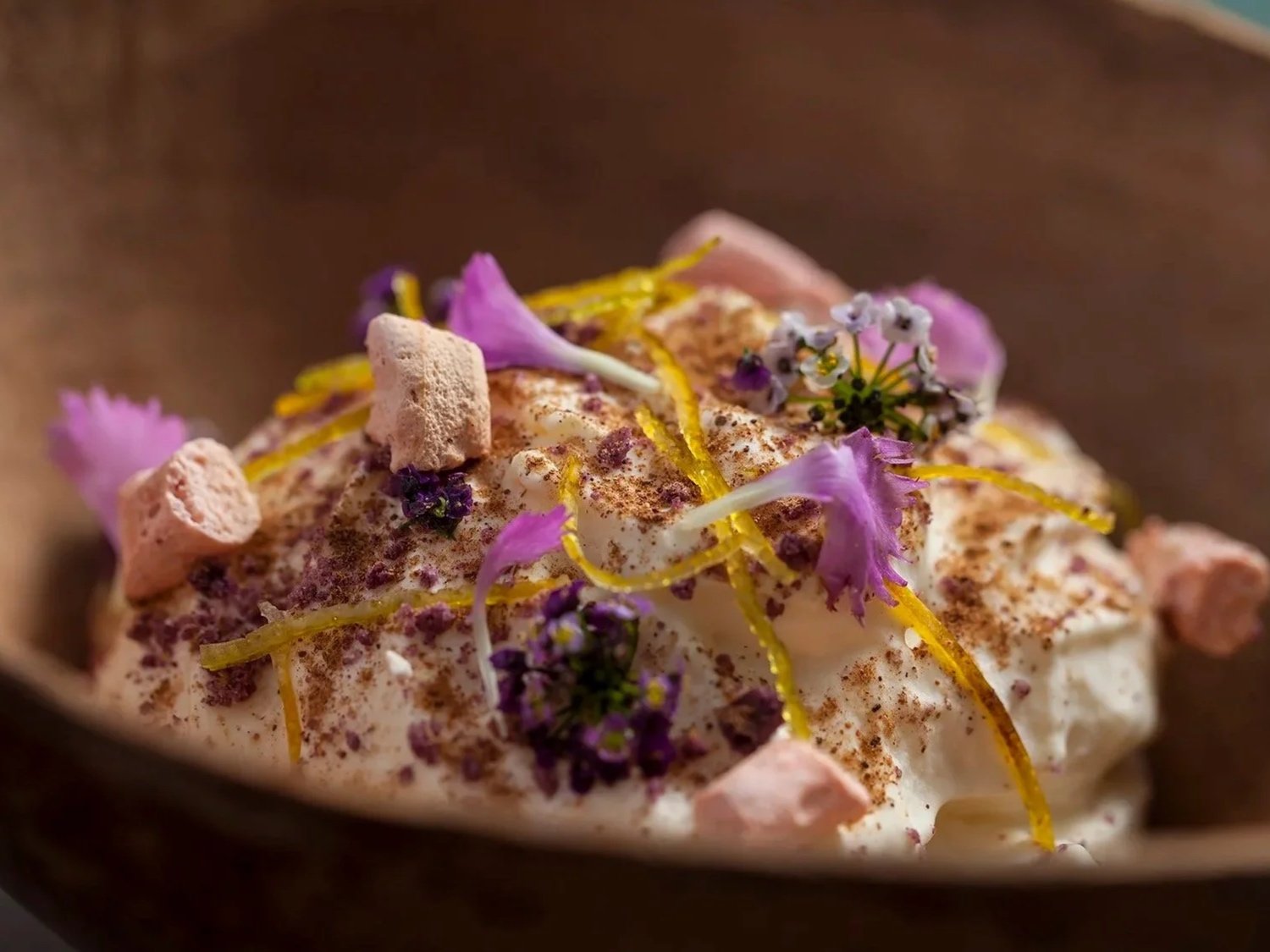
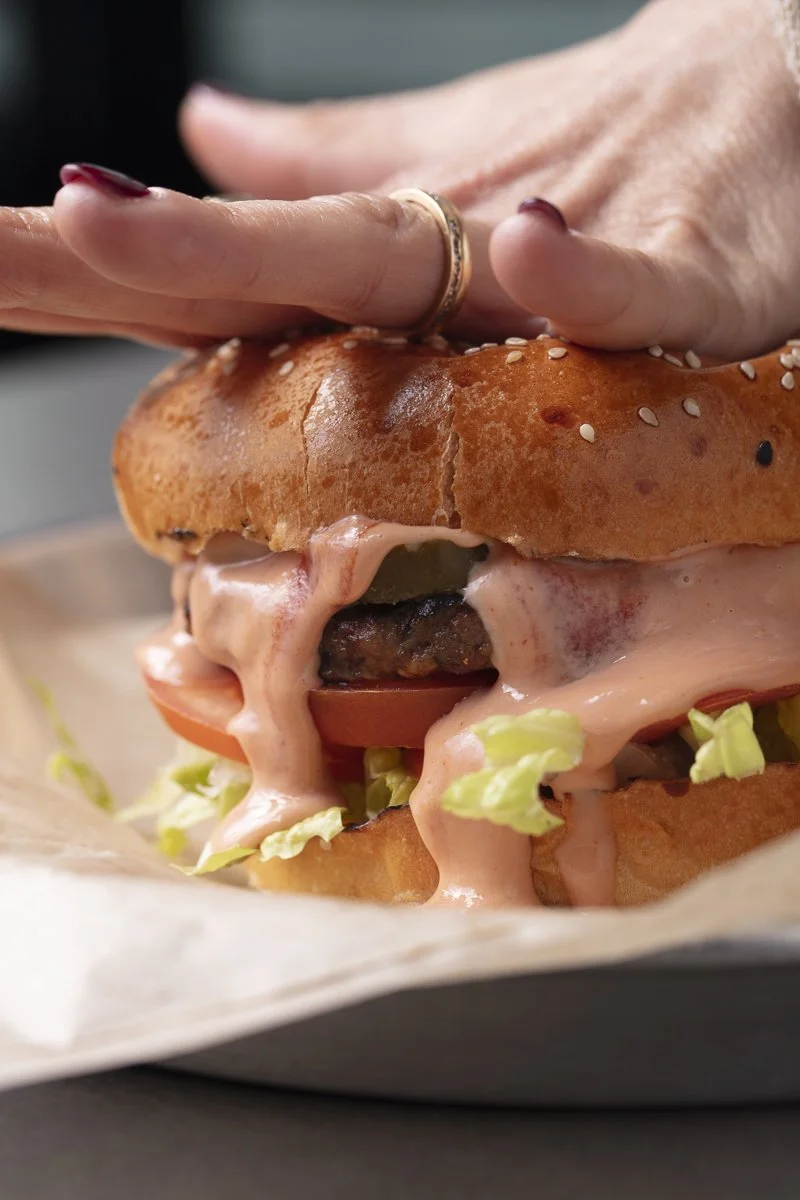
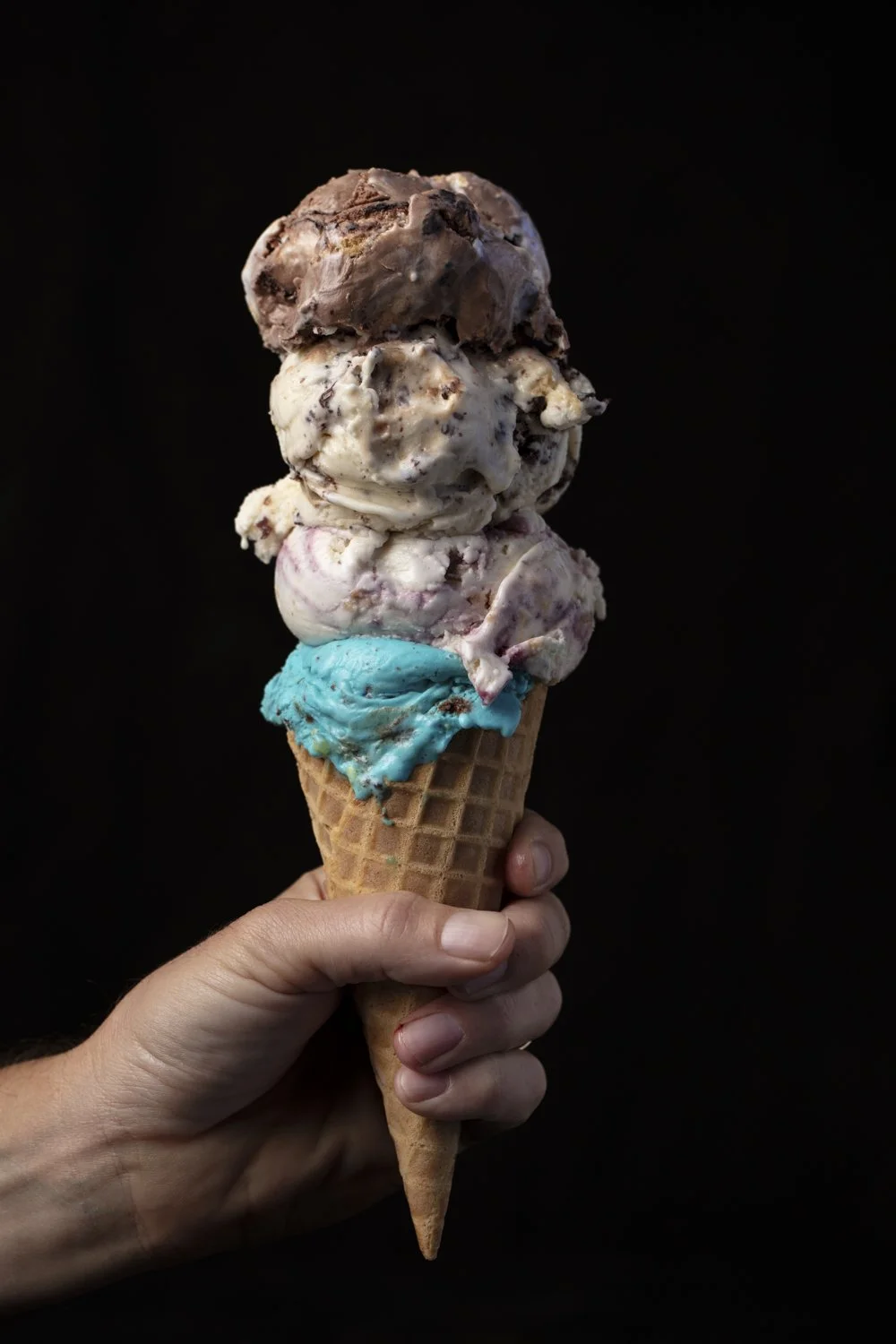
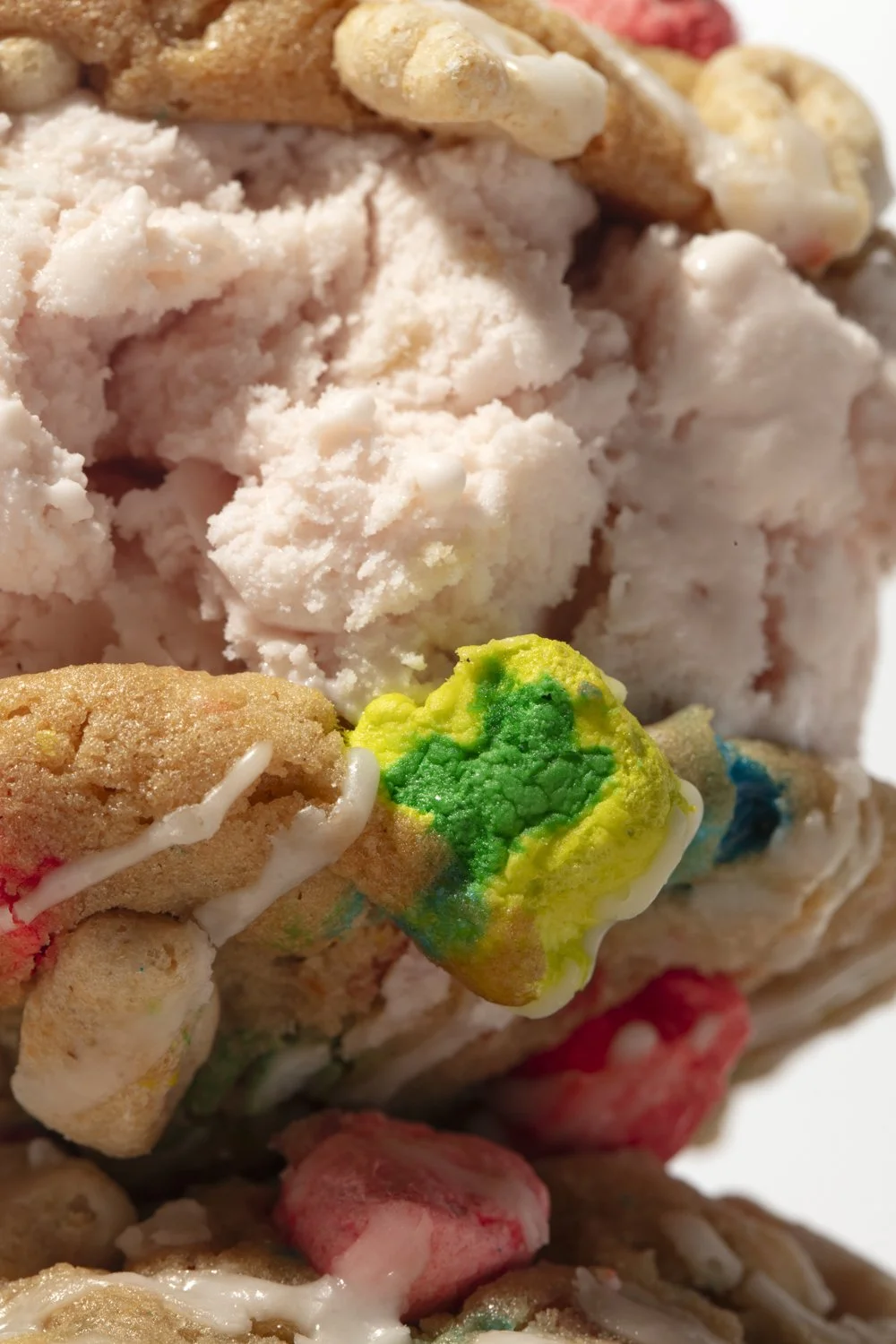
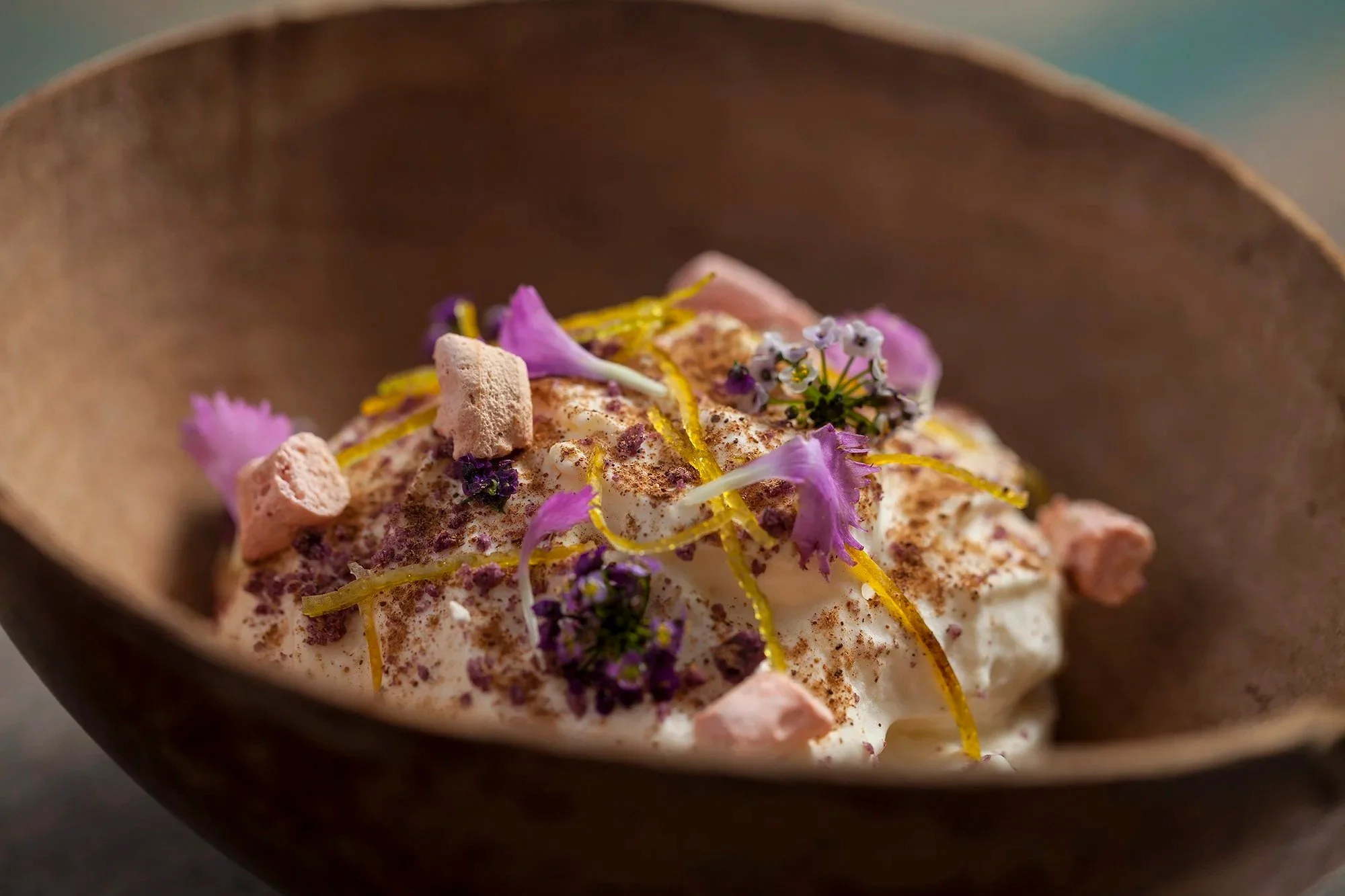
The ones that need it: ice cream, gelato, anything frozen. Melting cheese. Foam and crema. A hero burger that has to hold its shape for three hours. Anything where the photogenic version and the edible version are genuinely different objects.
The ones that don't: most plated restaurant food, shot fresh, with your own kitchen plating it and me directing. Your chefs already know how the dish should look. They just need someone telling them which side faces the camera and how high to build it.
-
When a stylist is on set, the work is mostly invisible: proteins cooked a little under so they don't shrink and grey, grill marks placed deliberately, a light brush of oil so a surface catches the highlight, tweezers for the garnish that has to sit exactly there, a spray bottle for the condensation on a cold glass.
Styling is quoted separately and only when the shot list calls for it. I'll go through your dishes with you before we book and tell you honestly which ones need it. I'd rather you spent that money on an extra half day of shooting if the food doesn't need the help.
Editing
After the shoot
Every image you get has been graded, not just exported. That means colour corrected so the red of your sauce is the red of your sauce, contrast placed where it flatters the texture, and anything distracting cleaned out of the frame.
Where you need a product clipped to white — delivery apps, catalogues, print — I cut it properly and keep a real shadow under the food, because a dish floating on pure white looks like a stock photo and people scroll past it.
-
Retouching is deliberately restrained. I'll remove a stray crumb, a fingerprint on a glass, a chip in a plate. I won't rebuild a dish that wasn't there, and I won't smooth food into plastic. If a burger looks like it was rendered rather than cooked, nobody orders it.
Photos are delivered within three business days of the shoot, in web-ready and full-resolution versions, named so you can find things later.
The shoot day
What actually happens
We agree a shot list before the date — which dishes, in what order, for what use. That one document is the difference between a productive day and an expensive one.
On the day I arrive early and build one lighting set-up that will carry the whole list, so the twentieth dish looks like the first. Then it's a rhythm: plate comes out, we shoot it, plate goes back, next. A full day is usually thirty to forty-five dishes plus room and detail shots. A half day is fifteen to twenty.
You sit at a tethered monitor beside me and see every frame full size as it's made. If the garnish is wrong or the angle isn't flattering the dish, we fix it while the food is still in front of us. Nobody finds a problem two weeks later in a gallery.
-
Group the shot list by where the images will be used rather than by menu section — ordering app, website, social, print. It changes the crops and it changes the order we shoot in.
Think about surfaces too. Two or three backgrounds that match your room will carry an entire menu and keep the set looking like your restaurant rather than a studio. If you have a mood board or a competitor's page you like, send it. It's much faster to aim at a reference than to describe a feeling.
We work around service. Closing is almost never necessary.

One day, one lighting set-up
Also on the menu
Product, packaging and video
Not everything I shoot goes on a plate. I also shoot product and packaging photography — bottles, jars, boxes, full foodservice catalogues — which is a slower, more technical discipline built around reflections and consistency.
And most restaurant shoots now include video. Vertical reels, hero footage for a website, or full restaurant video production, shot in the same visit while the lights are already up and the food is already styled. It's the cheapest video you'll ever buy, because you're only paying for it once.
Booking
Rates, turnaround and where I work
Flat rates start at $495 and include unlimited images from the shoot — no per-image fees, no licensing tiers, no bill arriving later because you want a shot on a billboard instead of Instagram. Hourly is available for smaller or open-ended jobs. Photos are delivered within three business days. Video timelines depend on how much footage there is and how complex the edit is, usually about a week.
I work as a food photographer in Orange County, Los Angeles, San Diego and Riverside, and regularly in Corona, San Bernardino and Palm Springs. Send me your menu and roughly when you need the images, and I'll come back with a straight number.
— Alan De Herrera, Plate to Pixel
Food photography questions
-
My flat rates start at $495 and include unlimited images from the shoot, editing and delivery within three business days. Hourly rates are available for smaller jobs. The number moves based on how many dishes you need, whether we're shooting video in the same visit, and whether any of the dishes need a food stylist.
There are no per-image fees and no licensing tiers, so the price you agree is the price for the images forever, on any platform.
-
Look at the light in their portfolio before anything else. If every shot has the same soft grey shadow falling the same direction, that's a window, and it only works in one room at one time of day. Shaped highlights, real texture and dishes that clearly sit in a set-up are the sign someone is lighting rather than finding light.
Then ask the practical questions: do I get every image or is there a per-photo charge, how fast is delivery, can I use the images anywhere, and have you shot in a working kitchen during service. That last one separates people who photograph food from people who photograph restaurants.
-
Menu shots are tight and clean, built to sell one dish in a small space — menus, websites, ordering apps, digital boards. Lifestyle shots put the food back in the room: hands reaching, tables filling, the energy of the place, so a guest can picture themselves there. Social images are the loose, bold ones — unexpected angles, dramatic light, motion — made to stop a thumb.
Most restaurants need all three, and one shoot day can produce all three if the shot list says so up front.
-
At your restaurant, almost always. The food is freshest where it's cooked, your room gives the lifestyle images somewhere real to live, and your kitchen team can plate straight onto the set. I bring all the lighting with me, so a windowless back corner works as well as a bright dining room.
Studio makes sense for packaging and product work, or when we need total control of the background. Either way it's your call.
-
A half day is roughly four hours and covers fifteen to twenty dishes. A full day is seven to eight hours and covers thirty to forty-five, plus room and detail shots. Video in the same visit adds time but far less than a separate day would.
The biggest variable isn't the camera work, it's how fast the kitchen can plate. A shot list agreed in advance keeps that moving.
-
Pick the dishes first and put them in an order the kitchen can actually cook in. Make sure the ingredients you need are on hand in good condition — herbs that haven't wilted, produce that isn't the end of the case. Clear a table or a corner near the kitchen where I can build the set, ideally with a power outlet.
Pull together two or three surfaces or props that match your room, and send me anything visual you like the look of. Then let your best plater work the shoot. That's the whole preparation.
-
When a dish needs it, yes — I bring in a stylist and it's quoted separately so you only pay for it when it earns its place. Ice cream, melting cheese, foam and any hero item that has to hold for hours are the usual candidates.
For most plated restaurant menus your own kitchen team can plate for camera with me directing, which costs you nothing extra and usually looks more like your food.
-
Every usable frame from the shoot. There's no cap and no per-image charge, so a half day typically yields twenty-five to thirty-five finished images and a full day sixty or more, depending on how many angles each dish earns.
-
Within three business days of the shoot, fully edited and delivered in both web-ready and full-resolution versions.
-
Yes, anywhere. Menus, website, DoorDash and Uber Eats, social, print, paid advertising, packaging, billboards. No usage tiers, no renewal, no expiry.
-
I'm based in Orange County and shoot regularly across Los Angeles, San Diego and Riverside, plus Corona, San Bernardino and Palm Springs. I travel outside Southern California often, so ask if your project is further out.