Commercial Food & Product Photography
Commercial food photographer for food and drink brands: product, packaging and advertising photography in Orange County and Los Angeles.
Shelf ready.
Product photography that sells.
Packaged foods, drinks and consumer products, photographed clean and true to color for e-commerce, packaging, retail and advertising.
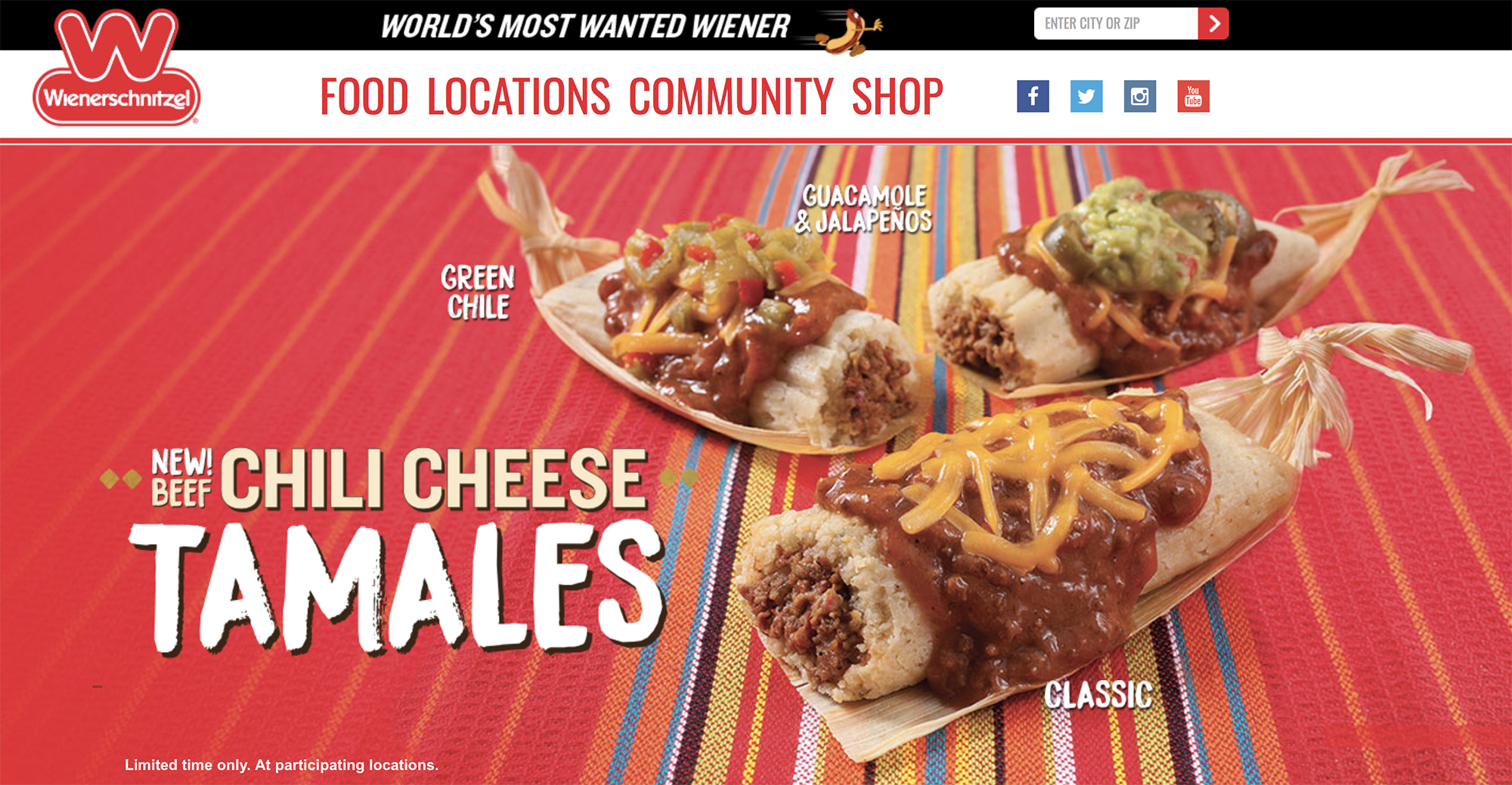


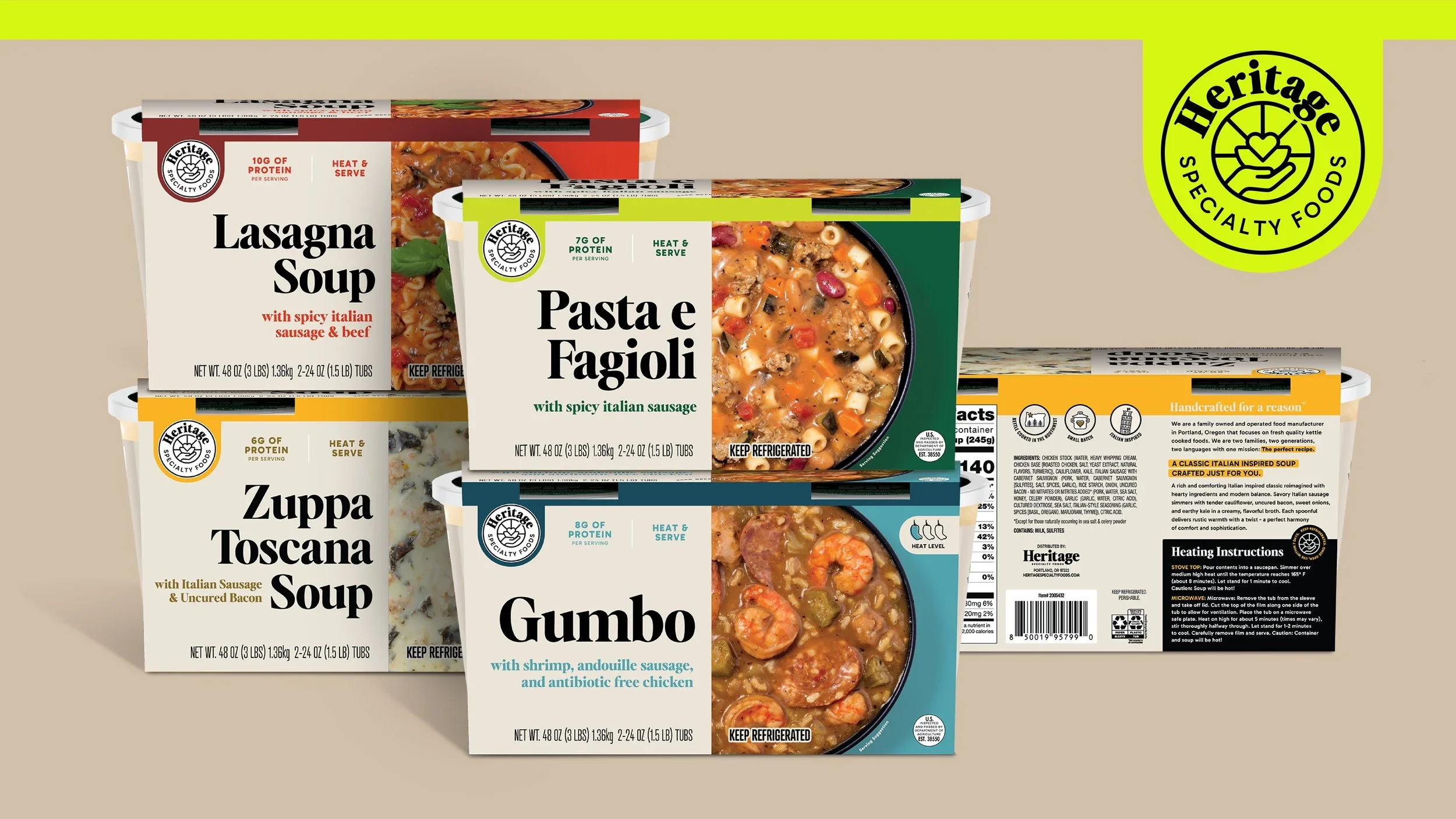
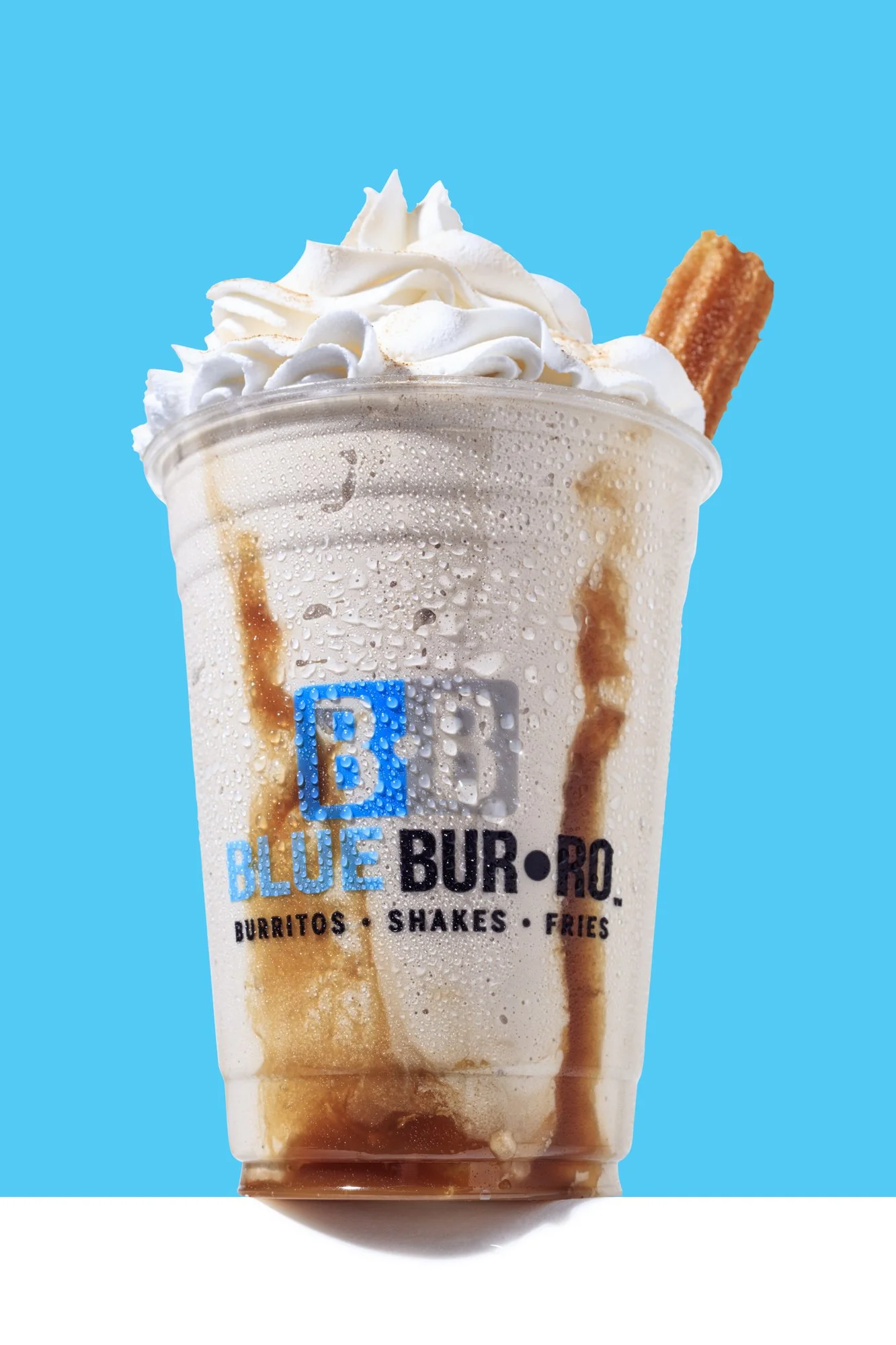
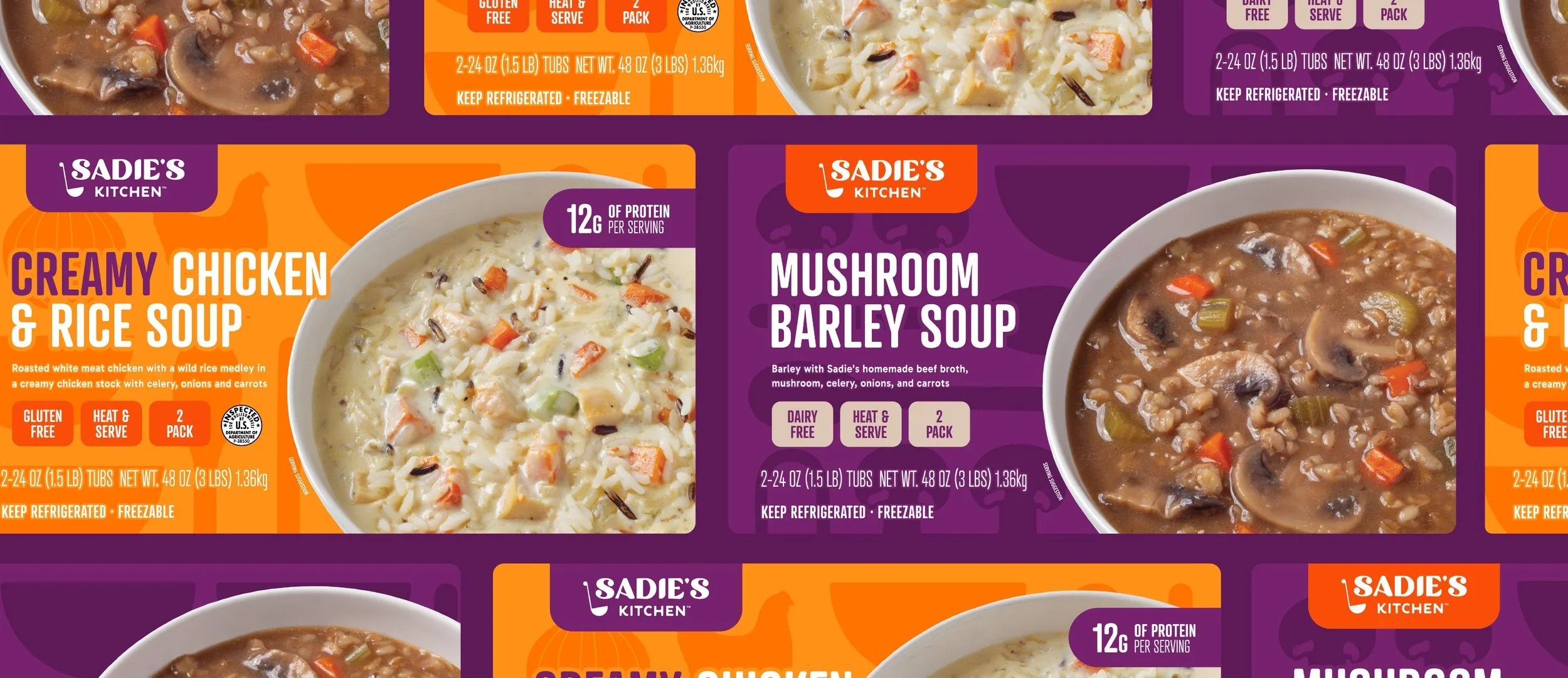
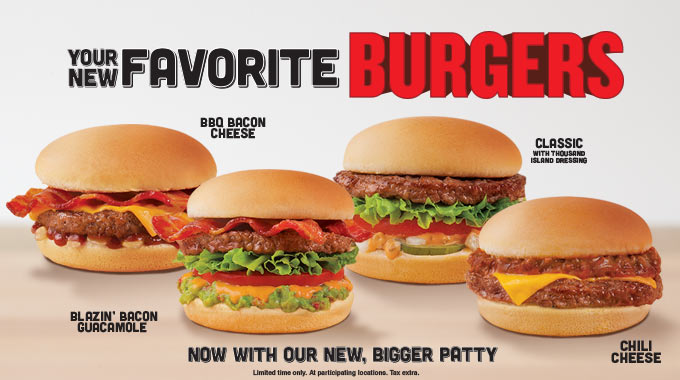


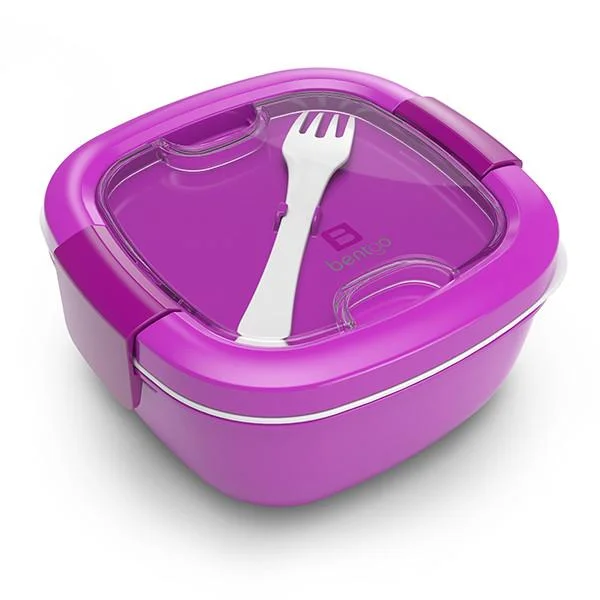


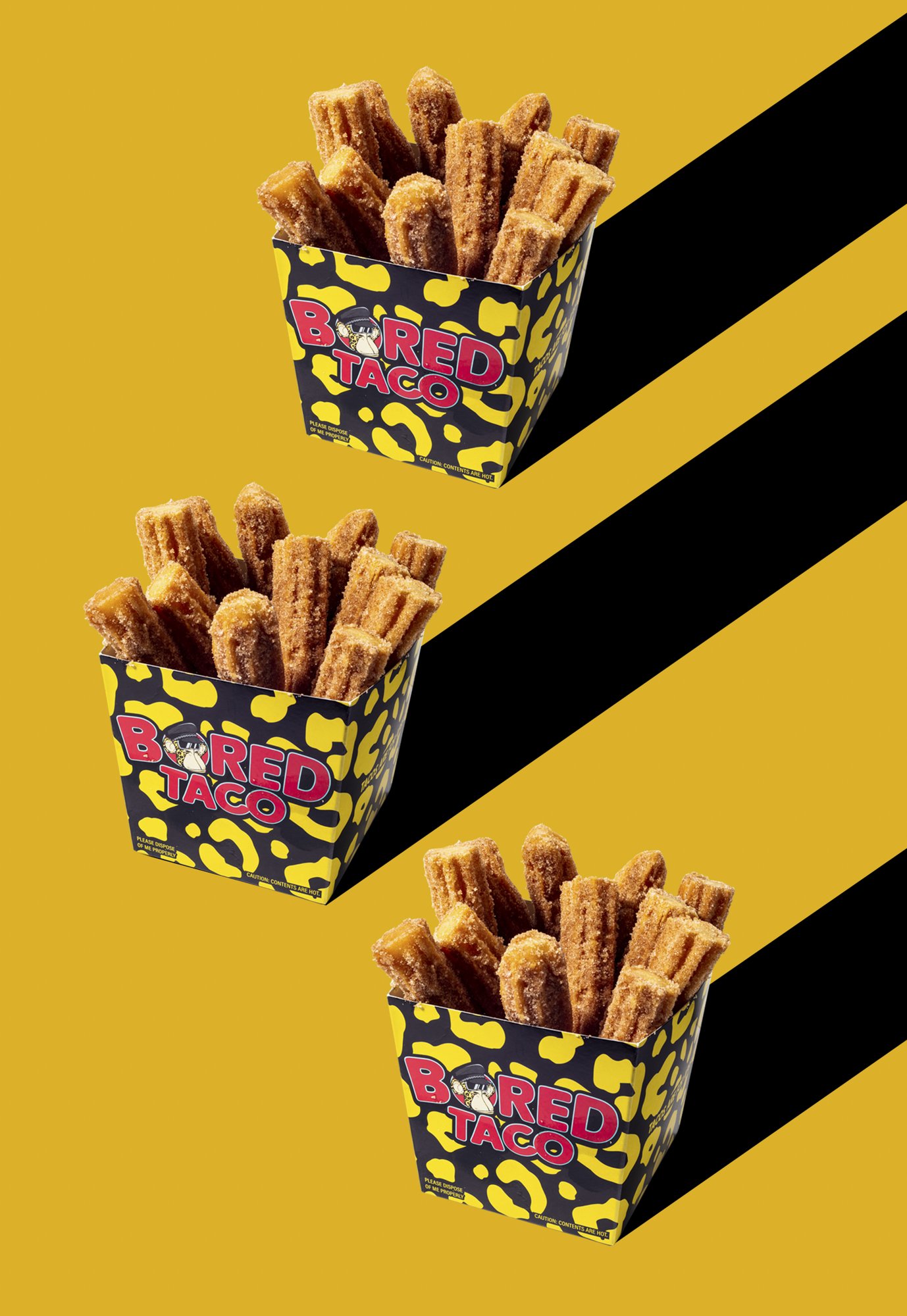

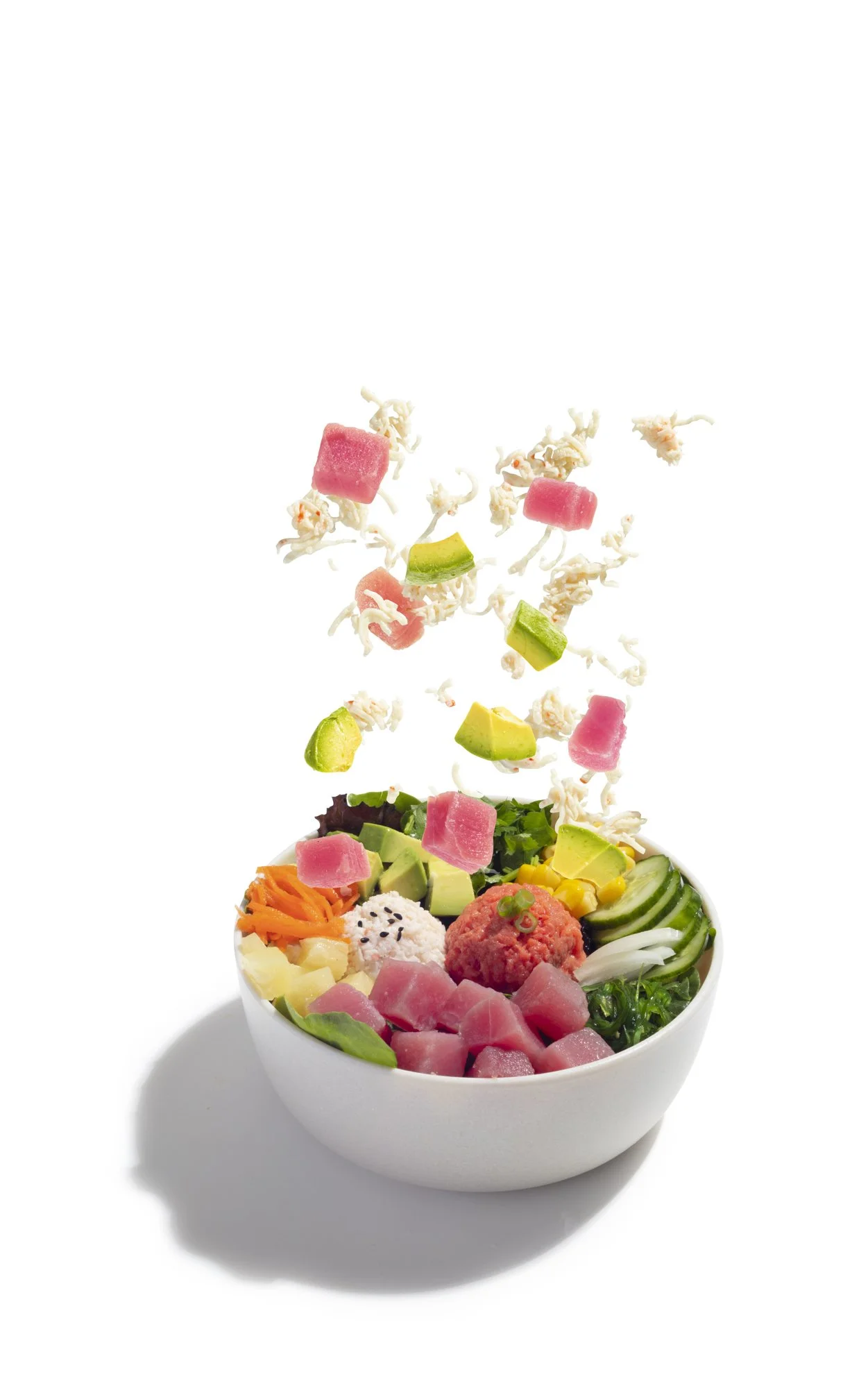








Product & packaging
Made to stand out on the shelf.
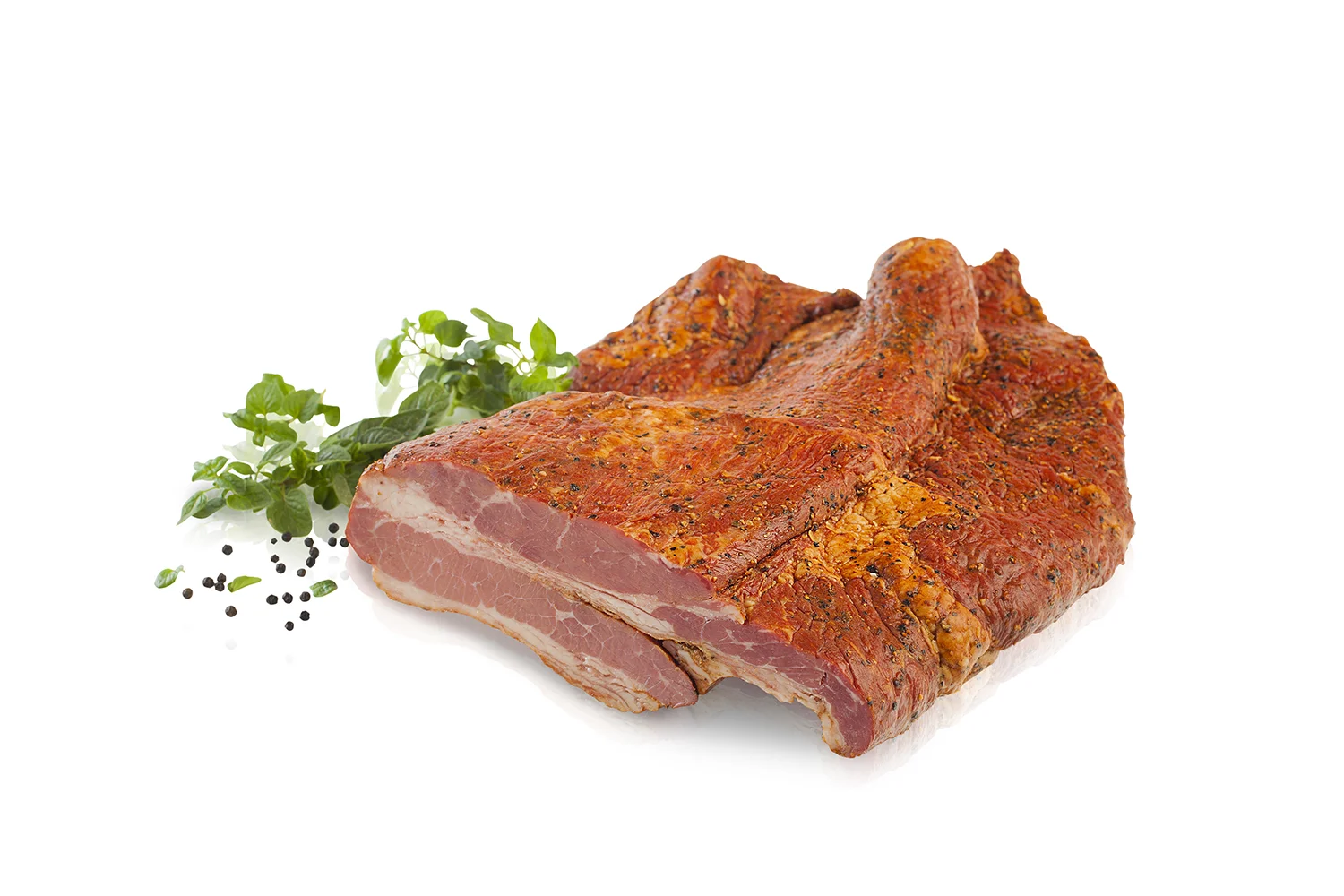
Clean and consistent. White-background and styled shots with consistent lighting, so your whole product line looks like one brand.
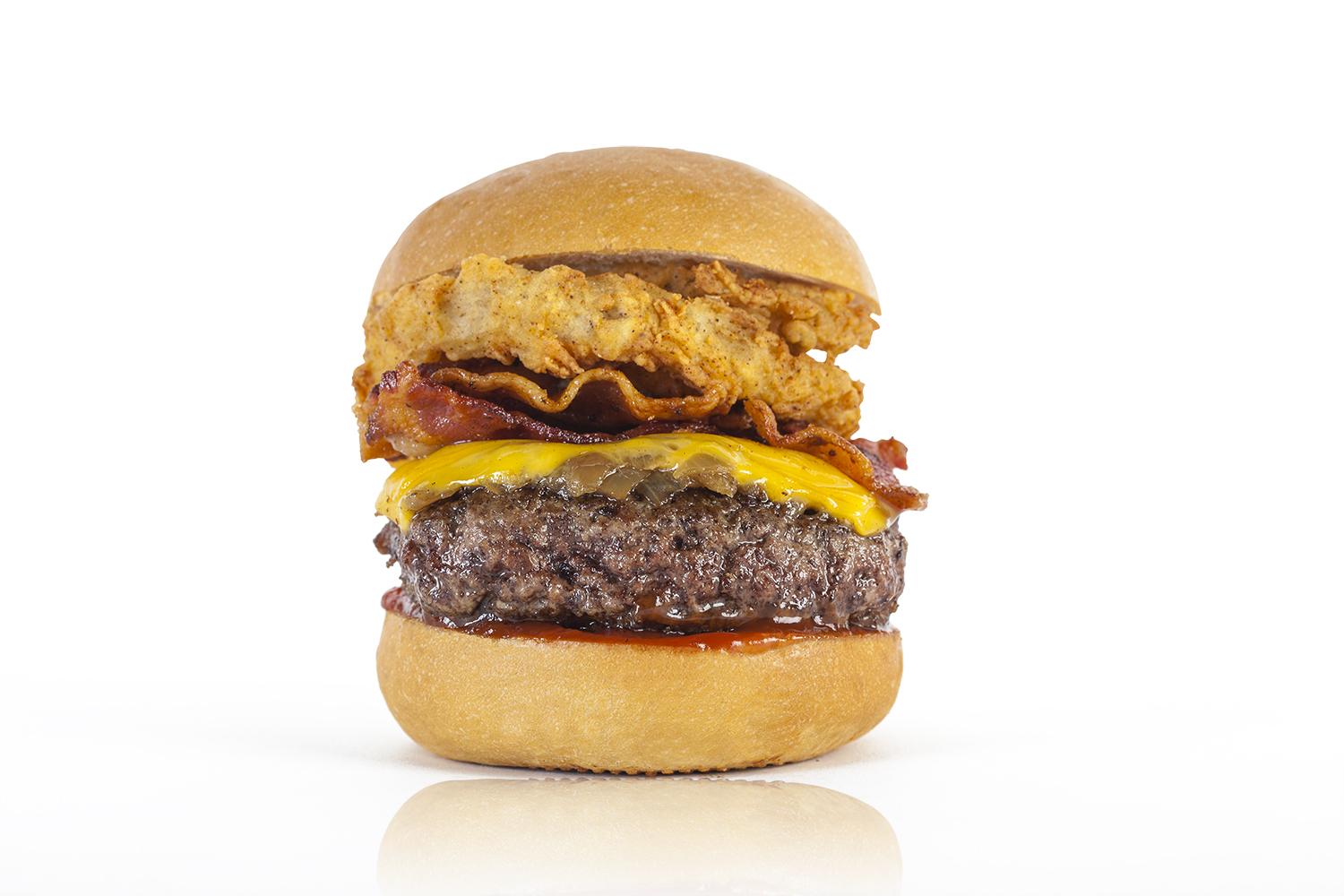
Styled with the food inside. The best packaging shots show what is in the box. I style the product next to the food so customers can almost taste it.
Ready for every channel. Amazon, your website, retail sell sheets and ads, delivered sized and ready, with unlimited images from the shoot.
Love at first click.
Online shoppers cannot pick up your product. Beautiful photos do the selling for you, from the first scroll to checkout.
Product and packaging photography
I'm Alan De Herrera. I’m a commercial food photographer, and alongside restaurant work I shoot product, packaging and food advertising photography out of Orange County — bottles, jars, boxes, tableware, and full catalogues for foodservice suppliers, across Los Angeles, San Diego and Riverside.
Product work is a different discipline from shooting a plate in a kitchen. It's slower, more technical, and almost entirely about controlling what the surface of your product reflects.
Packaged-goods clients have included Coca-Cola, Tyson Foods, Bush’s Beans and Pulmuone, alongside a lot of smaller brands getting their first proper catalogue shot. The lighting problem is the same either way — only the budget changes.
Commercial food photography covers more than packaging: menu boards for restaurant chains, food advertising photography for campaigns, and product images for foodservice catalogues. If you need a commercial food photographer for a restaurant group, see restaurant photography; for video, see restaurant video production; for rates, see pricing.
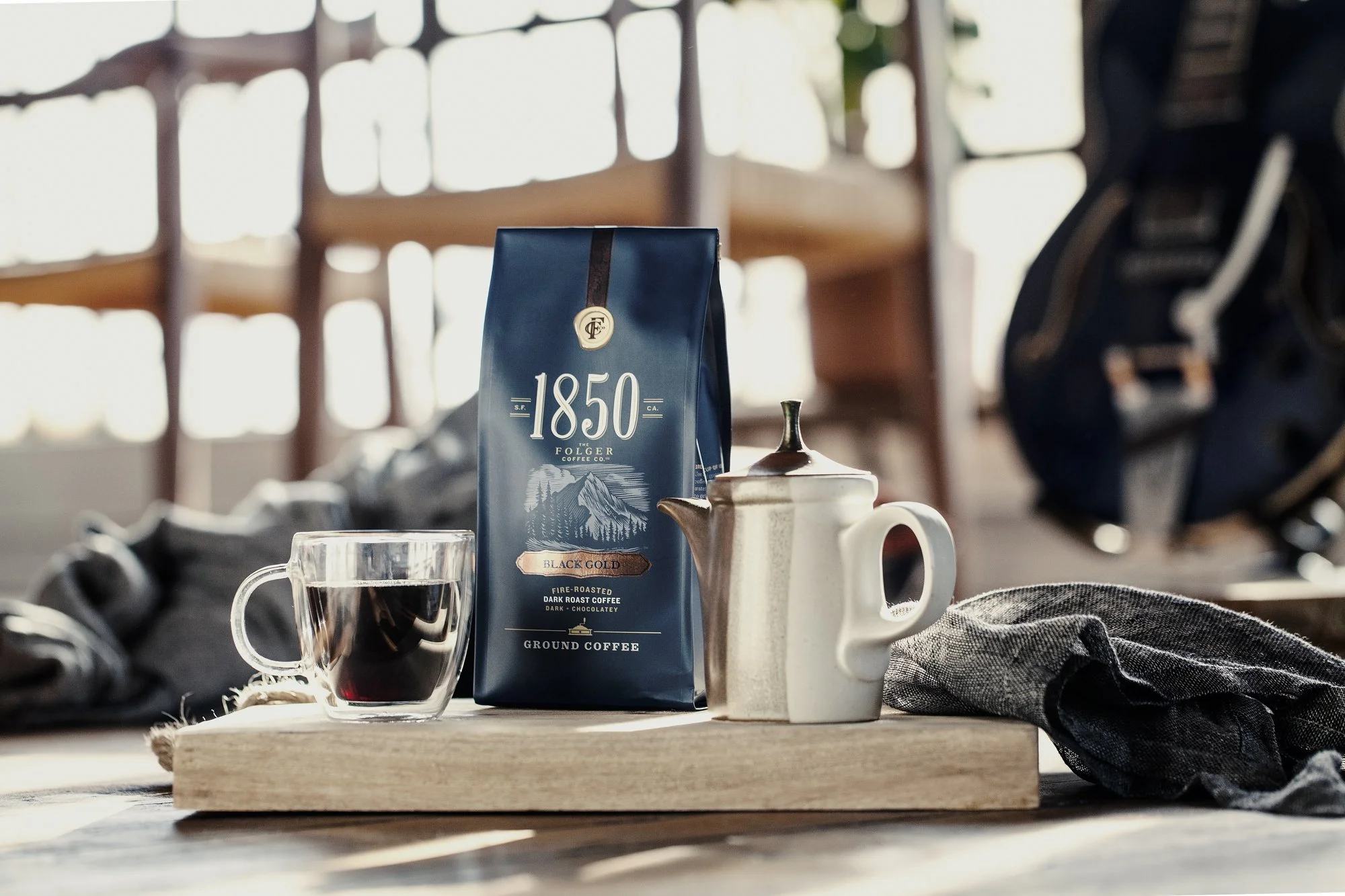
Product lifestyle, Los Angeles
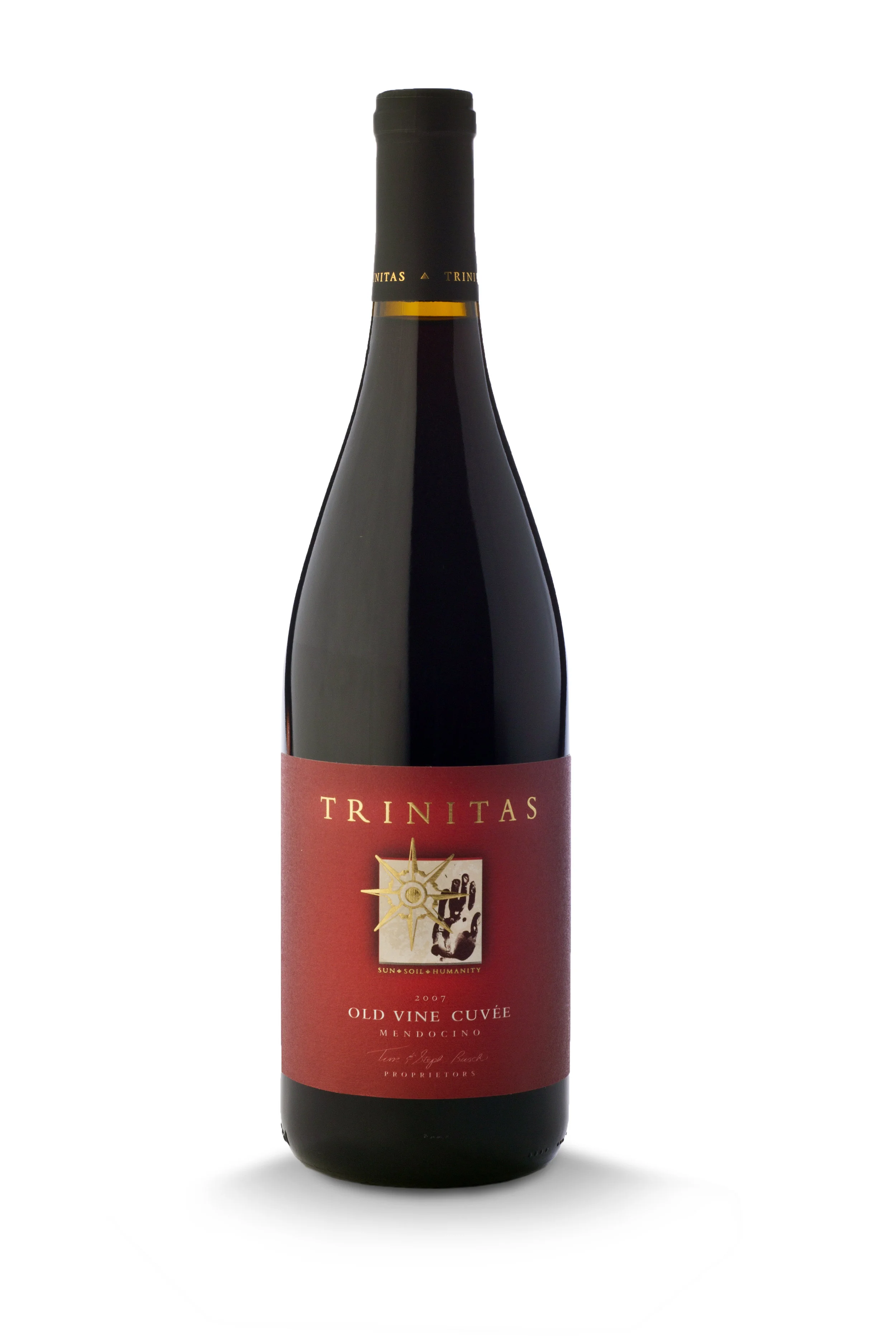
Glass and reflections

Shaped highlight, controlled reflection
The mistake I see most often
A big white rectangle reflected in a wine bottle. A hard white blob sitting on a glossy jar. Once you notice it you can't stop seeing it, and it's the clearest sign that whoever shot it didn't know how to light a reflective surface.
That rectangle is a softbox, photographed by accident. The camera records the entire room in the side of your product — the light, the ceiling, the person holding it, the window behind them — whether you noticed any of it or not.
-
The fix is deciding what the product is allowed to reflect. I shape the highlight so it runs the length of the bottle and follows its form, rather than sitting on it as a blob. Black cards and flags take away the reflections I don't want; white cards and mirrors put back the ones I do, exactly where the shape needs definition.
Plexiglass, scrims and diffusion sit between the light and the product to control how hard that highlight edge is. Liquid gets lit from behind so the colour glows instead of going muddy, and the label stays readable rather than blowing out. Where a brand has a specific colour, I build the background in camera so the tone is real light on a real surface, not a fill layer added afterwards.
It's slow, and it's why product work is quoted differently from a restaurant menu day. It's also the whole difference between a photo that looks expensive and one that looks like it was taken on a shop counter.
Product combination, in camera
Packaging
Boxes, labels and the things around them
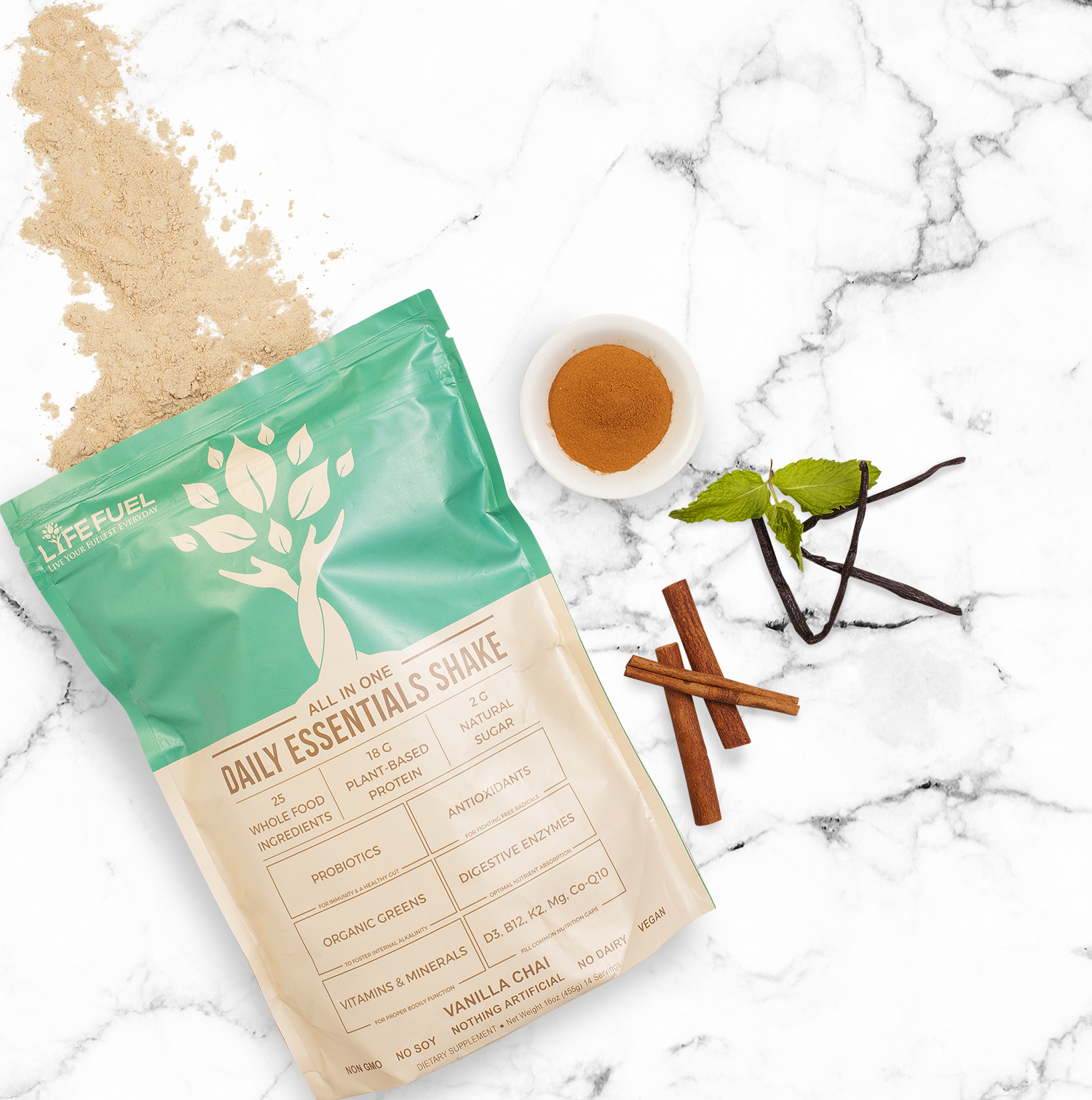
Packaging has to do two jobs at once: show the product accurately enough that nobody feels misled, and look good enough that they pick it up. Get the first one wrong and you get returns; get the second one wrong and nobody gets far enough to return anything.
So packaging shots are built around the label. The type has to stay sharp and readable, the brand colour has to be the brand colour, and the box has to look like an object with weight rather than a flat rectangle. That means real edges, a real shadow, and highlights that describe the material — matte board, gloss laminate and soft-touch all behave completely differently under the same light.
-
I shoot packaging on white for retail and marketplace listings, on colour for campaign and social use, and in a set with props when you need the product in context. Same session, so the whole family is consistent.
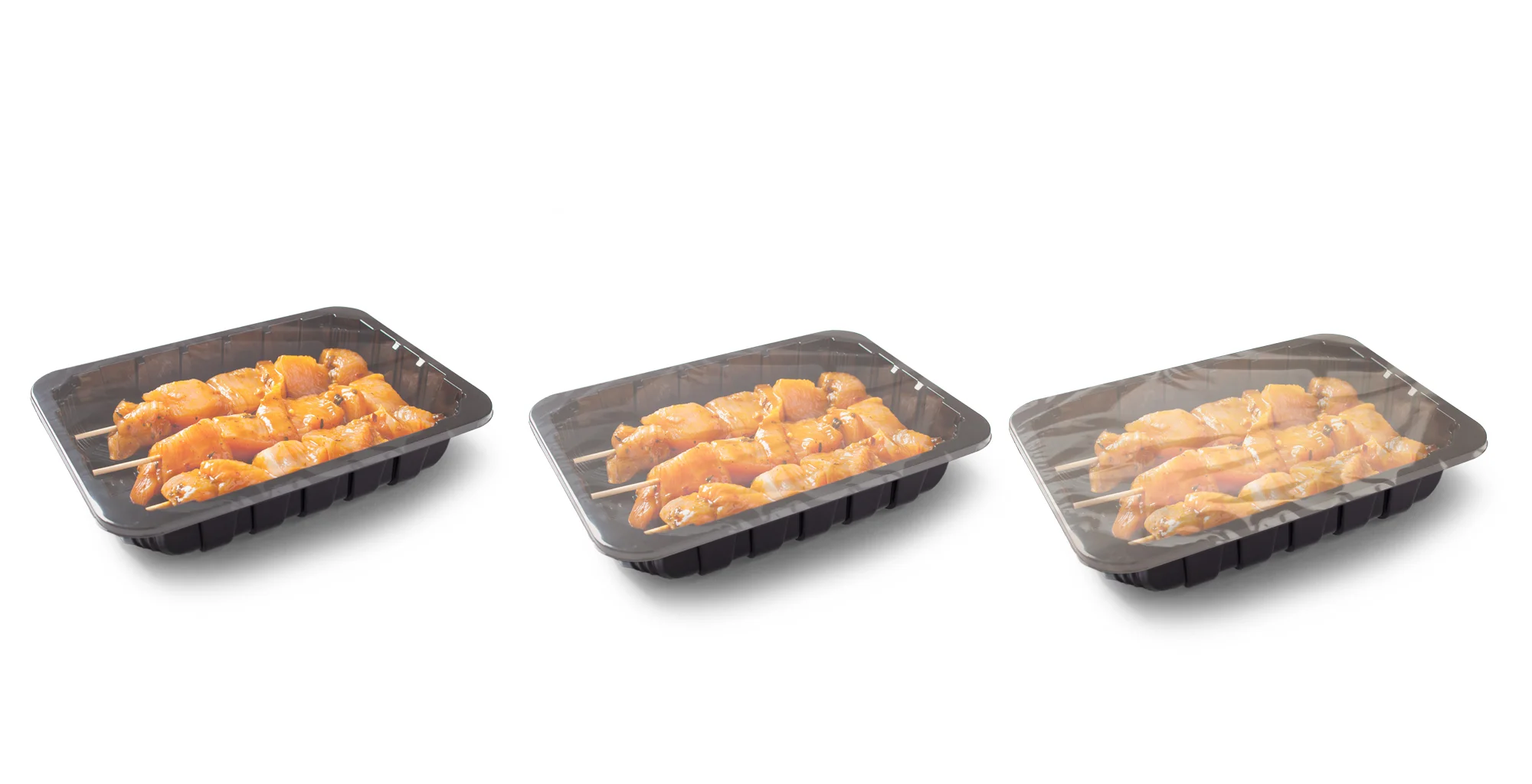
Shrink wrap, film windows and anything transparent get handled deliberately — sometimes lit to show the product through the film, sometimes replaced or smoothed in post where the real wrap fights the label. If a shot needs artificial shrink wrap placed over a package, that's part of the job too.
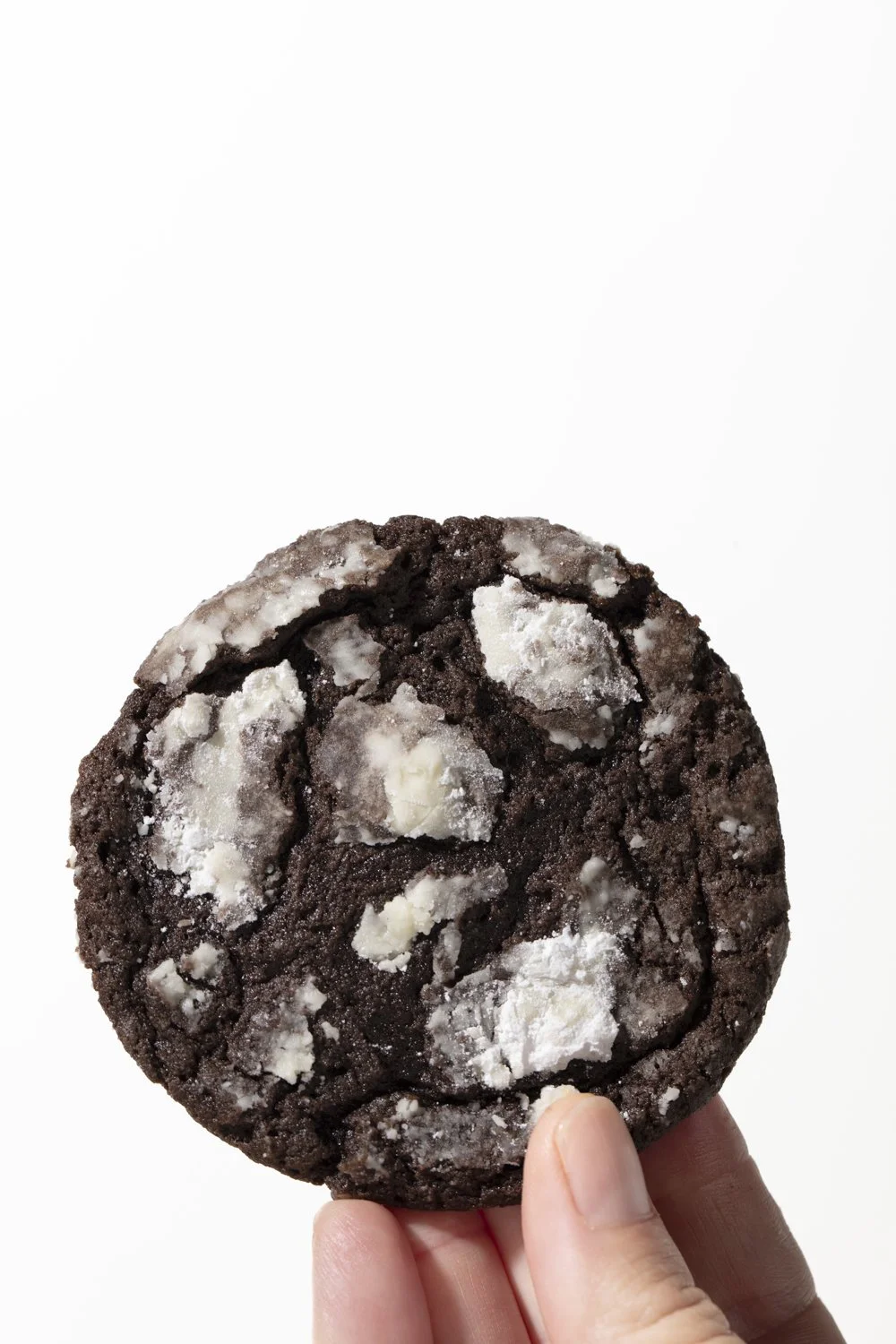
Packaging, shot as a consistent family
Catalogues
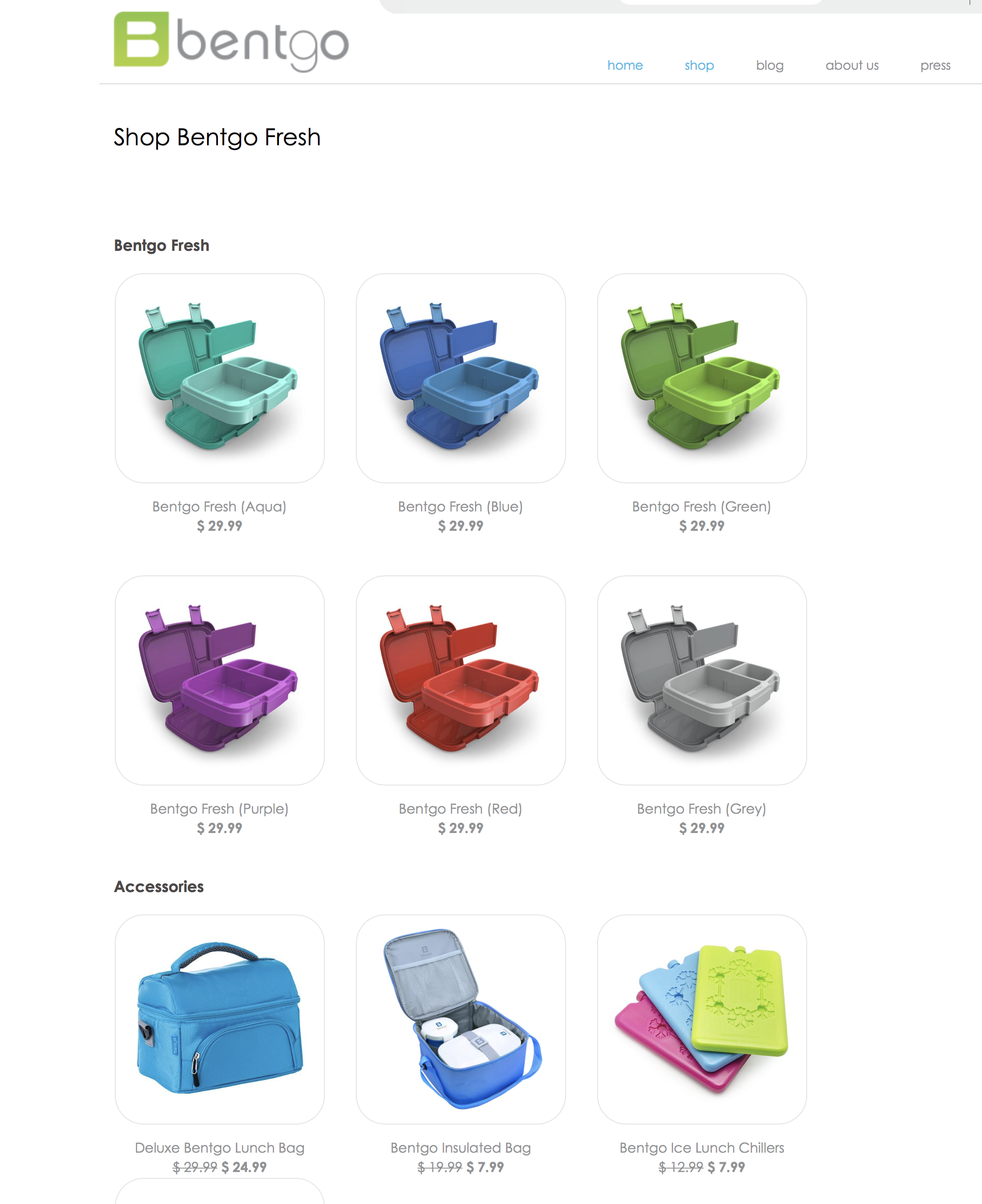
Hundreds of items, one standard
Catalogue photography is unglamorous and I like it. I've shot full foodservice catalogues — china, glass, metal, wood, hundreds of items — where the real work is making item four hundred look like it was shot in the same minute as item one.
That means one lighting standard held across weeks, colour measured rather than eyeballed, and every product cut out cleanly so the printed page looks like the product in your hand. If you've ever seen a catalogue where every third image is a different colour temperature, you know exactly why that matters.
-
Catalogue work runs on a naming and tracking system agreed before we start, so images come back matched to your SKUs rather than to camera file numbers. Products get shot in batches by material, because glass, matte ceramic and brushed metal each want a different treatment and switching back and forth wastes the day.
If you're reshooting an existing catalogue, send me the current one. Matching an established look is usually easier and cheaper than starting over, and it means you don't have to replace every image at once.
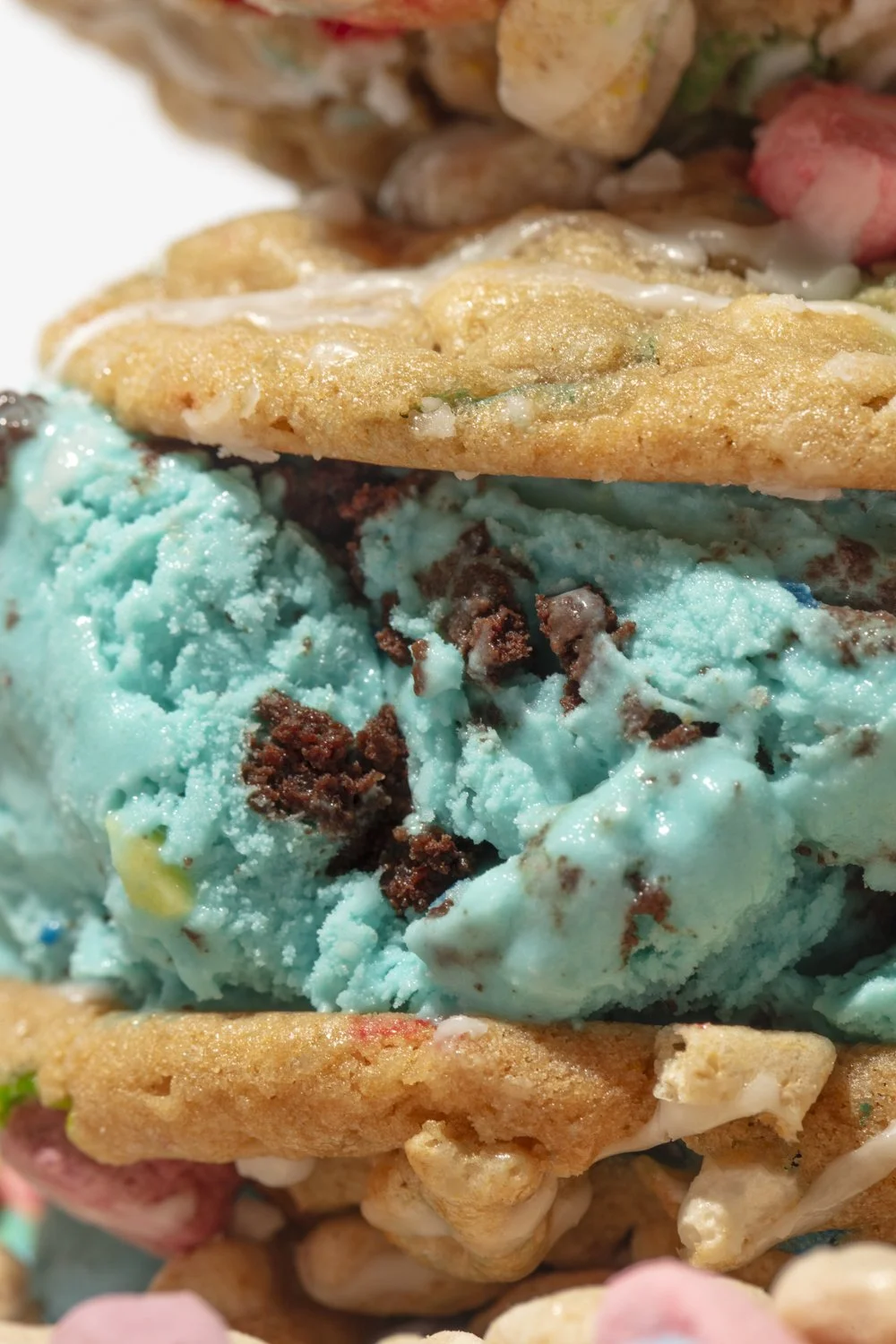
One standard, held across the set
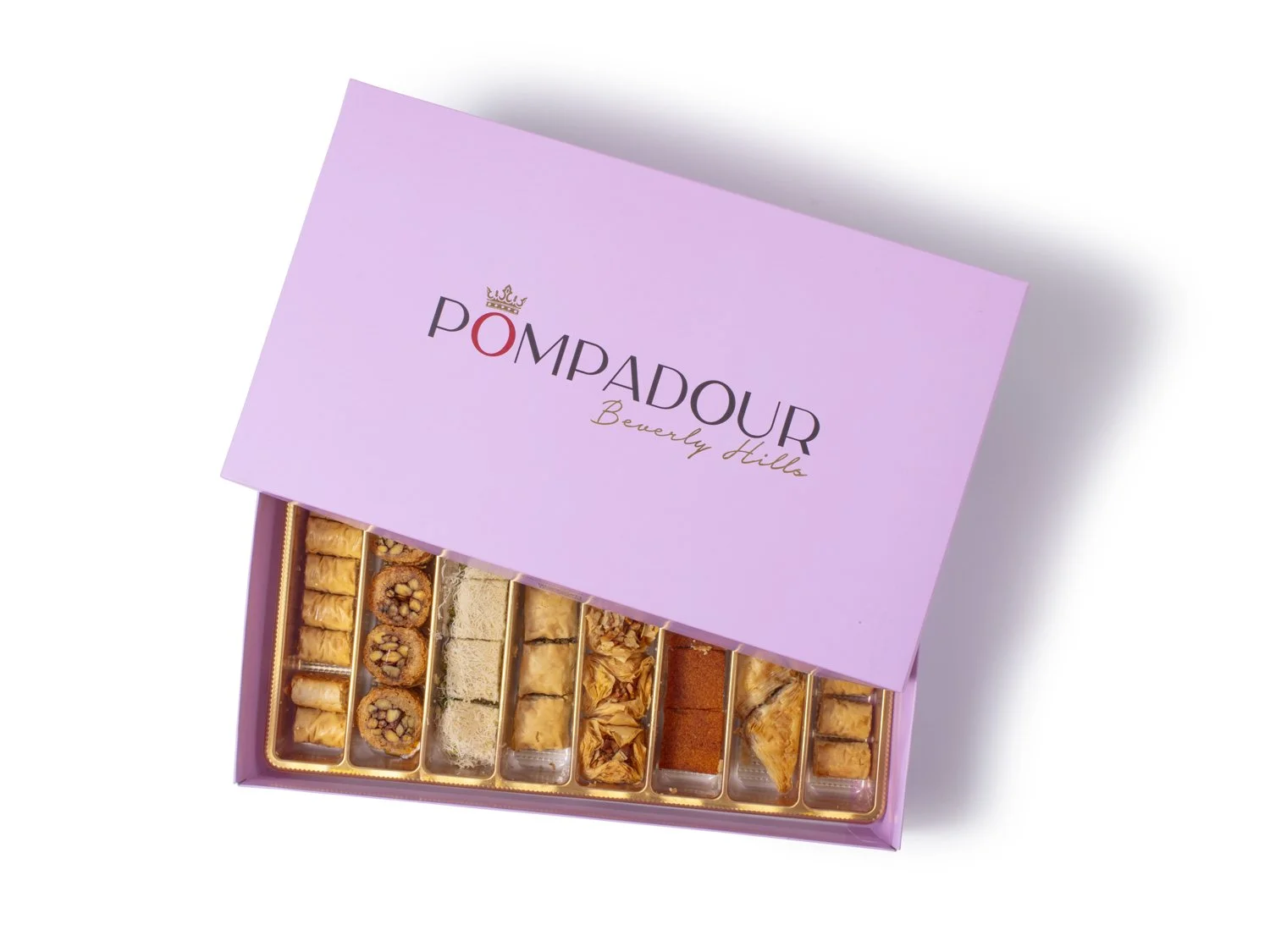
Beverly Hills
Clipping and retouching
Cut out properly, with the shadow left in
Most product images need a version on pure white — marketplace listings, delivery apps, catalogues, print. I clip them by hand rather than letting software guess at an edge, and I keep a real shadow under the object.
A product floating on absolute white with no contact shadow reads as a stock photo, and people scroll past stock photos. A clean cut-out that still sits on a surface reads as a thing you could pick up.
-
Retouching covers dust, fingerprints, scuffs on a sample unit, a label that isn't sitting straight, and background replacement where you need the same product on several colours. Colour grading is done to your brand values rather than to whatever looked nice on my monitor.
What I won't do is rebuild the product into something it isn't. If the packaging has a flaw the customer will also see, you're better off fixing the sample than fixing the file.
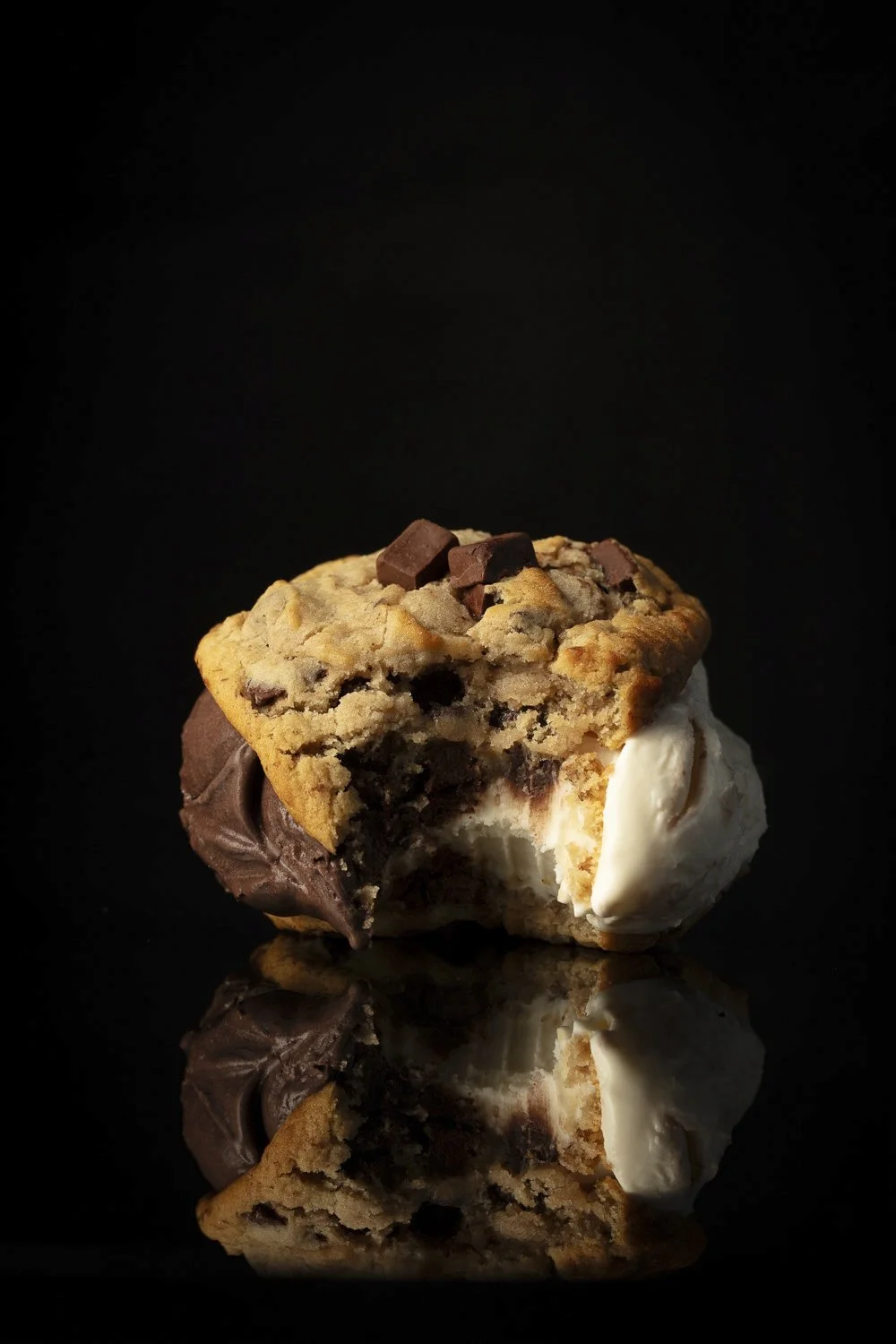
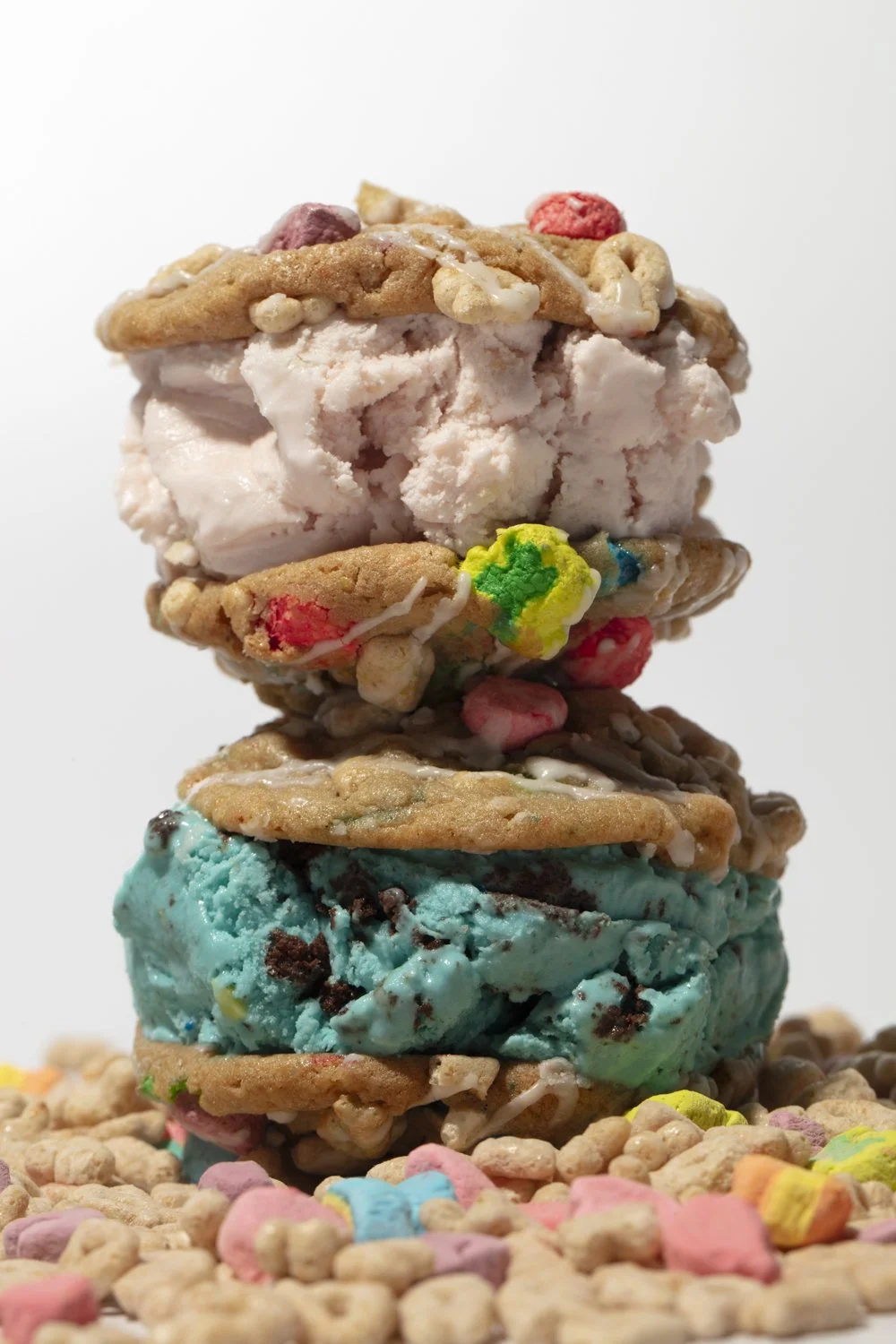
Same product, two treatments, one session
How it works
Studio, your place, or ship it to me
Most product and packaging work happens in a controlled space rather than in your kitchen, because the whole point is removing variables. That can be my set-up or a room at your facility — all I need is somewhere I can black out and a table.
For smaller items, shipping them to me is usually simplest. Send a few more units than you think you need; sample packaging has a habit of arriving dented, and a spare saves a reshoot.
Turnaround is three business days for a normal set. Large catalogues are delivered in batches as they're finished, so you're not waiting weeks to see anything.
Booking
Rates and where I work
Flat rates start at $495 and include unlimited images from the session, with no per-image fees and no licensing tiers — packaging, listings, print, paid ads, trade show, all covered. Catalogue work is quoted per project against the item count.
I work as a product photographer in Orange County, Los Angeles, San Diego and Riverside, and regularly in Corona, San Bernardino and Palm Springs. If you also need food photography or video, those can run in the same booking.
Send me a list of what needs shooting and where the images are going, and I'll come back with a straight number.
— Alan De Herrera, Plate to Pixel
Product photography questions
-
Flat rates start at $495 and include unlimited images from the session, editing, clipping and delivery. What moves the number is how many products, how many angles each one needs, and whether they're reflective — glass and metal take longer than a cardboard box.
Catalogue projects are quoted against the item count rather than by the day, because the economics change completely at a few hundred items.
-
It's product photography where the packaging itself is the subject — the box, the label, the jar, the film — shot so the type stays sharp, the brand colour is accurate, and the material reads as what it actually is. Matte board, gloss laminate and soft-touch all behave differently under the same light, so each one gets lit for its finish.
-
Yes. I shoot on white and clip by hand rather than letting software guess at the edge, and I keep a real contact shadow under the product so it looks like an object sitting on a surface instead of a cut-out floating in space.
If you need the same product on white, on a brand colour and in a propped set, that's one session and three deliverables.
-
You don't remove the reflections, you choose them. Glass only has shape because of what it reflects, so the job is deciding what gets into that surface. I use flags and black cards to take away the reflections that don't belong, white cards and mirrors to place the ones that describe the form, and diffusion to control how hard the highlight edge lands.
Liquid is lit from behind so the colour glows rather than going muddy, and the label is kept readable instead of blowing out. The tell-tale amateur version is a big white rectangle sitting in the side of the bottle — that's a softbox photographed by accident.
-
Yes. I've shot full foodservice catalogues — china, glass, metal and wood, hundreds of items — where the real work is holding one lighting standard across weeks so the last item matches the first. Images come back matched to your SKU naming rather than camera file numbers, and large sets are delivered in batches as they're finished.
If you're replacing an existing catalogue, send me the current one. Matching an established look is usually cheaper than starting from nothing.
-
Either. Smaller items are usually simplest to ship — send a few spares, because sample packaging tends to arrive dented. For larger items, fragile pieces or anything under embargo, I'll set up at your facility. All I need is a room I can black out and a table.
-
For straightforward packaging with one or two angles each, thirty to fifty items in a day is normal. Reflective products, multi-angle sets or anything needing a propped scene run slower — sometimes ten to fifteen. Tell me what the items are and I'll give you a realistic count before we book.
-
Yes. Dust, fingerprints, scuffs on a sample, a label sitting crooked, background replacement for colour variants, clipping to white, and colour grading to your brand values are all part of the job, not an add-on line.
-
Three business days for a normal set. Catalogue projects are delivered in batches as each group is finished so you can start using them straight away.
-
Anywhere. Marketplace listings, your own store, wholesale sell sheets, packaging, trade show graphics, print and paid advertising. No usage tiers, no renewals, no expiry.
-
I'm based in Orange County and work across Los Angeles, San Diego and Riverside, plus Corona, San Bernardino and Palm Springs. Products ship to me from further afield regularly, and I travel for larger on-site catalogue work.
Explore more.