The Art of Food Styling
Food styling for photo and video shoots in Los Angeles and Orange County. I bring in a stylist only when a dish needs one, quoted separately.
Every detail, styled.
Food styling for photo and video.
Food styling for photo and video shoots in Los Angeles and Orange County. Every sauce, garnish and crumb placed with intention, so the food looks its absolute best on camera.
Food styling
Fresh, honest, beautiful.
Styled for the camera. Food on camera is built differently from food on the plate. I adjust height, color and texture so every dish reads beautifully.
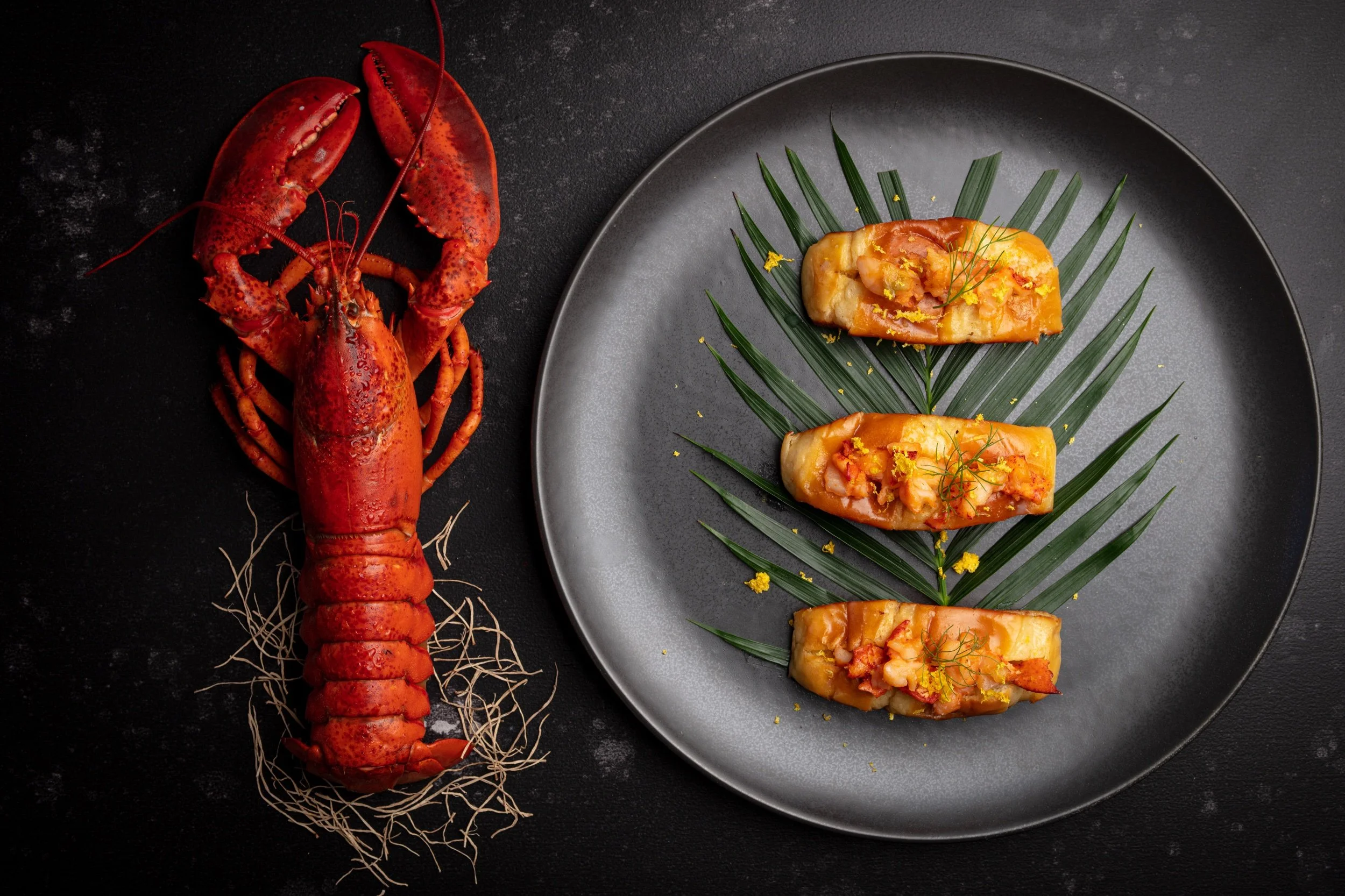
Real food, made to shine. Natural, appetizing styling that looks like the dish your guests will actually be served.
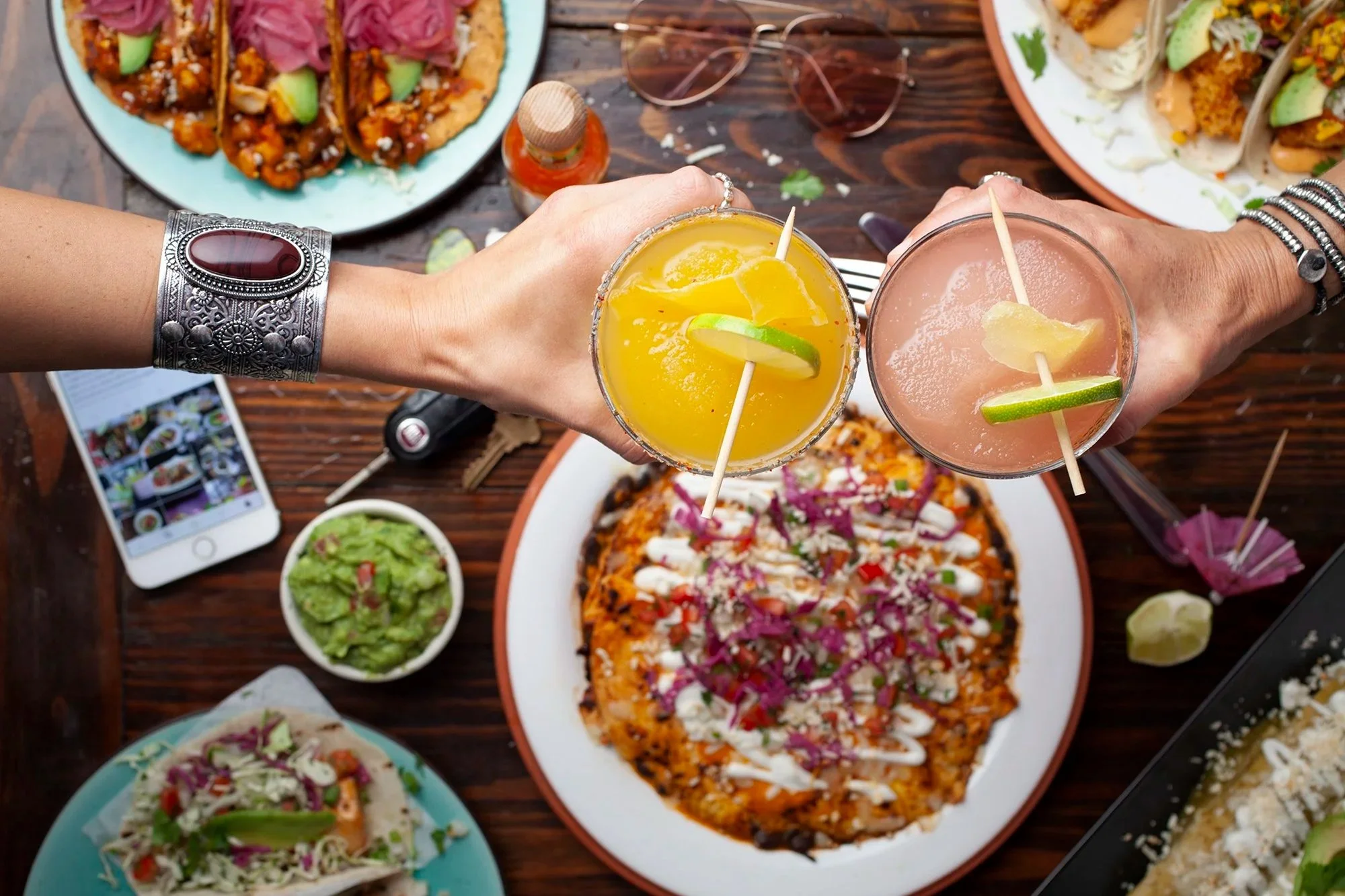
Photographer and stylist in one. Because I style and shoot, there is no back-and-forth on set. The food is camera-ready the moment it lands.
Picture-perfect plates.
Great styling is invisible. It just makes people hungry.
Food Styling and Prop Work
Food styling and prop work are available on any shoot that needs them — food touch-up, prop styling, recipe testing and development, art direction and set design — and surfaces and backdrops can be custom-built or rented. It is quoted separately, so you only pay for it when a dish genuinely needs it.
Food styling, and when you actually need it
I'm Alan De Herrera. Food styling gets talked about as though it's either essential or a scam. It's neither — it's a tool, and some dishes need it badly while plenty of others don't need it at all.
When a shoot calls for one, the stylists I work with include Judean Sakimoto and Kim Dennis. Styling is quoted separately from the photography, so you only pay for it on the shoots where it earns its place.
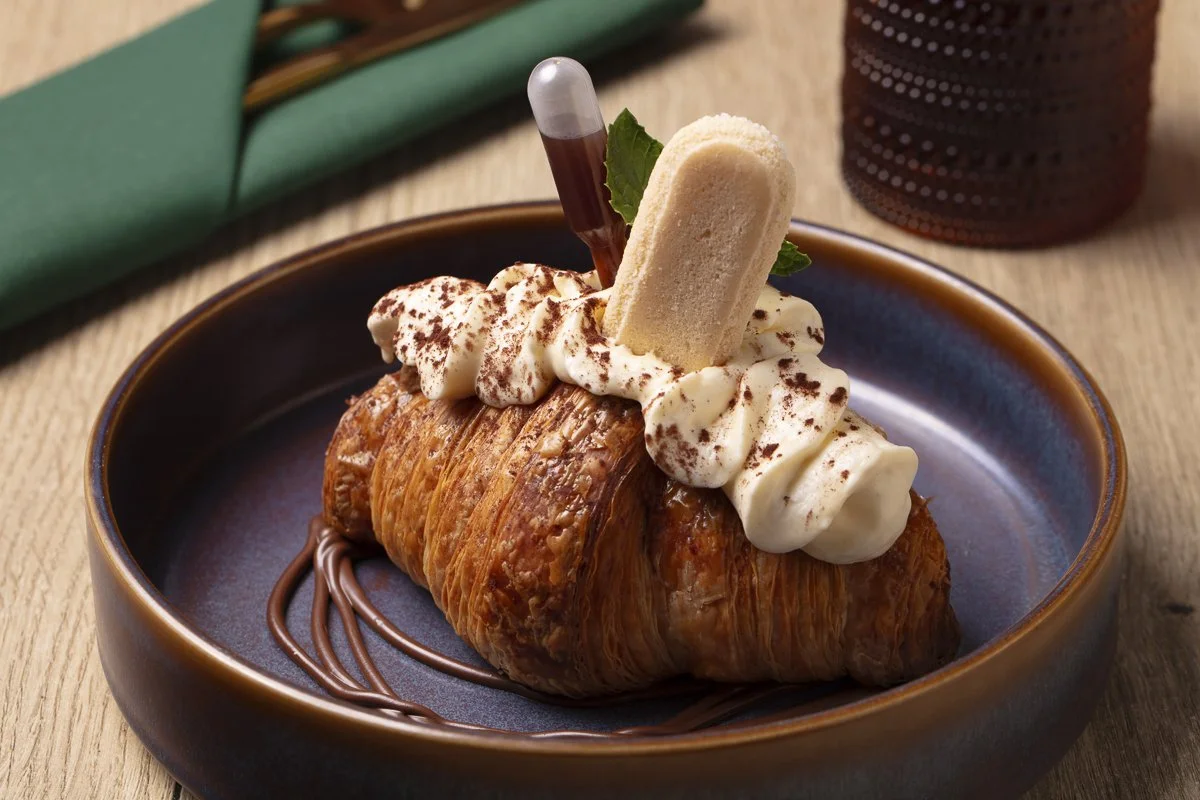
What a stylist actually does
Mostly invisible work
Good styling doesn't look styled. It looks like the dish on its best day. Almost all of it is small, technical, and gone from the frame by the time you see the photo.
Proteins get cooked a little under so they don't shrink and go grey under lights. Grill marks are placed deliberately rather than left to chance. A light brush of oil makes a surface catch the highlight instead of going matte. A spray bottle puts the condensation back on a cold glass. Tweezers set the one garnish that has to sit exactly there.
-
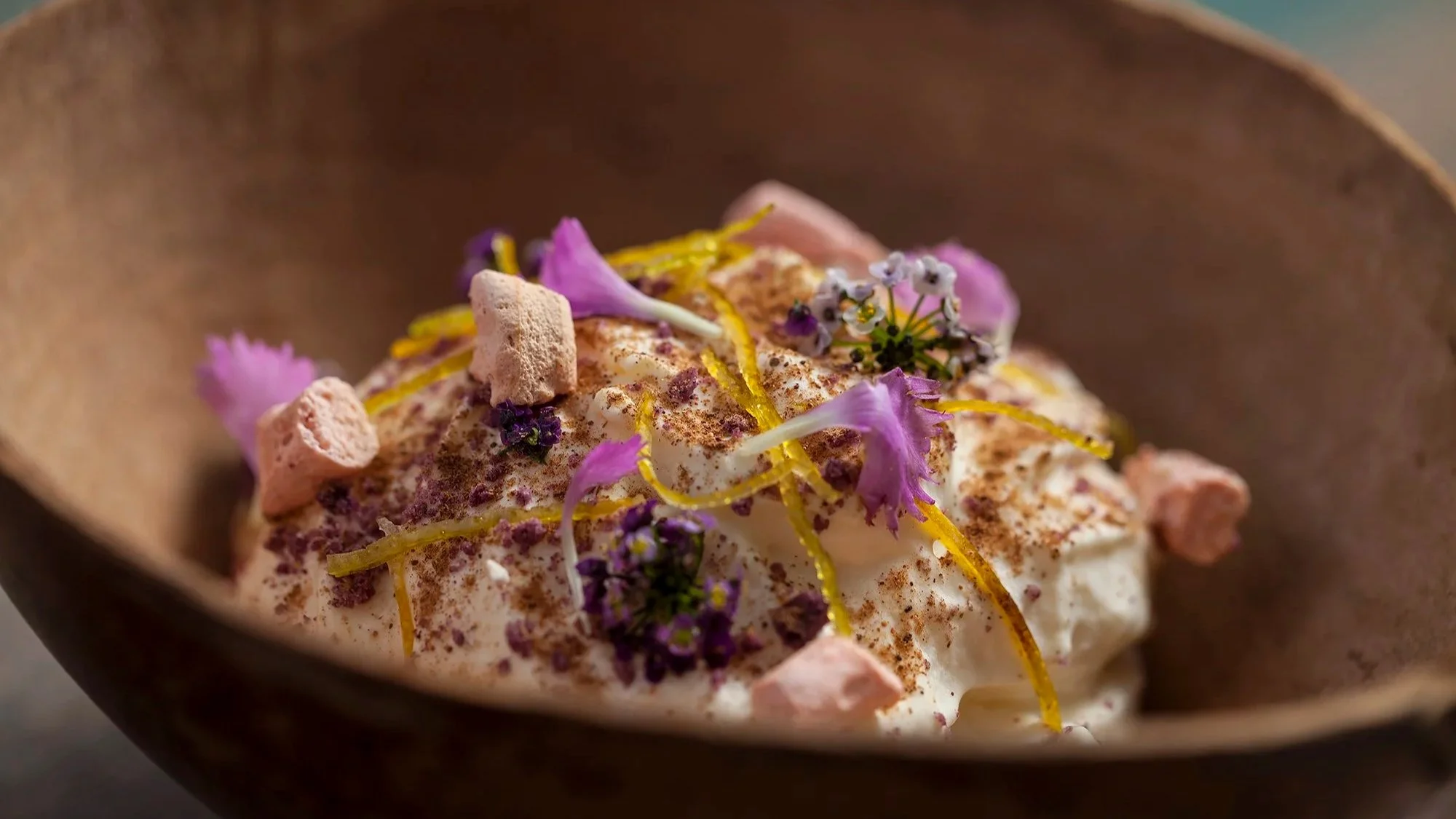
The dishes that genuinely need a stylist are the ones where the photogenic version and the edible version are different objects. Ice cream and gelato have a working life measured in minutes under lights. Melting cheese looks right for about four seconds. Foam and crema collapse. A hero burger that has to hold its shape through three hours of set-up is a construction job, not a plating job.
For those, a stylist doesn't make the food dishonest — they make it survive the process long enough to be photographed accurately.
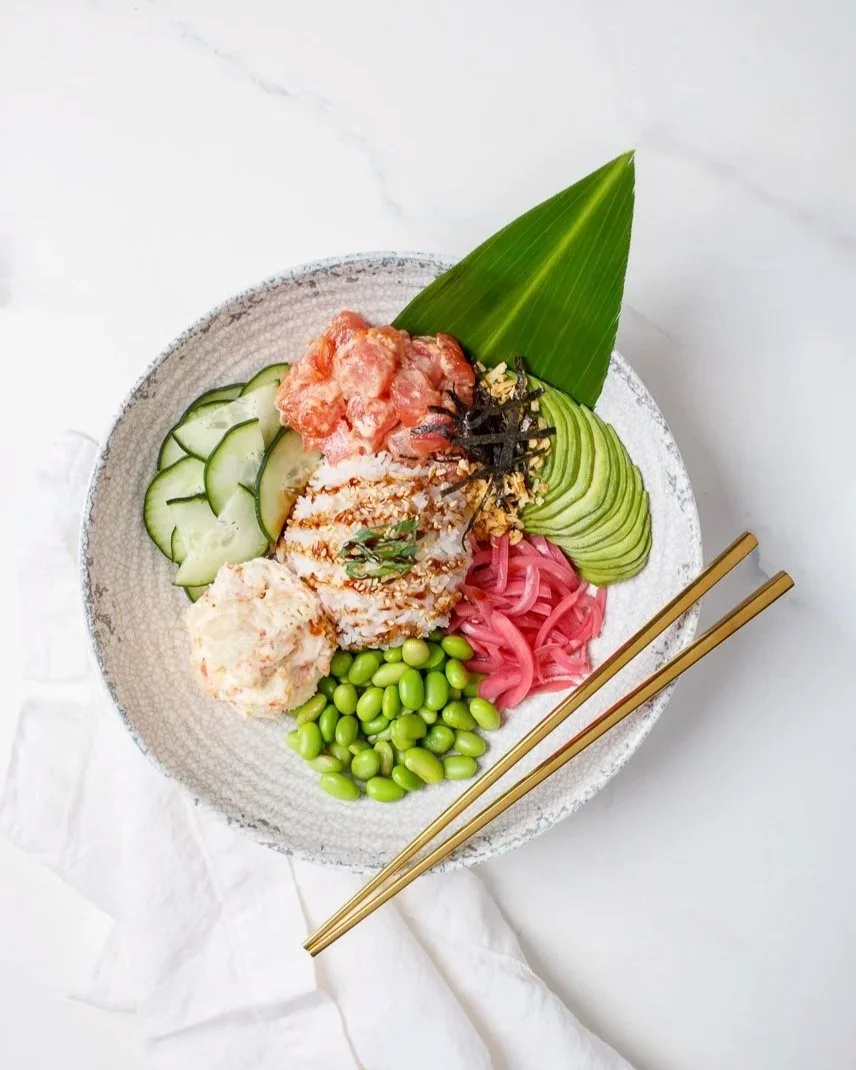
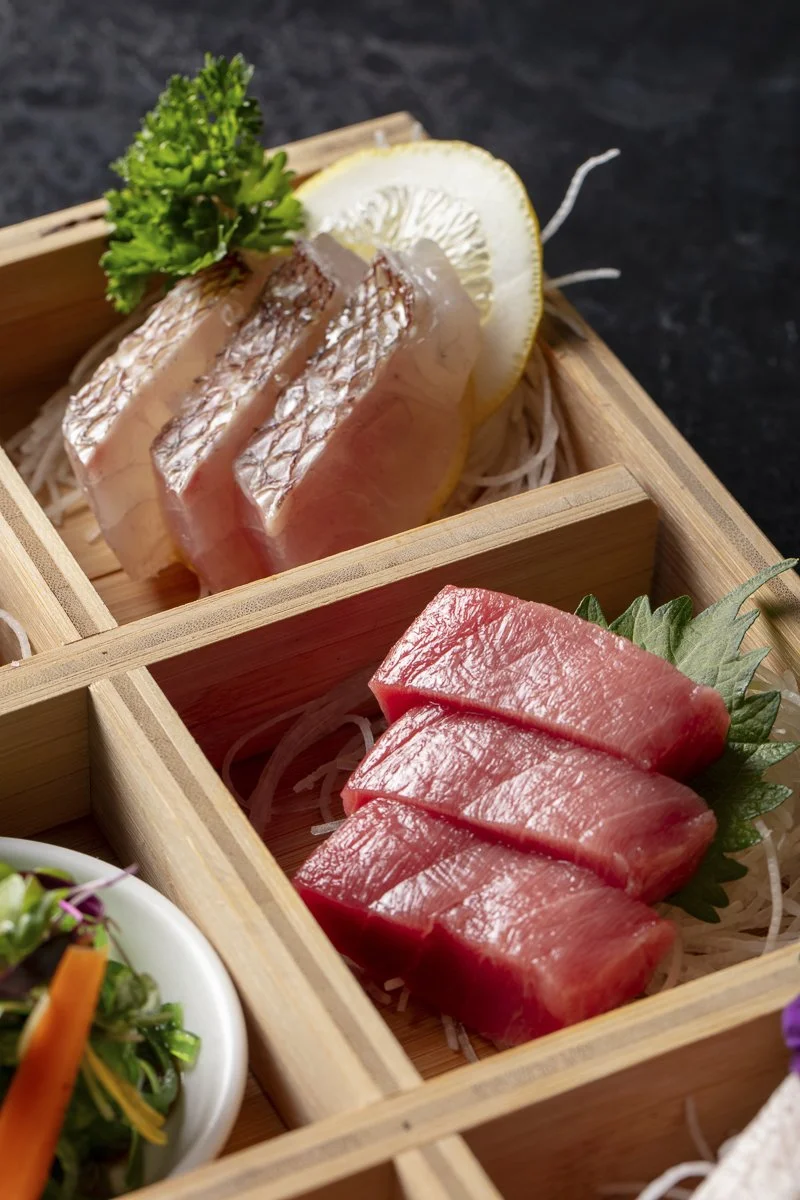
Both of these had a clock running
When you don't need one
Most restaurant menus
For a lot of the restaurant work I do, the best stylist in the building is already on your payroll. Your chefs know how the dish is supposed to look. What they usually need is someone telling them which side faces the camera, how high to build it, and when to stop.
That's me directing on set, it costs you nothing extra, and it usually looks more like your food than a styled version would. I'd rather you spent that budget on an extra half day of shooting.
I'll go through your dish list before we book and tell you honestly which items would benefit and which wouldn't.
Props and surfaces
What the food sits on
Prop and surface styling is the other half of the job, and it's often the part that makes a set look like your restaurant rather than a studio. That covers plates and glassware, linens, cutlery, and the surface underneath — which is doing more work in the frame than most people realise.
I can source props, and surfaces and backdrops can be custom-built or rented for a shoot. Recipe testing and development, art direction and full set design are all available when a project needs them — cookbook and packaging work usually does, a menu shoot usually doesn't.
Booking
How styling is quoted
Separately, and only when the shot list calls for it. Tell me what you're shooting and I'll tell you which dishes need a stylist, roughly what that adds, and what you'd save by letting your own kitchen plate the rest.
Photography flat rates start at $495 with unlimited images and three-business-day delivery; styling sits on top of that when it's needed. I work across Orange County, Los Angeles, San Diego and Riverside.
— Alan De Herrera, Plate to Pixel
Food styling questions
-
A food stylist prepares food so it photographs accurately and survives the time a shoot takes. In practice that means cooking proteins slightly under so they don't shrink and grey, placing grill marks deliberately, brushing a surface with oil so it catches the light, spraying condensation back onto a cold glass, and setting garnish with tweezers.
Done well it's invisible. The dish looks like itself on its best day, not like something that has been fiddled with.
-
Usually not. For most plated restaurant food your own kitchen team can plate for camera with me directing, which costs nothing extra and tends to look more like your food. I'll go through your dish list before we book and tell you honestly which items would benefit.
-
Anything frozen — ice cream, gelato, sorbet. Melting cheese. Foam and crema. Any hero item that has to hold its shape for hours under lights, like a stacked burger. Those are the dishes where the photogenic version and the edible version are genuinely different objects.
-
It's quoted separately from the photography and depends on how many dishes need it and how complicated they are. Because it's separate, you only pay for it on the shoots where it earns its place — it isn't baked into every quote by default.
-
It shouldn't, and I won't shoot it that way. The job is to keep the dish looking like what a customer will actually be served, for long enough to photograph it properly. If a burger looks rendered rather than cooked, nobody orders it.
-
Yes. Plates, glassware, linens and cutlery can be sourced for a shoot, and surfaces and backdrops can be custom-built or rented. Two or three surfaces that match your room will usually carry an entire menu and keep the set looking like your restaurant rather than a studio.
-
Recipe testing and development, art direction and full set design are all available when a project needs them. Cookbook, editorial and packaging work usually does; a straightforward menu shoot usually doesn't.
-
Often, yes — and I'll tell you when that's the right call rather than selling you one. The exception is the short list of dishes above. For those, skipping the stylist doesn't save money; it just produces images you won't use.
-
Orange County, Los Angeles, San Diego and Riverside, plus Corona, San Bernardino and Palm Springs. I travel beyond Southern California regularly.
Explore more.