
Palm Springs food photographer
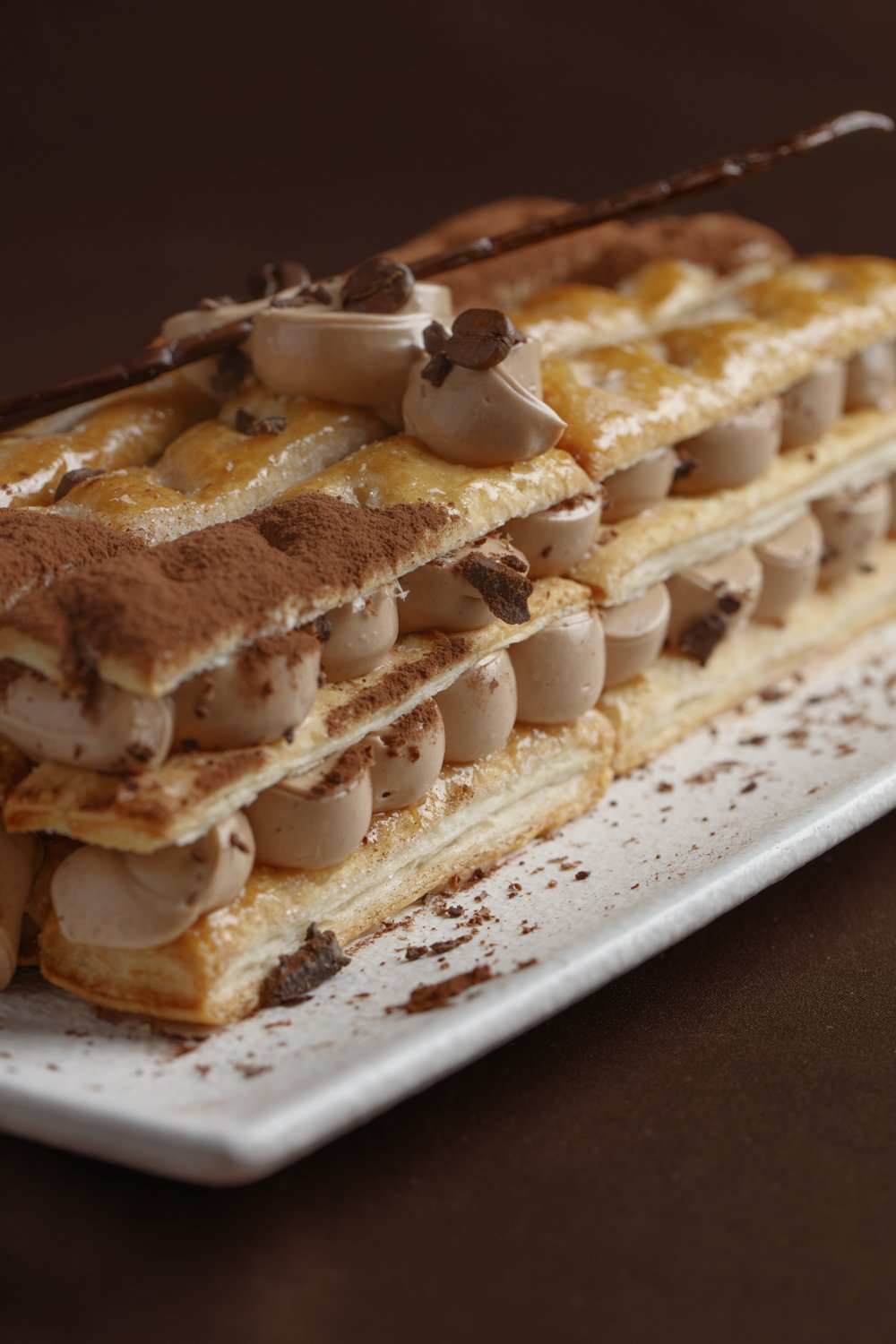
I shoot food in Palm Springs and across the desert. Desert light is hard and bright for most of the day, then turns gold and disappears fast — so I shape it rather than fight it, which means your patio shoot can happen at the hour that suits your kitchen. Stills and vertical video come out of the same visit.
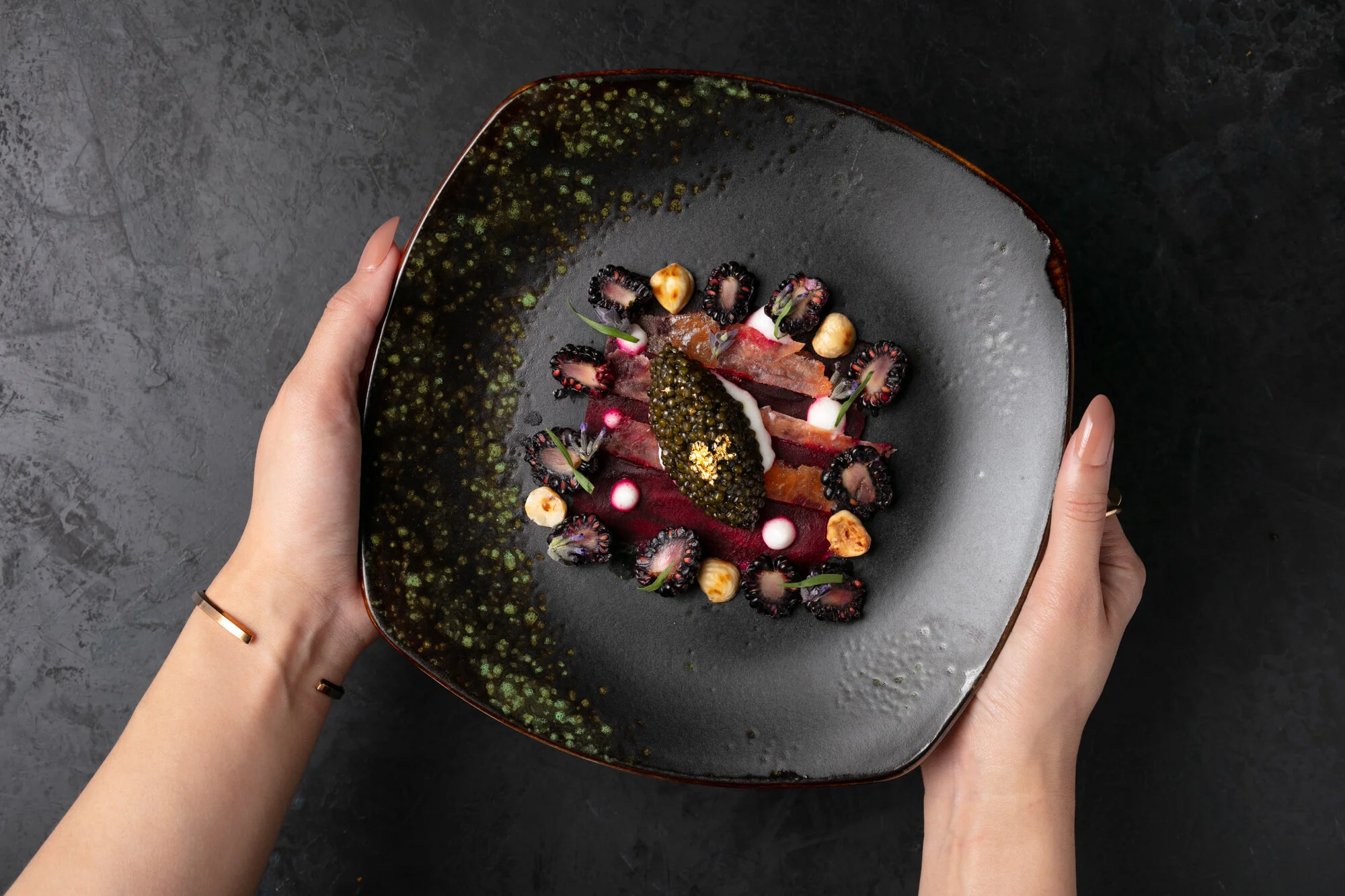
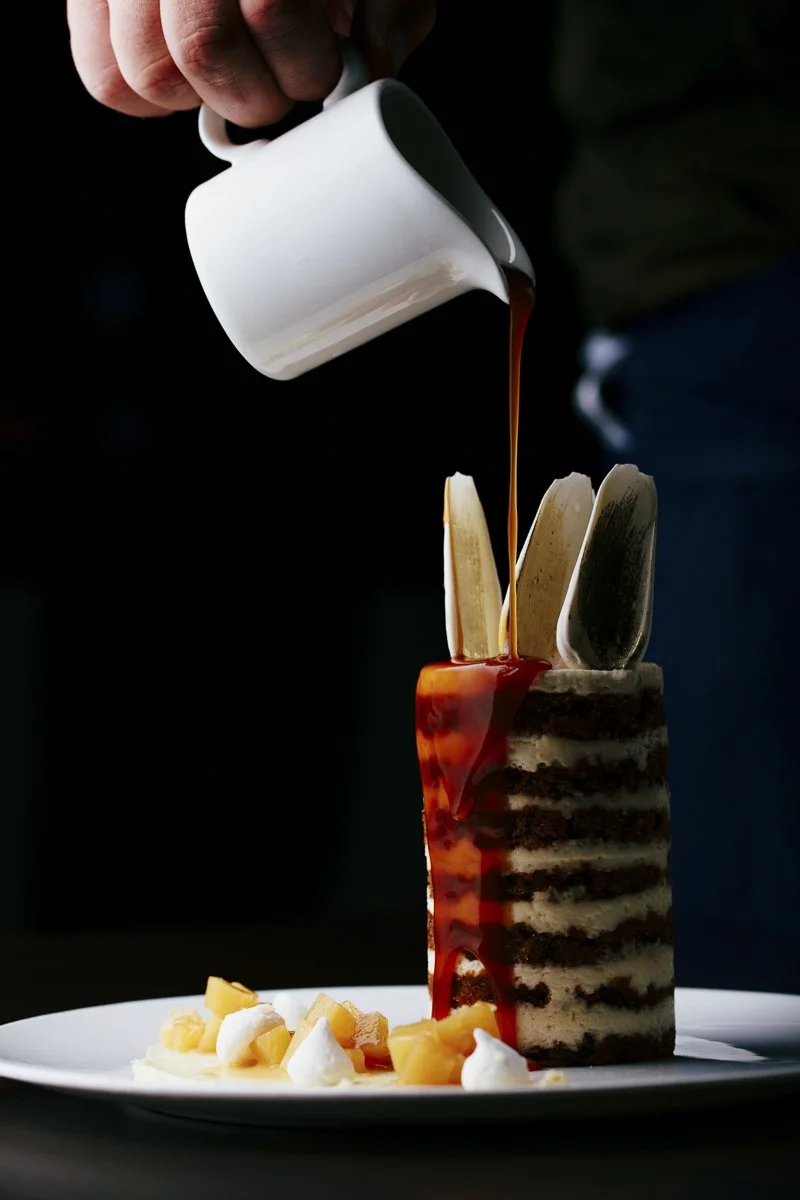
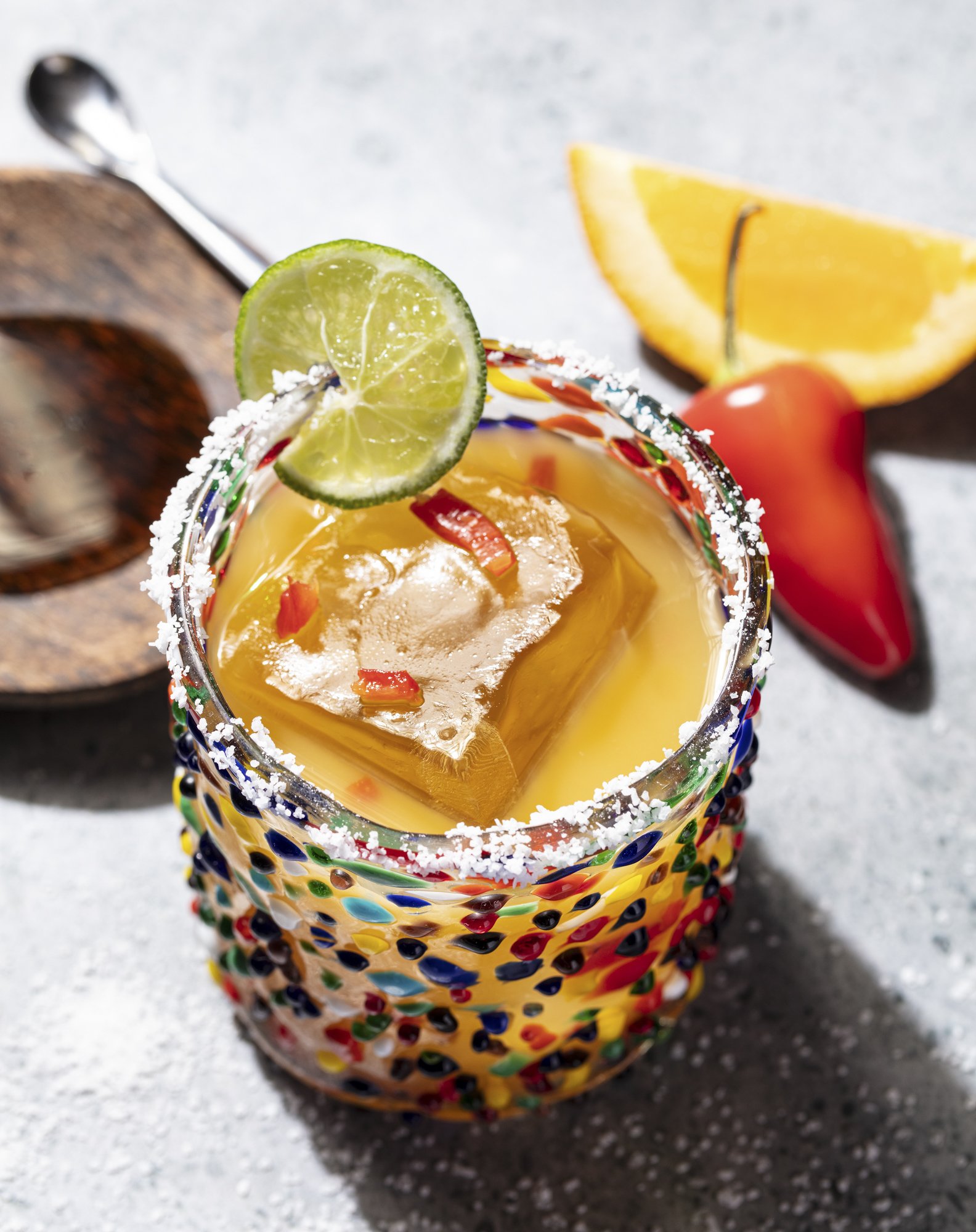
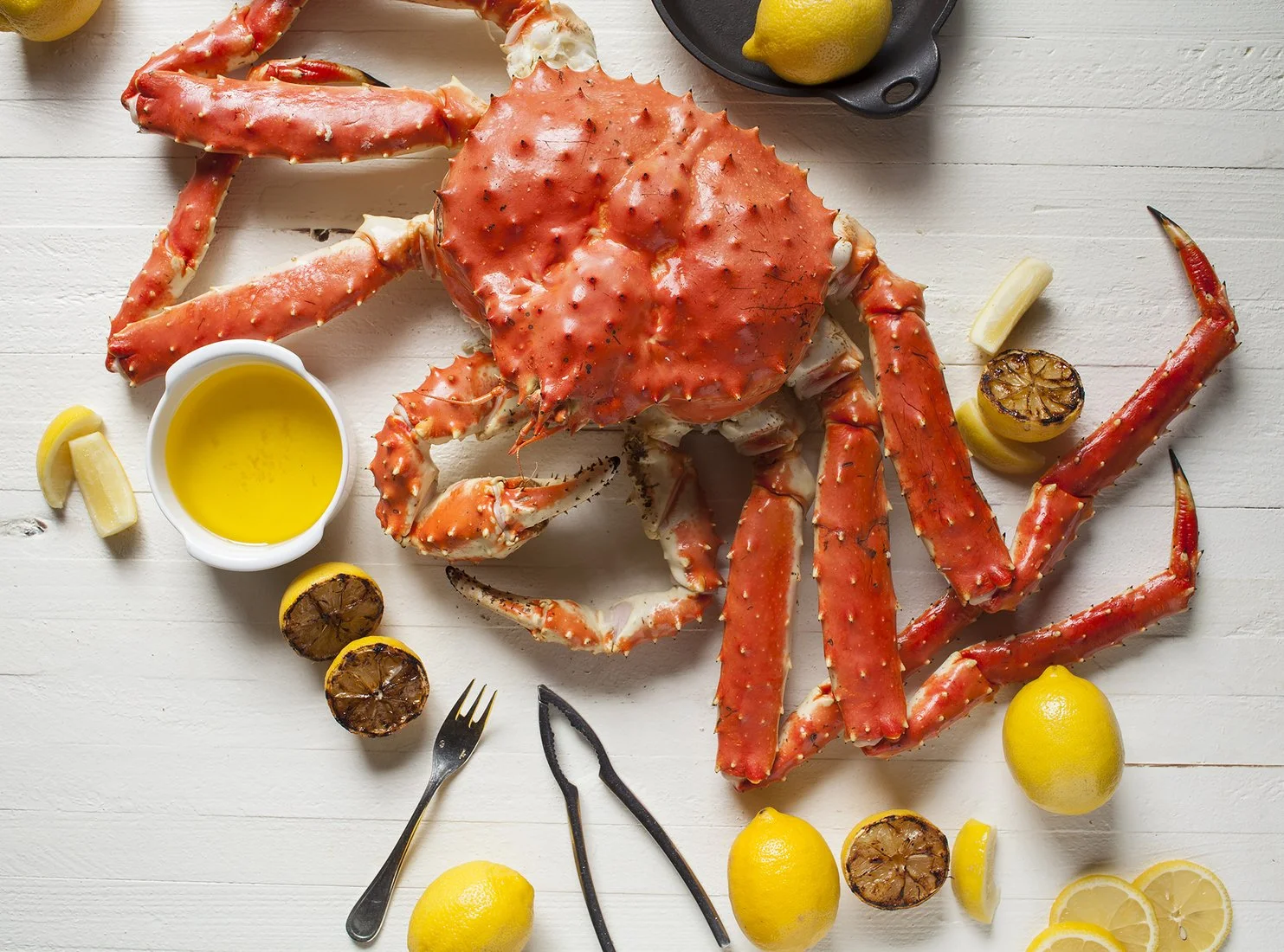
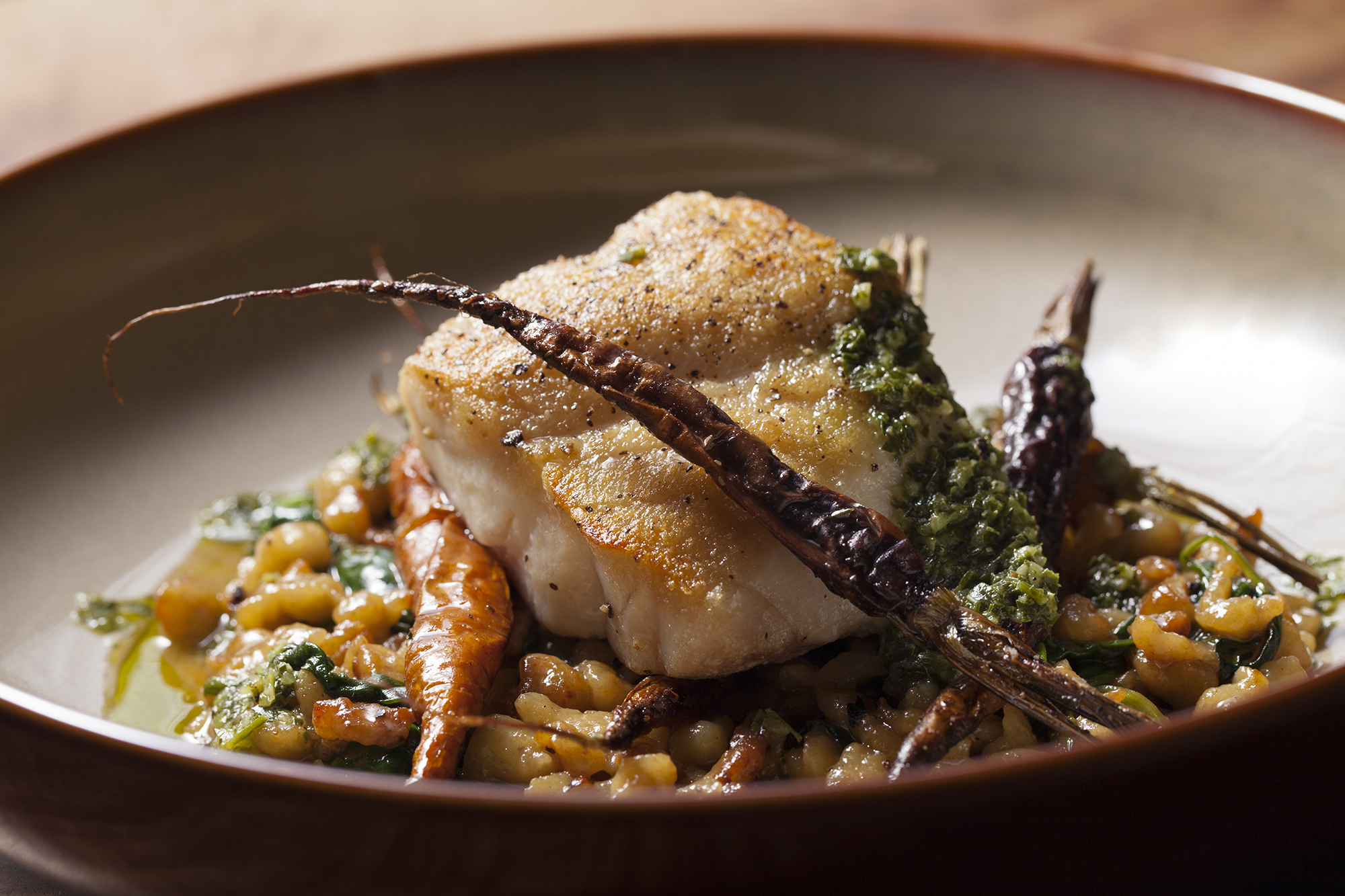
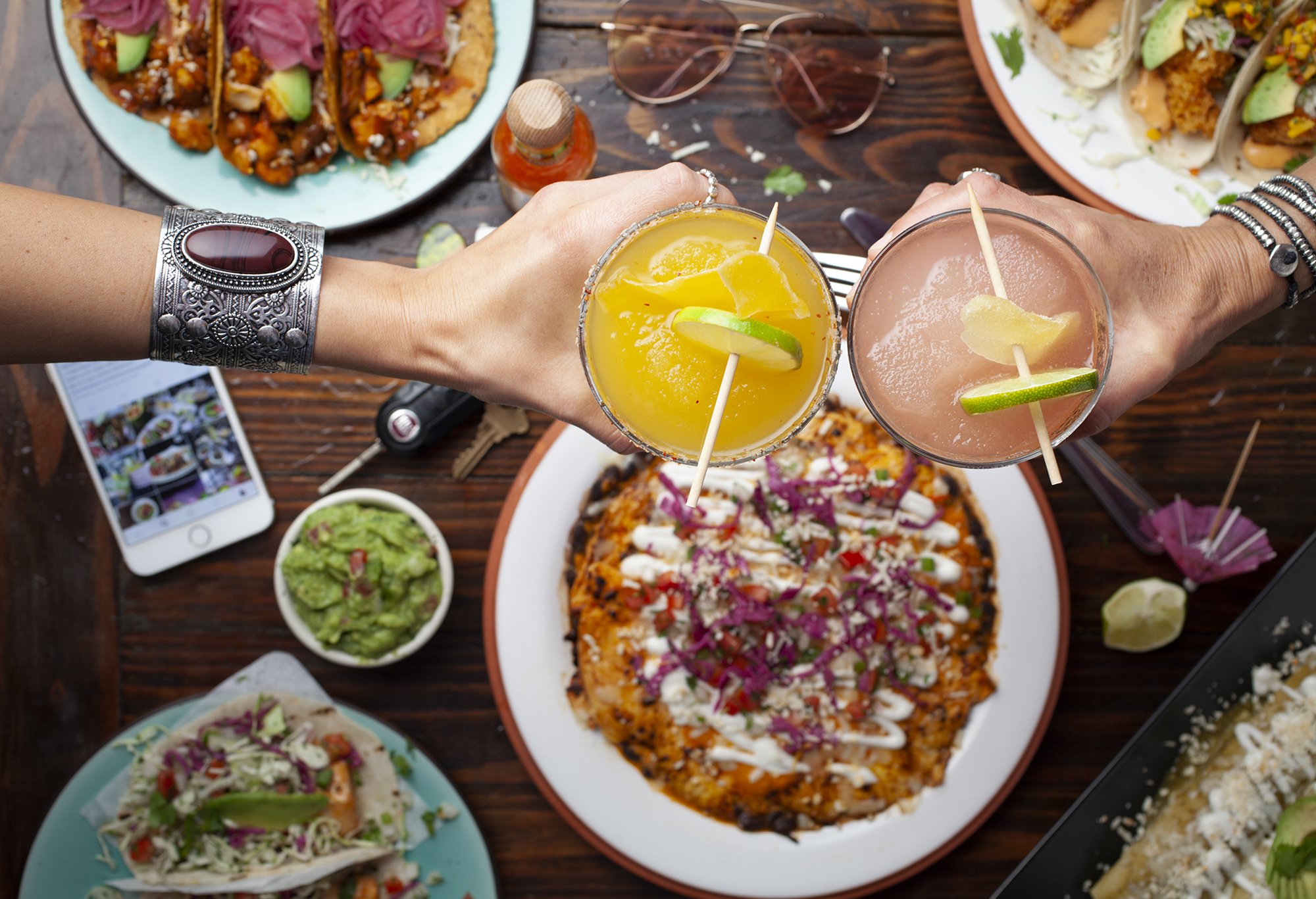
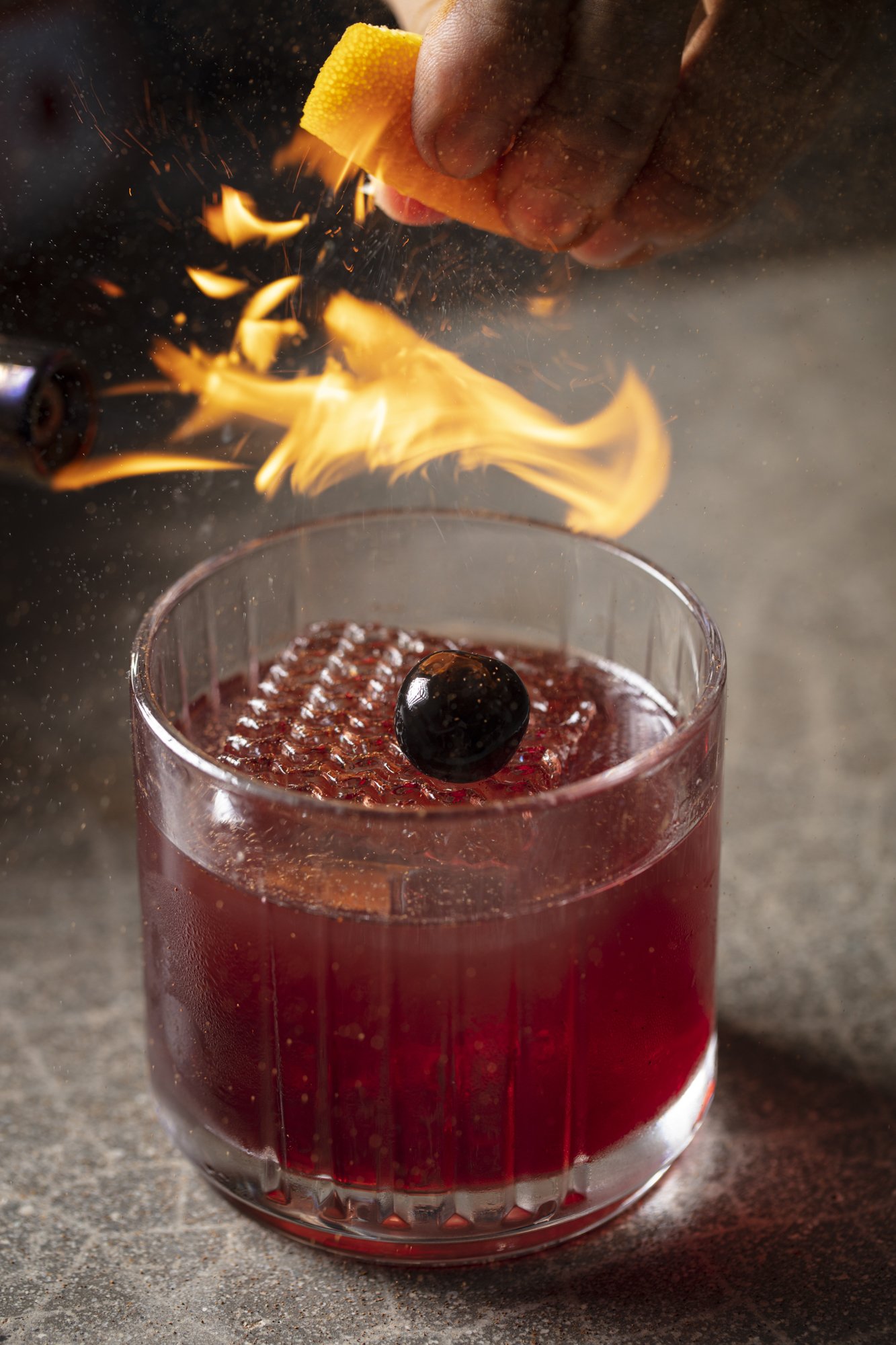
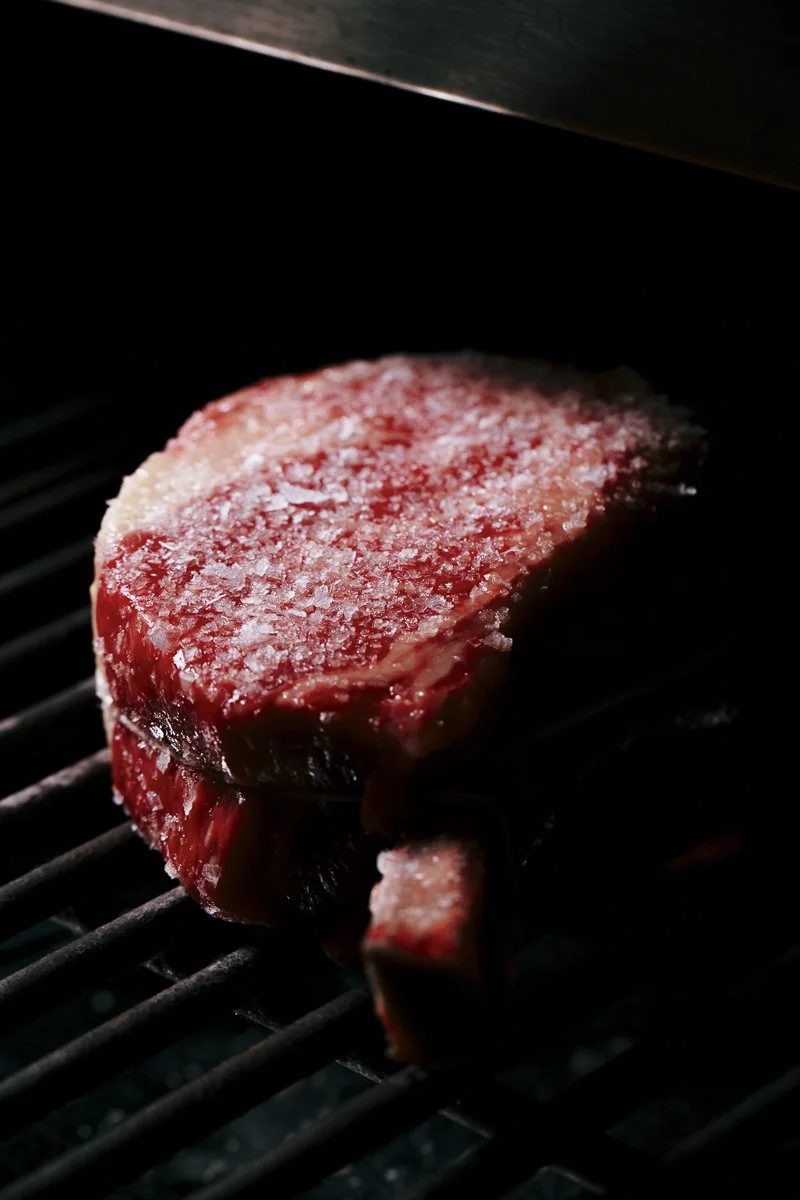
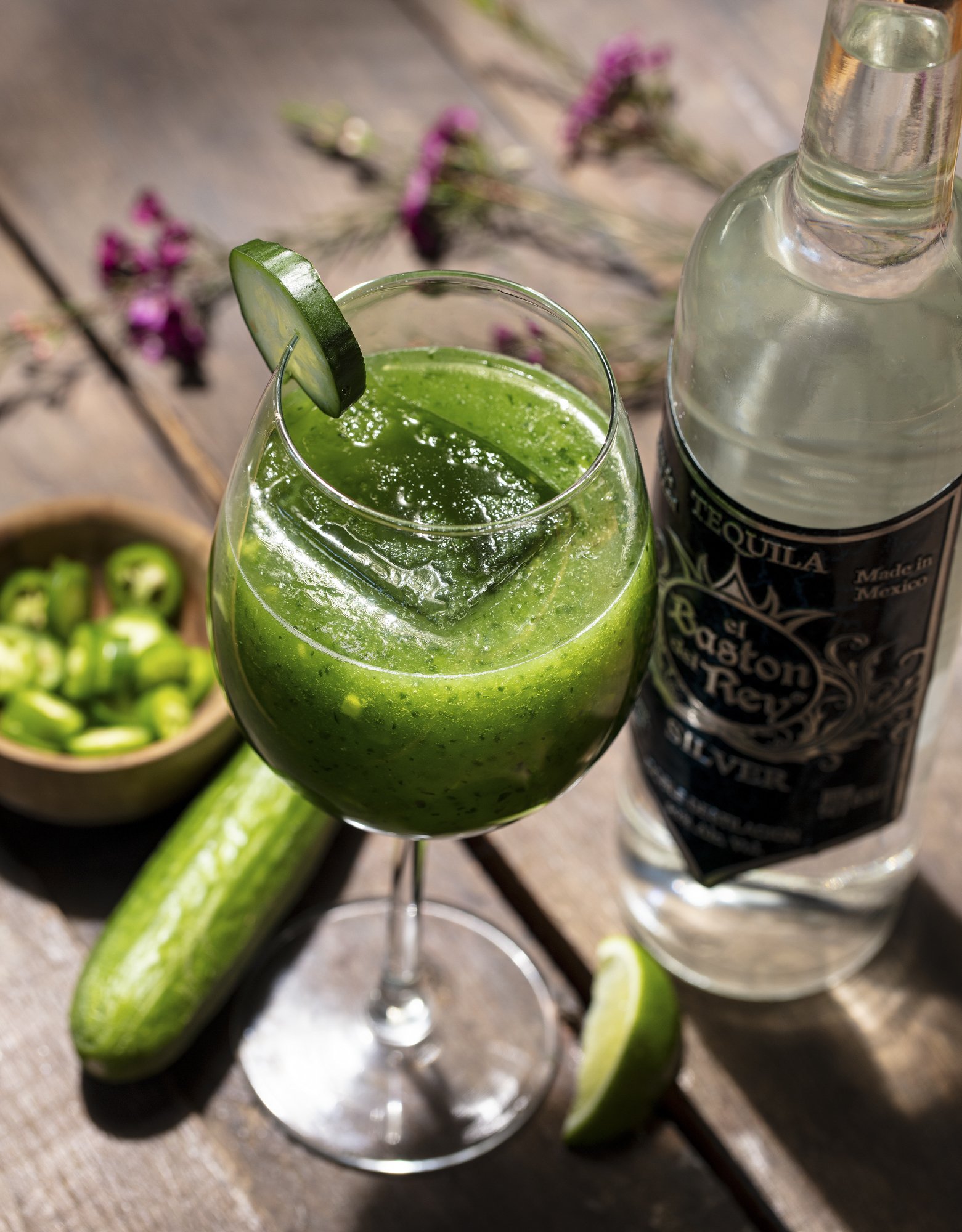
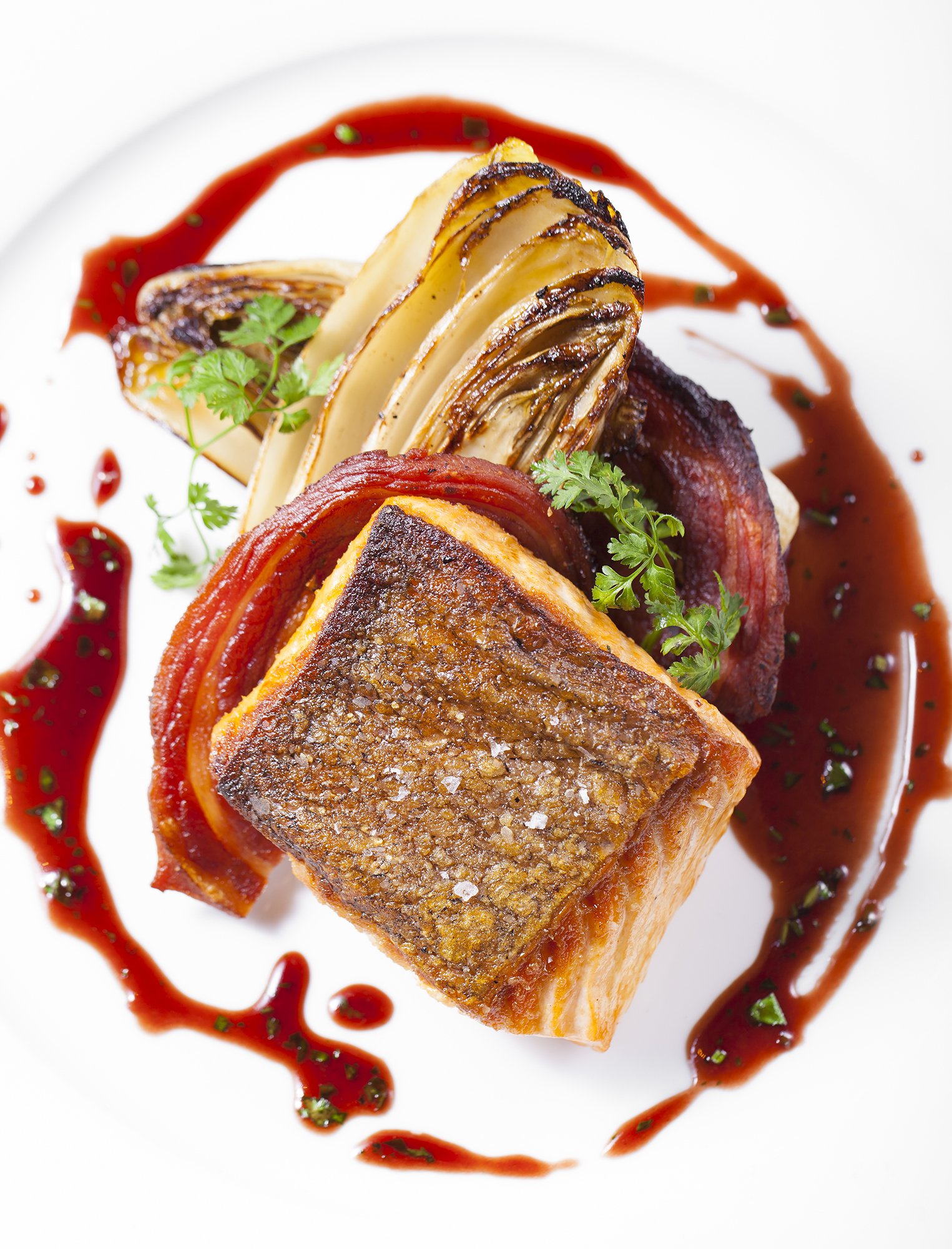
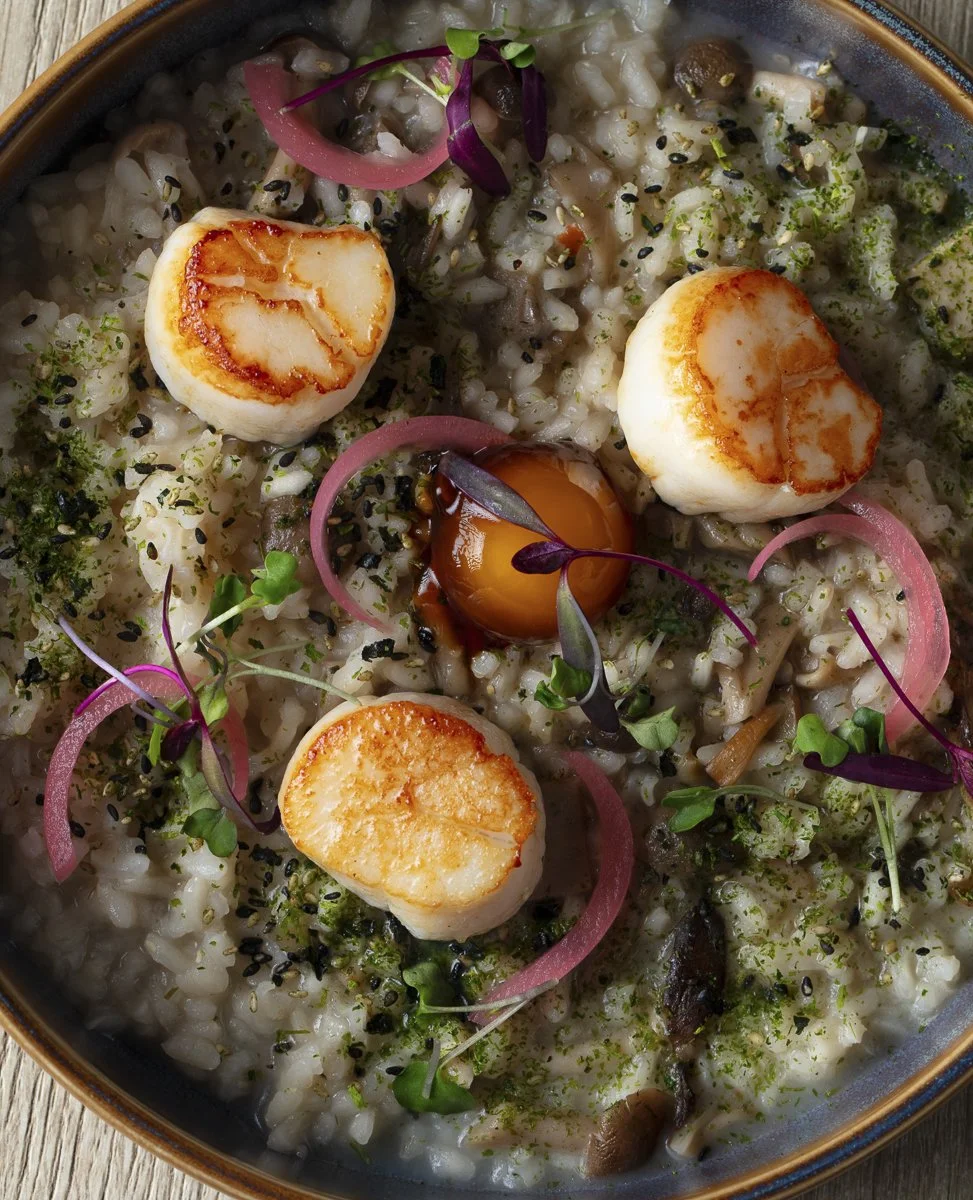
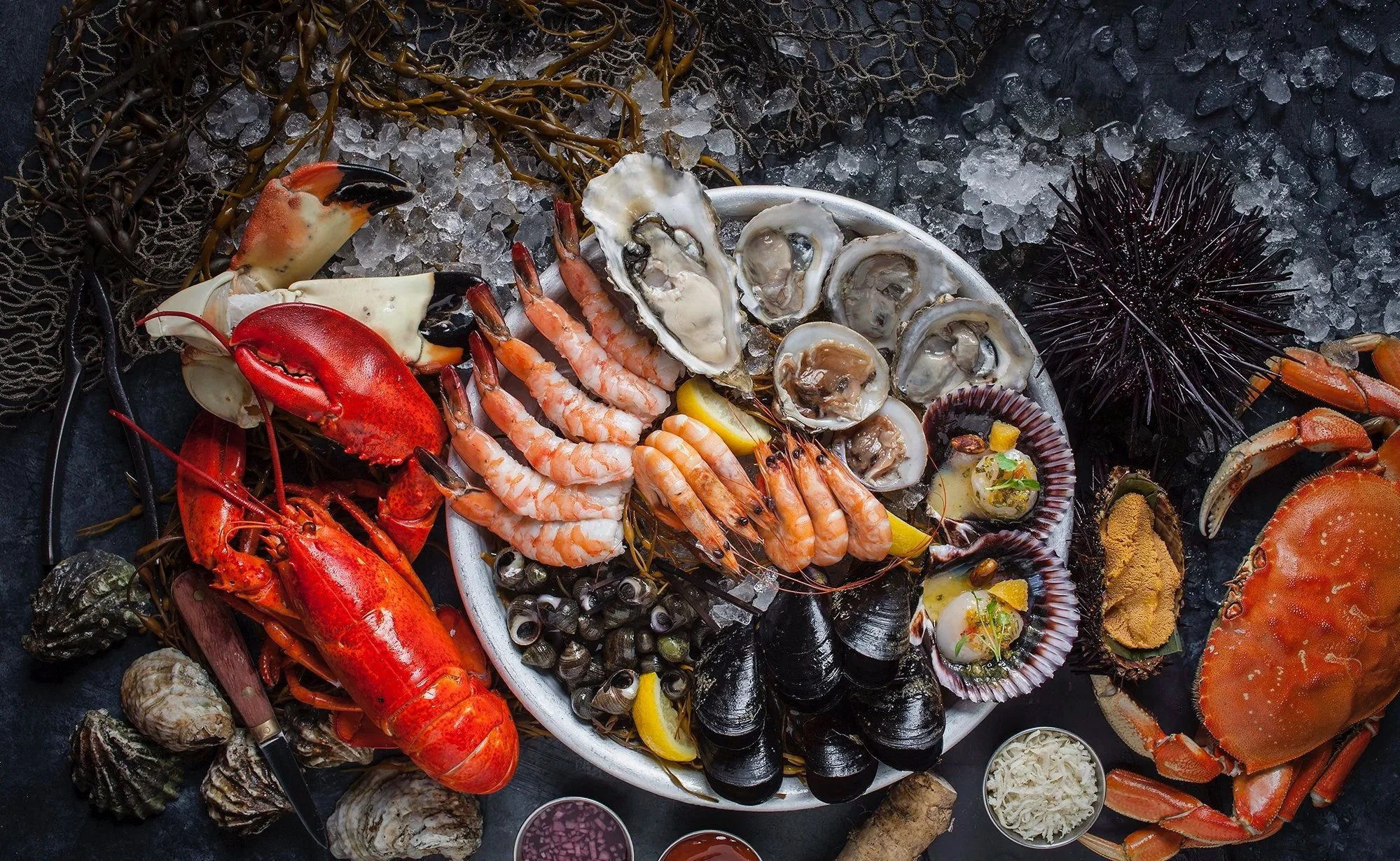
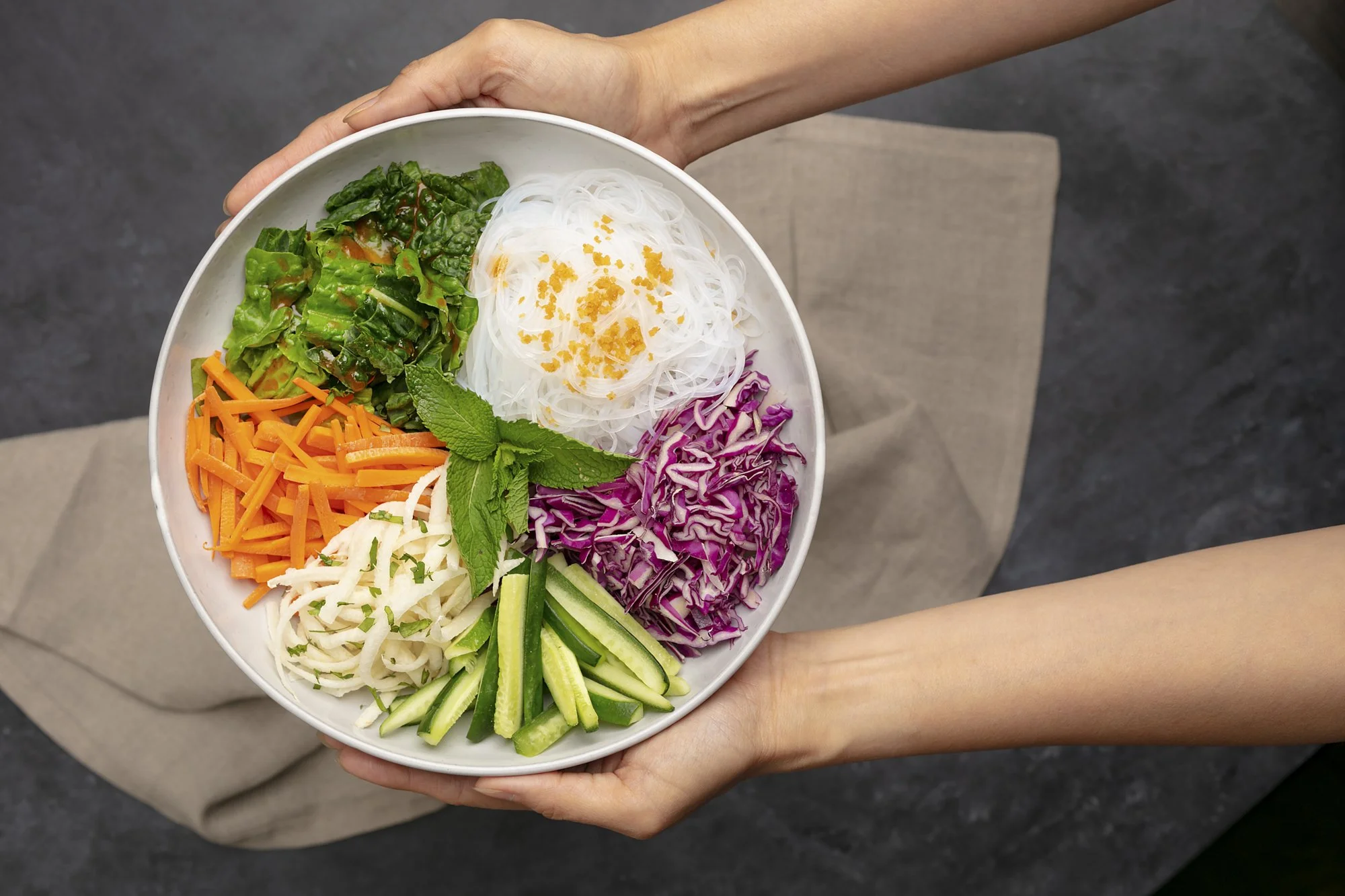
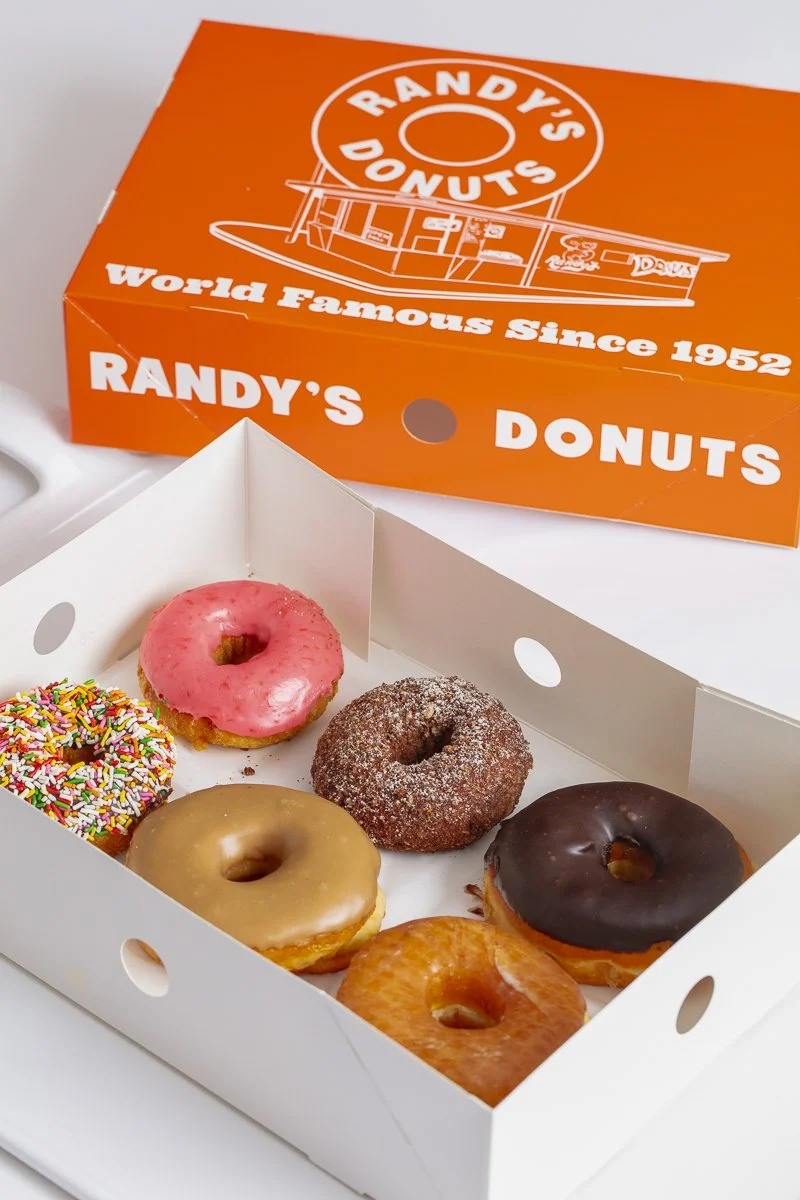

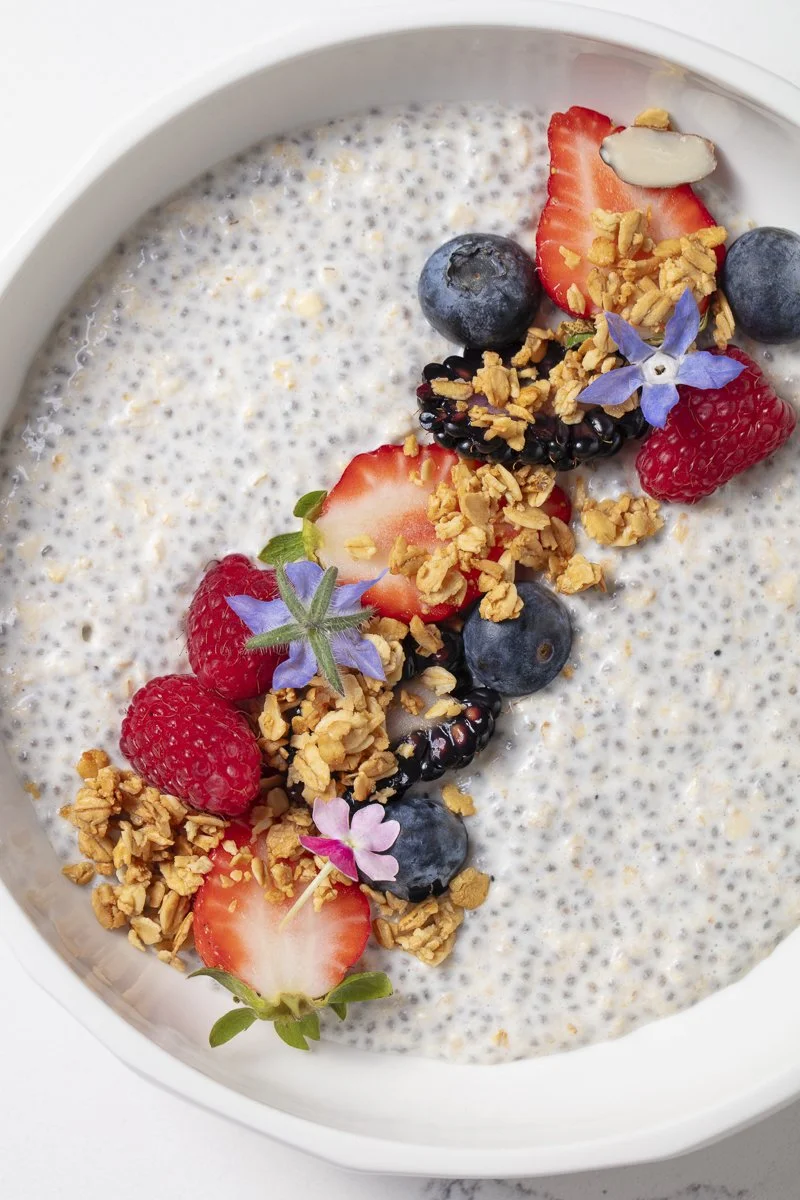
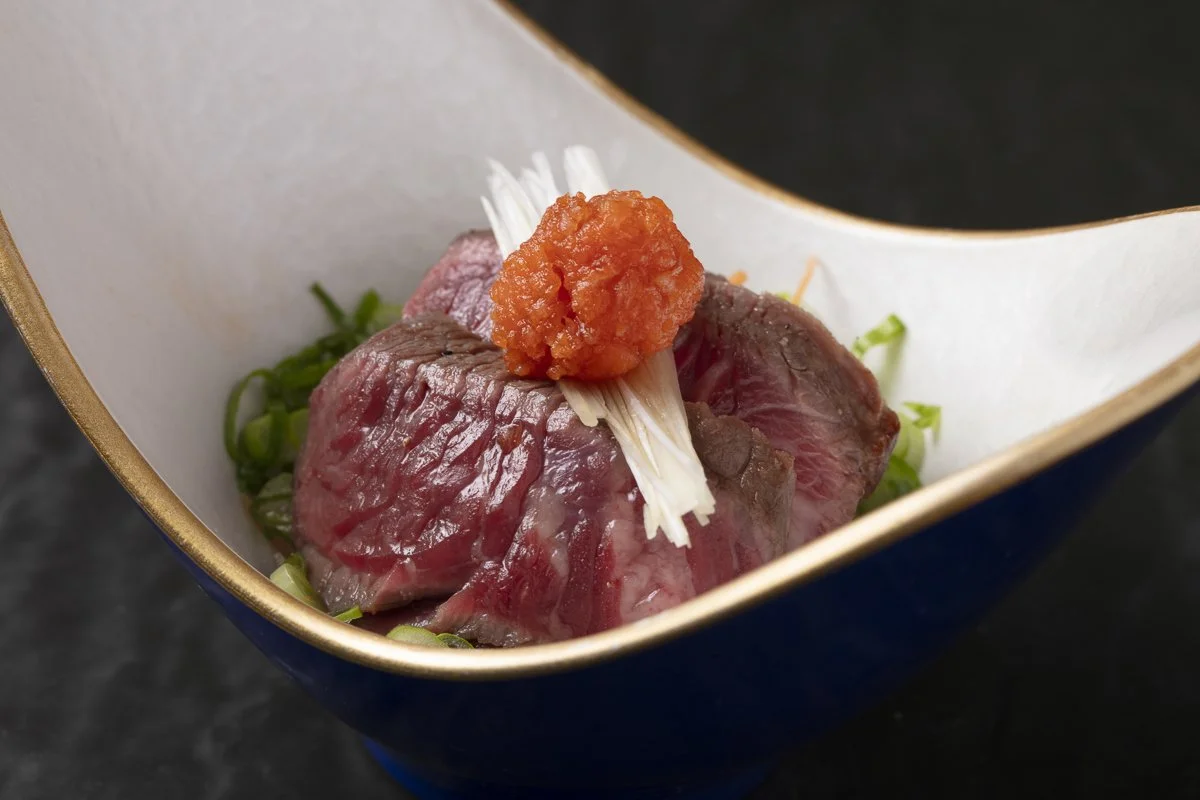
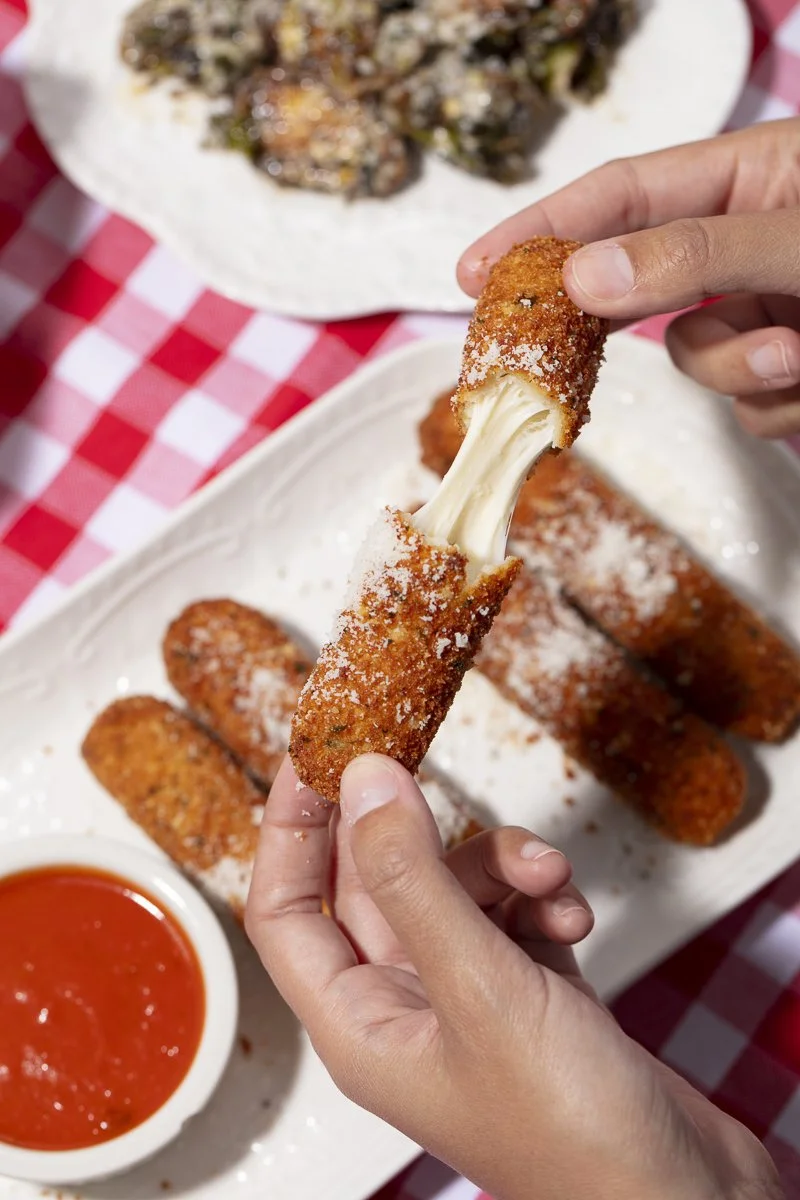
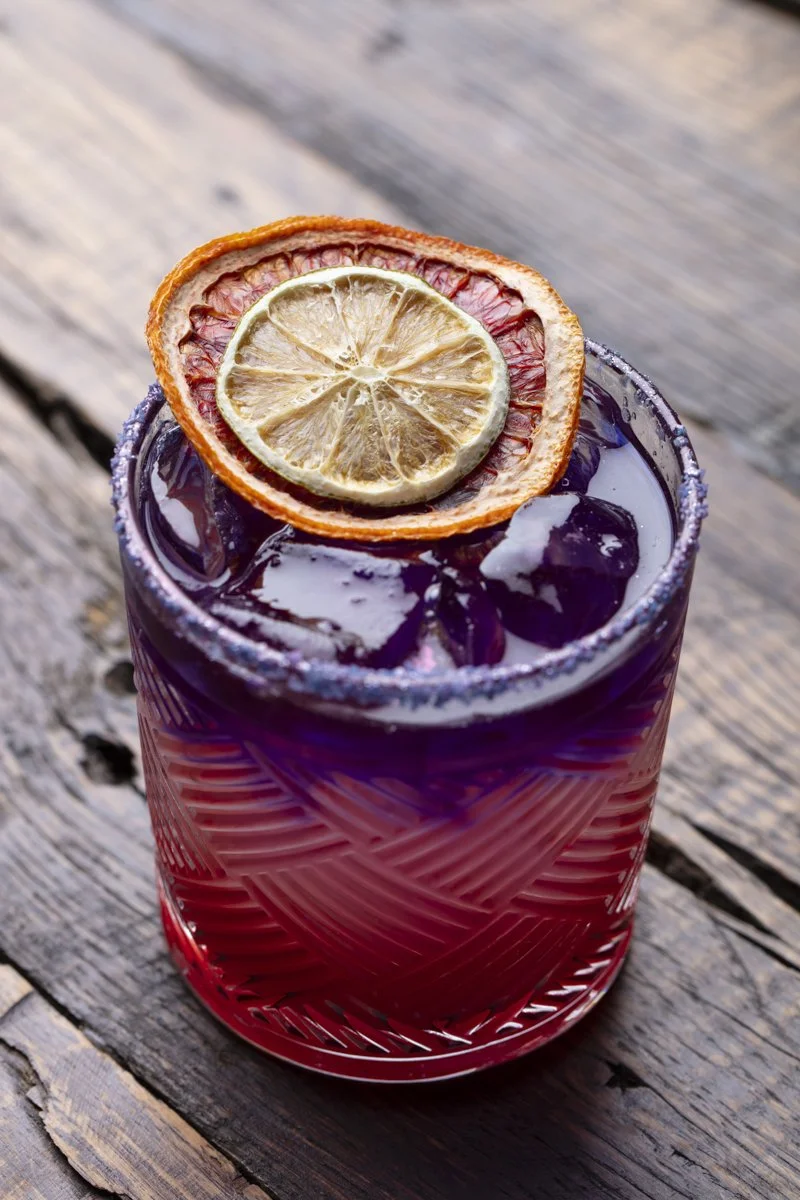
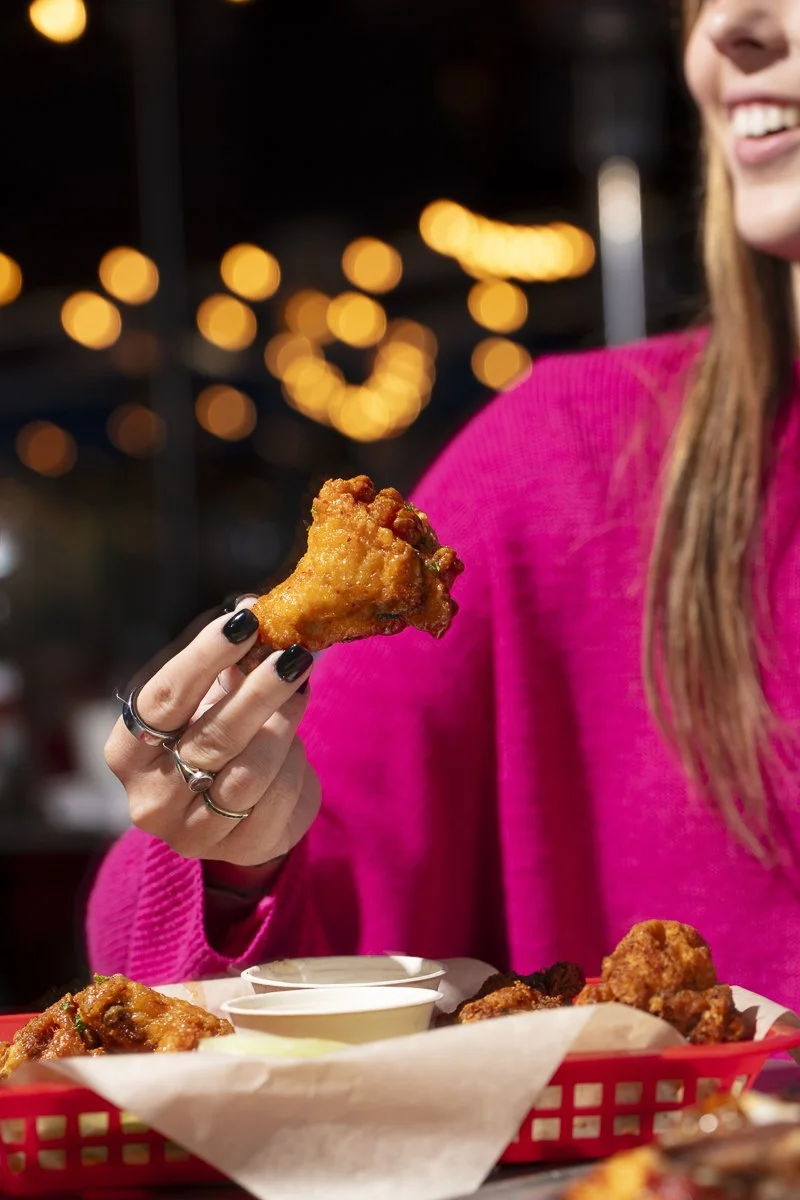
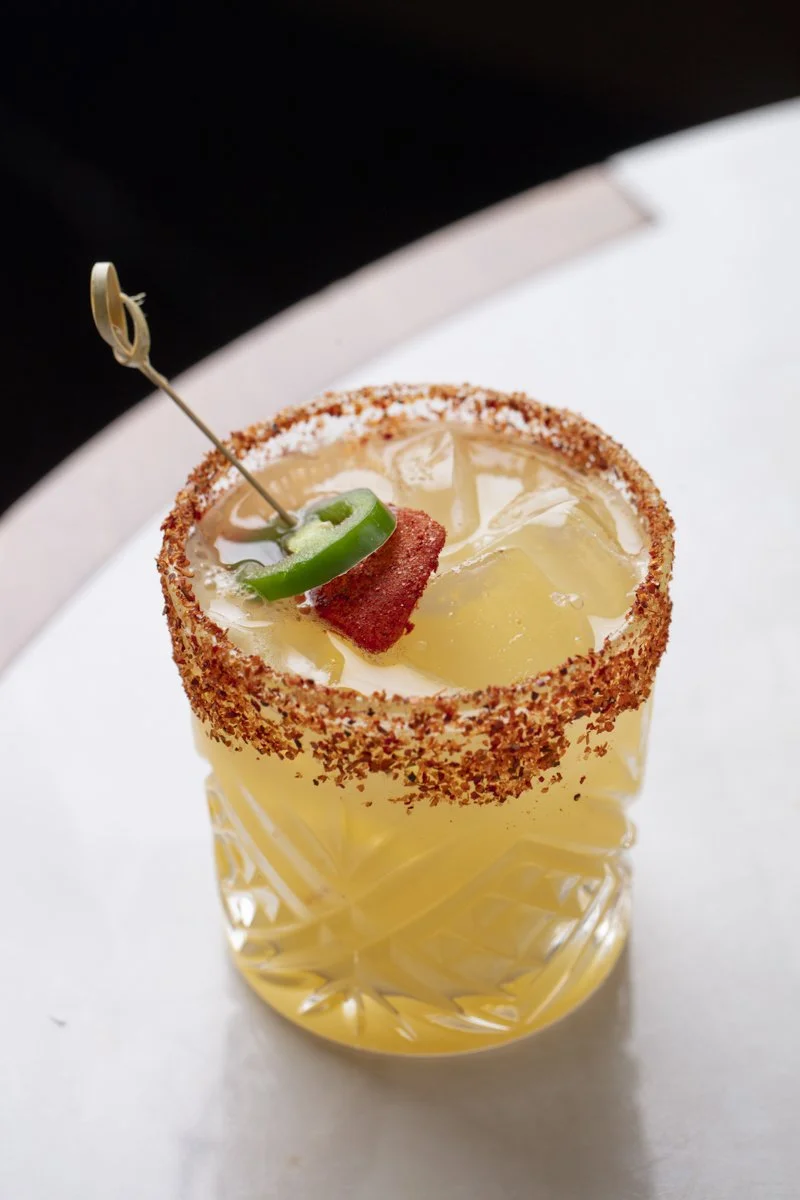
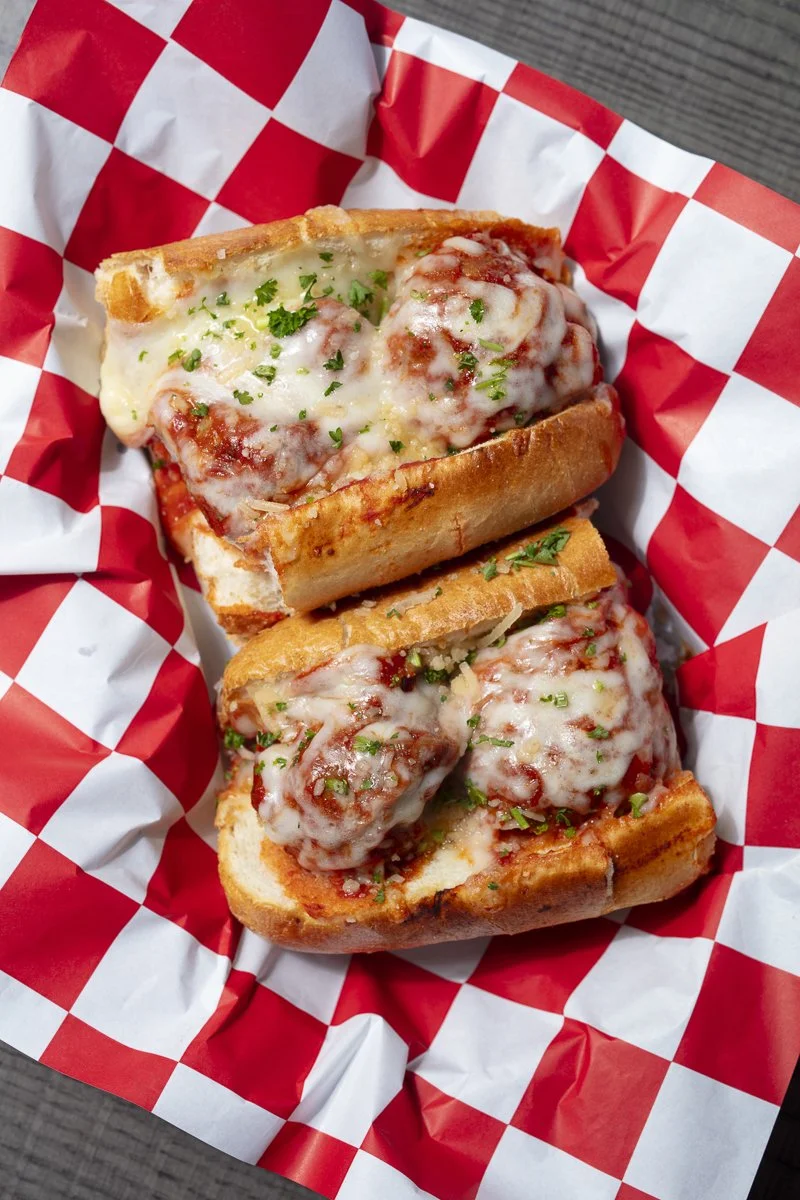
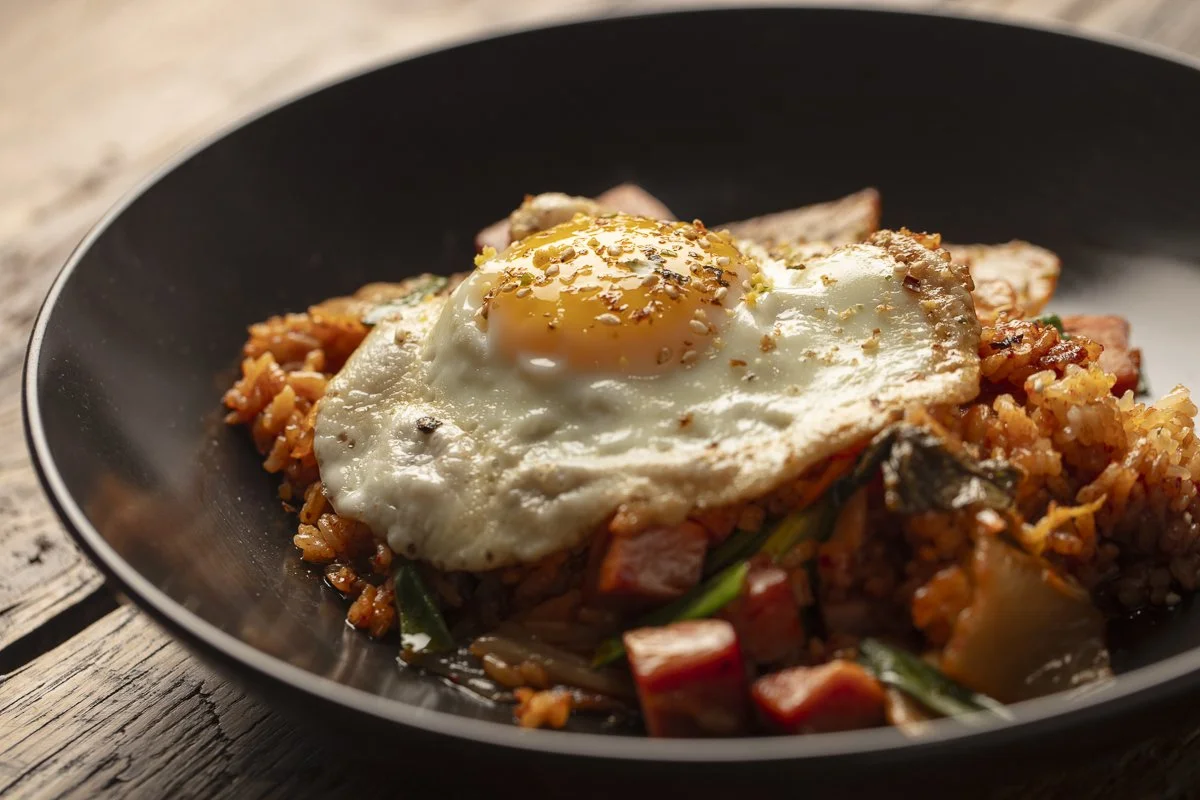
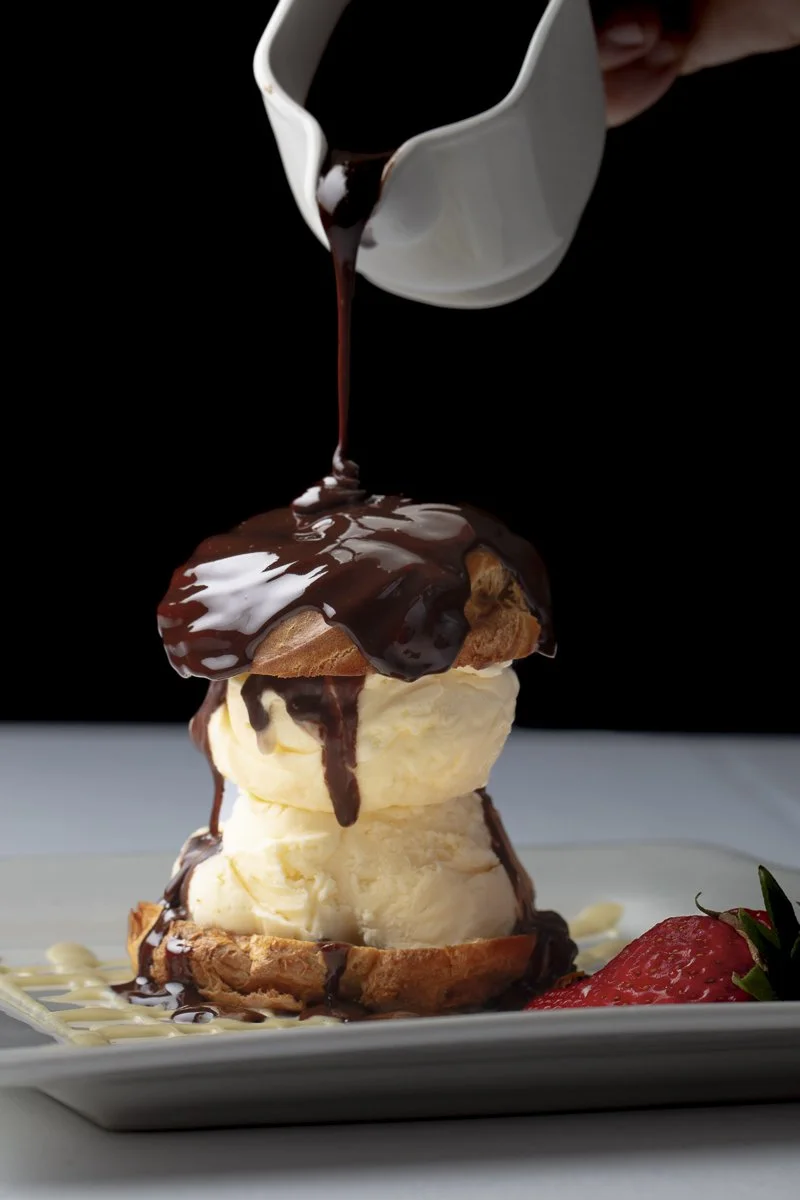
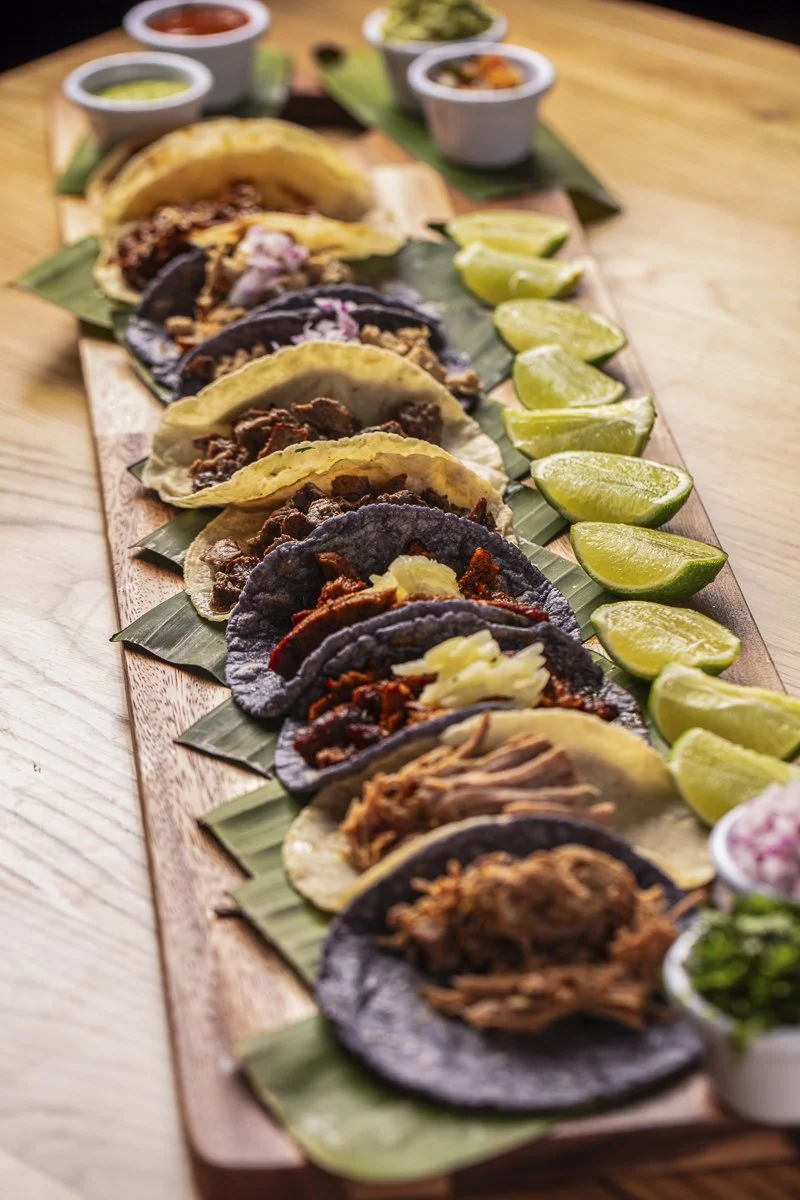
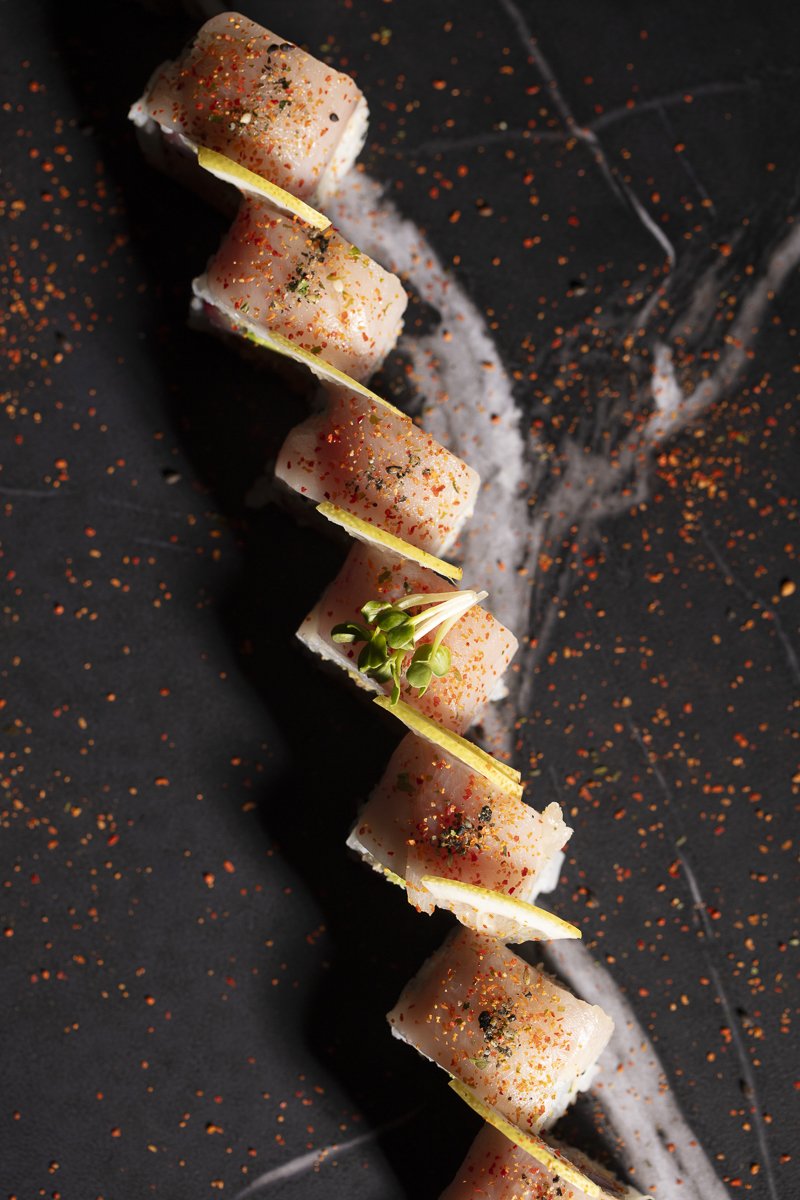

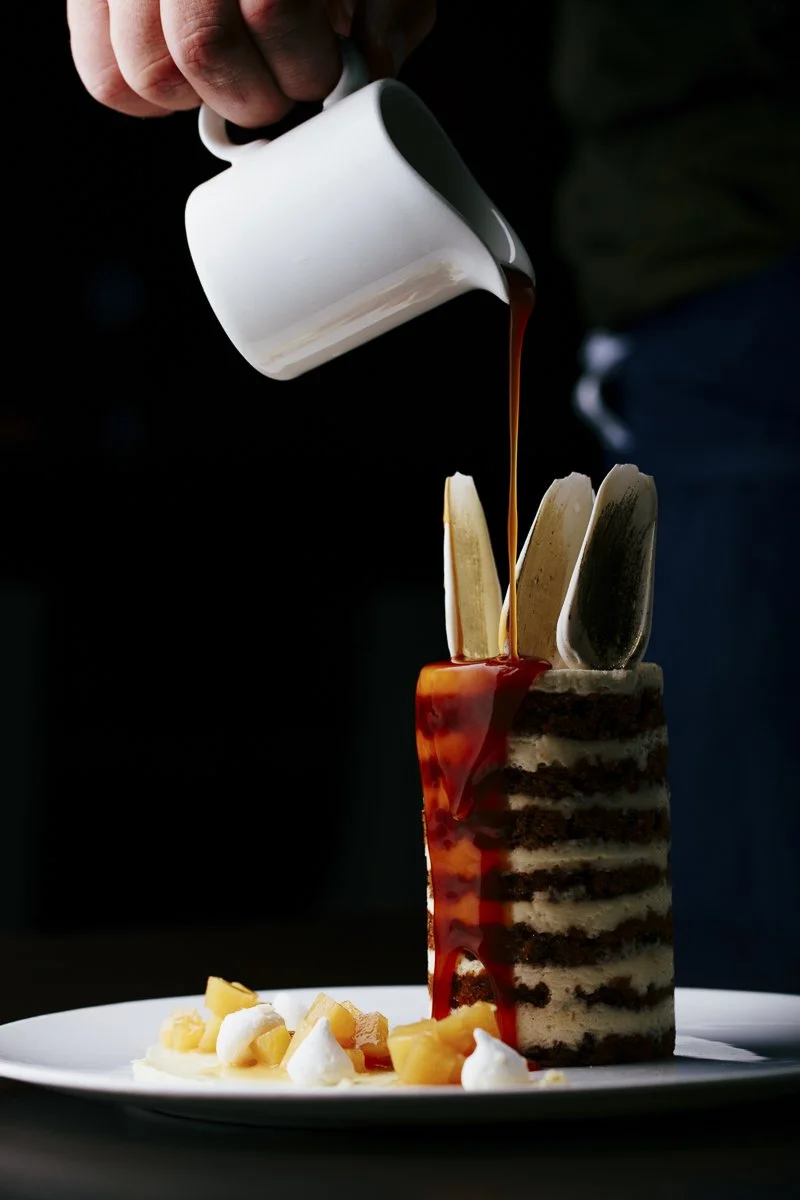
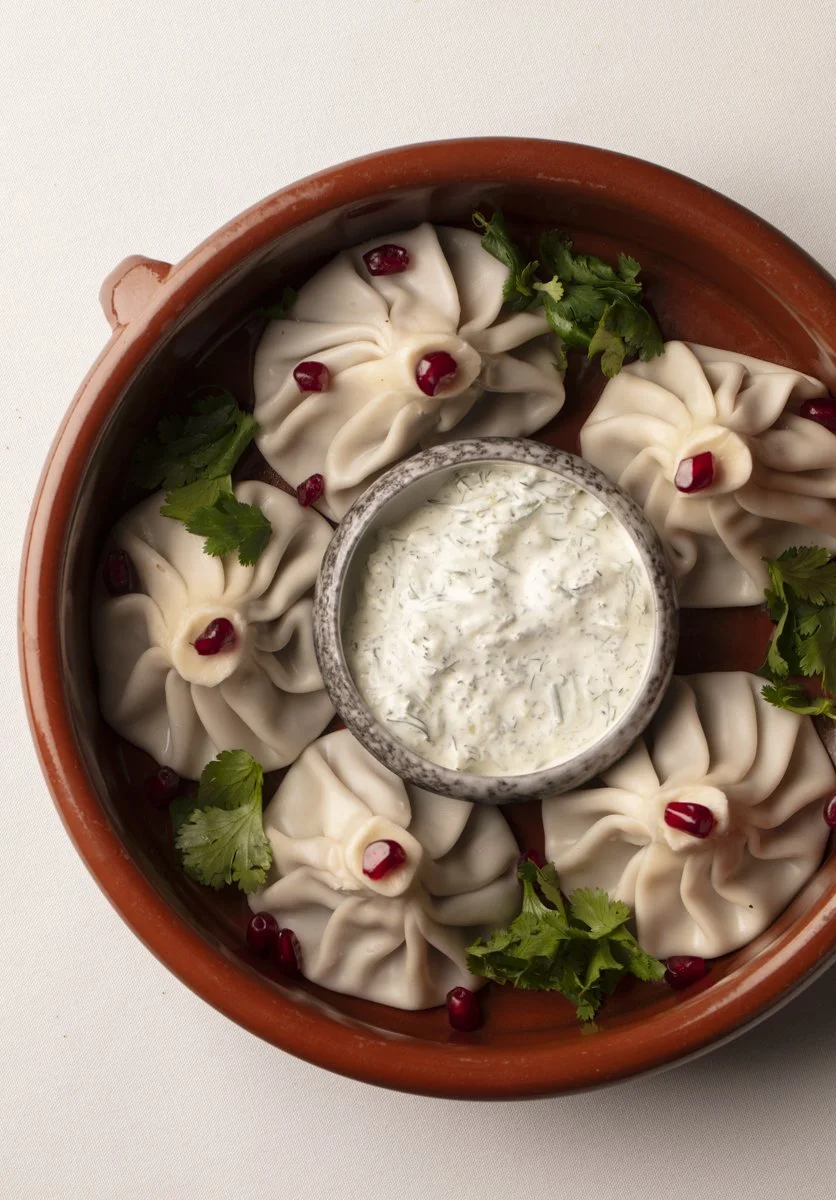
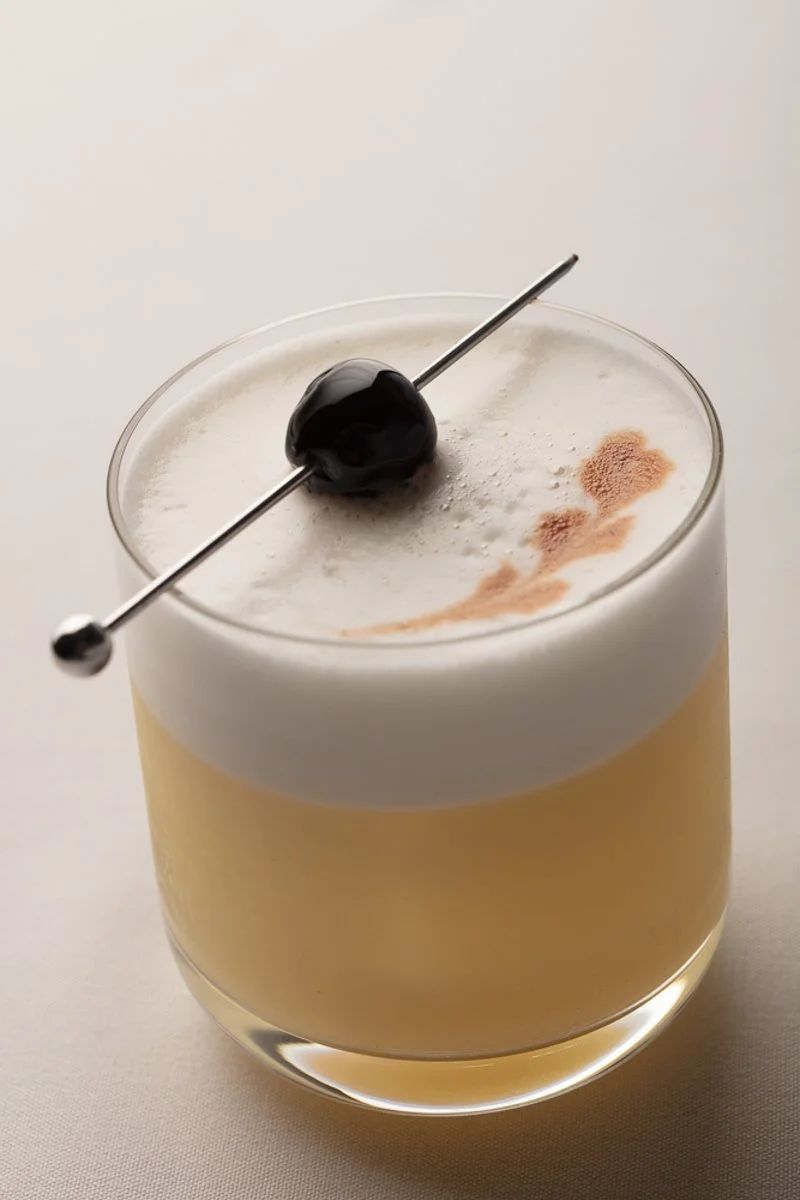
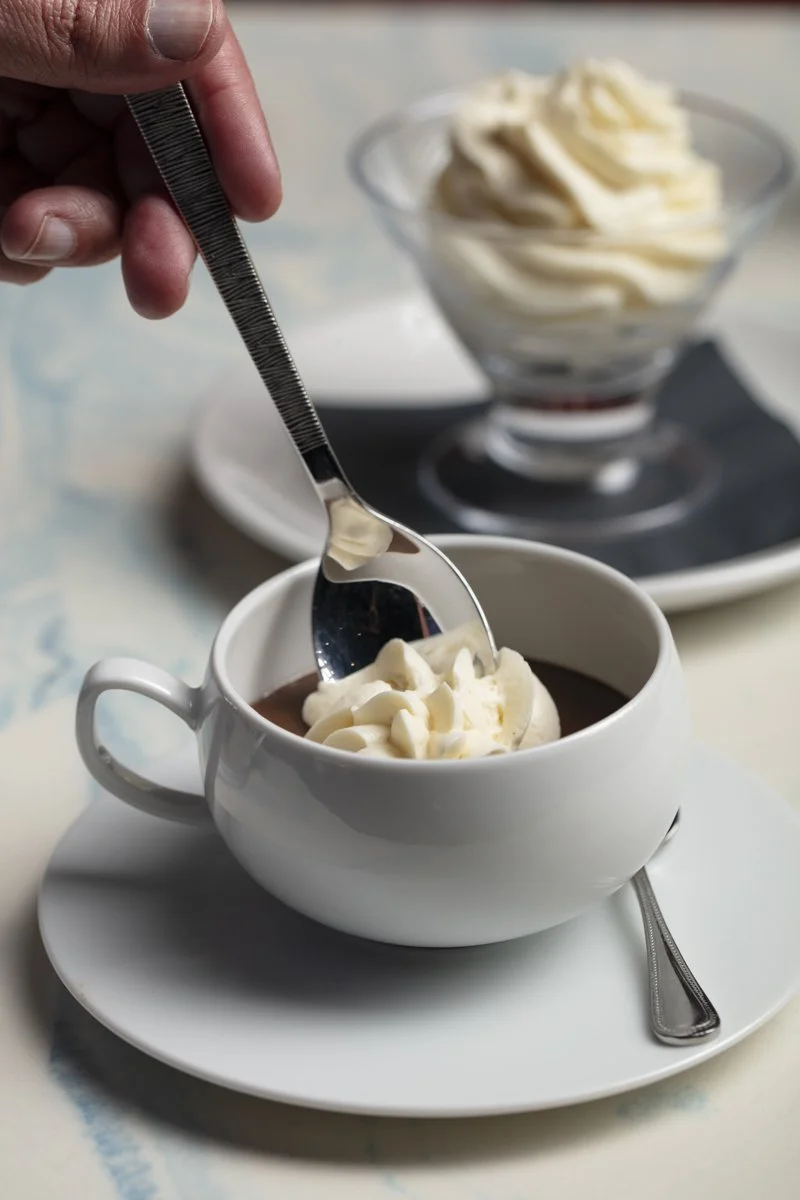
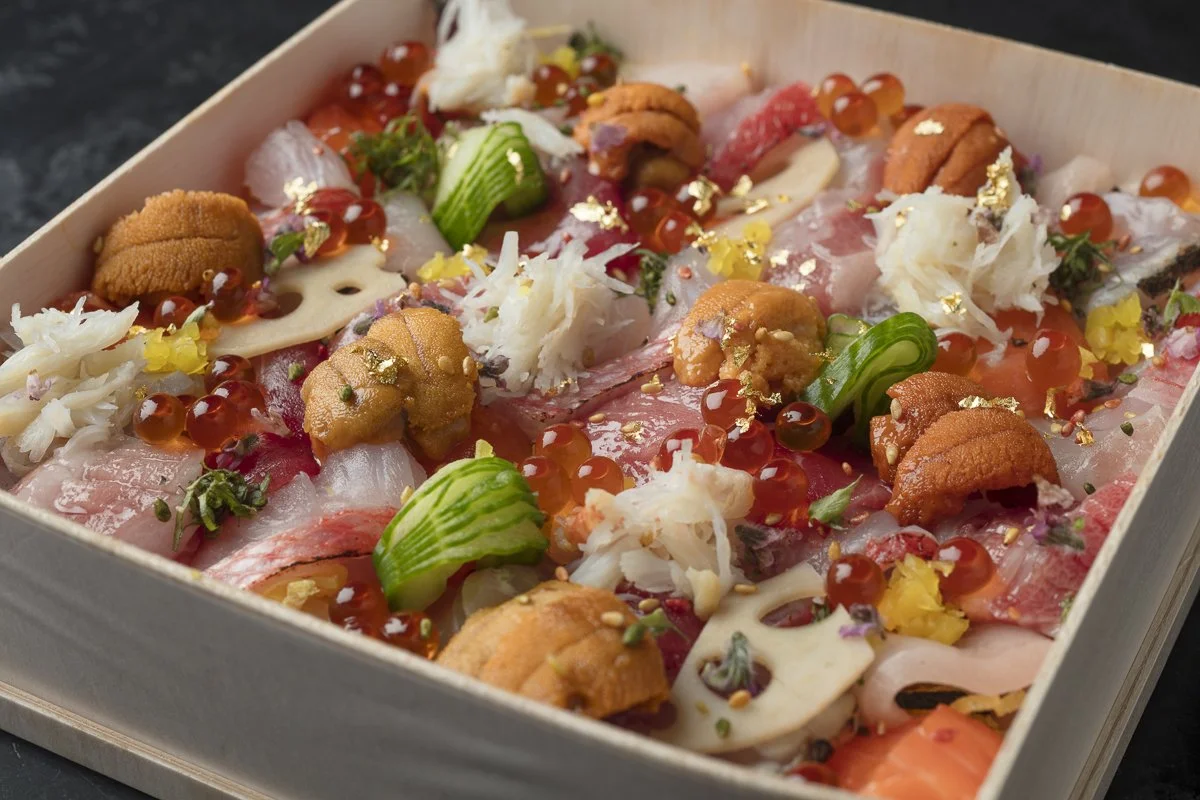
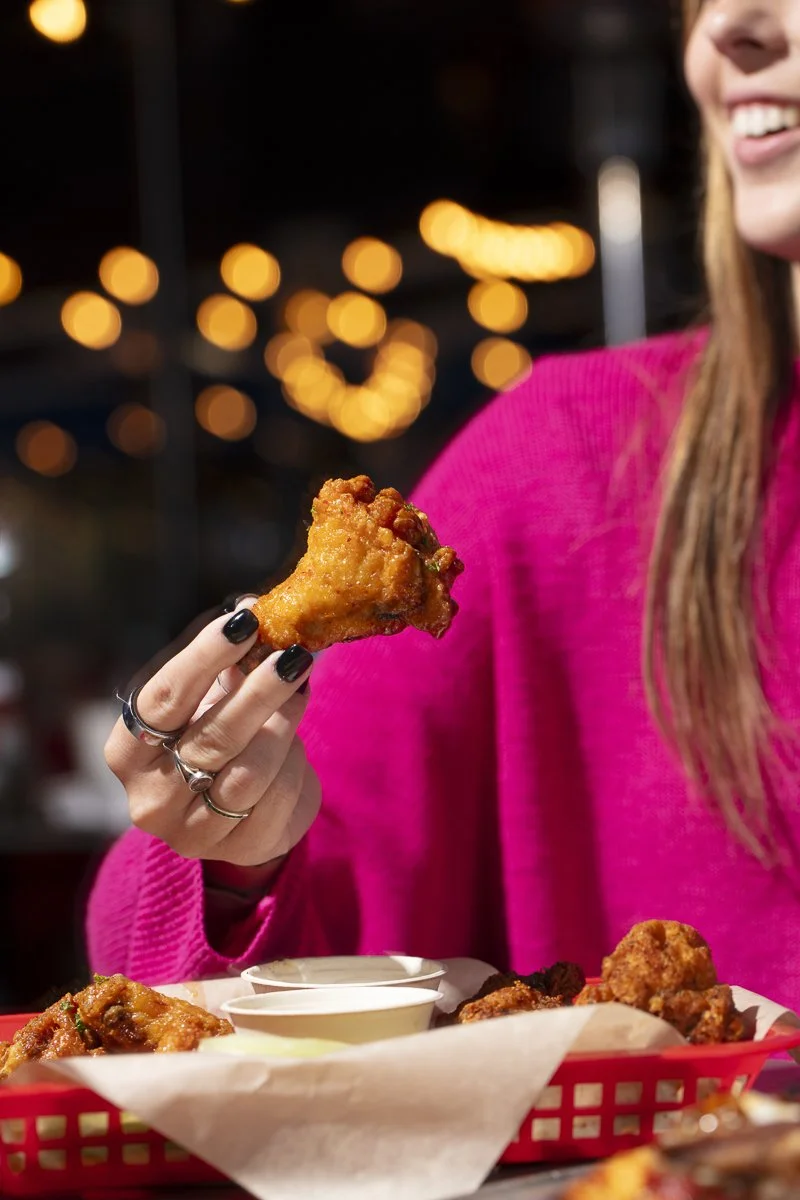
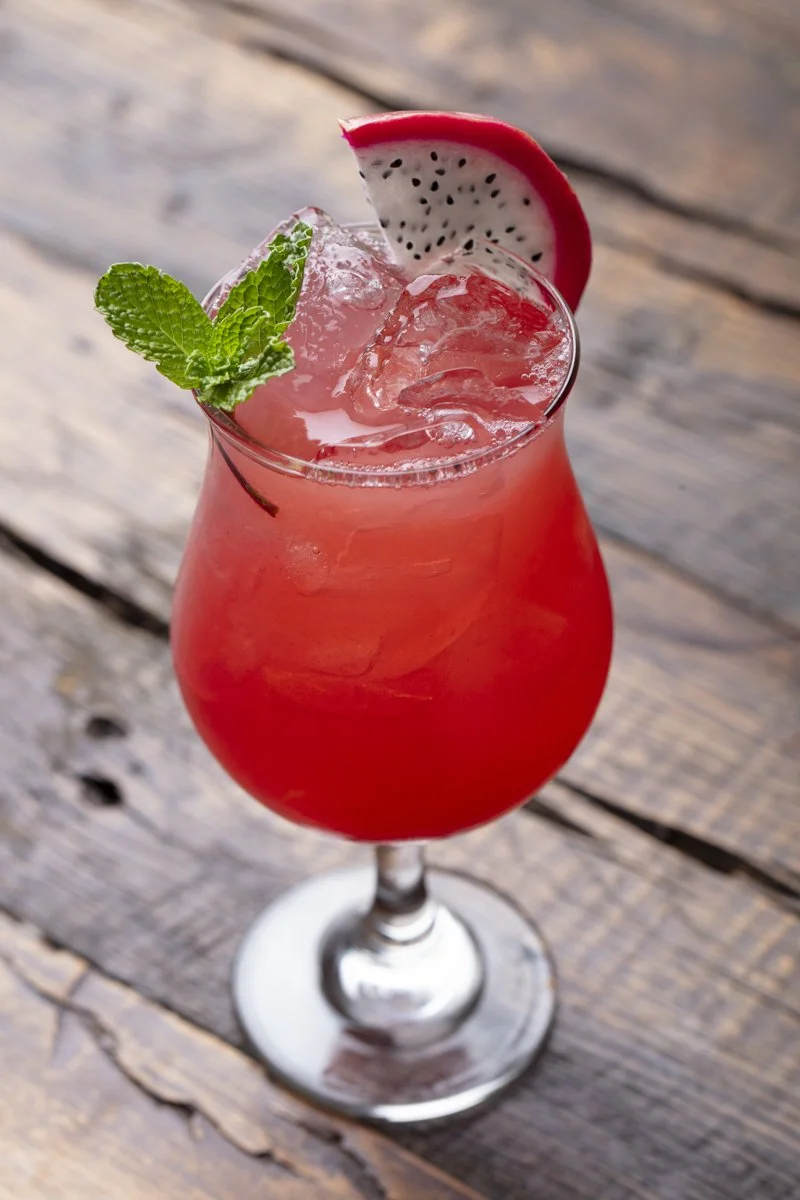
Food photography in Palm Springs
I'm Alan De Herrera, and I shoot food in Palm Springs and across the desert. Clients here include Ash & Vine.
Desert light is its own problem. It's hard and bright for most of the day, then turns gold and disappears fast, so a patio table at two in the afternoon and the same table at six are two completely different shoots.
What I shoot here
Menus, rooms, delivery apps and video
I shape that light rather than fight it — diffusion overhead to soften the sun, flags to kill the glare bouncing off white stucco and pool decks, and my own light to fill what the sky leaves flat. It means a patio shoot can happen at the hour that suits your kitchen instead of the hour that suits the sun.
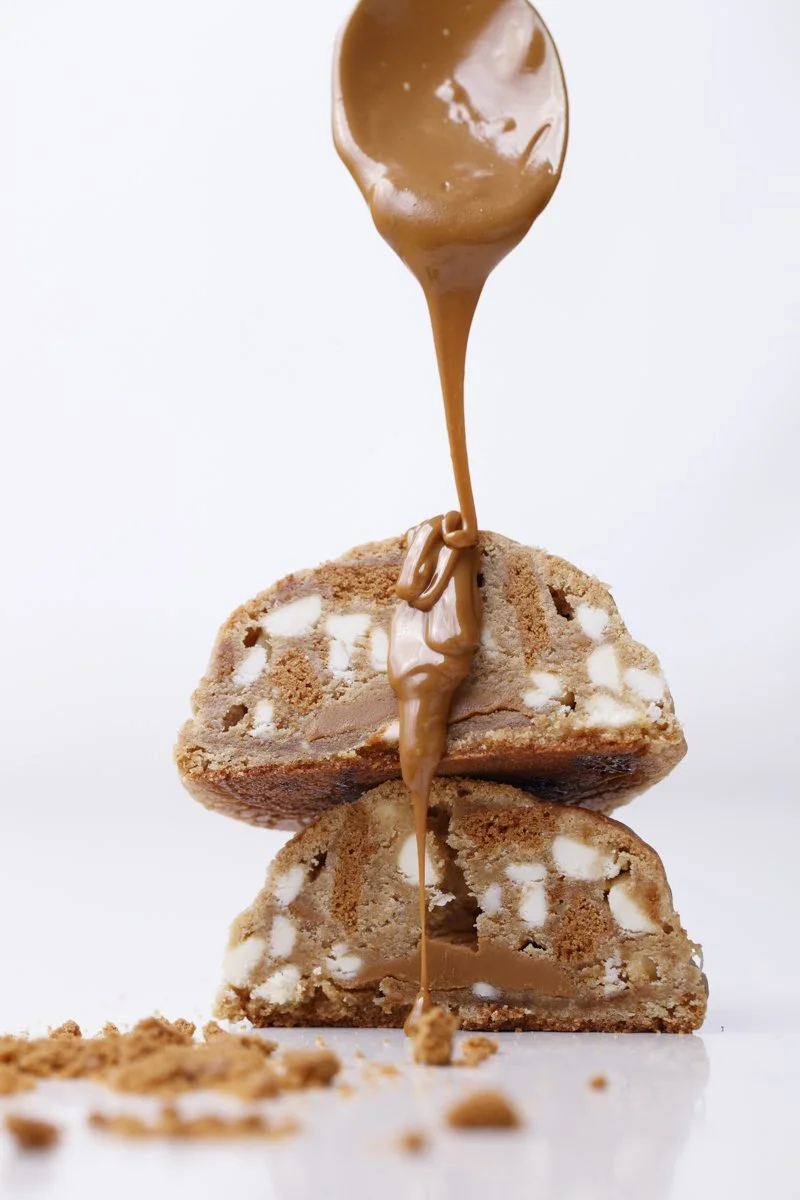
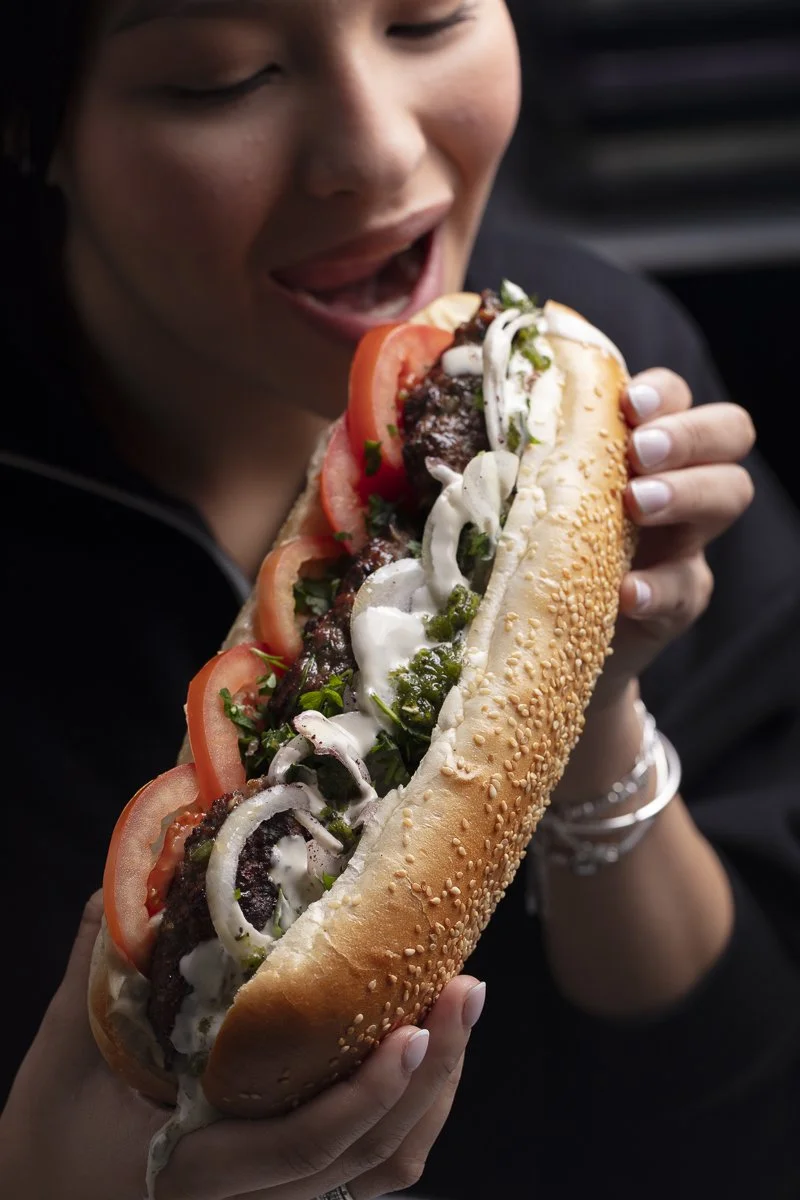
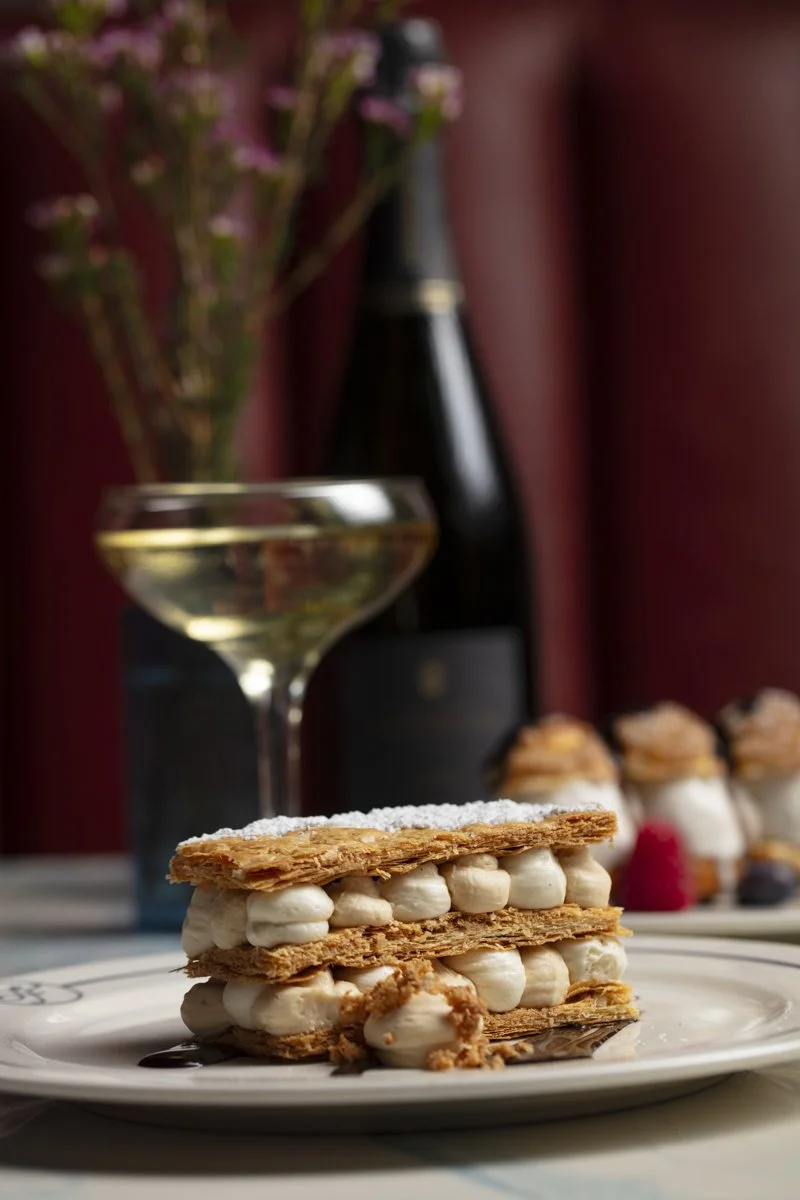
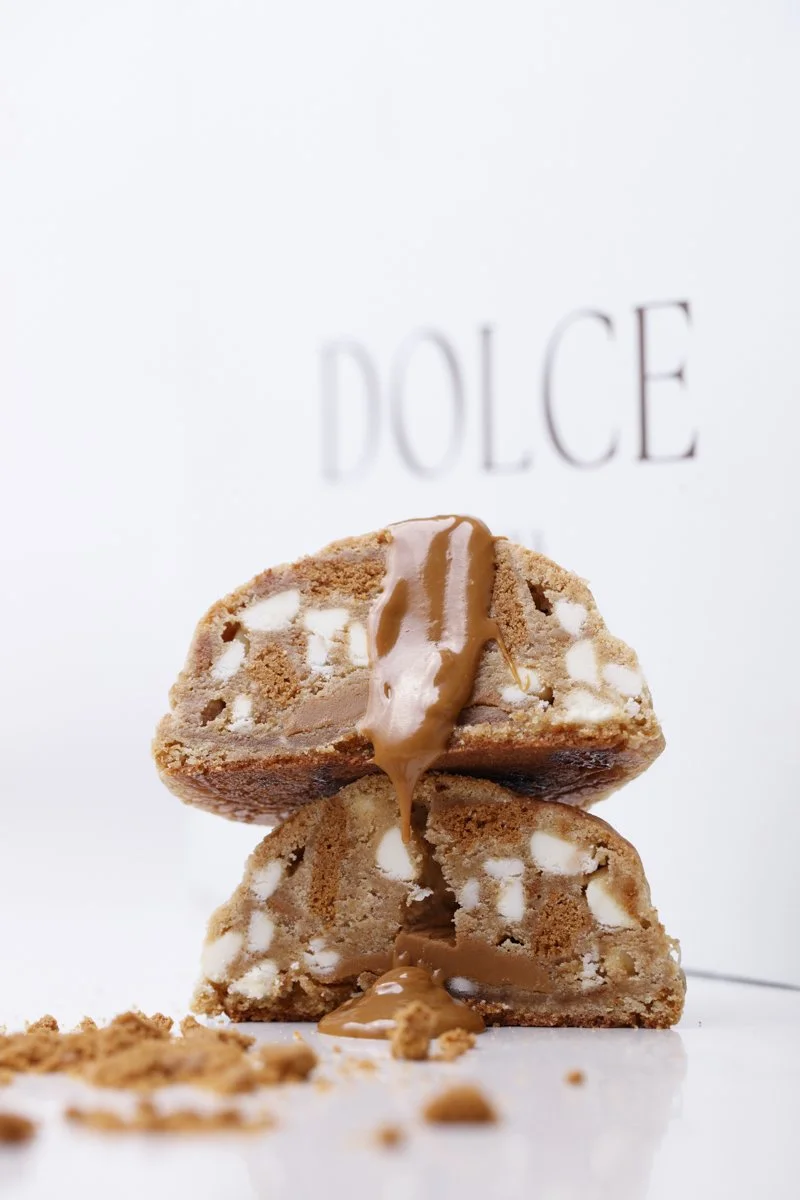
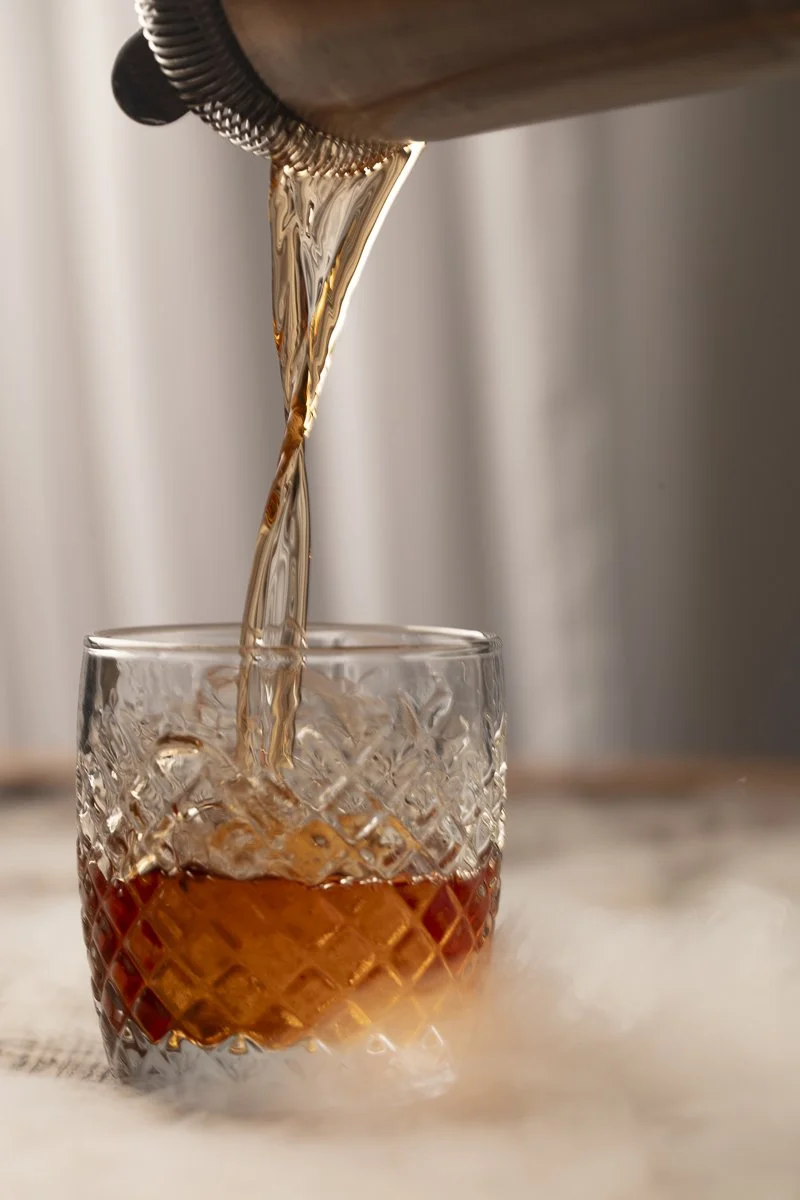
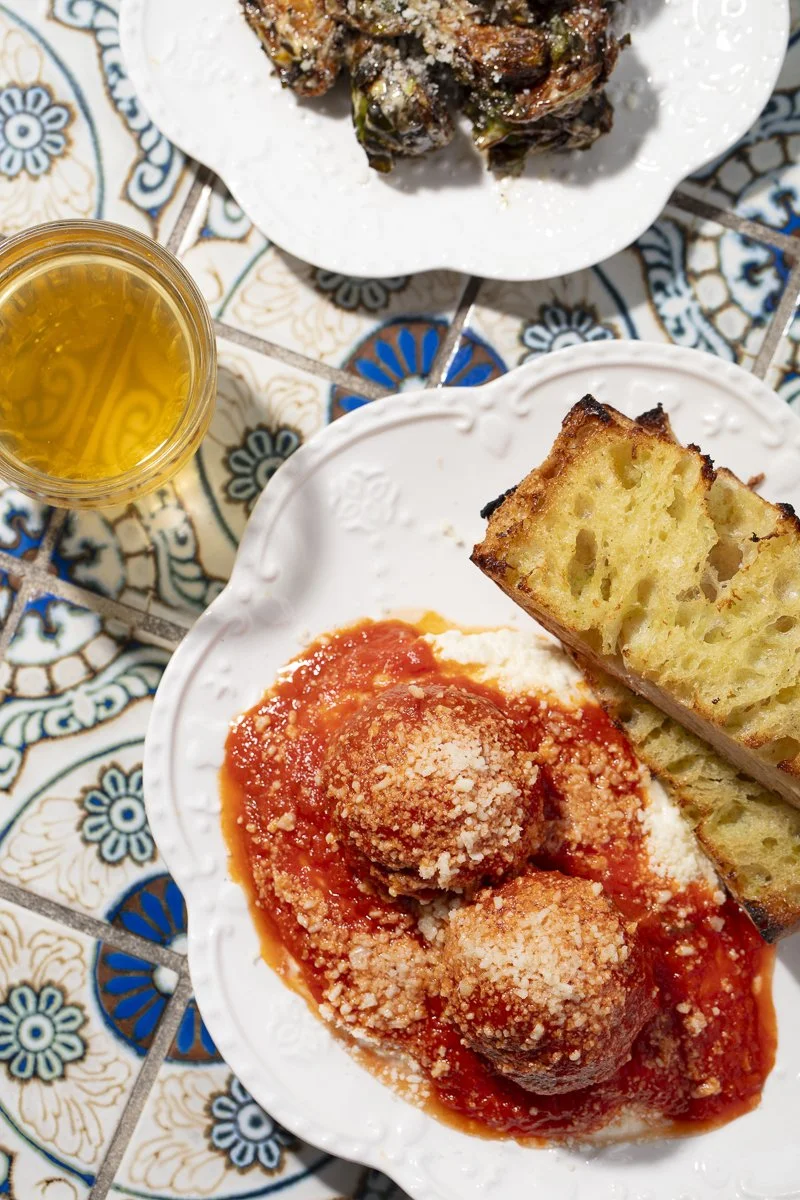
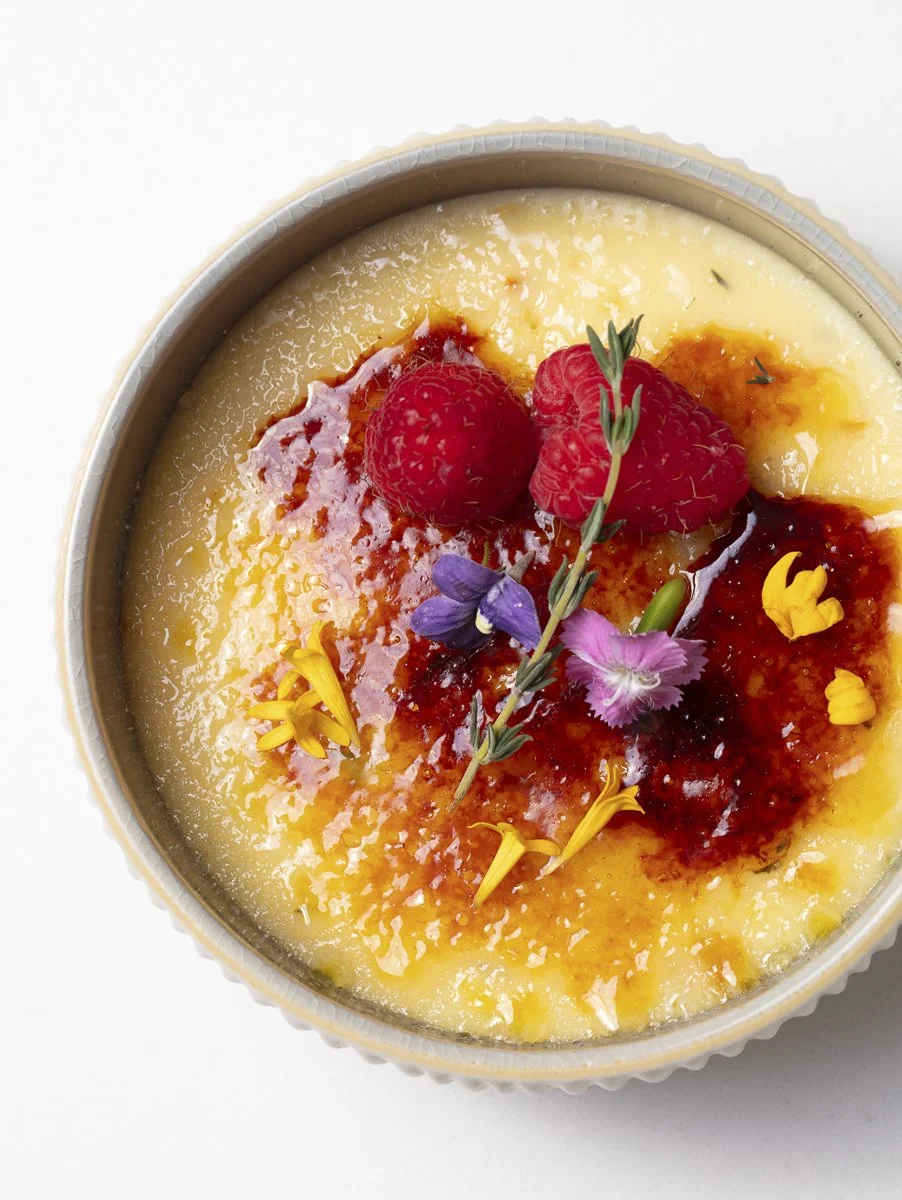
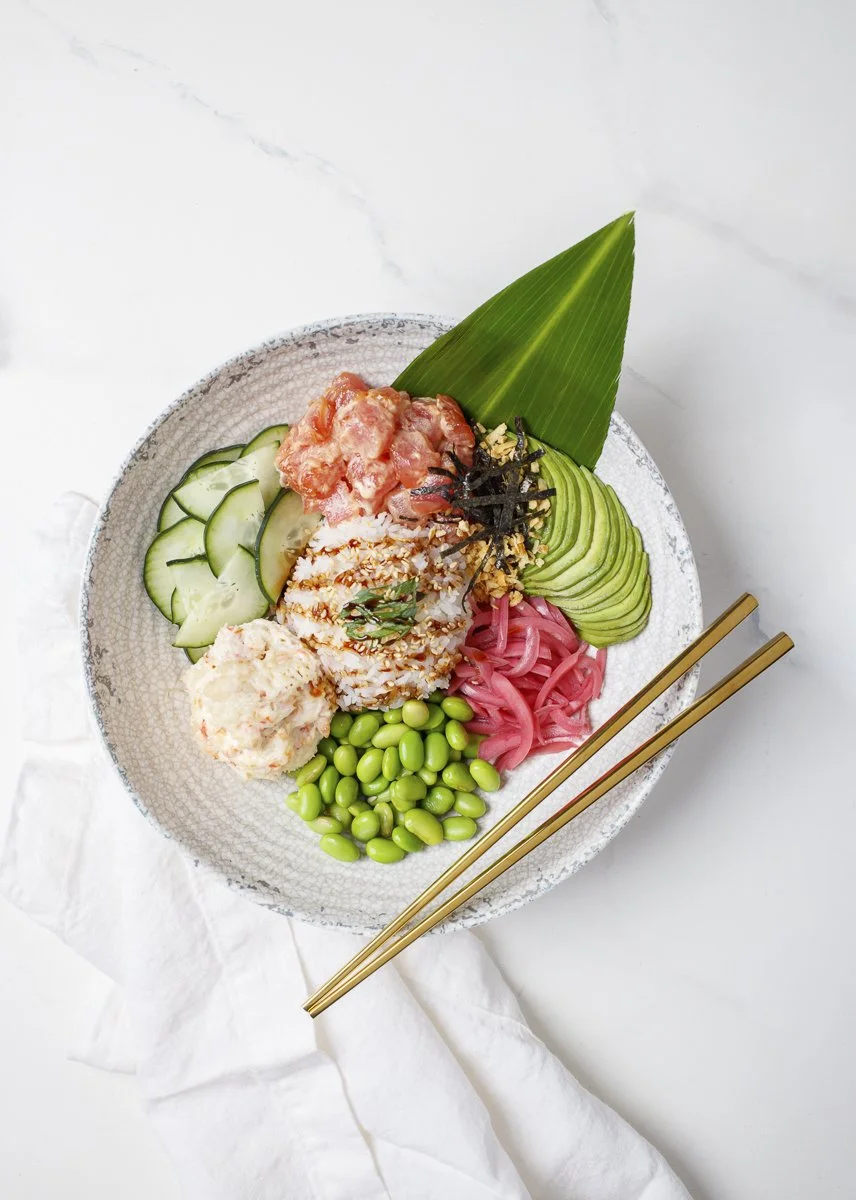
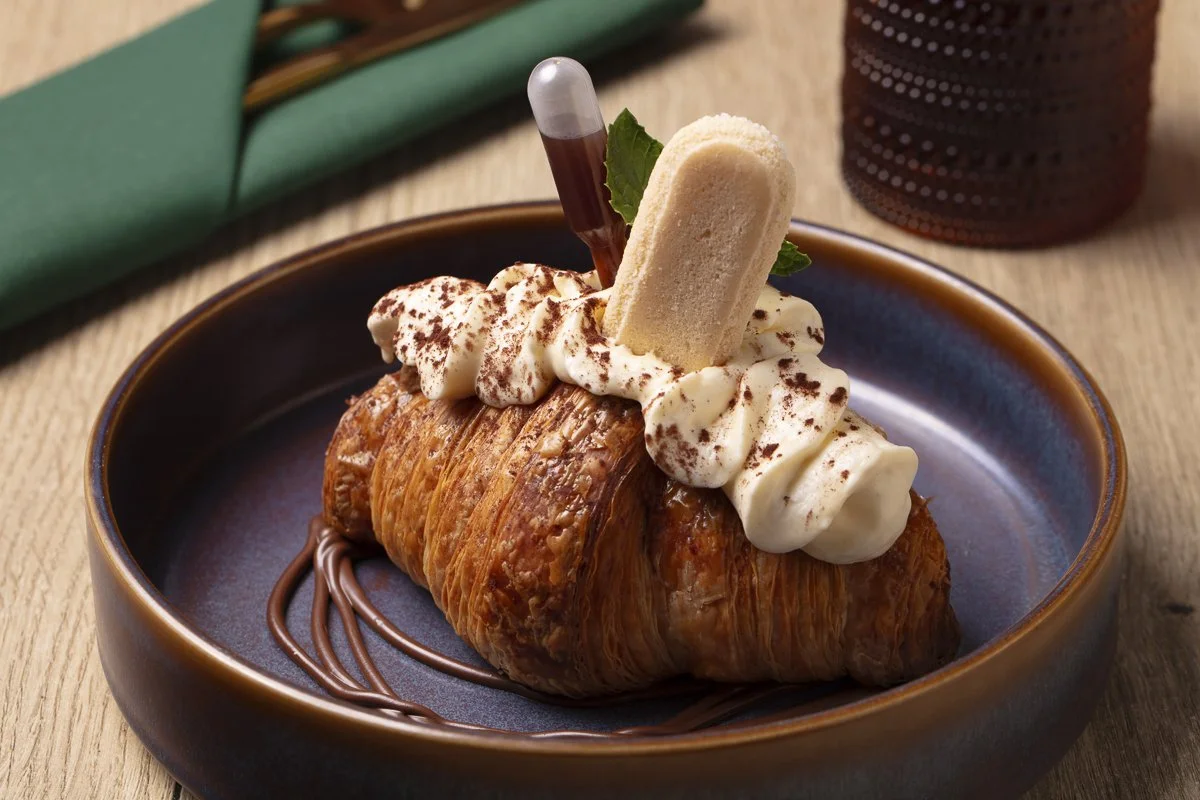
The rest is the usual: tight menu images for the website and the ordering apps, lifestyle frames that make the room look like somewhere worth booking, and vertical video cut from the same visit.
Read more about how a day runs
We agree a shot list before the date, grouped by where the images are going — menu, website, ordering app, social. On the day I build one lighting set-up that carries the whole list, so the last dish looks like the first, and you watch every frame full size on a tethered monitor next to me. Anything you don't like gets fixed while the food is still in front of us.
A full day is thirty to forty-five dishes plus room and detail shots; a half day is fifteen to twenty. We work around service, so closing is almost never necessary.
Booking
Rates, turnaround and coverage
Flat rates start at $495 and include unlimited images from the shoot — no per-image fees, no licensing tiers. Hourly is available for smaller jobs. Photos are delivered within three business days, fully edited.
I cover Palm Springs and the Coachella Valley — Palm Desert, Rancho Mirage, Cathedral City, La Quinta, Indian Wells and Indio — and I'm in Orange County, Los Angeles, San Diego and Riverside most weeks.
Send me your menu and roughly when you need the images, and I'll come back with a straight number.
— Alan De Herrera, Plate to Pixel
Palm Springs food photography questions
How much does a food photographer cost in Palm Springs?
My flat rates start at $495 and include unlimited images from the shoot, editing and delivery within three business days. Hourly is available for smaller jobs. The number moves with how many dishes you need, whether we add video, and whether any dish needs a food stylist.
No per-image fees and no licensing tiers — the images are yours for anything, forever.
Do you come to my restaurant?
Yes. Nearly all of my work happens on location, in your kitchen and dining room, because the food is freshest where it's cooked and your room gives the lifestyle shots somewhere real to live. I bring all the lighting, so a windowless corner works as well as a bright patio.
How many dishes can we shoot in a day?
Thirty to forty-five on a full day, plus room and detail shots. Fifteen to twenty on a half day. The limiting factor is usually how fast the kitchen can plate, not the camera, which is why we agree a shot list in advance.
Do I need a food stylist?
Sometimes. Ice cream, melting cheese, foam and any hero item that has to hold for hours really benefit from one. For most plated restaurant menus your own kitchen team can plate for camera with me directing, and you save the cost.
I'll tell you honestly which of your dishes need one before we book, and styling is quoted separately so you're never paying for it by default.
Do you shoot video as well as photography?
Yes, usually in the same visit. Vertical reels for Instagram and TikTok, hero footage for your website, and full restaurant video production when you want something with a story. The lights are already up and the food is already styled, which makes it the cheapest video you'll ever buy.
Do we have to close the restaurant?
Almost never. I work around service, usually setting up between lunch and dinner or in a corner of the dining room. If a specific shot needs the room empty we schedule that part around your quietest hour.
How soon do I get the photos?
Within three business days of the shoot, fully edited, in web-ready and full-resolution versions. Where you need images clipped to white for delivery apps or print, those come with a real shadow under the food rather than a floating cut-out.
Can I use the images on DoorDash and Uber Eats?
Yes — and on your menu, website, social, paid ads, print and packaging. I shoot delivery-app images to the crops and sizes each platform asks for, named so your manager can drop them straight into the merchant portal.
What areas around Palm Springs do you cover?
Palm Springs and the whole Coachella Valley. Palm Desert, Rancho Mirage, Cathedral City, La Quinta, Indian Wells and Indio are all routine bookings. Orange County, Los Angeles, San Diego and Riverside are on the calendar most weeks too.