
Do Restaurants Own Their Food Photos? Licensing vs. Copyright, Explained
In 20 years as a food photographer in Orange County and across Southern California, I hear the same story from new clients again and again. They hired a photographer in the past, paid for a full day of shooting, and later sent one of those photos to a magazine or newspaper running a story about their restaurant. A few weeks later, a cease and desist letter arrived from the photographer, saying they were not allowed to use the image.
It is an easy mistake to make. Most restaurant owners assume that if they hire a photographer and pay for the shoot, they own every image the photographer takes. In most cases, they do not. Here is how food photography licensing and copyright really work, and the questions to ask before you hire a food photographer.
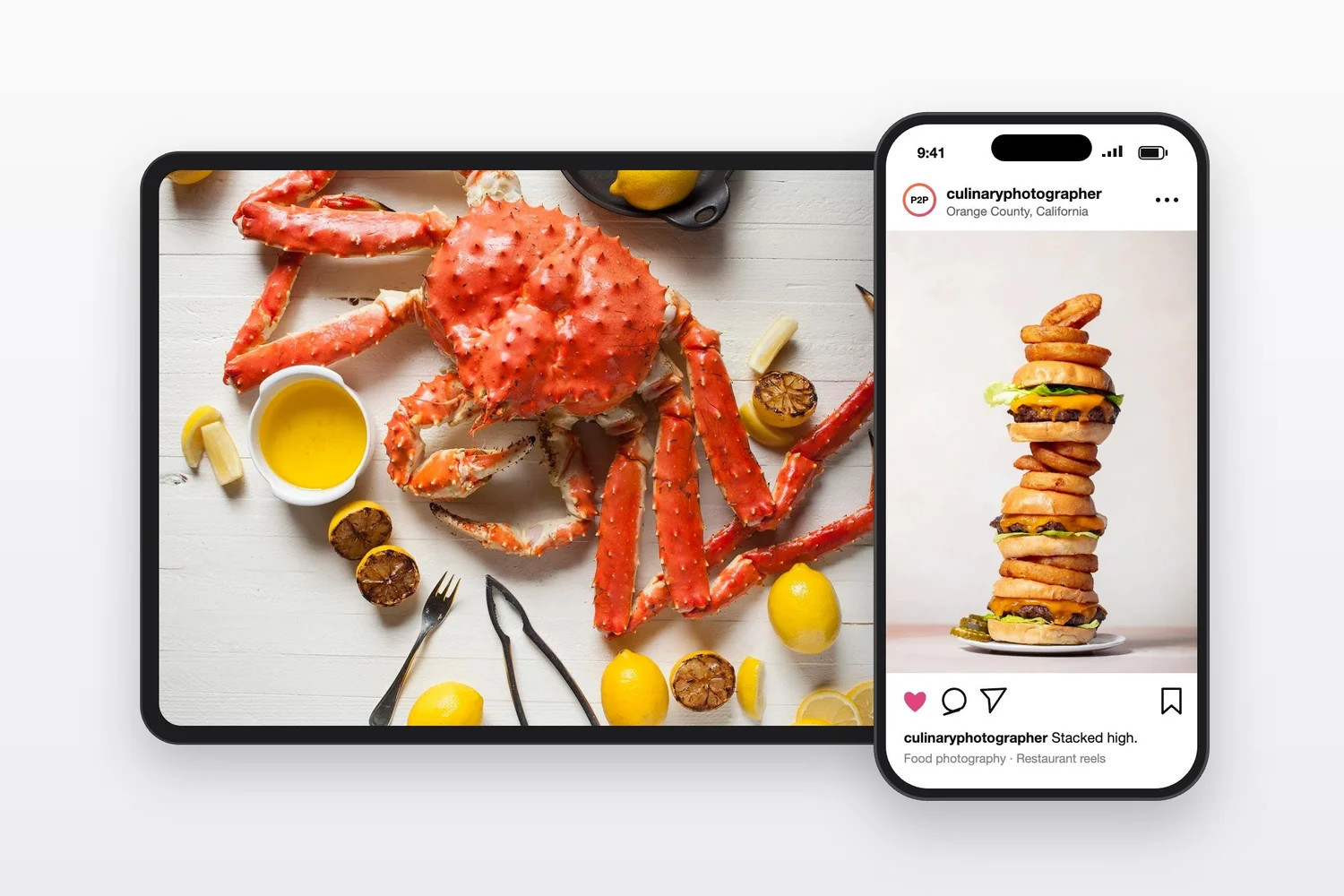
Who owns the photos when you hire a food photographer?
Under U.S. copyright law, the photographer owns the copyright to a photo from the moment it is taken, even when you paid for the shoot. A freelance photographer works as an independent contractor, so paying for the day does not, on its own, transfer ownership to you. Ownership only moves to you through a signed written agreement, which is called a copyright buyout.
What you usually receive instead is a license: permission to use the images in specific ways, for a specific amount of time.
What a license covers, and where it can go wrong
For most restaurants, a good license covers everything they need. If you plan to use your photos on your website, social media, menus, Google ads and delivery apps like DoorDash, a full commercial license handles all of it.
The trouble starts with the fine print. Some photographers sell short-term licenses that run for one or two years. If you keep using the images after the license expires, you may have to pay for them again. In some cases, the photographer can let the license lapse and license those same images to someone else or sell them as stock photography.
Planning a food or restaurant photo shoot? Get a quote from Plate to Pixel →
When a copyright buyout makes sense
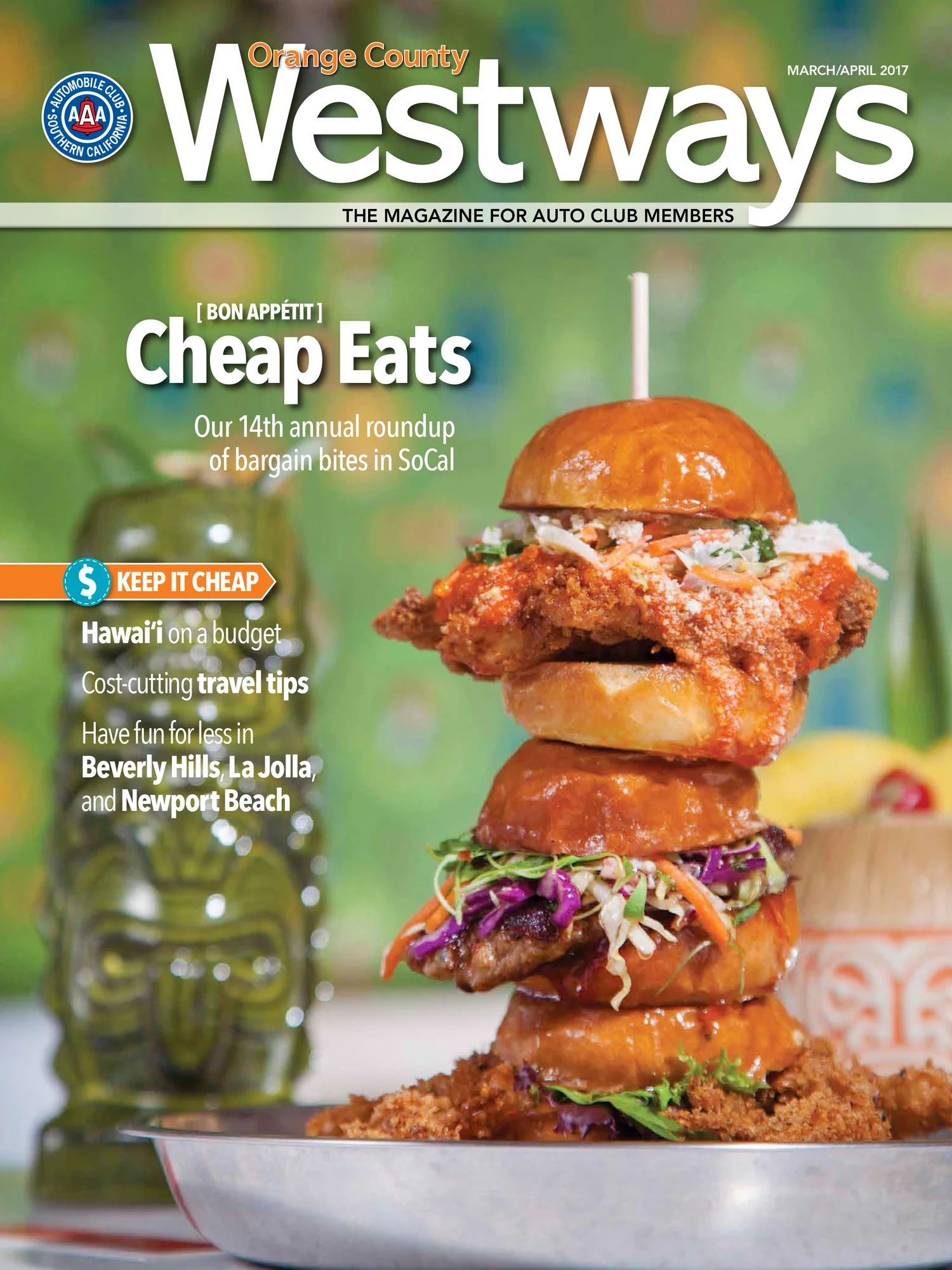
If you want full control of your images, a copyright buyout is the answer. Owning the copyright means you can:
Use the images indefinitely, with no expiration date
Share them with third parties, like magazines, newspapers and partner brands
Publish them without needing the photographer's consent
Distribute them however you like, without ever coming back for permission
That is exactly what those restaurants who received a cease and desist letter needed. Editorial and third-party uses, such as a magazine feature or a newspaper article, are usually not covered by a standard license.
What does a copyright buyout cost?
Copyright buyouts can get expensive. In my experience, typical commercial rates run several hundred dollars per image, or flat rates in the $1,500 to $4,000 range for a day of shooting.
At Plate to Pixel, we keep buyouts competitive and work with you to make ownership affordable, especially for small businesses and independent restaurants with smaller budgets. Being fair and flexible with restaurants is something we take pride in. Full commercial licensing is also included in every shoot, so your website, social media, menus, ads and delivery apps are always covered. See our food photography pricing for details.
Questions to ask before you hire a food photographer
Before every shoot, I talk with clients about how they plan to use their images, so we can decide whether a license is enough or whether ownership and third-party usage are part of their plan. Ask any photographer you are considering:
Where can I use these images, and for how long?
Does the license include paid ads and delivery apps?
What happens when the license expires?
Can I share the photos with a magazine, newspaper or partner brand?
Do you offer a copyright buyout, and what does it cost?
Clear answers up front protect your restaurant from surprise fees and letters later. For the full breakdown, read our guide to food photography licensing and copyright, or see 8 things to look for when hiring a food photographer.
This article is a general overview of U.S. copyright and licensing, not legal advice. For questions about a specific contract, talk with an attorney.