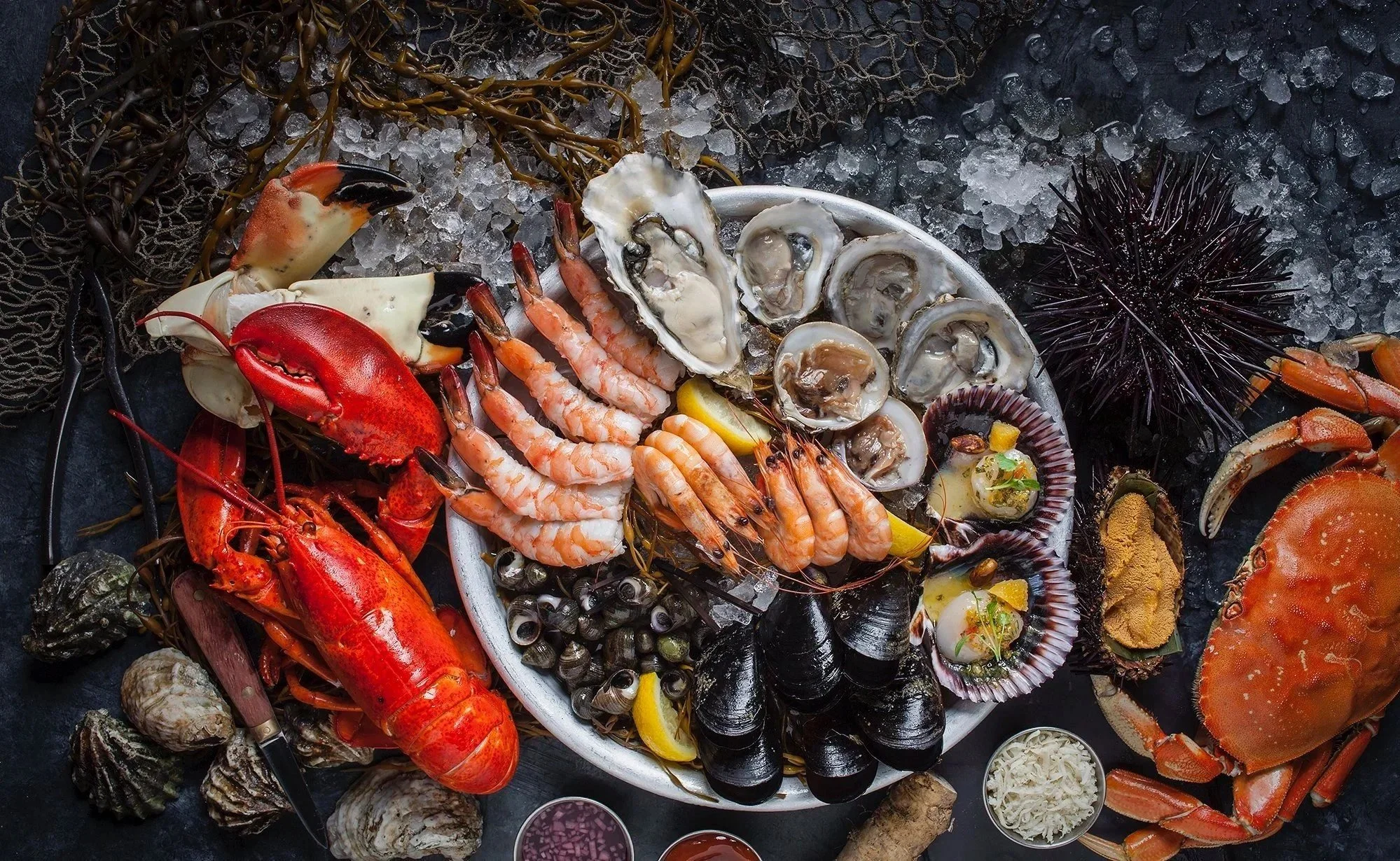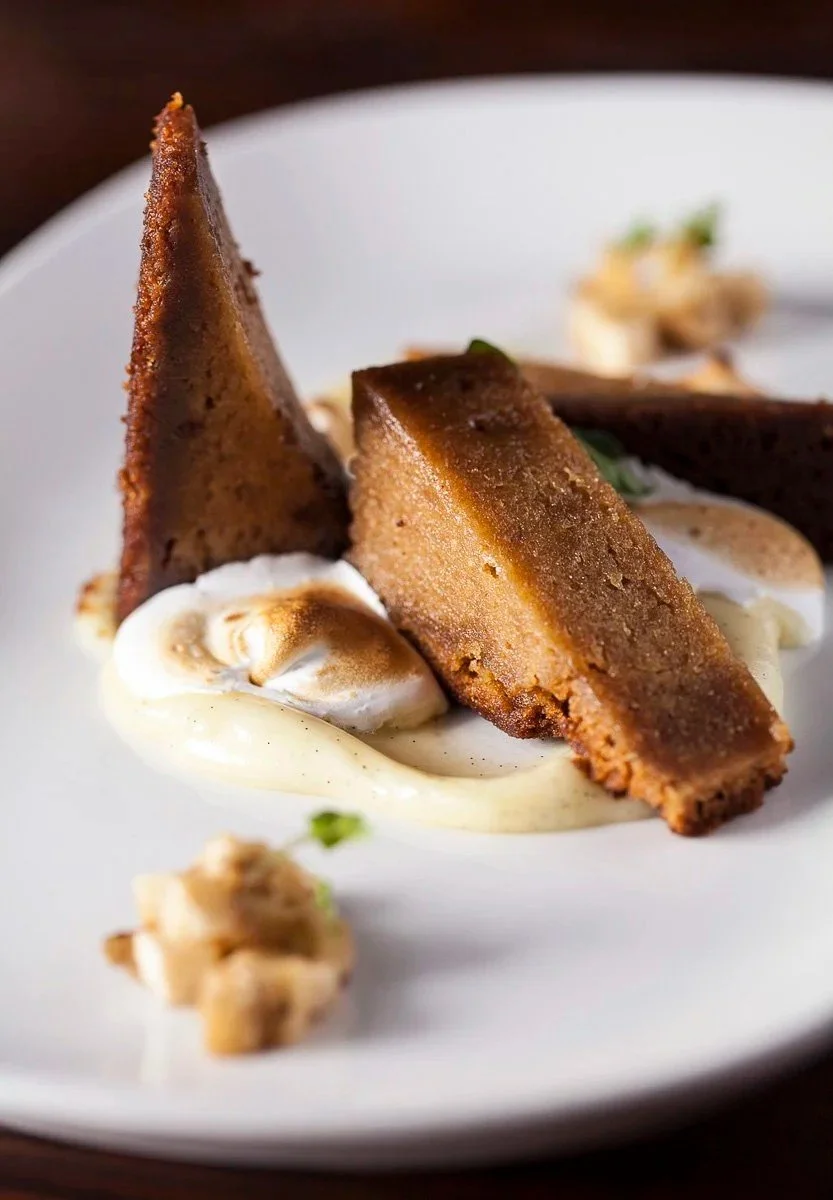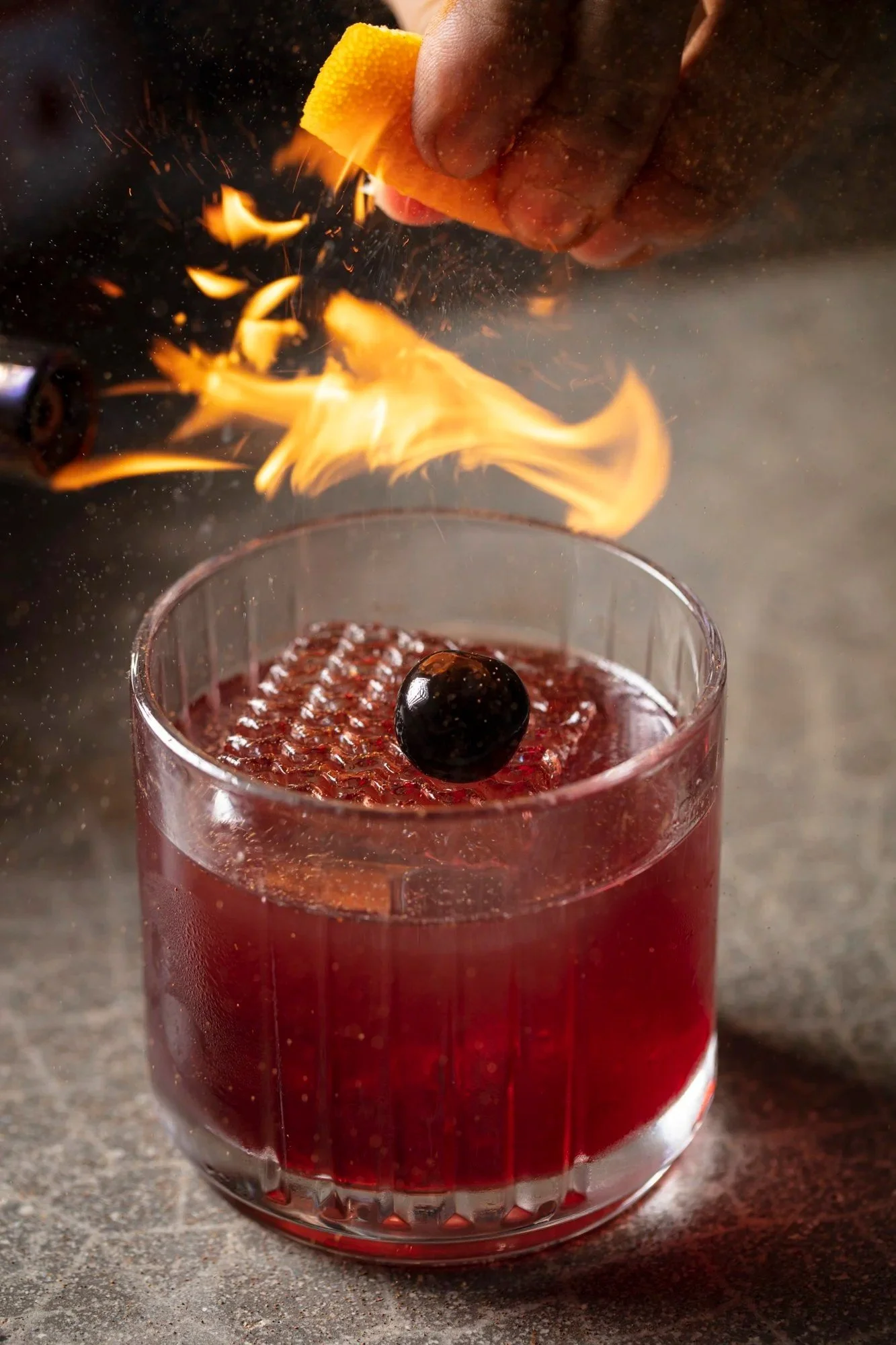
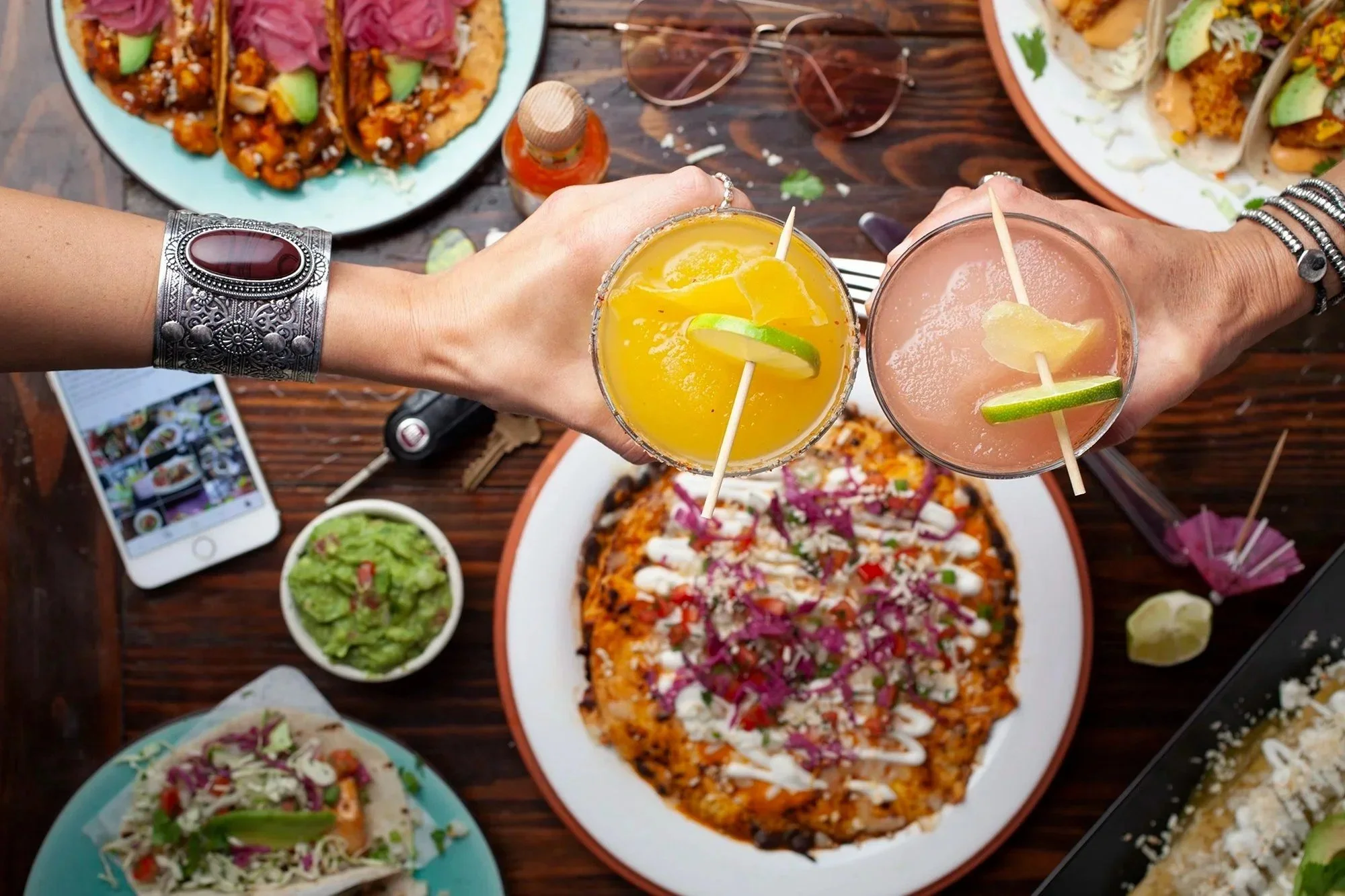
Restaurant photographer for the food, the rooms and the people behind them — across Orange County, Los Angeles and San Diego.
Restaurant Photographer
Make them hungry.
Restaurant photography that fills your tables.
Your menu, dining room and team, photographed the way guests remember them. I work around your service, shoot every dish on the spot and deliver edited images in three business days.
As a restaurant photographer in Orange County, Los Angeles and San Diego, I shoot food menu photography, dining rooms, bar programs and chef portraits, plus restaurant lifestyle photography with real guests at the table. Restaurant photography is priced at flat rates, so you know the cost before the shoot. Based in LA or San Diego? See my work as a Los Angeles food photographer or San Diego food photographer.
Touch-up food styling at a reduced rate. Don’t need a full food stylist? I handle touch-up styling, shot design and propping myself, with surfaces and basic props like cloth napkins and cutting boards, and bring in an experienced stylist when a dish needs to be built or cooked. See food styling →
Your local restaurant photographer.
Across Southern California.
Orange County
Restaurant photography in Irvine, Newport Beach, Costa Mesa, Anaheim and Huntington Beach. Orange County is home base.
Los Angeles
Restaurant photography from Santa Monica to Downtown LA, Pasadena and the South Bay, for independents and multi-location groups.
San Diego
Restaurant photography for San Diego dining rooms, patios and walk-up counters, from North County to the Gaslamp.
Riverside & Inland Empire
Restaurant photography in Riverside, Corona, San Bernardino and Temecula, including resort and casino dining.






How I shoot restaurants
Every plate, ready for its close-up.
Built around your service. I schedule shoots for slower hours and work alongside your kitchen, so dishes come out at their freshest and your guests are never disrupted.
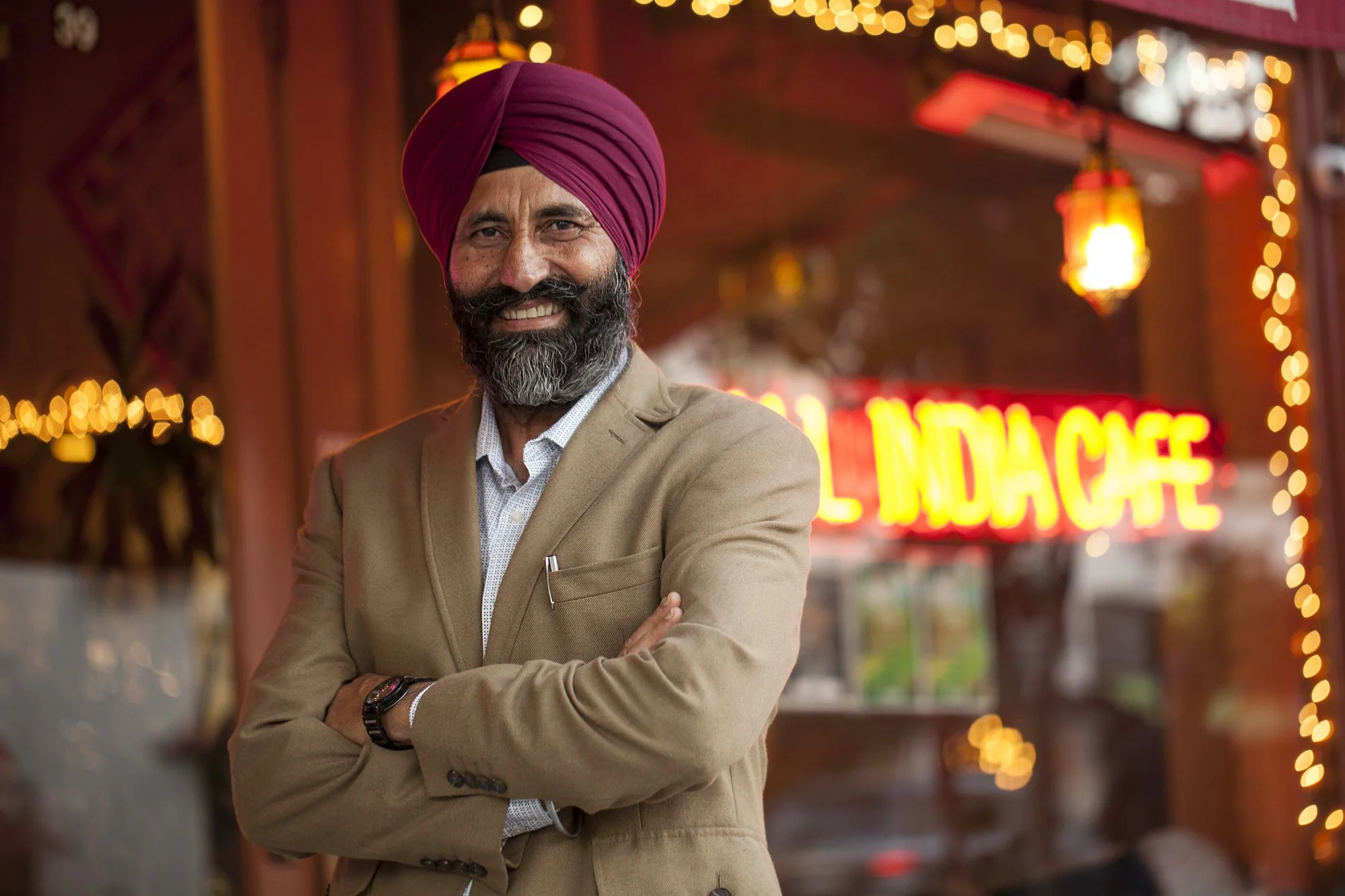
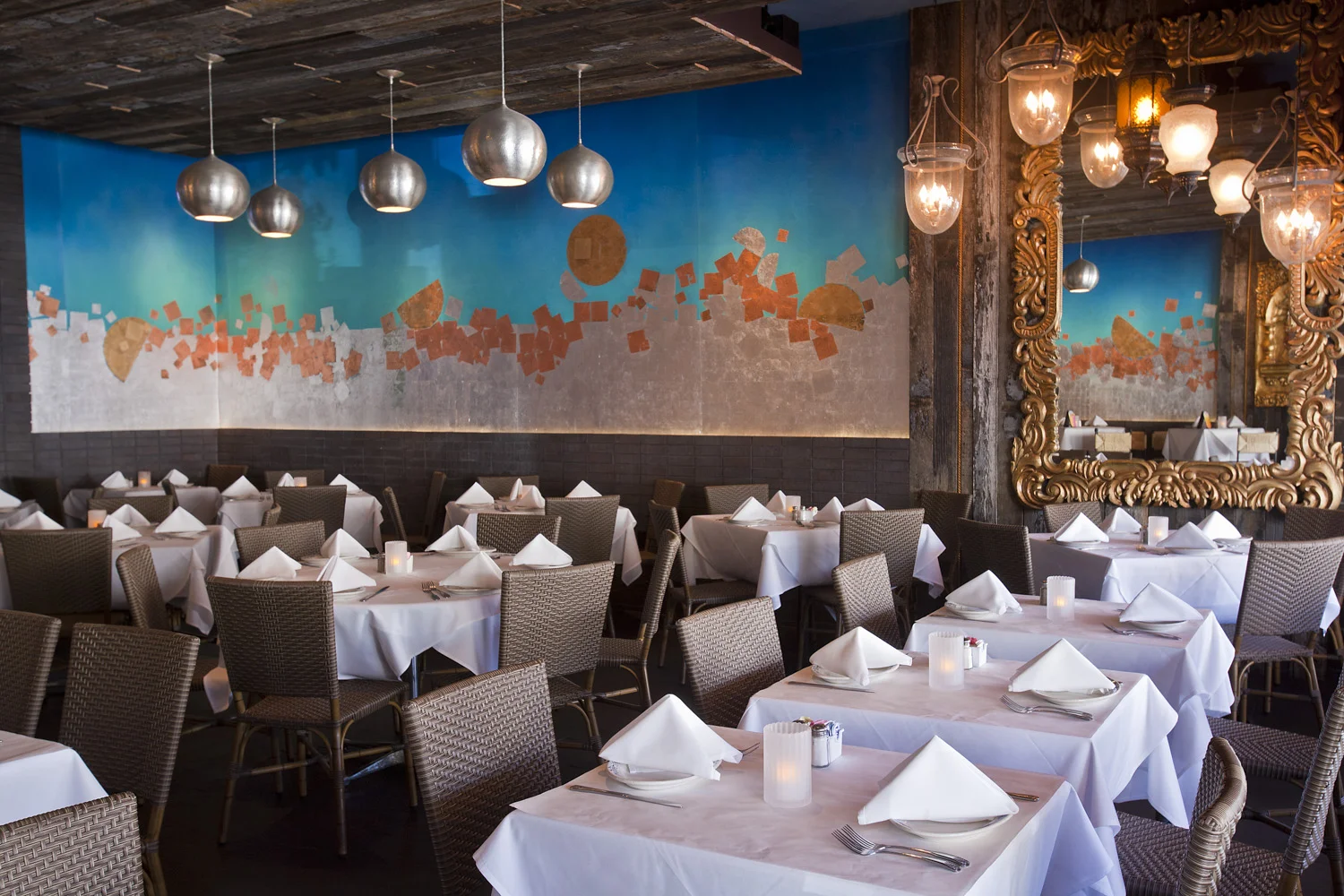
Dining rooms and chefs, too. Beyond the plates, I capture your space, your bar and the people behind the food, so your website and social feeds tell the whole story.
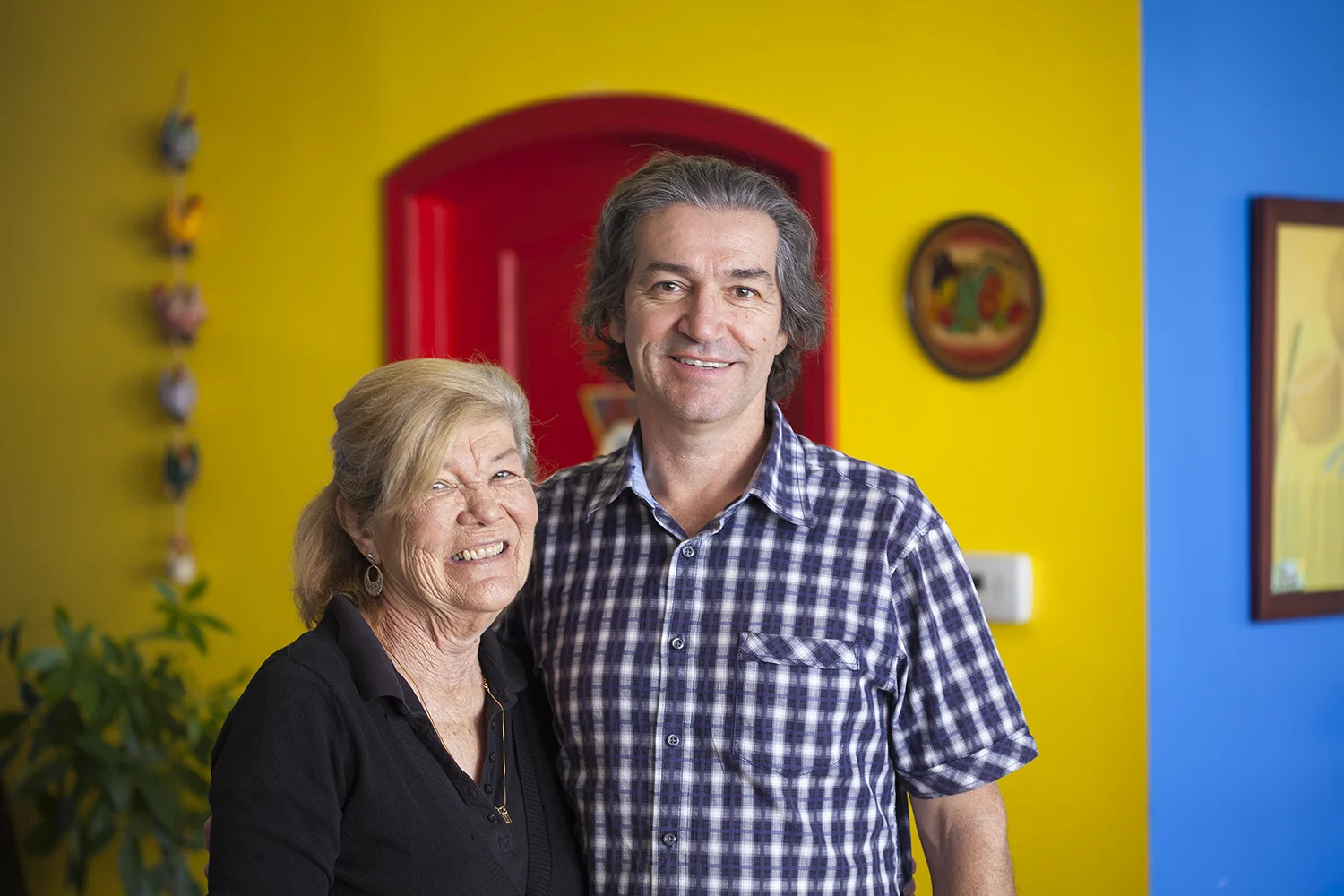
One shoot, every channel. Menus, websites, Google, delivery apps and Instagram. Images are delivered sized and ready, with unlimited images from the shoot.
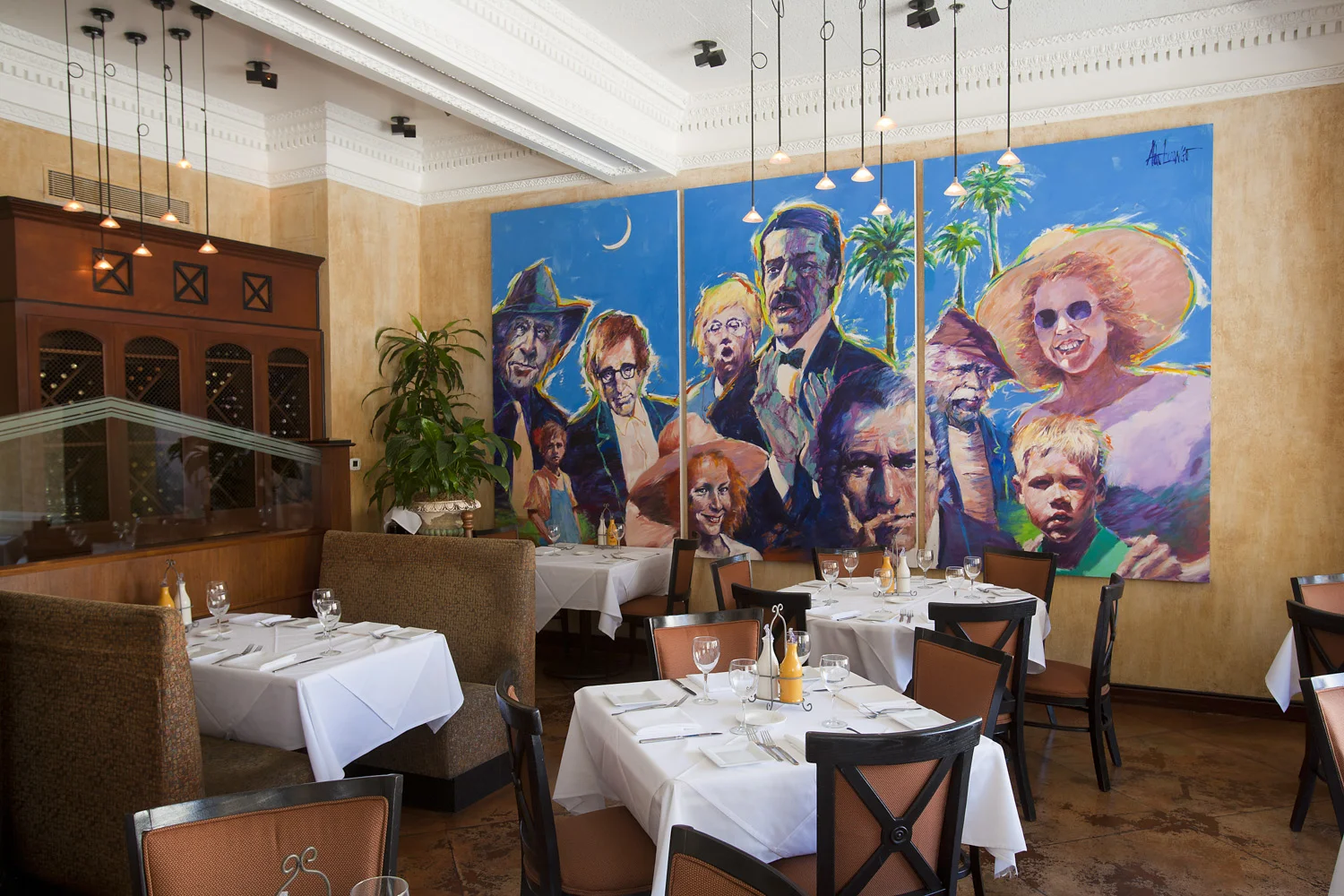
Love at first bite.
Great restaurant photography makes someone book a table before they have tasted a thing. Bright, honest, mouthwatering images that look like your food on its best night.
Hi, I’m Alan. Here’s how I shoot restaurants.
I started Plate to Pixel in 2006, so I have been photographing food commercially for twenty years. What keeps me interested is that food is technical and creative at the same time — very left brain, very right brain. Most subjects are one or the other. Food is both, every time.
-
I have shot for Coca-Cola, Disney, Universal, Tyson Foods, Bush’s Beans, Chipotle and Subway, and for restaurants and hotels including Water Grill, Selanne Steakhouse, Maro Grill, Country Club, the DoubleTree, Club 33 at Disneyland, Knott’s Berry Farm, Norm’s, Burger Boss, Buffalo Spot and Panini Kabob. But somewhere around 70% of my work is small business, and that is on purpose.
Here is what I have noticed over twenty years: the independent restaurant usually has better food and better service than the chain down the street. What it does not have is pictures that look like it. People eat with their eyes first, and you cannot get around that.
So I keep my rates reachable for small restaurants and food startups — cookie makers, ice cream brands, cracker companies, pastry shops. Flat rates from $495, half-day options, hourly if that is what fits. I run a small business too. I understand the budget.
Lighting
Why your food photos look flat
I get calls all the time from restaurants that hired a photographer before. They show me the pictures, the food is fine, and the images are dead. It is almost always the lighting.
Orange County food photographer
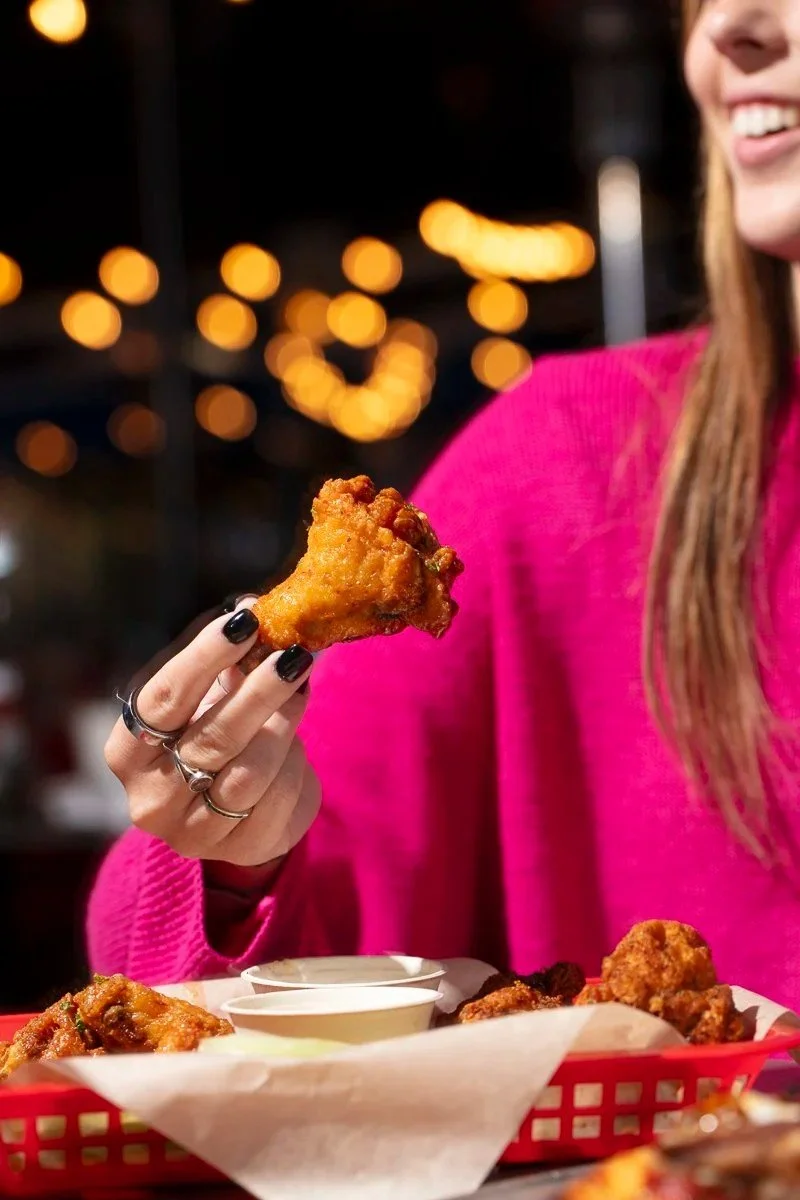
Two dishes, two lighting setups. Neither is the room’s light.
-
Every type of food reacts to light differently. The way you light a pizza is completely different from the way you light sushi, which is different again from ice cream.
A moody shot needs specific modifiers to shape and soften the light, to build edge light, backlight and controlled shadow. A bright, high-key shot needs diffusion and spread — recreating sunshine, or light through a window, or warm morning light, or soft north-facing light.
That is not something you pick up in a weekend. It is equipment, plus years of knowing what a dish needs before it reaches the table.
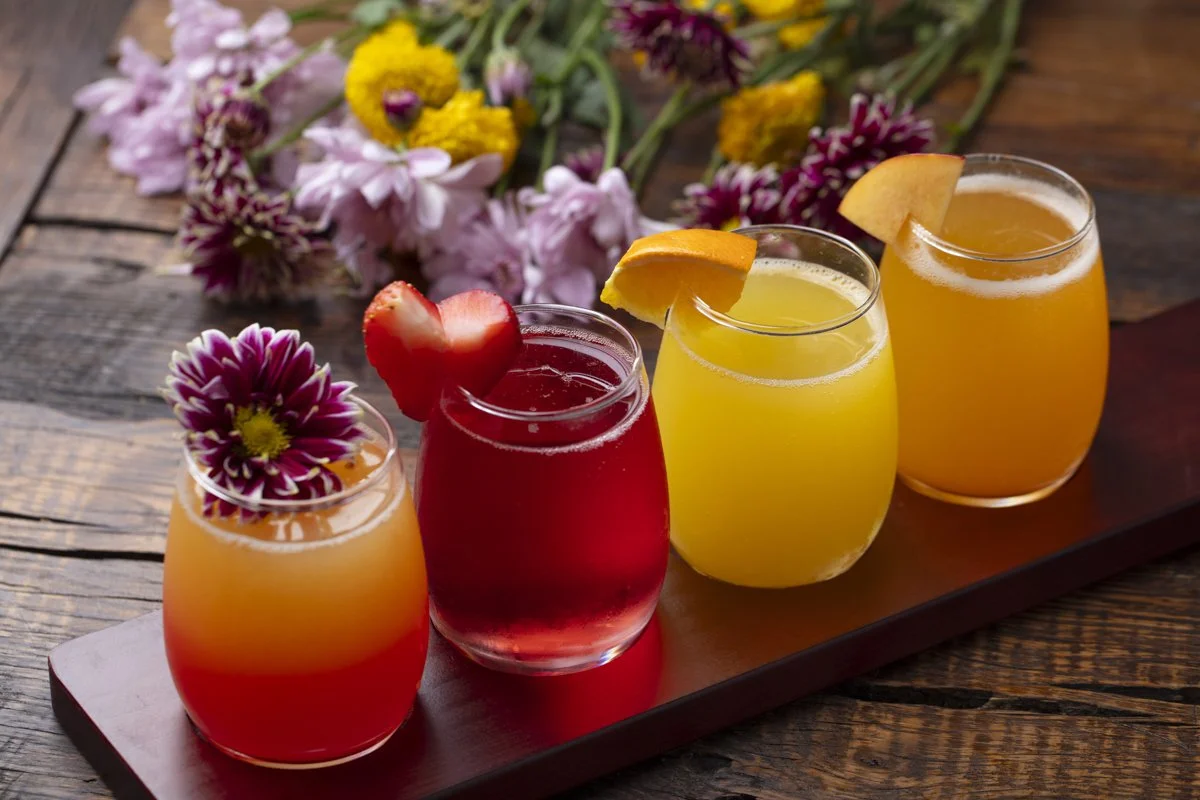
Glass and reflections
The mistake I see most often
A big white rectangle reflected in a wine bottle, or a hard white blob sitting on a glossy plate. Once you notice it you cannot stop seeing it, and it is the clearest sign that whoever shot it did not know how to light glass.
-
Highlights matter. They are what give food that zesty, appetizing look. But on glass, on plastic, on a glossy plate, an uncontrolled highlight stops being appetizing and becomes a distraction.
Shaping those highlights, softening them, and placing them where they do not pull your eye is a specific skill — manipulating the light, choosing the right angles, controlling how it refracts. Done properly the reflections read as natural and you never think about them. Some of it gets finished in post.
This is the same expertise behind the catalog work I do for tableware and glassware companies, shooting hundreds of glossy plates, wine glasses and metal utensils.
Natural light
Can we just use the window?
Sometimes. I shoot a lot of natural light, some of my magazine work requires it, and the right window at the right hour in the right room is genuinely beautiful. The problem is that it will not hold.
-
The sun moves about a degree every ten minutes. The shadows change, the intensity changes, the color temperature changes. If your windows face north you get soft diffuse light and nothing else. If they face west or south the light is better, but it will not stay put.
A restaurant shoot is often a full day. You cannot keep one consistent look across five to eight hours on window light.
When a photographer only shoots natural light, it is usually because they never learned lighting and do not own the equipment — not because they chose it.
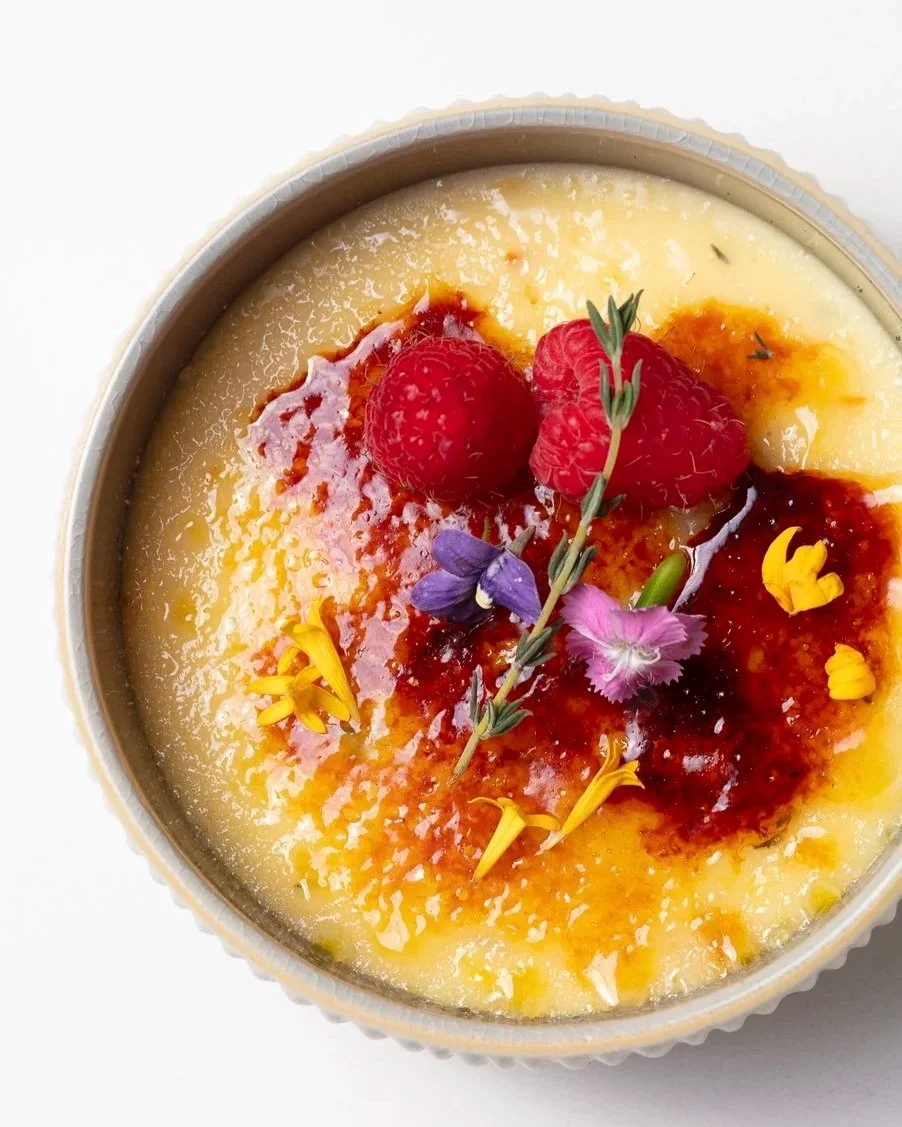
Before the shoot
The shot list is where the day is won
We pick a date and lock it in. Then you put together a shot list of what you are trying to accomplish, and we go through it together before anyone turns a light on.
Los Angeles food photographer
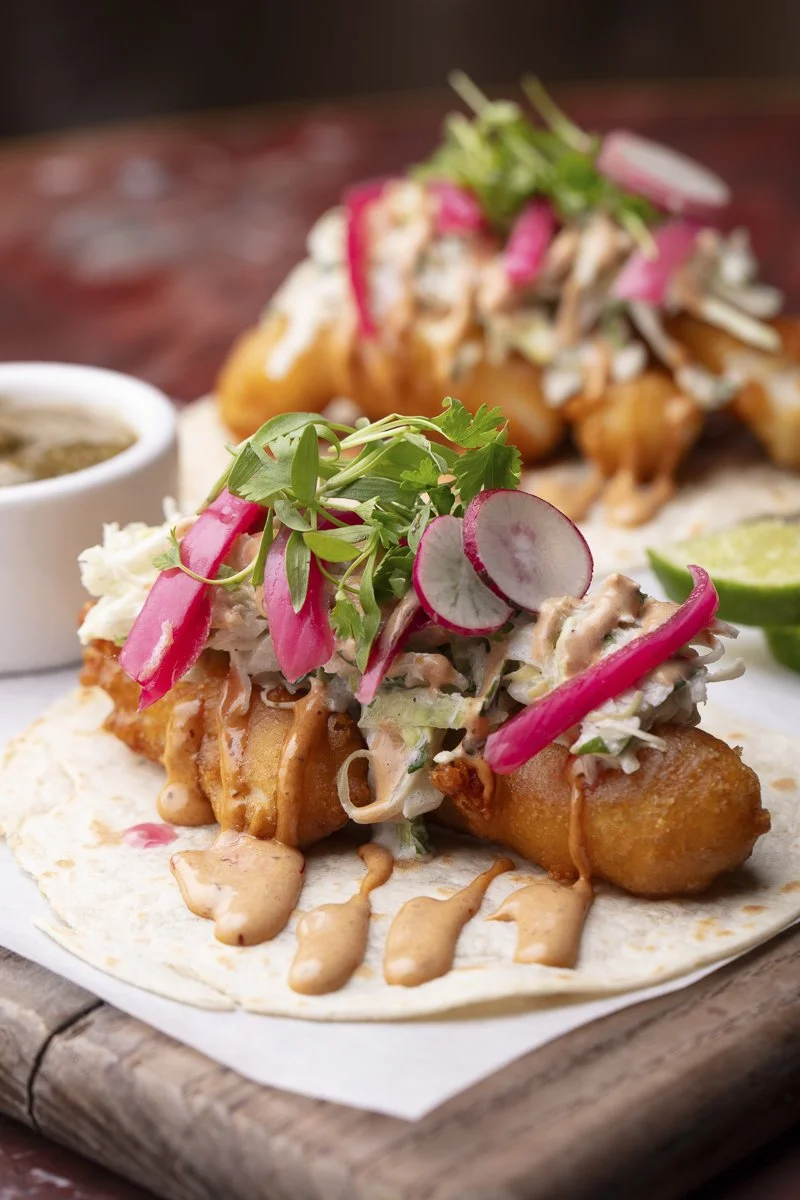
Frames from single restaurant shoots
-
We break it into groups: menu items for the ordering page and for your DoorDash, Uber Eats and Grubhub listings; images for the website; and the social campaign images, which are usually the lifestyle and more creative shots.
Grouping them that way means each lighting setup can knock out several similar shots, which is where the efficiency comes from. It also tells us what surfaces we need — your own tables, or the creative surfaces and tabletops I bring.
If you want help building the list, I will do it with you, along with art direction and a mood board of example images so we agree on the lighting, composition, mood and style ahead of time. Then the shoot day is just execution.
Prepping the food
Food for a camera is built differently
If a food stylist is on the job, they work directly with your culinary team. If there is no stylist, I talk your chef through it beforehand so the kitchen knows exactly how to prepare each dish for camera.
-
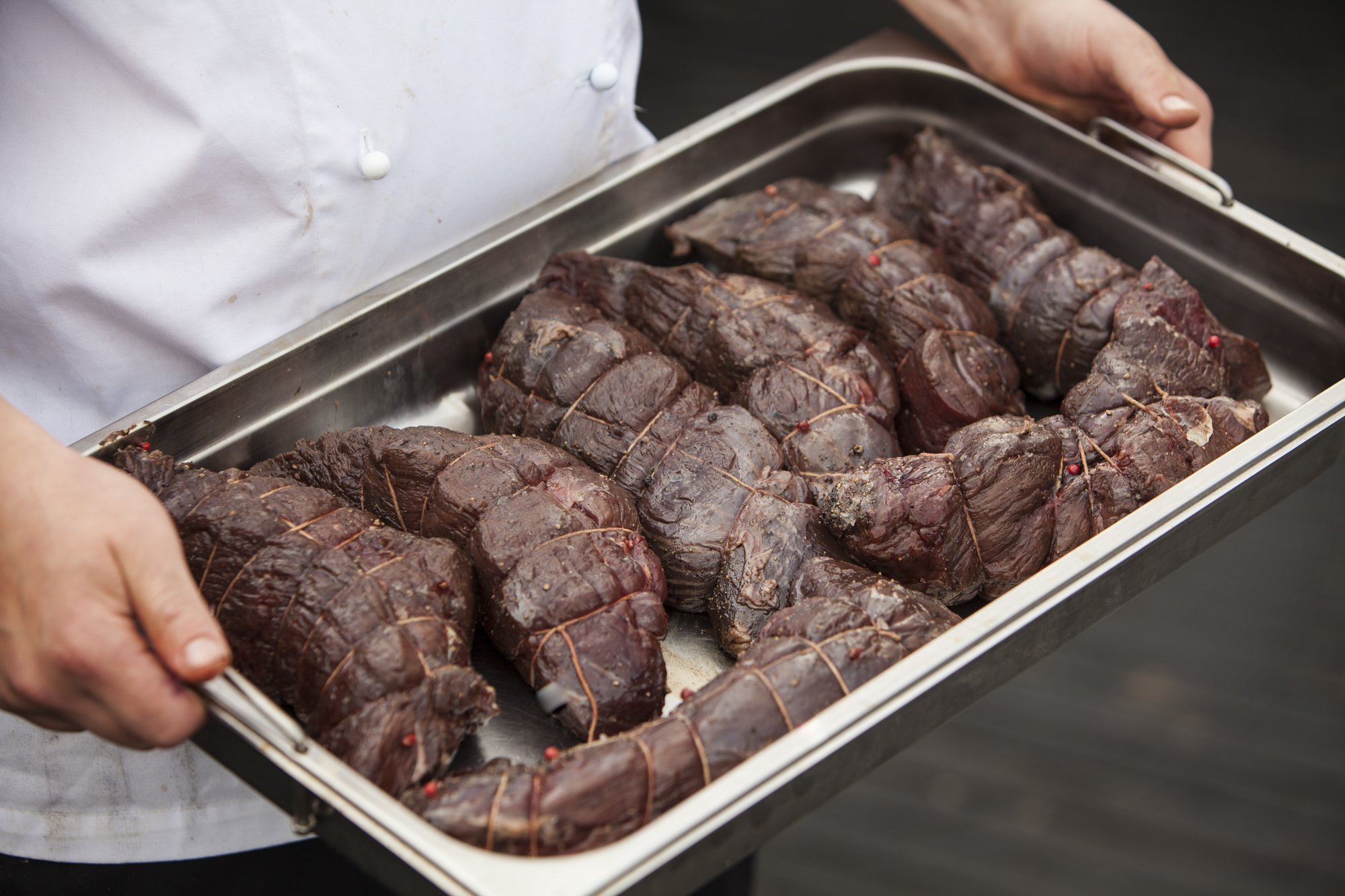
A lot of it is selection — picking through ingredients so everything on the plate looks fresh and clean. Meat, chicken and fish are often cooked slightly under, because they read better on camera, and grill marks can be added later.
Food dries out fast under lights, so pizza and proteins get oiled or sprayed on set to bring back the glisten. A few simple tools go a long way: small brushes, a spray bottle, tweezers.
Mostly it is about taking the time to build the dish properly so it does not look messy. That is the difference between a plate that photographs well and one that just gets served.
The shoot day
What actually happens
About thirty minutes to set up lighting and get it dialed in. Then five to ten minutes per shot. I usually take a hero of the plate, then an overhead, a close-up, a medium vertical and a horizontal — four or five angles per dish. In a four-to-five-hour shoot that is over a hundred images.
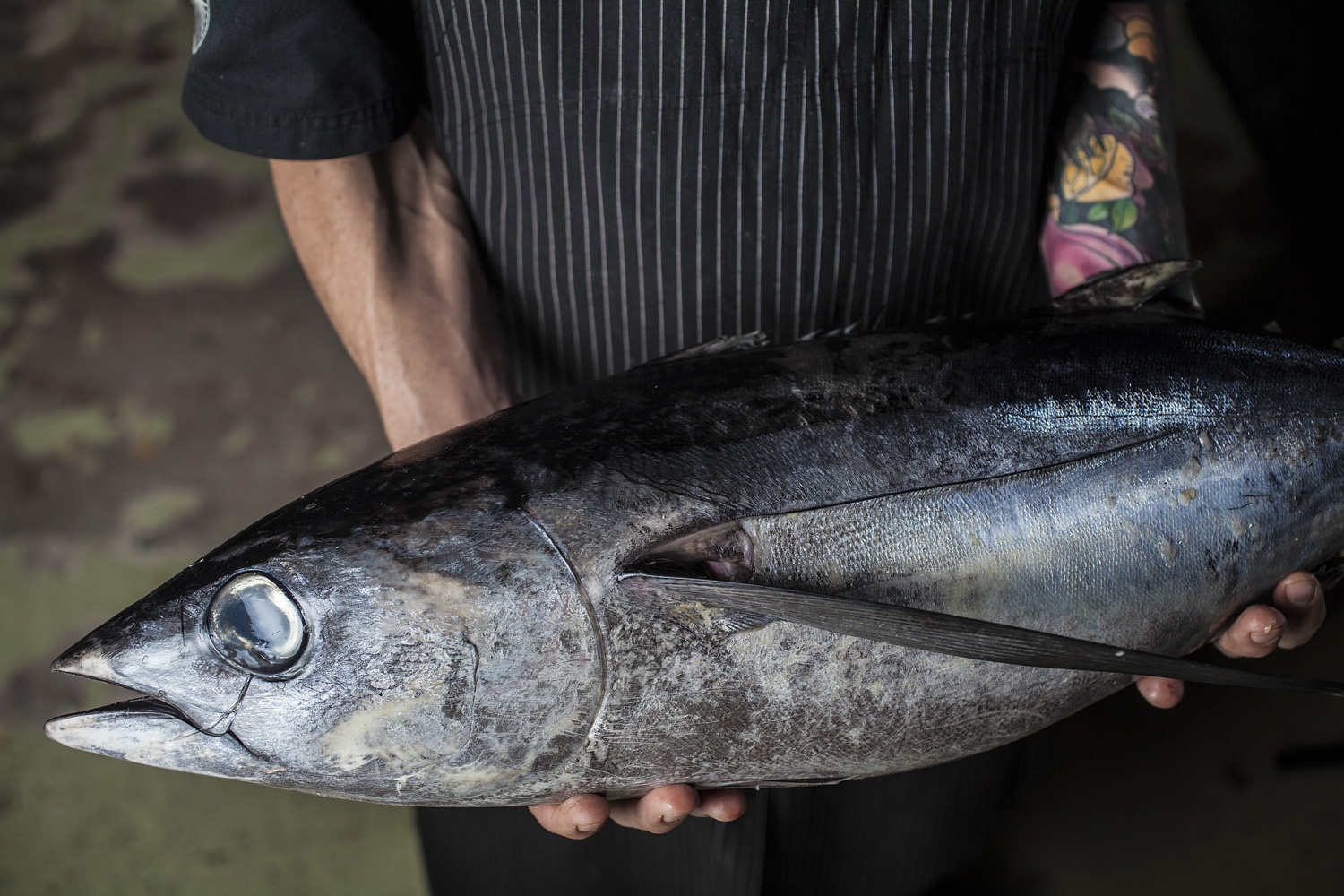
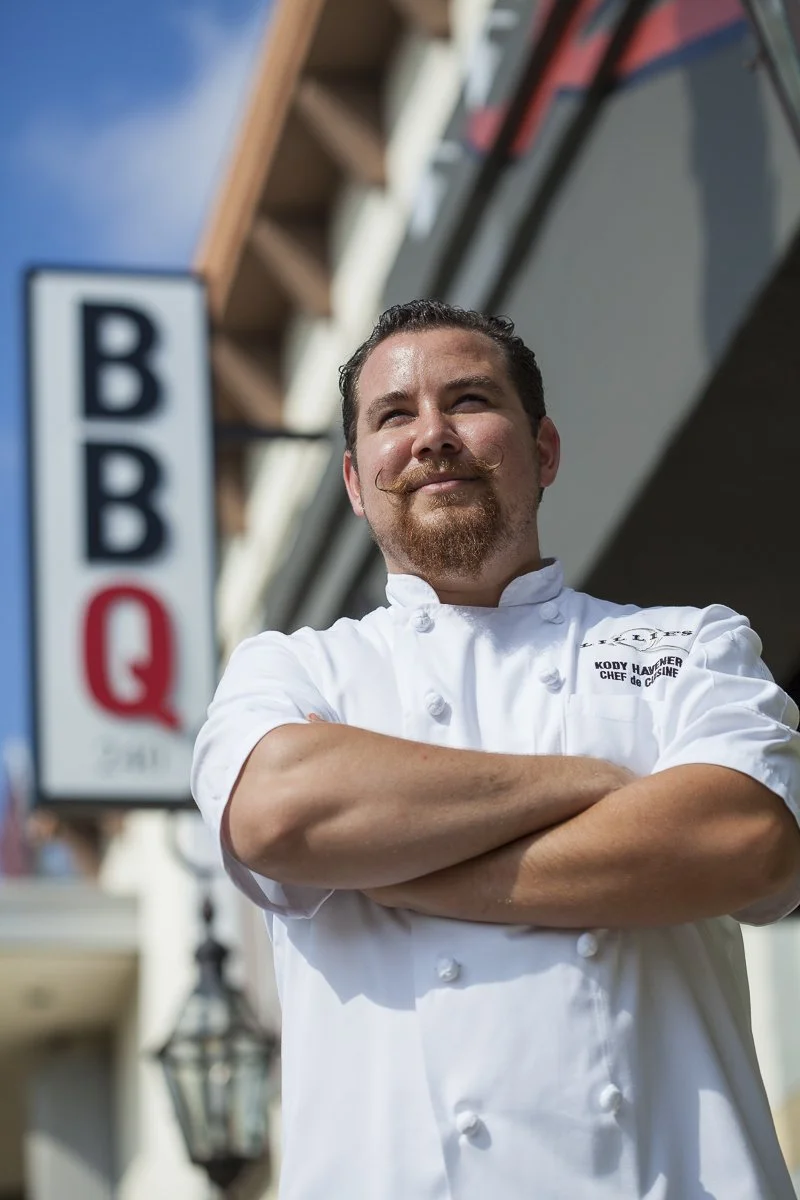
Chef portraits, shot on location
-
The camera runs tethered to a laptop on set, so you see every frame as it is taken. You approve each shot, redirect if something is not right, and there are no surprises at delivery.
This matters more than it sounds. What genuinely bothers me is when a restaurant tells me they hired a photographer, did not see anything until the files arrived a week later, and the images were wrong — badly lit, or the food did not look right. I ask whether they checked the shots during the shoot, and the answer is almost always no.
Do not do that. Watch the monitor. It is your shoot.
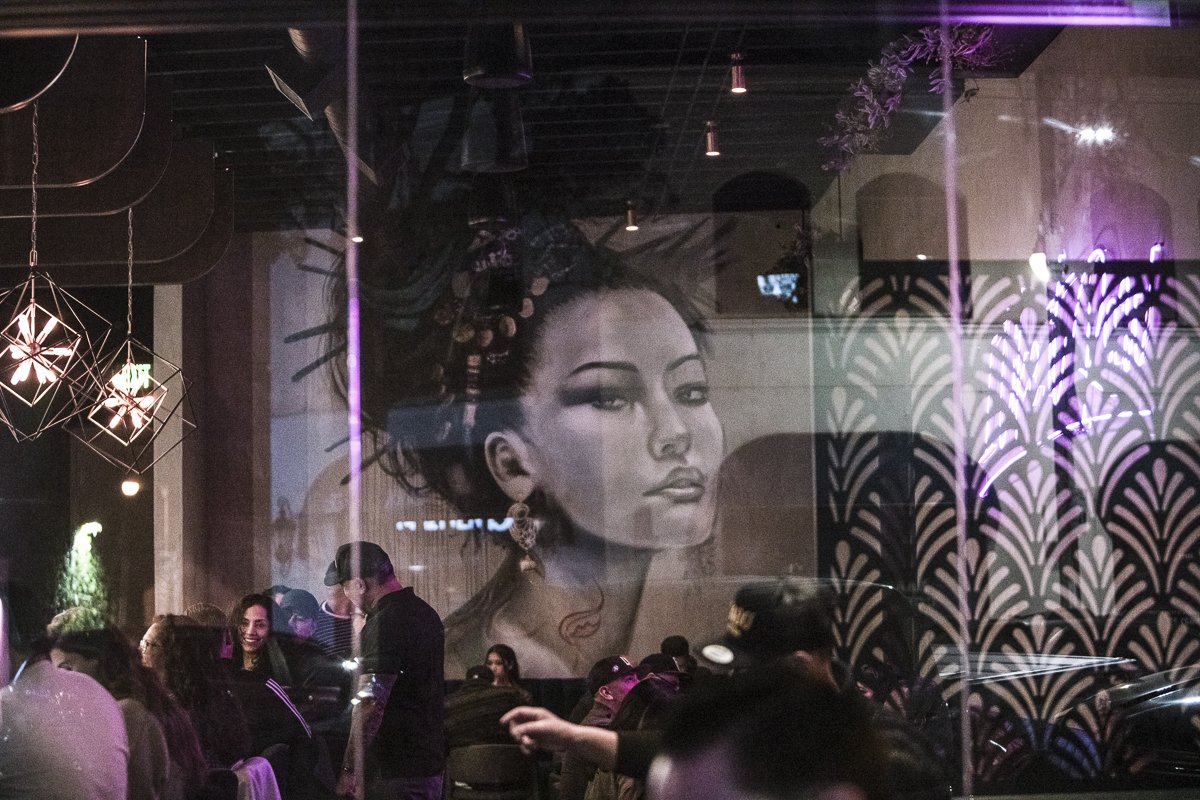
Shot on location, working around service

After the shoot
Color grading and retouching
The raw files go into Photoshop for a color grade — balancing saturation, vibrance, contrast and highlights across the whole set so every image belongs to the same shoot. Minor retouching happens along the way. Everything is back with you within three business days.
Clipped to white, shadow kept
-
Heavier retouching comes after the grade, when the food needs it: a crack in the bread, a burnt spot on a piece of chicken, lettuce that is not quite green enough.
For ordering-app and product shots on white, I clip out the background and drop in a clean digital white so every image in the set matches exactly. Those can be delivered as PSD or PNG files to drop straight into your site.
When I clip a shot out I keep the original shadow. Put a burger on white with no shadow and it looks like it is floating. I can also build a reflection underneath so it reads as though it was shot on glass, which gives it a more elegant, high-end look.
And if your branding has strong colors, I can lift items — burgers, sandwiches, fries, wings — onto backgrounds that match. AI tools have made creative background replacement, graphics and titling genuinely affordable, so that kind of art direction is no longer only for the big budgets.
Video
Photography and restaurant video in the same visit
I came out of film production and have been shooting restaurant video for about fifteen years. Most food photographers do not shoot professional video, and that is the thing I offer that is genuinely unusual.
-
8K capture, high frame rate slow motion at 240fps in 2K, motion control systems for moves around a plate, and a full set of macro lenses for getting properly close to the food. Kitchen work too — slow motion prep, flame, food in the air.
Photography runs on strobe and video runs on LED, so they are two different setups. A lot of restaurants split the day, half photo and half video, and I discount booking them together. A video day can produce ten to twenty finished pieces, cut vertical for Instagram and TikTok as well as wide.
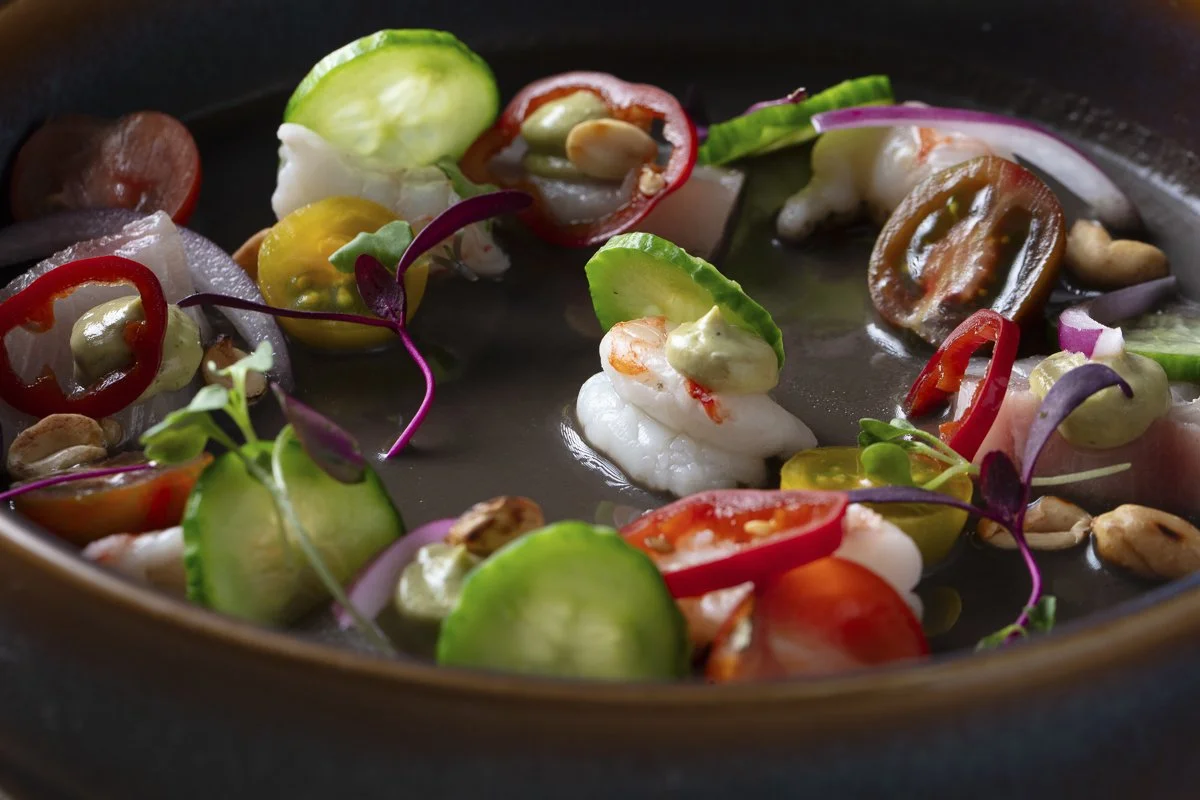
Cookbook and editorial work
Working together
Monthly, yearly, or once
Some clients I shoot every month. Some bring me in once or twice a year to keep things fresh. Some need one big shoot to rebuild the entire menu and website, and that holds them for a long while. All three are fine.
I work as a food photographer across Orange County, Los Angeles, San Diego, Riverside, Corona, San Bernardino and Palm Springs, covering restaurant photography, food styling, product photography and restaurant video production.
-
You are competing with thousands of other restaurants for attention. Dynamic images are how you cut through without outspending anyone.
And do not take my word for it. Look at the portfolio — there are twenty years of it here, and a few hundred more images on Instagram.
— Alan De Herrera, Plate to Pixel
Questions I get asked
-
Look at the portfolio, not the promises. You are checking whether the lighting looks intentional — are the highlights shaped, is there depth, does the food look like you want to eat it or does it just look documented?
Then check they have shot restaurants specifically. Shooting one plate in a studio with all day to do it is a different job from shooting forty dishes in a working kitchen between services.
-
It depends what they're for. Menu shots are tight and clean, and most restaurants want twenty to thirty. Social content is looser and more varied, and a shoot usually produces thirty to fifty usable frames across different angles and crops. Lifestyle images with hands, tables and people land around fifteen to twenty-five. Product and packaging work is slower and more technical, so figure ten to twenty finished images.
Most restaurants book a mix. A half day focused on menu items delivers twenty-five to thirty-five images; a full day covering the menu, the room, lifestyle and a couple of chef portraits often delivers sixty or more. I don't charge by the image, so there's no cap — once the lights are set and the kitchen is plating, you get everything that works.
-
Yes, that is most of what I do. We go through the menu beforehand and decide what gets shot, what gets a hero treatment, and what can share a lighting setup. A four-to-five-hour shoot produces over a hundred images, with four or five angles of every dish. Plenty of restaurants get a whole menu rebuilt in one day.
-
Flat rates start at $495 and include unlimited images. There are two-hour, four-hour and full-day options plus hourly, so you are not paying for eight hours when you need five. Full breakdown on the pricing page.
-
Both, and I shoot the video myself. Fifteen years of it, out of a film production background, which is unusual — most food photographers do not shoot professional video.
8K capture, 240fps slow motion at 2K, motion control for moving shots around a plate, macro lenses, and lighting built for motion. See the restaurant video page.
-
The equipment is the smallest part. Video wants LED lighting rather than the strobes used for stills, a camera that holds up at high frame rates, and someone who can move the camera around food without it looking like a property tour.
If you want to try it in-house: shoot vertical, keep clips short, and light the food properly rather than relying on the room. If you want it to look like the brands you compete with, adding video to a stills day is far cheaper than booking it separately, because the lighting and the food are already handled.
-
Nearly always the lighting — too soft, too hard, or unmodified. Every food reacts differently, so getting dynamic images means shaping the light for the dish in front of you. Restaurants send me their old photos constantly and this is the diagnosis almost every time.
-
No. I work around service regularly and often prefer it, because real plates coming out of a real kitchen look like it. It is slower than an empty room, so we build the shot list around your rush rather than fighting it.
-
Often not. Most kitchens can plate for camera with a bit of guidance, and I will walk your chef through exactly what to do differently beforehand.
A stylist earns their fee on the harder builds — cheese pulls, stacked sandwiches, anything that has to hold up under lights for an hour. When a dish needs one I bring in an experienced food stylist and quote it, rather than bundling it into every job.
-
Every image gets a color grade — saturation, vibrance, contrast and highlights balanced across the set. Beyond that I fix what the food needs: a crack in the bread, a burnt spot, lettuce that is not green enough.
For ordering-app and product shots I clip out the background and drop in a clean digital white so the whole set matches, keeping the original shadow so nothing looks like it is floating.
-
About 70% of my work is small business. I have shot for Chipotle, Subway, Coca-Cola and Disney, and I have shot for family restaurants with one location and a tight budget.
Independent places usually have better food than the chains they compete with. They just need images that say so.
-
Within three business days of the shoot. That is standard, not a rush fee.
Explore more.