
Blog
Step into the Plate to Pixel blog, where food, fire, style, and storytelling collide in a beautifully controlled frenzy of culinary branding. This is where we pull back the curtain on how we create our content — and why every frame, every edit, and every visual choice is built to give brands more appetite, more identity, and more power in the marketplace.
Chino Valley Ranchers - Baked Eggs Recipe Video
A one-minute baked eggs recipe video for Chino Valley Ranchers eggs.
A one-minute recipe video for Chino Valley Ranchers eggs: Baked Eggs.
The dish
Baked eggs are all about the moment the dish comes out of the oven, and that reveal is the shot the video is built around.
Recipe videos for food brands
Recipe videos give a brand's customers a reason to buy and a way to use the product. The one-minute format fits websites, YouTube and social media, and filming a series of recipes in one production gives a brand months of content.
More from this series
The Chino Valley Ranchers recipe series also includes Asparagus and Mushroom Frittata, Heavenly Crepes, Garden Fresh Omelet, Easy Potato Skillet, Morning Wrap.
Plate to Pixel produces recipe videos, food video and food photography for food brands across Southern California. See food video production and product and packaging photography.
Planning recipe videos for your brand? Get a quote from Plate to Pixel →
Chino Valley Ranchers - Asparagus and Mushroom Frittata Recipe Video
A one-minute asparagus and mushroom frittata recipe video for Chino Valley Ranchers eggs.
A one-minute recipe video for Chino Valley Ranchers eggs: Asparagus and Mushroom Frittata.
The dish
Asparagus and mushrooms make this a spring brunch dish, and a frittata suits video well: one pan, eggs poured over the vegetables and a finished dish that comes out whole.
Recipe videos for food brands
Recipe videos give a brand's customers a reason to buy and a way to use the product. The one-minute format fits websites, YouTube and social media, and filming a series of recipes in one production gives a brand months of content.
More from this series
The Chino Valley Ranchers recipe series also includes Baked Eggs, Heavenly Crepes, Garden Fresh Omelet, Easy Potato Skillet, Morning Wrap.
Plate to Pixel produces recipe videos, food video and food photography for food brands across Southern California. See food video production and product and packaging photography.
Planning recipe videos for your brand? Get a quote from Plate to Pixel →
The Baked Bear San Diego - Ice Cream Sandwich Reel
A vertical Instagram reel for The Baked Bear, the custom ice cream sandwich shop in San Diego.
A vertical Instagram reel for The Baked Bear in San Diego, the custom ice cream sandwich shop.
Dessert on video
Desserts are made for video: texture, color and the moment a sandwich comes together. A ten-second reel like this is quick to watch, easy to loop and made to be reposted, which is exactly what a dessert shop wants from social media.
Pastry, dessert and shop video
The same approach works for bakeries, cookie shops and ice cream counters. See our pastry and dessert photography, restaurant photography and food photography in San Diego.
Plate to Pixel films food video across San Diego, Orange County and Los Angeles. Video starts at $695 for one flat rate, with an hourly option for shorter jobs.
Want reels for your dessert shop? Get a quote from Plate to Pixel →
The Blue Burro - Street Tacos Food Video
Street tacos, close up, for The Blue Burro: a 32-second food video for menus, delivery apps and social media.
Street tacos, close up, for The Blue Burro. This 32-second food video was filmed for menus, delivery apps and social media.
Video for delivery apps and menus
On a delivery app, people choose with their eyes in a couple of seconds. Short, clean video of a signature item is the closest thing to seeing it on the table, and the same footage works on menu screens and social posts.
More from The Blue Burro
See the Blue Burro burrito build video, our delivery app food photography and Mexican food photography.
Plate to Pixel films restaurant food video across Orange County, Los Angeles and San Diego. Video starts at $695 for one flat rate, with an hourly option for shorter jobs.
Planning a menu or delivery app shoot? Get a quote from Plate to Pixel →
The Blue Burro - Burrito Build Food Video
A burrito built start to finish for The Blue Burro, filmed for menus, delivery apps and social media.
A burrito being built, start to finish, for The Blue Burro, the burritos, shakes and fries restaurant.
Why build videos work
A build video shows exactly what goes into the food, which answers the first question every hungry customer has. It works on delivery app listings, on in-store menu screens and as a social post, and a 39-second cut can be trimmed into shorter clips.
More from The Blue Burro
See the Blue Burro street tacos video and our Mexican food photography.
Plate to Pixel films restaurant food video across Orange County, Los Angeles and San Diego. Video starts at $695 for one flat rate, with an hourly option for shorter jobs. See restaurant video production.
Want your menu on video? Get a quote from Plate to Pixel →
Cha Cha Cha Los Angeles - Kitchen Timelapse Video
The Cha Cha Cha kitchen in Los Angeles during live service, compressed into an 18-second timelapse.
This timelapse captures the kitchen at Cha Cha Cha in Los Angeles during live service: chefs moving on the line, food prep in motion and the fast pace of a busy commercial kitchen, compressed into 18 seconds.
Why timelapse
A timelapse turns a whole stretch of service into a few seconds, which makes the scale and energy of a kitchen easy to see at a glance. It works as an opener or transition in a longer restaurant video, and on its own as a vertical reel.
Filming during service
Kitchen footage is shot around live service rather than stopping it, so the kitchen looks the way it really runs. For the full picture, watch the main Cha Cha Cha restaurant video, with rooftop dining, cocktails and plated dishes.
Plate to Pixel films restaurant videos across Los Angeles, Orange County and San Diego, with motion control, macro lenses and slow motion up to 240 fps. Video starts at $695 for one flat rate, with an hourly option for shorter jobs. See restaurant video production or food photography in Los Angeles.
Planning a restaurant video shoot? Get a quote from Plate to Pixel →
Chef Cody Storts at Grits, Fullerton - Restaurant Documentary
A short culinary documentary on executive chef Cody Storts at Grits in Fullerton, featuring KFI radio host Neil Saavedra of The Fork Report.
This short culinary documentary profiles executive chef Cody Storts at Grits restaurant in Fullerton, California, featuring KFI radio host Neil Saavedra of The Fork Report. At just over five minutes, it is a long-form piece built around interviews rather than quick cuts.
Why long-form restaurant video
Reels get attention; a documentary earns trust. Hearing a chef explain the food in their own words gives guests, press and partners a reason to care about the restaurant behind the dishes. A film like this belongs on a website About page, on YouTube and in press kits.
Interviews and kitchen footage together
Interviews carry the story while footage of the food and the kitchen shows what is being described, so the two support each other. A long-form shoot also produces plenty of material to cut into short reels and quote clips for social media.
Plate to Pixel is based in Orange County and has filmed restaurant video across Southern California for years. See restaurant video production and food photography in Orange County. Video starts at $695 for one flat rate, with an hourly option for shorter jobs.
Want to tell your restaurant's story on film? Get a quote from Plate to Pixel →
Azabu Los Angeles - Neon Samurai Nightlife Reel
Pure mood: a silhouette moves past the glowing neon samurai sign at Azabu in Los Angeles.
Not every restaurant reel needs a plate in it. This one is pure mood: a silhouette moves past the glowing neon samurai sign at Azabu in Los Angeles, setting the tone before a guest ever sees the menu.
Why atmosphere clips work
Signage, light and movement tell people what kind of night they are in for. A clip like this can open a longer reel, run as a Story between food posts, or loop on a website header without competing with the food.
Neon as part of the brand
Azabu's neon is part of its identity, from the samurai sign to the pink "I Like It Raw" sign at the sushi bar. Filming it at night, with movement passing through the frame, turns signage into something people want to watch.
More from Azabu: cocktails and kitchen reel, motion-control reel, fire and nightlife reel.
Plate to Pixel films restaurant videos across Los Angeles, Orange County and San Diego, with motion control, macro lenses and slow motion up to 240 fps. Video starts at $695 for one flat rate, with an hourly option for shorter jobs. See restaurant video production or food photography in Los Angeles.
Planning a restaurant or bar video? Get a quote from Plate to Pixel →
Azabu Los Angeles - Fire, Cocktails & Nightlife Reel
A fast-cut vertical rush through Azabu in Los Angeles: cocktails at the bar, fire in the kitchen and a dark, glowing room.
This is Azabu with the volume up: a fast-cut vertical reel where cocktails flash at the bar, chefs work the kitchen and the whole room glows in low light.
Keeping a dark room dark
Azabu is dark and moody, and the reel keeps it that way. The footage leans into shadow and ambience, with drinks, plated food and flame catching the light, so viewers get the atmosphere guests come for and still see the food clearly.
Cut for the feed
Short shots and fast cuts hold attention in the first few seconds, which is when most people decide whether to keep watching. The 26-second length fits Instagram Reels, TikTok and Stories, and individual shots can be pulled out for shorter clips and ads.
More from Azabu: cocktails and kitchen reel, motion-control reel, neon nightlife reel.
Plate to Pixel films restaurant videos across Los Angeles, Orange County and San Diego, with motion control, macro lenses and slow motion up to 240 fps. Video starts at $695 for one flat rate, with an hourly option for shorter jobs. See restaurant video production or food photography in Los Angeles.
Want a reel like this for your restaurant? Get a quote from Plate to Pixel →
Azabu Los Angeles - Motion-Control Restaurant Reel
Motion-control food shots, back-of-house kitchen prep and a moody dining room in one 38-second reel for Azabu in Los Angeles.
This reel moves through Azabu in Los Angeles from the plate outward. It opens on motion-control food shots that linger on texture, flame, glaze and detail, follows the kitchen through prep and plating, then breaks out into the dining room as the night fills up.
Why motion control
A motion-control rig repeats the same camera move with precision, so a slow push across a plate or a pass over a glaze lands exactly where it should, take after take. That control gives restaurant food video the polished look of a commercial, and matching moves between dishes keeps the edit flowing.
From the kitchen to the dining room
The middle of the reel stays in the back of house: sharp hands, fast decisions and the controlled pressure of service. The last beat moves to the guests, which is the part that sells the experience. Food, kitchen and room together show what a night at Azabu feels like, not just what is on the menu.
Built for social and the website
At 38 seconds and vertical, the reel is sized for Instagram Reels and TikTok, and it also works as a website header or a paid ad.
More from Azabu: cocktails and kitchen reel, fire and nightlife reel, neon nightlife reel.
Plate to Pixel films restaurant videos across Los Angeles, Orange County and San Diego, with motion control, macro lenses and slow motion up to 240 fps. Video starts at $695 for one flat rate, with an hourly option for shorter jobs. See restaurant video production or food photography in Los Angeles.
Planning a restaurant video shoot? Get a quote from Plate to Pixel →
Star Fish Newport Beach - Restaurant Video Reel
A food-only vertical reel for Star Fish in Newport Beach: slow-motion grill sizzle, wok fire and close-up kitchen prep, filmed by Orange County restaurant videographer Plate to Pixel.
This vertical reel goes inside the kitchen at Star Fish in Newport Beach. There are no cocktails and no people on camera, just the food: ingredients meeting flame, slow-motion sizzle on the grill and fire rolling through the wok, so everyday kitchen prep plays like restaurant theater.
What we filmed
The whole reel is built from close-up food prep. Dramatic lighting brings out steam, char, color and texture, and the high frame rate slow motion stretches the moments that usually pass in a blink: oil spitting on the grill, a toss in the wok, flames lifting off the pan. It was shot and cut vertical, so it fills a phone screen on Instagram Reels, TikTok and Facebook without cropping.
Why a food-only reel works
A reel with no faces, no prices and no seasonal menu items stays useful for a long time. Star Fish can post it organically, run it as a paid ad, loop it on the website or play it on screens in the restaurant, and the same footage can be cut into shorter clips for stories and highlights.
It also shows guests what the menu promises before they ever sit down. Fire, sizzle and steam are the details that make people stop scrolling, and they are hard to capture on a phone in a busy kitchen.
Restaurant video in Orange County
Plate to Pixel is an Orange County food photography and video studio, filming restaurant videos and reels across Orange County, Los Angeles and San Diego since 2006. Affordable photos and video come for one flat rate, with video starting at $695, and an hourly option is also available for shorter jobs.
See more work and details on our restaurant video and reels page, or browse more restaurant videos.
Planning a restaurant video shoot? Get a quote from Plate to Pixel →
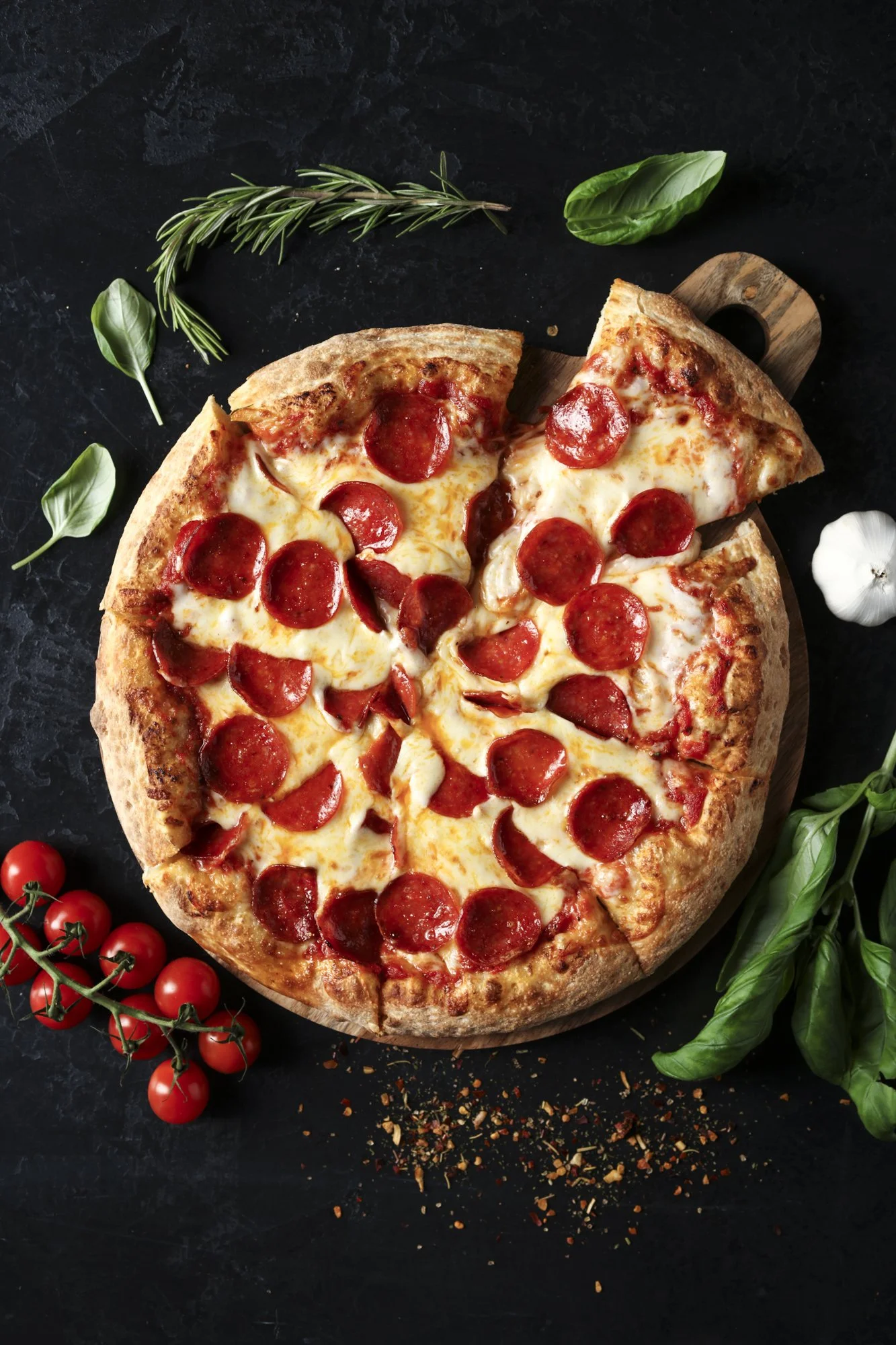
The Best Background for Delivery App Food Photos: DoorDash, Uber Eats and Grubhub
What’s the best background for DoorDash, Uber Eats and Grubhub food photos? A Southern California food photographer’s guide to surfaces, color, lighting, framing and consistency for delivery app menus.
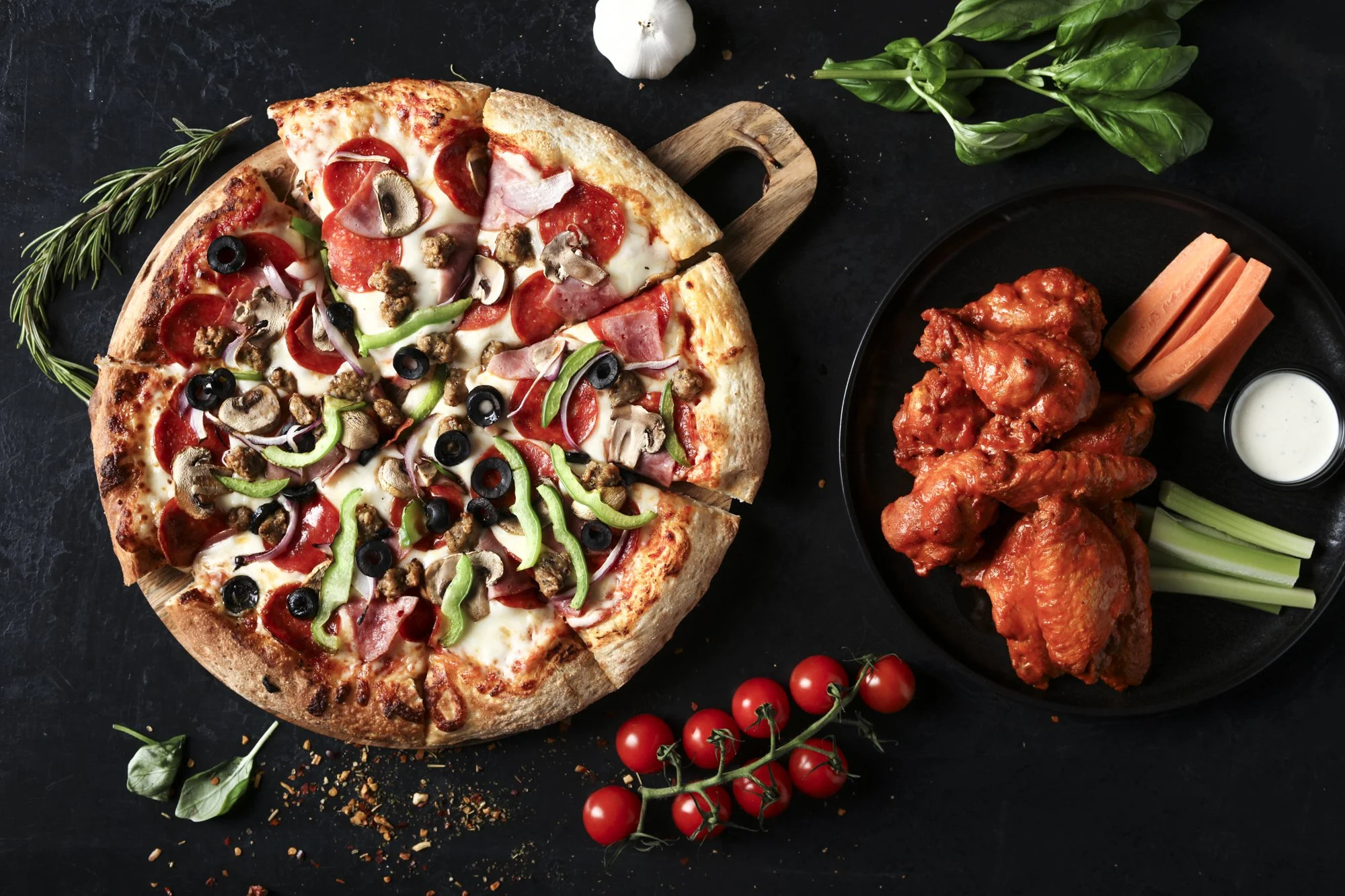
Your delivery app photos have one job: make someone scrolling DoorDash, Uber Eats or Grubhub stop and order from you instead of the restaurant next to you. The background is one of the biggest reasons a food photo either works or disappears in the feed. After shooting delivery app menus for restaurants across Orange County, Los Angeles and San Diego, here's what I've learned about choosing the best background for delivery app food photos.
Why the background matters so much on delivery apps
On a phone, your dish shows up as a small tile next to dozens of competitors. A customer decides in a second or two. A busy or dark background shrinks into visual noise at that size, while a clean background lets the food read instantly. The background also tells customers what kind of restaurant you are before they read a word.
The best backgrounds for delivery app food photos
1. Clean light or neutral surfaces
For most restaurants, a plain light surface is the safest choice: off-white, light gray, soft beige or a pale stone. It keeps the focus on the food, works for almost any cuisine and stays clean when the apps crop your photo into different shapes.
2. Simple wood
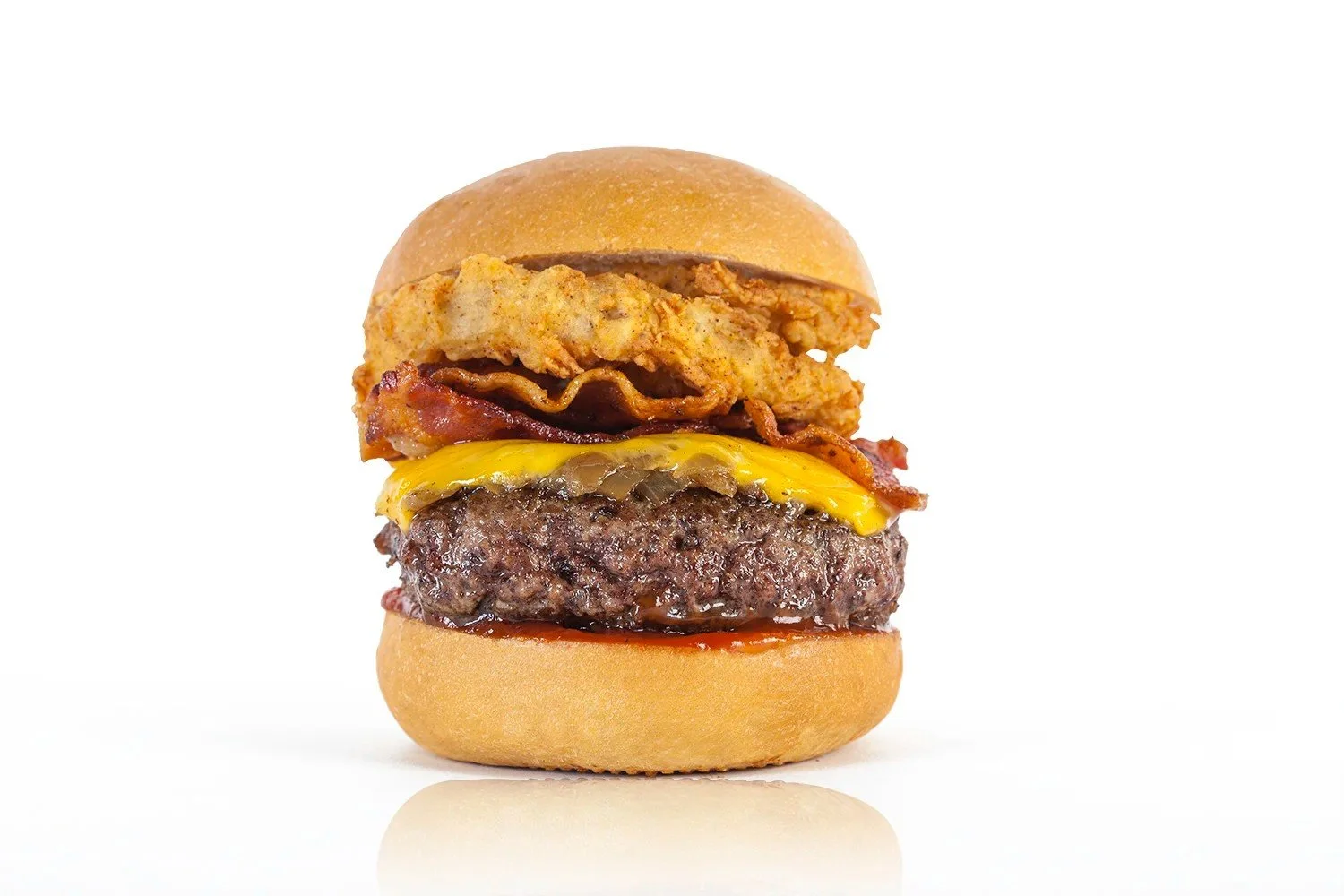
A light or medium wood surface adds warmth without getting busy. It's a great fit for burgers, sandwiches, pizza, bakeries and comfort food. Avoid heavily grained or very dark wood, which can fight with the food at thumbnail size.
3. Dark slate or matte black, used carefully
Dark backgrounds can look rich and premium for steak, sushi, cocktails and desserts. They take more control of the lighting, though, and dark food on a dark surface can turn into a shadow on a phone screen. If you go dark, make sure the dish has bright color and clean edges.
4. A background that matches your brand
If your restaurant has a signature color, tile or tabletop, using a simplified version of it can make your menu instantly recognizable. Keep it subtle. The food should always be the loudest thing in the frame.
Backgrounds to avoid
Busy patterns, printed tablecloths and loud tiles
Cluttered tables with extra props, napkins, phones or condiments
Kitchen counters with equipment or packaging in the shot
A different background for every dish, which makes the whole menu look random
Backgrounds the same color as the food, like a brown sandwich on dark brown wood
Consistency beats everything
The single biggest upgrade most restaurants can make on a delivery app is consistency. When every dish is shot on the same background, from the same angle, with the same lighting, your menu looks professional and trustworthy. Customers can compare items easily, and your listing looks like a brand instead of a collection of phone snapshots.
That's why I shoot every item in a delivery app session on one lighting setup and one background. A typical session covers up to 60 menu items in a day, and the last dish matches the first.
Framing and lighting tips
Fill the frame. The dish should take up most of the image, with a little breathing room so nothing important gets cropped.
Keep it centered. The apps crop photos to different shapes on different screens, and centered food survives those crops.
Use soft, even light. Harsh shadows and mixed light make food look unappetizing. Soft light shows texture and true color.
Choose the right angle. Overhead works for pizza, bowls and flat dishes. A three-quarter or side angle works better for burgers, sandwiches and drinks.
Make color pop. Pick a background that contrasts with the food, so greens, reds and golden crusts stand out.
Check each app's photo guidelines
DoorDash, Uber Eats and Grubhub each have their own photo size, crop and content guidelines, and they change from time to time. Before you upload, check the current requirements for each platform. When I deliver a delivery app shoot, every image is cropped and sized for the apps you use.
DIY or hire a food photographer?
You can get decent results with a phone, a window and a clean background. But if your listing is a big part of your sales, professional delivery app food photos usually pay for themselves quickly. They're consistent across the whole menu, lit properly and edited to look like the dish your kitchen actually serves.
Learn more about delivery app food photography for DoorDash, Uber Eats and Grubhub, or see food photography pricing. I photograph restaurants across Southern California as an Orange County food photographer, Los Angeles food photographer and San Diego food photographer. Get a quote for your delivery app shoot →
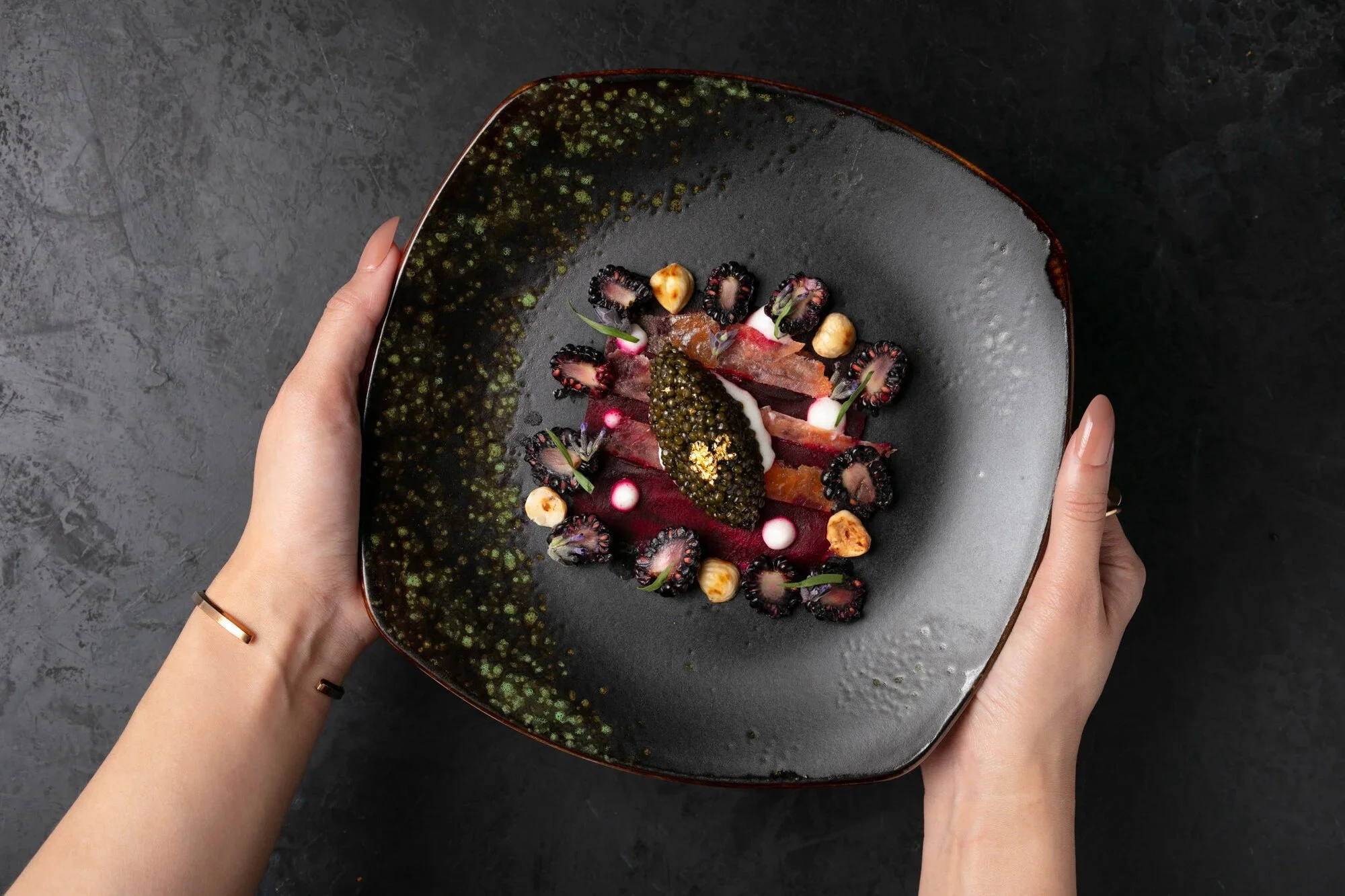
How Much Does a Food Photographer Cost? Food Photography Pricing in Southern California
How much does a food photographer cost in Los Angeles, Orange County and San Diego? A 20-year food photographer explains pricing models, starter rates from $495, half-day, full-day and hourly options, small business packages and copyright buyouts.
"How much does a food photographer cost?" is one of the first questions restaurant owners, chefs and food brands ask me. It's a fair question. Prices online run from a few hundred dollars to several thousand a day, and every photographer seems to price things differently. After 20 years as a food photographer in Orange County, Los Angeles and San Diego, here's a plain-English guide to food photography pricing in Southern California, and what you should expect to pay.
How food photographers charge
Most food photographers use one of three pricing models:
Per image. You pay for each final photo. It sounds simple, but costs climb fast once you need a full menu, and you often end up choosing which dishes to leave out.
Hourly. Good for a small job like a new menu item or a seasonal special.
Half-day or full-day rates. The most common model for restaurants and food brands, because the whole menu, the room and the team can be shot in one visit.
At Plate to Pixel I price by time, not by the photo. Every usable image from the shoot is yours, so you never have to ration dishes to stay on budget.
Starter shoots from $495
My starter rate is $495. It's built for restaurants, cafes, bakeries and small food brands that need a focused set of professional photos without committing to a full day. It's a good fit for a few new dishes, a limited-time offer or fresh images for your website and social media.
Half-day, full-day and hourly options
For bigger jobs, I offer affordable half-day pricing, hourly options and discounted rates for full-day shoots of eight to ten hours. A half day typically covers a large part of a menu. A full day can cover your whole menu, the dining room, drinks and your team, and the longer the day, the better the value per hour.
See the food photography pricing page for the shoot options, or send me your menu for a straight number.
Affordable packages for small businesses
A lot of my clients are independent restaurants, food trucks, bakeries and family-owned shops. I keep competitive rates and affordable packages for small businesses, because great food photos shouldn't be something only national chains can afford. Tell me what you need and what your budget is, and I'll build the shoot around it.
What affects the price of a food photography shoot
Number of dishes and setups. Ten dishes on one background is a very different day from forty dishes, drinks, interiors and portraits.
Style. Clean menu shots on a consistent background are faster than styled lifestyle scenes with hands, props and guests.
Food styling. Most restaurant shoots don't need a food stylist. When a dish does, it's quoted separately.
Video. Adding restaurant video and reels to a photo shoot costs less than booking a separate video day.
Usage and ownership. How and where you plan to use the images, and whether you need to own the copyright outright.
Usage rights and copyright buyouts
Price isn't only about the shoot day. It's also about what you're allowed to do with the photos. Many restaurant owners don't realize that paying for a shoot doesn't automatically mean they own the images. I explain the difference in Do Restaurants Own Their Food Photos?
My shoots include broad commercial use for your website, social media, menus, ads and delivery apps. For brands that need full ownership, I offer competitive copyright buyout rates, so you're never stuck with a surprise bill or a cease and desist letter down the road.
What's included in every shoot
On-location shooting at your restaurant or kitchen, with my own lighting, backgrounds and props
Unlimited usable images from the shoot, with no per-photo fees
Live review on a monitor during the shoot, so you approve shots as we go
Professional editing and color correction
Photos edited and delivered within three business days, sized for web, print, social media and delivery apps
Video takes longer to edit. Most video edits are delivered in about a week, depending on the amount of footage and how complex the edit is.
Is a cheaper photographer worth it?
Sometimes. But the real cost of food photography isn't the invoice, it's what the photos do for your business. Photos that make people hungry sell more dishes on DoorDash and Uber Eats, fill tables from Instagram and Google, and get used for years. Photos that look flat, or that you can't legally use for an ad or a magazine story, cost you twice.
Get an accurate quote
The fastest way to get a real number is to send me your menu, roughly how many dishes you want to shoot, your city and when you need the images. I'll come back with a straight quote within one business day.
I shoot across Southern California as a Los Angeles food photographer, Orange County food photographer and San Diego food photographer. Get a quote for your shoot →
Running a restaurant? See how pricing works for restaurant photography, including menu photos, dining rooms and chefs shot around live service.
Do Restaurants Own Their Food Photos? Licensing vs. Copyright, Explained
Paid for the shoot, so you own the photos? Not always. A 20-year Orange County food photographer explains licensing, usage rights and copyright buyouts, and how restaurants can avoid a cease and desist letter.
In 20 years as a food photographer in Orange County and across Southern California, I hear the same story from new clients again and again. They hired a photographer in the past, paid for a full day of shooting, and later sent one of those photos to a magazine or newspaper running a story about their restaurant. A few weeks later, a cease and desist letter arrived from the photographer, saying they were not allowed to use the image.
It is an easy mistake to make. Most restaurant owners assume that if they hire a photographer and pay for the shoot, they own every image the photographer takes. In most cases, they do not. Here is how food photography licensing and copyright really work, and the questions to ask before you hire a food photographer.
Who owns the photos when you hire a food photographer?
Under U.S. copyright law, the photographer owns the copyright to a photo from the moment it is taken, even when you paid for the shoot. A freelance photographer works as an independent contractor, so paying for the day does not, on its own, transfer ownership to you. Ownership only moves to you through a signed written agreement, which is called a copyright buyout.
What you usually receive instead is a license: permission to use the images in specific ways, for a specific amount of time.
What a license covers, and where it can go wrong
For most restaurants, a good license covers everything they need. If you plan to use your photos on your website, social media, menus, Google ads and delivery apps like DoorDash, a full commercial license handles all of it.
The trouble starts with the fine print. Some photographers sell short-term licenses that run for one or two years. If you keep using the images after the license expires, you may have to pay for them again. In some cases, the photographer can let the license lapse and license those same images to someone else or sell them as stock photography.
Planning a food or restaurant photo shoot? Get a quote from Plate to Pixel →
When a copyright buyout makes sense
If you want full control of your images, a copyright buyout is the answer. Owning the copyright means you can:
Use the images indefinitely, with no expiration date
Share them with third parties, like magazines, newspapers and partner brands
Publish them without needing the photographer's consent
Distribute them however you like, without ever coming back for permission
That is exactly what those restaurants who received a cease and desist letter needed. Editorial and third-party uses, such as a magazine feature or a newspaper article, are usually not covered by a standard license.
What does a copyright buyout cost?
Copyright buyouts can get expensive. In my experience, typical commercial rates run several hundred dollars per image, or flat rates in the $1,500 to $4,000 range for a day of shooting.
At Plate to Pixel, we keep buyouts competitive and work with you to make ownership affordable, especially for small businesses and independent restaurants with smaller budgets. Being fair and flexible with restaurants is something we take pride in. Full commercial licensing is also included in every shoot, so your website, social media, menus, ads and delivery apps are always covered. See our food photography pricing for details.
Questions to ask before you hire a food photographer
Before every shoot, I talk with clients about how they plan to use their images, so we can decide whether a license is enough or whether ownership and third-party usage are part of their plan. Ask any photographer you are considering:
Where can I use these images, and for how long?
Does the license include paid ads and delivery apps?
What happens when the license expires?
Can I share the photos with a magazine, newspaper or partner brand?
Do you offer a copyright buyout, and what does it cost?
Clear answers up front protect your restaurant from surprise fees and letters later. For the full breakdown, read our guide to food photography licensing and copyright, or see 8 things to look for when hiring a food photographer.
This article is a general overview of U.S. copyright and licensing, not legal advice. For questions about a specific contract, talk with an attorney.
Planning a shoot? See how we work as a restaurant photographer in Orange County, Los Angeles and San Diego.
How to Prep Your Restaurant for a Food Photography Shoot
Do you need to close? Who cooks? How should the food be plated? A 20-year restaurant photographer on how to prep your restaurant, kitchen and team for a food photography shoot.
Booking a restaurant photographer is the easy part. Getting your restaurant ready for the shoot is where most owners have questions: do we need to close, who cooks, how should the food be plated, and how do we know we'll like the photos? After 20 years of restaurant and food photography across Southern California, here's what I tell every client before shoot day.
You don't have to close for a restaurant photo shoot
Most owners assume they need to shut down for the day. You don't. The majority of the restaurant photo shoots I do happen while the restaurant stays open. We usually set up at a back corner table, out of the way of guests and staff, and work quietly through the shot list while service carries on.
Guests usually love it. People come over to ask questions and get a first look at new menu items that are coming soon. I've even had guests take pictures of me taking pictures and post that a photo shoot was happening at the restaurant. That's free promotion you can't buy.
If your restaurant has a day when it's closed, that works well too. You get the whole dining room and the full attention of your kitchen. But closing isn't a requirement.
Turn the shoot into social media content
Shoot day is a great story to share. Have someone on your team grab a few behind-the-scenes photos and short clips on their phone, then tell your followers you're shooting new photos and that new dishes or menu items are on the way. It builds anticipation before the professional images are even delivered. If you want polished social content from the same day, ask about adding restaurant reels and video.
Dedicate one chef to the photo shoot
If at all possible, have one chef dedicated to the photo shoot. When the same cooks are feeding guests and the camera, the shoot stalls every time the lunch or dinner rush hits. A dedicated chef can take their time, plate each dish carefully, keep the rim of the plate clean, and have the next dish ready when we are.
It isn't always possible, and we can work around a busy kitchen. But a dedicated chef is the single biggest thing you can do to get more dishes shot, with better results, in less time.
Planning a food or restaurant photo shoot? Get a quote from Plate to Pixel →
Plate for the camera, not the rush
How a dish is plated for the camera is very different from how it's plated during service, when the goal is getting a lot of food to the dining room fast. For photos, every detail shows. On shoots where we don't have a dedicated food stylist, I talk with the chef ahead of time and share food styling tips on how to prepare and plate each dish so it looks its best on camera.
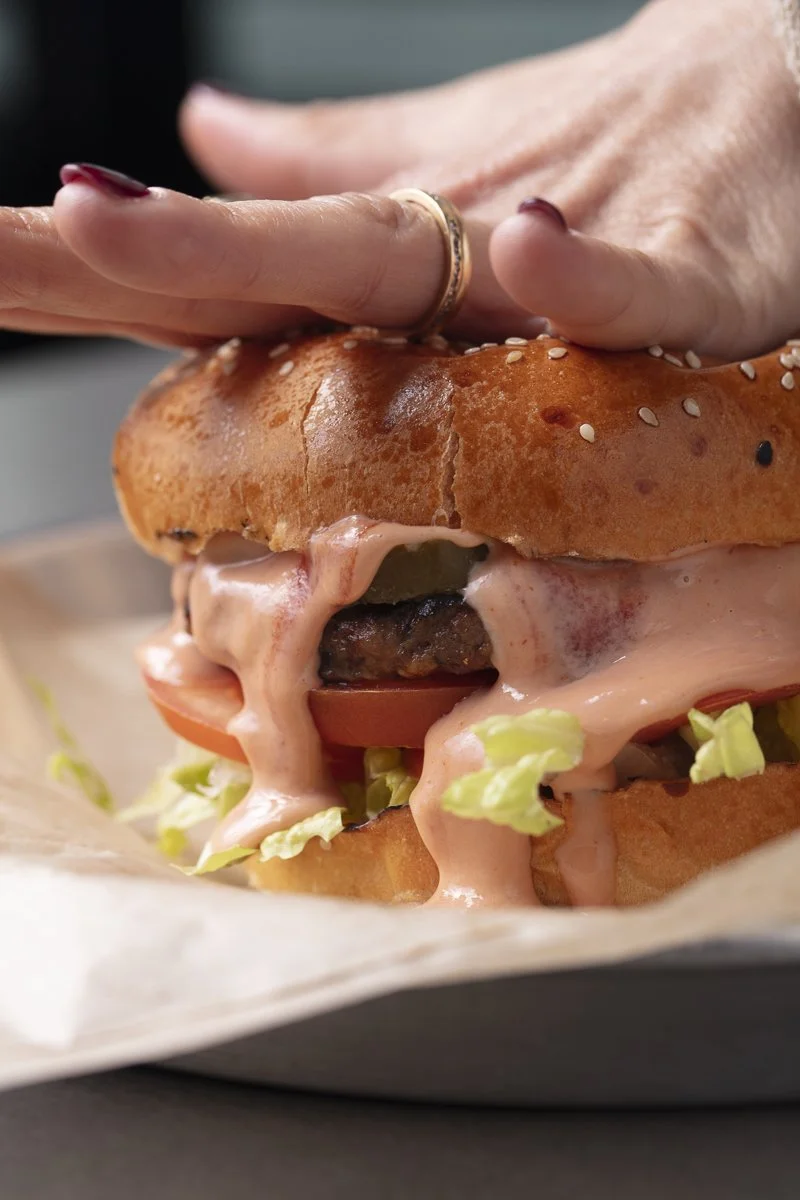
Burgers and sandwiches are the perfect example. You have to build them carefully:
Ingredients shouldn't be sliding off or falling over.
The protein should be visible, not hidden under toppings.
Use the right amount of sauce: not so much that it's messy, not so little that it looks dry.
Keep the lettuce from spilling over and covering the tomatoes.
Match your colors. You don't want a red tomato and a pale pink tomato on the same burger.
Those small details are the difference between a burger that looks good and one that makes people hungry. I walk through all of this with the client or chef before shoot day so the kitchen is ready.

A quick restaurant photo shoot prep checklist
Finalize the dish list. Share the dishes, drinks and any interior or team shots you want, and which are the priorities.
Order a little extra. Have extra of the key ingredients and garnishes so the kitchen can make a fresh plate if needed.
Pick the chef. Choose who will cook and plate for the shoot, and let them know ahead of time.
Clean the space. Make sure the corner we're using, plus any area of the dining room or bar we'll photograph, is clean and clear.
Decide who approves. Have the owner or marketing person on hand, or reachable, to give feedback during the shoot.
Plan your posts. Have someone ready to capture behind-the-scenes content for social media.
Approve your photos during the shoot, with no surprises
While I'm shooting, I have a laptop set up so the owner or marketing person can see every photo as it's taken. You can QC and approve the images, make sure we're going in the right direction, and give feedback or new ideas while we can still act on them: a different angle, more sauce, a new prop, a different plate.
That way there are no surprises. By the time the final edited images are delivered, you already know exactly what you're getting, because you watched it happen.
Book a restaurant photo shoot in Southern California
Plate to Pixel has been photographing restaurants and food brands since 2006, from neighborhood favorites to national brands. We shoot during service or on your closed day, coach your kitchen on plating, and deliver images for your menu, website, social media and delivery apps. We work across Orange County, Los Angeles, San Diego and Riverside. Get in touch to plan your shoot, or see our food photography pricing.
Related: How to hire a food photographer: 8 things to look for.

Azabu - Video Reel
Azabu Los Angeles does not drift quietly onto the screen. It arrives in flashes of steel, shadow, flame, cocktails, and precision — a fast-moving piece of cinematic restaurant storytelling built to hit the senses before the brain has time to organize a defense. This is one of those restaurant videos that understands the real assignment: not just to show food and drinks, but to make the viewer feel the pulse of the room, the heat of the kitchen, the glow of the bar, and the low-lit seduction of a serious night out in Los Angeles.
Azabu Los Angeles does not drift quietly onto the screen. It arrives in flashes of steel, shadow, flame, cocktails, and precision — a fast-moving piece of cinematic restaurant storytelling built to hit the senses before the brain has time to organize a defense. This is one of those restaurant videos that understands the real assignment: not just to show food and drinks, but to make the viewer feel the pulse of the room, the heat of the kitchen, the glow of the bar, and the low-lit seduction of a serious night out in Los Angeles.
The edit drives hard. Food lands in sharp visual bursts. Cocktails catch the light like they know they are the stars of the evening. Hands move through prep with clean, practiced violence, and every cut keeps the energy climbing. This is the language of modern restaurant reels — fast, stylish, cinematic, and built for the split-second battle for attention on websites, social platforms, and hospitality marketing campaigns. It is not passive content. It moves like a dare.
The food photography influence runs through every frame. Texture matters. Light matters. Steam, shine, glaze, flame, shadow, plating, pour — all of it is captured with the kind of appetite-driven precision that gives restaurant content its bite. But this is not just still photography dressed up as motion. It is restaurant video production with momentum, using cinematic lighting, moody atmosphere, and aggressive pacing to turn dishes, cocktails, and kitchen prep into a visual narrative with real tension and payoff.
Azabu’s back-of-house rhythm gives the piece its backbone. Prep work, chef movement, and the choreography of service create that beautiful sense of controlled pressure that separates a real restaurant film from a generic promo clip. You can feel the timing in it, the discipline, the movement just beneath the polished final plate. That energy is what gives restaurant videos their authenticity, and it is what makes this reel feel alive instead of staged.
Then the bar takes over and the whole thing slips into another gear. Cocktails flash through the frame in amber light and deep shadow, each pour and garnish playing like part ritual, part performance. Glassware gleams, bottles glow, and the atmosphere leans all the way into the dark, moody elegance that defines upscale restaurant branding. This is the kind of visual material that gives restaurant reels extra reach, because it expands the story beyond food alone and into nightlife, hospitality, and the emotional charge of the room.
What makes this piece work is that it sells more than a menu. It sells appetite, motion, mood, and identity. It shows why cinematic restaurant videos matter for modern hospitality brands trying to stand out online. In a crowded digital space, restaurants need more than coverage; they need restaurant reels, food photography, and video content that feel intentional, polished, and impossible to scroll past. Azabu in Los Angeles has the kind of visual atmosphere that rewards that treatment — dark, elegant, kinetic, and just dangerous enough to feel memorable.
Built for restaurant marketing, restaurant videos, social media reels, food photography, and hospitality branding, this Azabu video is designed to work across Vimeo, websites, Instagram Reels, and broader digital campaigns. It captures chef prep, cocktails, plated food, and cinematic ambience in a way that feels premium without becoming sterile. The result is a restaurant film with real teeth — stylish enough for luxury branding, fast enough for social media, and rich enough in texture and mood to leave a mark.
Azabu is not presented here as a static dining room with nice plates. It feels like a living machine of appetite and elegance — part kitchen theater, part cocktail ritual, part midnight refuge. That is the edge this kind of restaurant video production should have. Not flat content. Not polite coverage. Something that moves with heat, shadow, rhythm, and intent. Something that turns food photography into motion, motion into atmosphere, and atmosphere into a reason to book the table.
See more of our restaurant video and reels work, our Los Angeles food photography, or get a fast quote.
Planning a food or restaurant photo shoot? Get a quote from Plate to Pixel →
Los Angeles restaurant video reels production
Need stills too? We also shoot restaurant photography and restaurant lifestyle photography, and photos and reels can be captured on the same day.
Cha Cha Cha - Los Angeles
Step inside Cha Cha Cha Los Angeles, where elevated Latin-inspired cuisine, rooftop style, and golden-hour ambience come together in a cinematic restaurant video designed to capture the full energy of the experience. From handcrafted cocktails and artfully plated dishes to the buzz of service and the warm visual atmosphere of the space, this video presents Cha Cha Cha as more than a restaurant — it becomes a living, breathing destination shaped by flavor, design, movement, and mood.
Step inside Cha Cha Cha Los Angeles, where elevated Latin-inspired cuisine, rooftop style, and golden-hour ambience come together in a cinematic restaurant video designed to capture the full energy of the experience. From handcrafted cocktails and artfully plated dishes to the buzz of service and the warm visual atmosphere of the space, this video presents Cha Cha Cha as more than a restaurant — it becomes a living, breathing destination shaped by flavor, design, movement, and mood.
Created through the lens of Plate to Pixel, a Southern California food photography and video studio, this restaurant promo highlights the kind of visual storytelling that helps hospitality brands stand out online. Every frame is designed to reflect the restaurant’s identity, combining food photography instincts with dynamic restaurant videography to showcase cuisine, drinks, ambience, and guest-facing energy in a way that feels polished, immersive, and commercially effective.
The rooftop setting gives the entire piece a natural sense of drama and warmth. Golden-hour light washes across cocktails, plates, glassware, and architectural details, creating the kind of cinematic atmosphere that immediately elevates restaurant content for websites, social media, and brand campaigns. This interplay of sunlight, movement, and environment is central to the visual identity of the film, helping Cha Cha Cha Los Angeles communicate not only what it serves, but how it feels to be there.
At the heart of the video is a behind-the-scenes approach to restaurant video production and food photography. Rather than simply documenting menu items or dining room scenes, the production focuses on motion storytelling, strategic lighting, camera movement, and editorial pacing that work together to bring the restaurant’s personality to life. The result is a hospitality-focused brand film that balances style and authenticity, making it useful for restaurant marketing, Vimeo hosting, homepage video content, social media reels, and broader digital promotion.
Handcrafted cocktails play a major role in the visual story, adding movement, sparkle, color, and energy to the piece. Drink pours, garnish details, bar action, and the rhythm of service create strong visual moments that support restaurant branding and cocktail-focused marketing. These scenes also broaden the search relevance of the content by connecting it to terms such as cocktail video, bar photography, restaurant bar marketing, beverage content creation, and nightlife-inspired restaurant promotion in Los Angeles.
The food coverage is equally intentional. Artful dishes are filmed with the same precision and appetite appeal that define strong commercial food photography, but with the added dimension of motion and cinematic pacing. Texture, steam, plating detail, color, and movement all become part of the story, helping the viewer connect with the food on an emotional level rather than simply viewing it as a menu item. This is especially effective for restaurant social media marketing, where visual impact in the first few seconds often determines whether a viewer keeps watching.
Cha Cha Cha’s atmosphere is what ties the entire film together. The rooftop setting, ambient crowd energy, warm light, and layered design cues create a sense of place that is essential to modern restaurant branding. In a crowded hospitality market like Los Angeles, strong restaurant marketing depends on showing not just the food and drinks, but the environment and emotional appeal of the full guest experience. This video is built around that idea, making ambience just as important as cuisine.
Plate to Pixel’s creative approach is visible throughout the production. As a Southern California food photography and video studio, the brand brings a combination of technical control and storytelling instinct to restaurant content creation. From concept and lighting to motion capture and final edit, the process is designed to deliver high-quality restaurant visuals that help brands strengthen their digital presence and stand out in search, on social media, and across web platforms.
Planning a food or restaurant photo shoot? Get a quote from Plate to Pixel →
This makes the video especially relevant for restaurants seeking professional food photography, restaurant video production, social media content, and cinematic brand storytelling. It demonstrates how visual assets can be developed not only for aesthetic value, but also for SEO, website engagement, and long-term marketing use. Embedded on a site or hosted on Vimeo, a well-written restaurant video description helps support visibility for searches related to Los Angeles restaurant video, rooftop restaurant marketing, food photography, hospitality branding, and affordable video production for restaurants.
The final edit is where all of these elements converge. Motion storytelling, lighting, editing rhythm, food beauty, cocktail moments, and rooftop ambience are shaped into a polished restaurant film that reflects the personality of Cha Cha Cha Los Angeles while also serving practical marketing goals. It is cinematic without losing clarity, stylish without feeling staged, and energetic without losing the details that make the restaurant memorable.
For restaurants looking to invest in better visual branding, this project shows the value of working with a specialist studio that understands the hospitality industry from both a creative and strategic perspective. Great restaurant content should do more than look attractive. It should communicate taste, mood, energy, quality, and identity in a way that translates across websites, Vimeo, Instagram Reels, digital advertising, and search-driven discovery. That is the role this film plays for Cha Cha Cha Los Angeles.
Through golden-hour rooftop visuals, handcrafted cocktails, artful Latin-inspired cuisine, and a behind-the-scenes production approach, this video captures the spirit of the restaurant while also reflecting the broader capabilities of Plate to Pixel. It is a strong example of how restaurant video production and food photography can work together to create modern hospitality content that is cinematic, social media-friendly, and built for visibility.
See more of our restaurant video and reels work, our Los Angeles food photography, or get a fast quote.
Los Angeles restaurant video reels production
Need stills too? We also shoot restaurant photography and restaurant lifestyle photography, and photos and reels can be captured on the same day.
How to Hire a Food Photographer: 8 Things to Look For
The questions that actually matter before you book a shoot: who is styling the food, what you are licensed to use the images for, how the shot list gets planned, and why lighting beats gear every time.
Hiring a food photographer is not like hiring a wedding or headshot photographer. Commercial food photography sits closer to product design than event coverage: the food has to be built, styled, lit and shot so it still looks alive twenty minutes into a session. I've been a professional food photographer in Southern California since 2006, with 19 published books and work for restaurants, magazines and national food brands. If you're about to invest in images for a menu, a website, delivery apps or a campaign, here's what actually matters.
1. Look at their work in the format you're buying
A photographer with a beautiful landscape portfolio may never have shot a vertical reel. A stills shooter may not own the gear for motion. Before anything else, ask to see work in the exact format you need: menu photos, hero shots for a website, vertical video and restaurant reels for social, or packaging and product photography on white. If they can't show you the format, you're paying them to learn it.
2. Ask who is styling the food
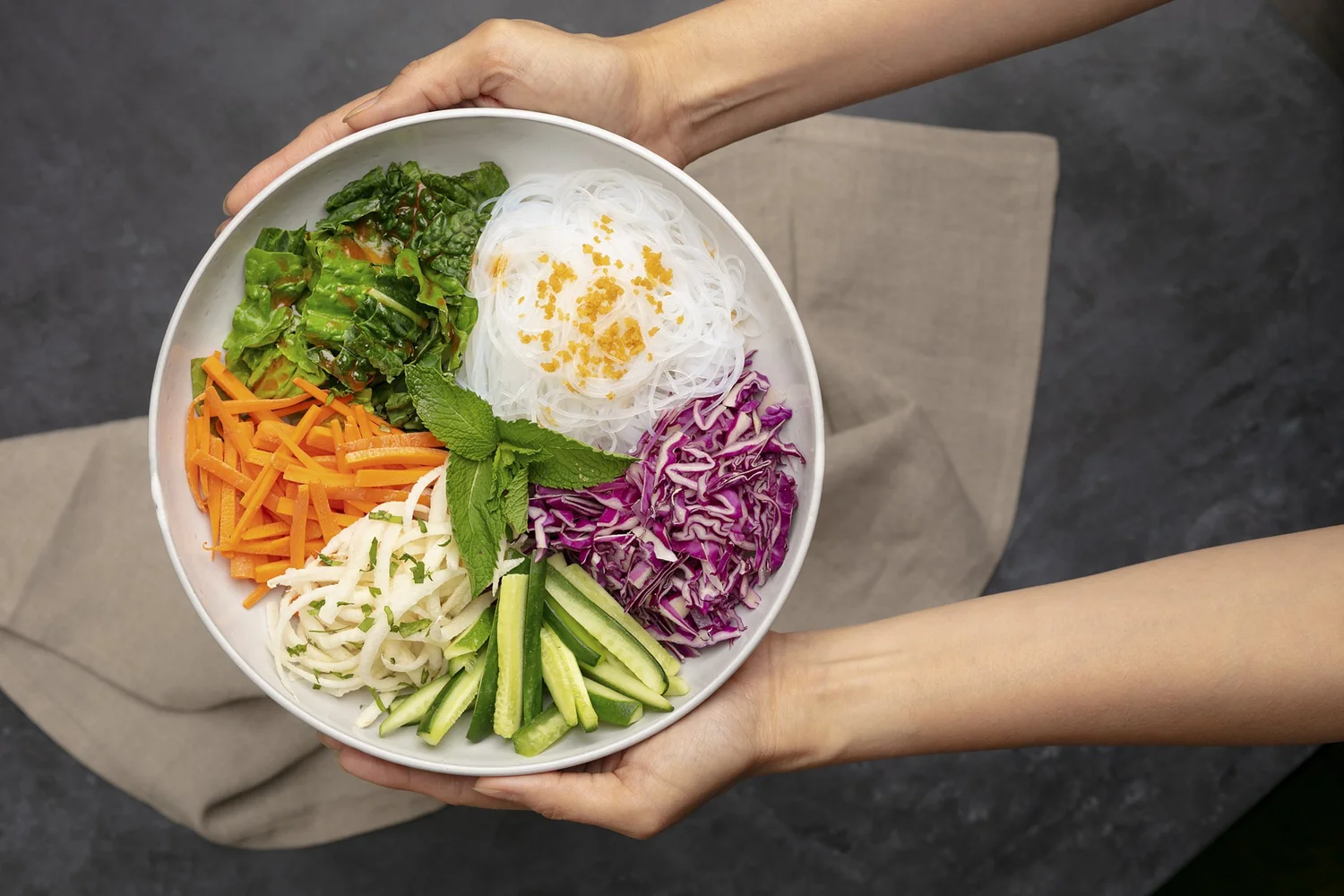
This is the question that separates a good shoot from an expensive one. Food styling is a craft of its own: knowing which sauces break under heat, how to keep greens from wilting, when to swap in a fresh hero plate. Some photographers style their own food, some bring in a professional food stylist, and some expect your kitchen to plate everything. All three can work, but you need to know which one you're getting, because it changes your budget, your timeline and how many dishes you can realistically shoot in a day.
3. Find out what you're licensed to use
Photographers usually license images rather than sell them outright. Ask plainly: where can these run, for how long, and does that include paid advertising? A rate that looks low often comes with a narrow license, and a rate that looks high often includes broad usage. Neither is wrong, but you should know before the shoot, not after.
4. Ask how they plan the shot list and creative
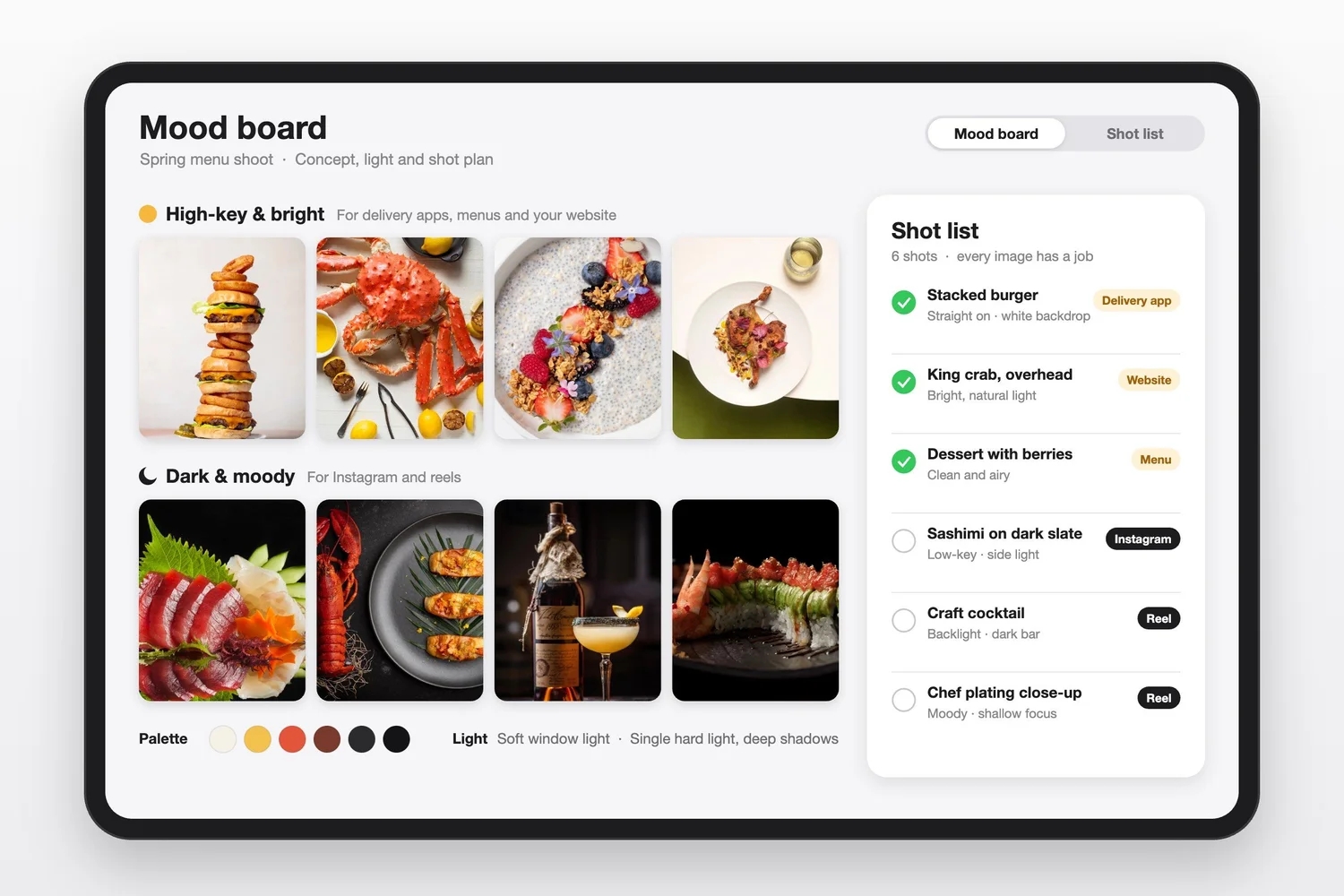
A professional will want to talk about the shot list before they talk about price. How many dishes? How many hero shots versus detail shots? Which images are for the menu and which are for social? The best food photographers go further and help with the creative itself: mood boards, backdrop and color choices, props, and a plan for how each image will be used in your marketing. A photographer who quotes a day rate without asking any of this will hand you a folder of pretty pictures that don't match what you needed.
5. Look for someone who has shot your kind of food
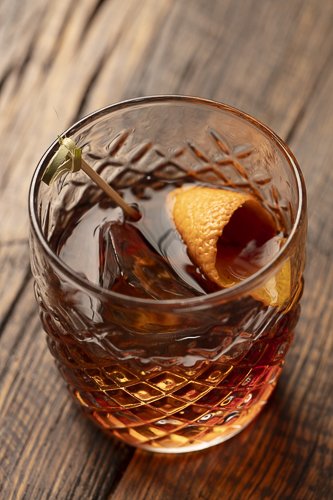
Cuisines don't photograph the same way. Pastry needs soft, careful light to hold its layers. Mexican food needs contrast and color separation so the reds don't go muddy. Cocktails have to be shot fast, before condensation and dilution ruin the glass. A photographer with real experience in your category knows the problems before they happen. Ask to see work from restaurants and brands like yours.
Planning a food or restaurant photo shoot? Get a quote from Plate to Pixel →
6. Talk about lighting, not gear
Camera bodies matter far less than people think. What matters is whether someone can read a dish and light it: where the sheen sits, how the texture reads, and whether the shot feels like food you want to eat right now. A good food photographer can go moody with dark backgrounds and soft light, or bright and high-key for clean product shots, depending on your brand. If every answer is about equipment rather than the food, that tells you something.
7. Get clear on what a shoot day includes
Ask what a day actually covers: how many hours, how many setups, whether props and surfaces are included, whether retouching is included and how many rounds, and how you receive the files. The answers should be specific. Vagueness at the quoting stage tends to become friction at the delivery stage. Our food photography pricing page lays this out up front.
8. Make sure they understand restaurants
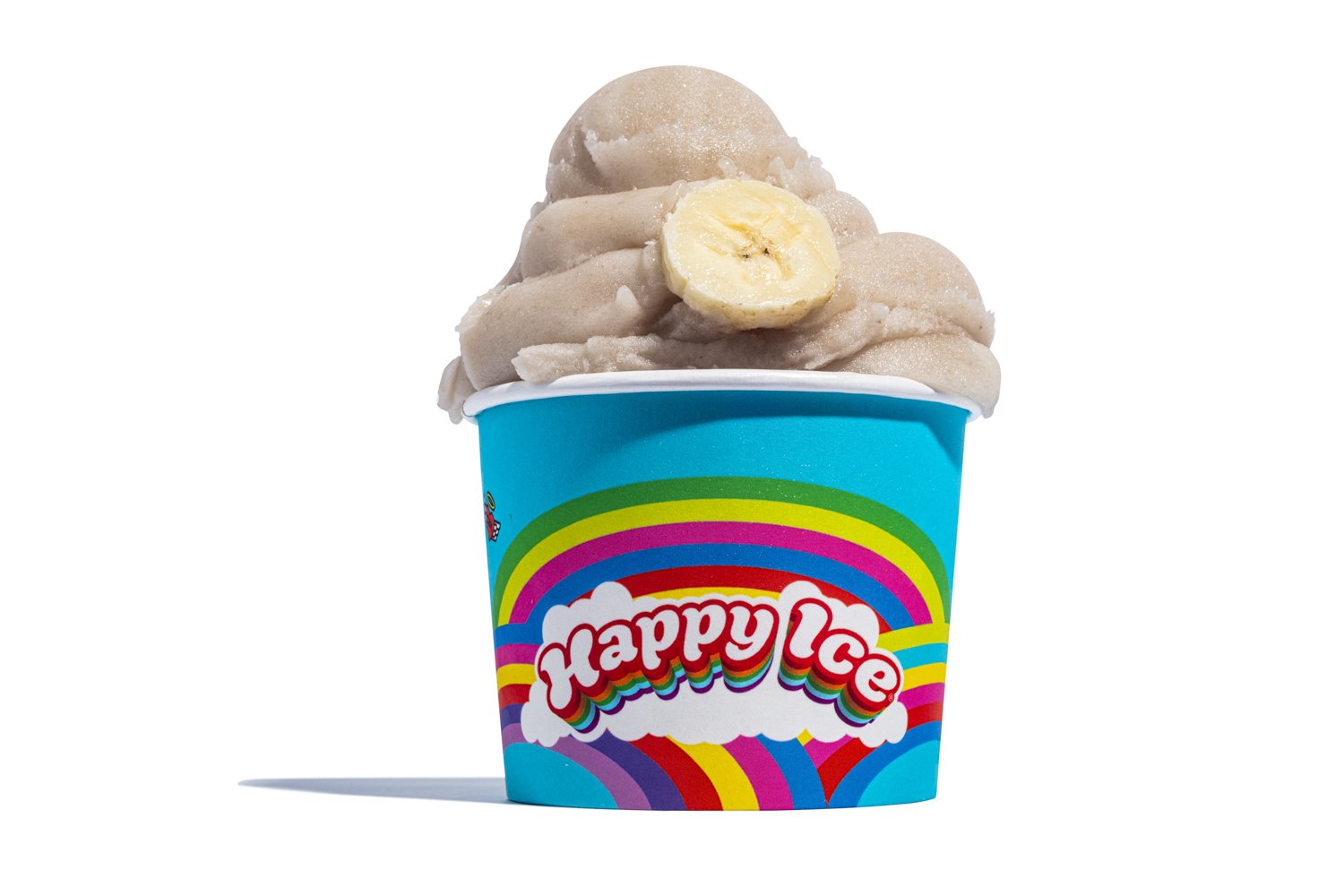
If you run a restaurant, you'll likely need more than plated food: your dining room, bar, chefs and team, plus images sized for DoorDash, Uber Eats and Grubhub. A restaurant photographer who shoots during service hours, works around your kitchen, and delivers both stills and video saves you from hiring two or three vendors.
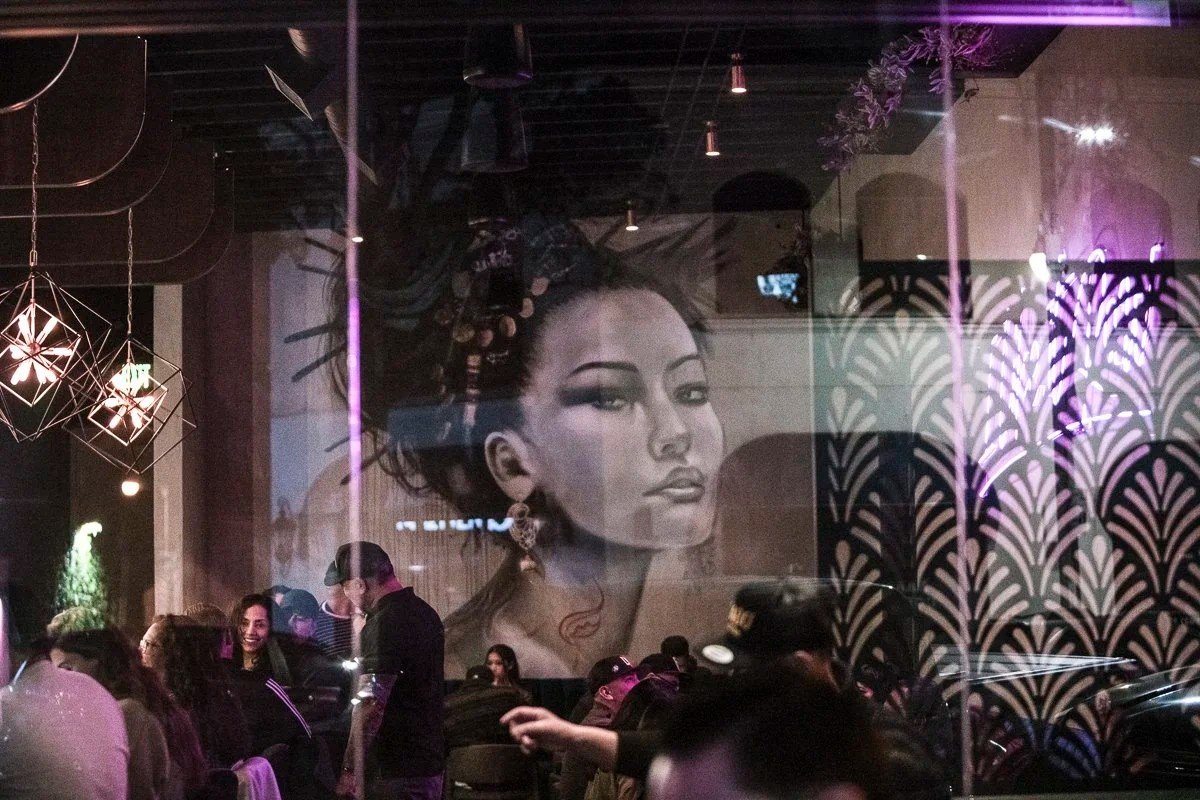
The best sign of a great food photographer
The best sign is a photographer who asks you more questions than you ask them: about your guests, your brand, where the images are going and what you're trying to sell. That's the person who comes back with images that do a job, not just images that look nice.
Hiring a food photographer in Orange County, Los Angeles or San Diego
Plate to Pixel has been photographing food in Southern California since 2006, with in-house food styling, creative planning, and both stills and video under one roof. We work with restaurants, bakeries, food brands and cookbook publishers across Orange County, Los Angeles, San Diego and Riverside. If you have a shoot coming up, get in touch for a quote.
Related: Five years of cookie and pastry photography for Batch & Box · See the portfolio.

Orange County’s Plate to Pixel Celebrates 20 Years of Food Photography, Restaurant Videos, and Visual Storytelling in Southern California
Plate to Pixel celebrates 20 years of food photography, restaurant videos, food styling, social media reels, and restaurant marketing for clients in Orange County, Los Angeles, San Diego, Riverside, Corona, San Bernardino, Palm Springs, and beyond.
In 2006, Plate to Pixel began with a camera, a deep love for food, and a simple idea: help restaurants and culinary brands tell their story through powerful visuals. What started as a food photography business has grown into a full creative studio specializing in food photography, restaurant video production, food styling collaboration, social media reels, and visual marketing for restaurants throughout Orange County and Southern California.
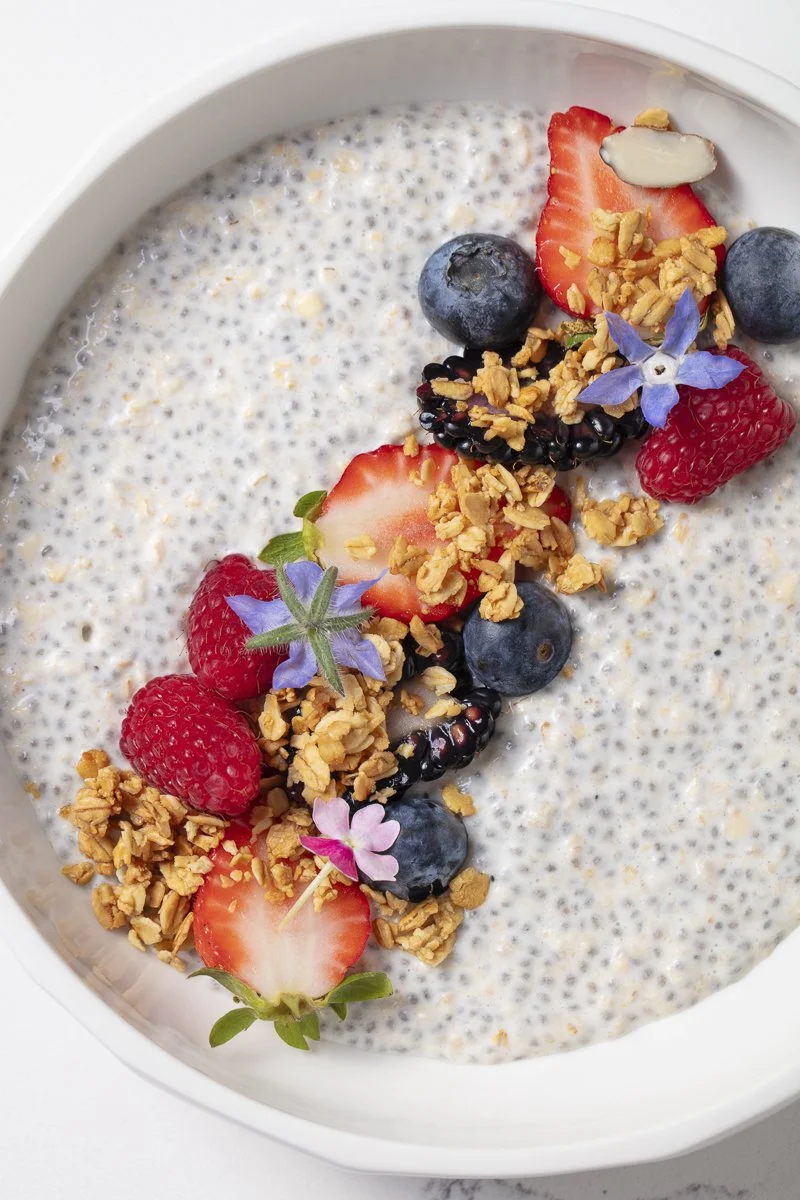
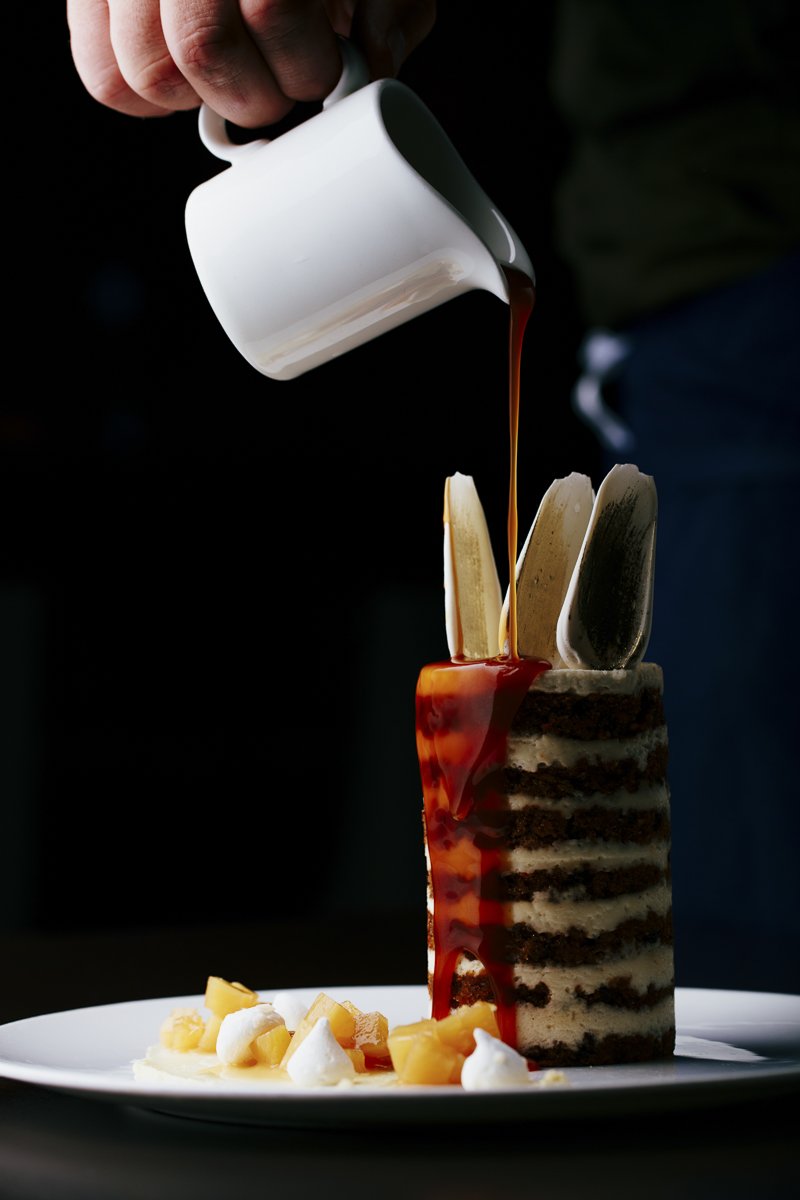

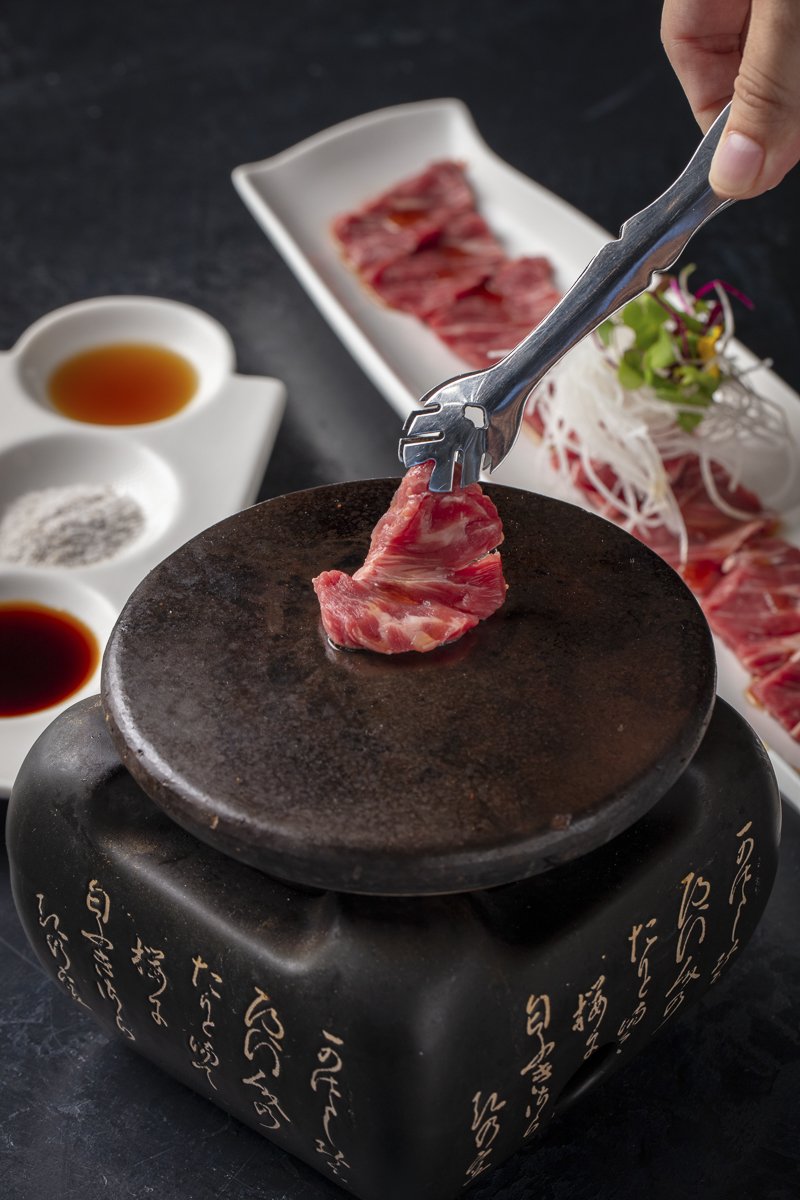



Plate to Pixel celebrates 20 years of food photography, restaurant videos, food styling, social media reels, and restaurant marketing for clients in Orange County, Los Angeles, San Diego, Riverside, Corona, San Bernardino, Palm Springs, and beyond.
In 2006, Plate to Pixel began with a camera, a deep love for food, and a simple idea: help restaurants and culinary brands tell their story through powerful visuals. What started as a food photography business has grown into a full creative studio specializing in food photography, restaurant video production, food styling collaboration, social media reels, and visual marketing for restaurants throughout Orange County and Southern California.
Now, 20 years later, we’re proud to celebrate an incredible journey working with restaurants, chefs, hospitality groups, cookbook publishers, and food brands of every size. From independent cafes and family-owned restaurants to major commercial clients like Chipotle, Subway, Tyson Foods, Guy Fieri, and Coca-Cola, Plate to Pixel has always believed that great food deserves great storytelling.
Founded by food photographer and filmmaker Alan de Herrera, Plate to Pixel was built on the idea that food is never just food. A dish carries the personality of a chef, the energy of a kitchen, and the identity of a restaurant. That belief has guided every shoot we’ve taken on, whether we were photographing handcrafted sushi in Orange County, filming restaurant reels in Los Angeles, capturing cocktails in Palm Springs, or creating food marketing content for brands across San Diego, Riverside, Corona, and San Bernardino.
Over the years, we’ve had the opportunity to work with hundreds of restaurants across Southern California. We’ve collaborated with passionate chefs, restaurant owners, managers, and hospitality teams to create restaurant photography and restaurant videos that highlight menu items, interiors, atmosphere, staff, and brand personality. Every restaurant has its own rhythm, and one of the most rewarding parts of our work is finding the visual language that fits each one.
Some shoots are clean and polished. Others are fast, loud, and full of heat, motion, and last-second improvisation. One day it’s pizza fresh from the oven. The next day it’s sushi, tacos, burgers, craft cocktails, or a chef-driven tasting menu. That variety is part of what makes food photography and restaurant video production so exciting. There is always a new challenge, a new texture, a new color palette, and a new way to tell the story.
Food photography is a specialized craft, and after two decades in the industry, we still love the challenge of it. Lighting food well takes patience, technical skill, and instinct. Timing matters. Texture matters. Styling matters. The way steam rises from a plate, the way sauce catches the light, the way a cocktail glass sweats on set — these details are what bring food images to life. That’s why we’ve always valued strong collaboration with talented food stylists, chefs, prop stylists, directors, and production crews who help every image and every video feel elevated and authentic.
As the industry changed, so did we. In 2015, Plate to Pixel expanded deeper into restaurant video production and social media content creation. Today, video is a major part of how restaurants connect with customers. Short-form content, vertical video, Instagram reels, TikTok-style clips, chef features, kitchen action shots, and cinematic brand films all play a role in modern restaurant marketing and restaurant promotion. We embraced that shift early, helping restaurants create social media reels and branded video content that feels polished, energetic, and built for the way people discover food today.
That evolution has allowed us to offer more than still photography. We now help clients create full visual campaigns that support restaurant marketing across websites, menus, digital ads, PR, delivery apps, social media, and promotional launches. Whether the goal is to build a stronger restaurant brand, launch a new menu, promote seasonal items, or increase visibility online, strong photography and video content remain at the center of modern food marketing.
Another part of our journey that has meant a lot to us is cookbook photography. Over the years, Plate to Pixel has worked on 18 cookbook projects, collaborating with both independent cookbook publishers and larger commercial publishers. Those projects have taken us across the United States and around the world, including Italy and Ecuador. Cookbook work is different from restaurant marketing work. It is slower, more detailed, and deeply story-driven. It asks you to build an entire world around recipes, ingredients, traditions, and personal narratives. It has been one of the most creatively fulfilling parts of our business.
Planning a food or restaurant photo shoot? Get a quote from Plate to Pixel →
Our work has also taken us far beyond Southern California. Through food, coffee, wine, and hospitality projects, Plate to Pixel has traveled to Italy, Japan, Ecuador, Bolivia, Mexico, and Norway. Every place brings a new perspective, and every project adds to the experience we bring back to our clients in Orange County, Los Angeles, San Diego, Riverside, Corona, San Bernardino, Palm Springs, and throughout the region.
Even with that international experience, we’ve always stayed committed to serving local restaurants and small businesses. In fact, that has been one of our biggest points of pride for the last 20 years. We love working with established brands, but we are equally passionate about supporting independent restaurants, neighborhood concepts, startups, bakeries, coffee brands, dessert companies, and culinary entrepreneurs. We know that small businesses need high-quality visuals too, especially in a crowded online world where photography, videos, and social media marketing can make the difference between getting noticed and getting overlooked.
That’s why we’ve worked hard to offer creative solutions for both large-scale campaigns and smaller restaurant promotion projects. A startup cookie company, a local macaron brand, a family-owned taco shop, or a boutique restaurant opening in Orange County all deserve visual content that feels professional, memorable, and true to their brand.
Beyond the plated food, we’ve also loved capturing the people behind it. Some of our favorite work over the years has been culinary portraits of chefs, owners, bartenders, managers, and kitchen teams. There’s something powerful about photographing and filming the energy behind the scenes — the flames on the line, the movement in the kitchen, the precision of the prep, the hands that bring each plate together. Great restaurant photography is not just about the final dish. It is about the people, the process, and the passion behind it.
After 20 years, we’re still inspired by the creative chaos of this work. We still love the challenge of building the perfect shot, creating standout restaurant reels, and helping food brands and restaurants connect with people through strong visual storytelling. From food photography and food styling to restaurant videos, social media content, and restaurant marketing, Plate to Pixel continues to do what we’ve always done: create images and films that make people feel hungry, curious, and ready to walk through the door.
To every restaurant, chef, creative partner, food stylist, brand team, and client who has trusted us over the years, thank you. Your trust has shaped our story.
And to the restaurants and culinary brands we haven’t worked with yet — in Orange County, Los Angeles, San Diego, Riverside, Corona, San Bernardino, Palm Springs, and beyond — we’re excited for what’s next.
Here’s to 20 years of food photography, restaurant video production, social media reels, restaurant marketing, and telling the stories behind the plate.
Looking for a photographer for your restaurant? See our restaurant photography and restaurant lifestyle photography, or our local pages for food photography in Orange County and food photography in Los Angeles.

Batch & Box: San Diego Cookie & Pastry Food Photography and Styling
For about five years, Plate to Pixel has been the San Diego food photographer and creative partner behind much of the imagery for Batch & Box: full-day shoots, styled pastry spreads, holiday campaigns and retouched product photography for online ordering.


For about five years, Plate to Pixel has been the San Diego food photographer and creative partner behind much of the imagery for Batch & Box, the handcrafted gourmet cookie bakery. As they've grown, the work has grown with them: lifestyle images for their website, styled pastry spreads, holiday and themed campaigns, social media content and clean product photography for their online ordering pages.
About Batch & Box, San Diego's gourmet cookie bakery
Batch & Box was founded in 2020 by Meghann Pricer-Smith, the brand's "Chief Cookie Officer," around a simple idea: cookies handmade fresh every day with high-quality ingredients. The first shop opened at Del Mar Highlands Town Center in Carmel Valley, followed by Westfield UTC in La Jolla, a stand at Snapdragon Stadium, and a new location in San Marcos. They also offer same-day pickup and delivery, nationwide shipping, corporate gifting and catering. Every one of those channels needs professional food photography.
Inside a full-day cookie and pastry photo shoot
A Batch & Box shoot is a big production. Their in-house marketing team builds a shot list and mood board for each campaign, and we work alongside them to add creative ideas: how to shoot each product, which backdrops and colors fit the message, and how each set should feel. On shoot day, their kitchen team prepares the cookies, cakes and pastries while we swap sets, backgrounds and props and keep the camera moving.
It's a full day with a lot of people working in tandem, and on a typical full-day shoot we produce well over 100 finished images, enough to carry their website, ordering pages and social media for weeks.
Professional pastry photography for every channel
Photographing a growing bakery isn't a single shoot. It's an ongoing visual system. Our pastry photography for Batch & Box includes:
Lifestyle images for the website: cookies broken, shared, stacked and gifted, so the brand feels warm and personal.
Styled tabletop setups: full spreads of cookies, cakes and pastries built around texture, color, props and surfaces.
Holiday and themed shoots: seasonal flavors and gift-box campaigns, each with its own set design and color story.
Product photography for online ordering: single cookies and pastries shot on white, then clipped and used as individual menu items.
Social media content: bold, scroll-stopping compositions made for Instagram.
Planning a food or restaurant photo shoot? Get a quote from Plate to Pixel →
Lighting and food styling: moody vs. bright and bold
The lighting is chosen to match the marketing message. For indulgent, luxurious images we go moody: darker backgrounds and soft, directional light that wraps around the texture of a thick cookie and the shine of melted chocolate. For seasonal promotions and social posts, we switch to bright, bold color backdrops and clean, high-key lighting that pops on a phone screen.
You don't casually photograph a cookie that thick. You circle it and work every angle until the weight, the gooey center and the decadence land in one frame. Food styling for baked goods comes down to small decisions: which side faces the light, how a break reveals the chocolate inside, where the crumbs fall, how a swipe of frosting catches a highlight. A layer cake crowned with tall gold candles against a deep black background says celebration with a luxe edge. The same idea on a bright red backdrop with fresh strawberries says party. A marble tray of cookies with a glass of milk says share me.
Product photography on white, retouching and clipping
Lifestyle images get attention, but product photography on white does the quiet work of selling. Each cookie and pastry is shot with consistent high-key lighting so every item on the ordering page matches the next in angle, scale and color. Customers compare flavors, not photo quality.
The work continues after the shoot. We retouch every final image, clean up crumbs and imperfections, and clip each product from its background, swapping in pure white or a brand color for a polished finished image. Those clipped product shots are used as single items on the website, in online ordering and on delivery apps. When a new flavor launches, it drops right into the same visual system.
Why a long-term creative partner pays off
The biggest advantage of a five-year relationship is knowing the brand. We know how Batch & Box cookies should look, which compositions their customers respond to, and how each new campaign should sit next to the last one. That continuity is hard to get when a bakery changes photographers every season, and it shows in a feed, a website and an ordering page that all look like they belong together.
Hiring a food photographer in San Diego
If you run a bakery, dessert shop, café or food brand in San Diego, the same approach works for you: creative planning, styled lifestyle images, holiday campaigns, social content, and retouched product photography for your website and online ordering. Plate to Pixel has been creating professional food photography since 2006 for restaurants and food brands across San Diego, Orange County and Los Angeles.
See more San Diego food photography or get in touch about your next shoot.