
Lifestyle photography
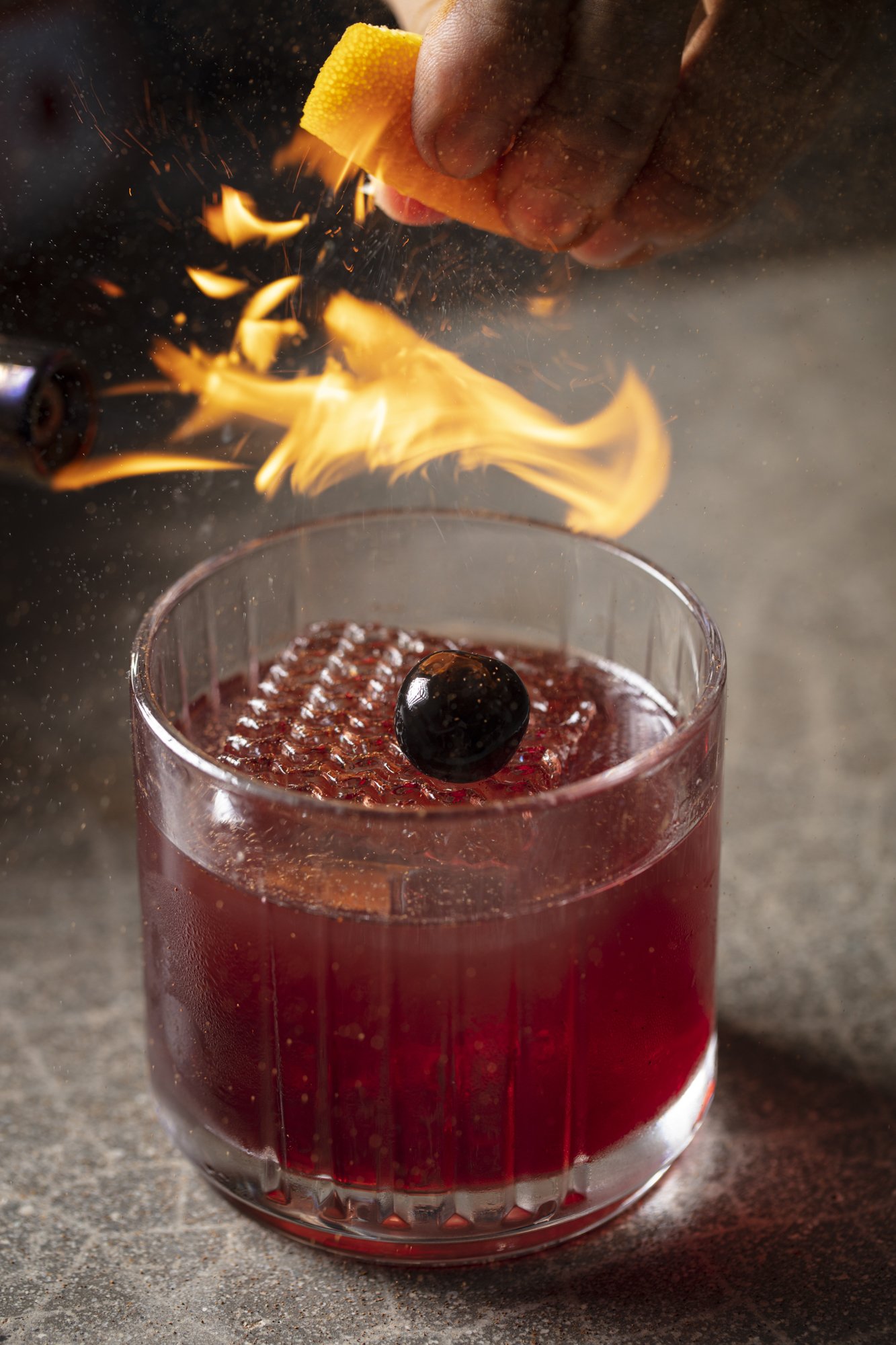
Lifestyle restaurant and food photography blends people, plates, props, and place to tell the full story of a dining experience. These images capture guests interacting with food, servers in motion, bar energy, and the overall atmosphere so viewers can feel what it’s like to be there.
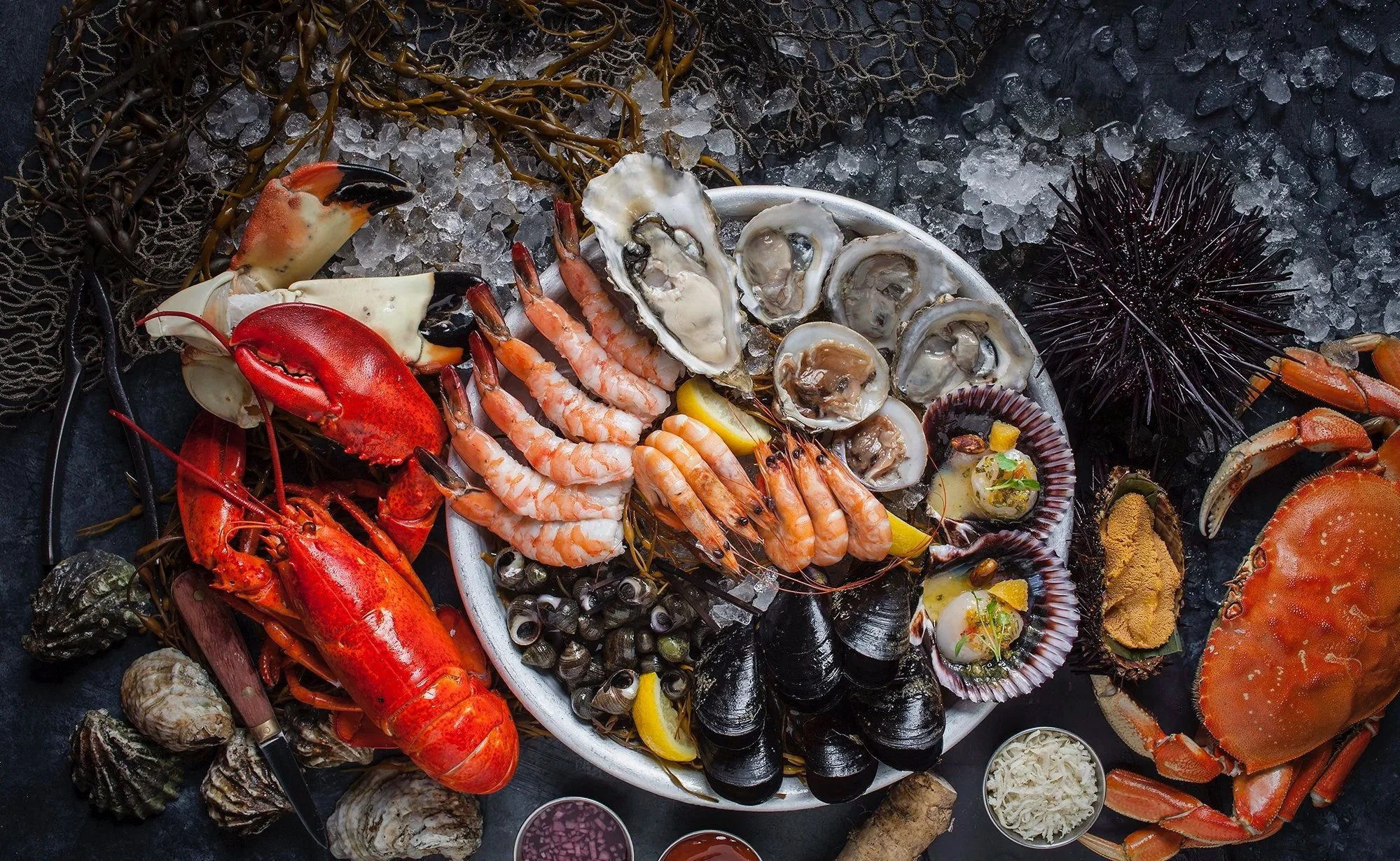
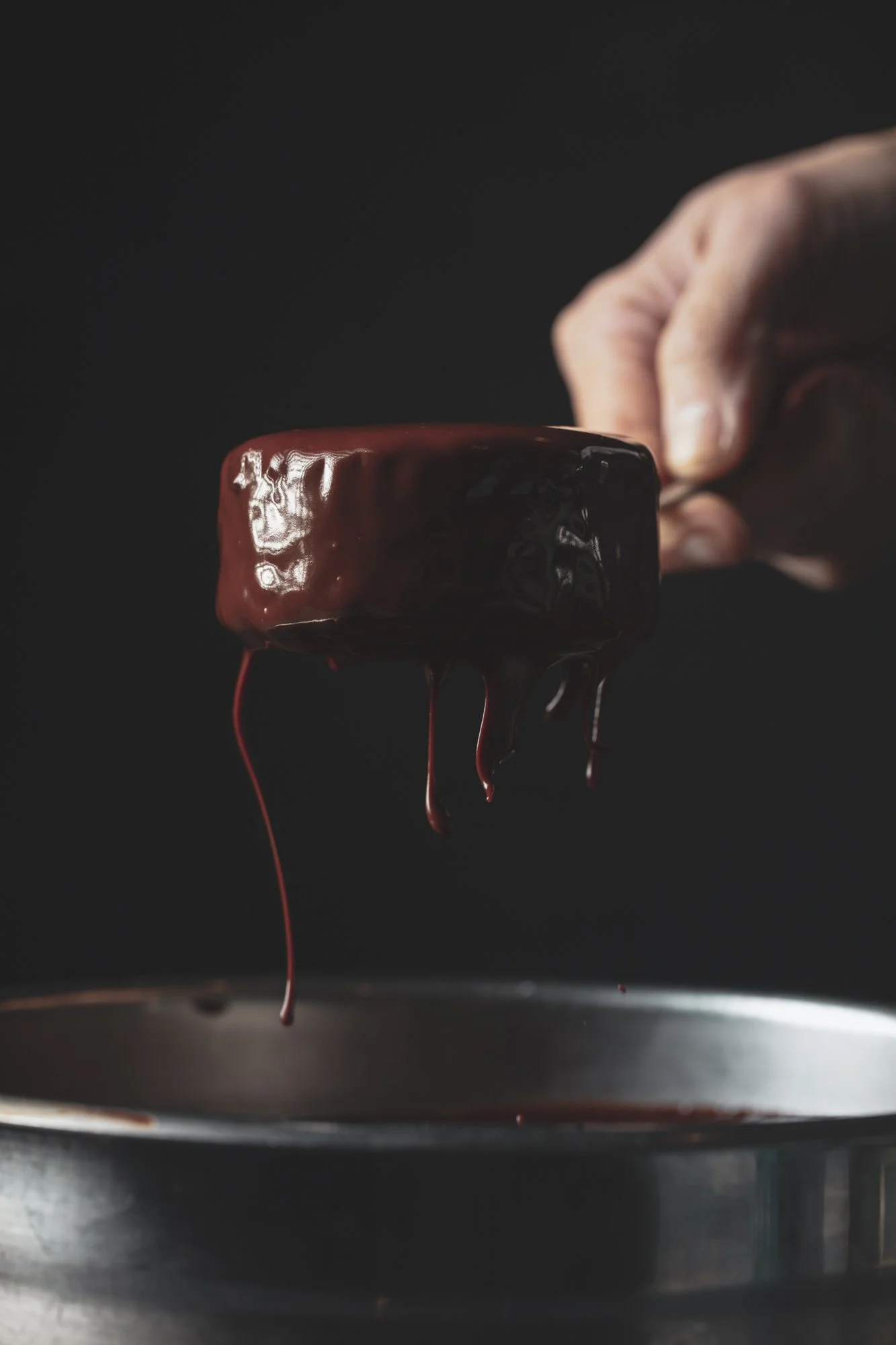
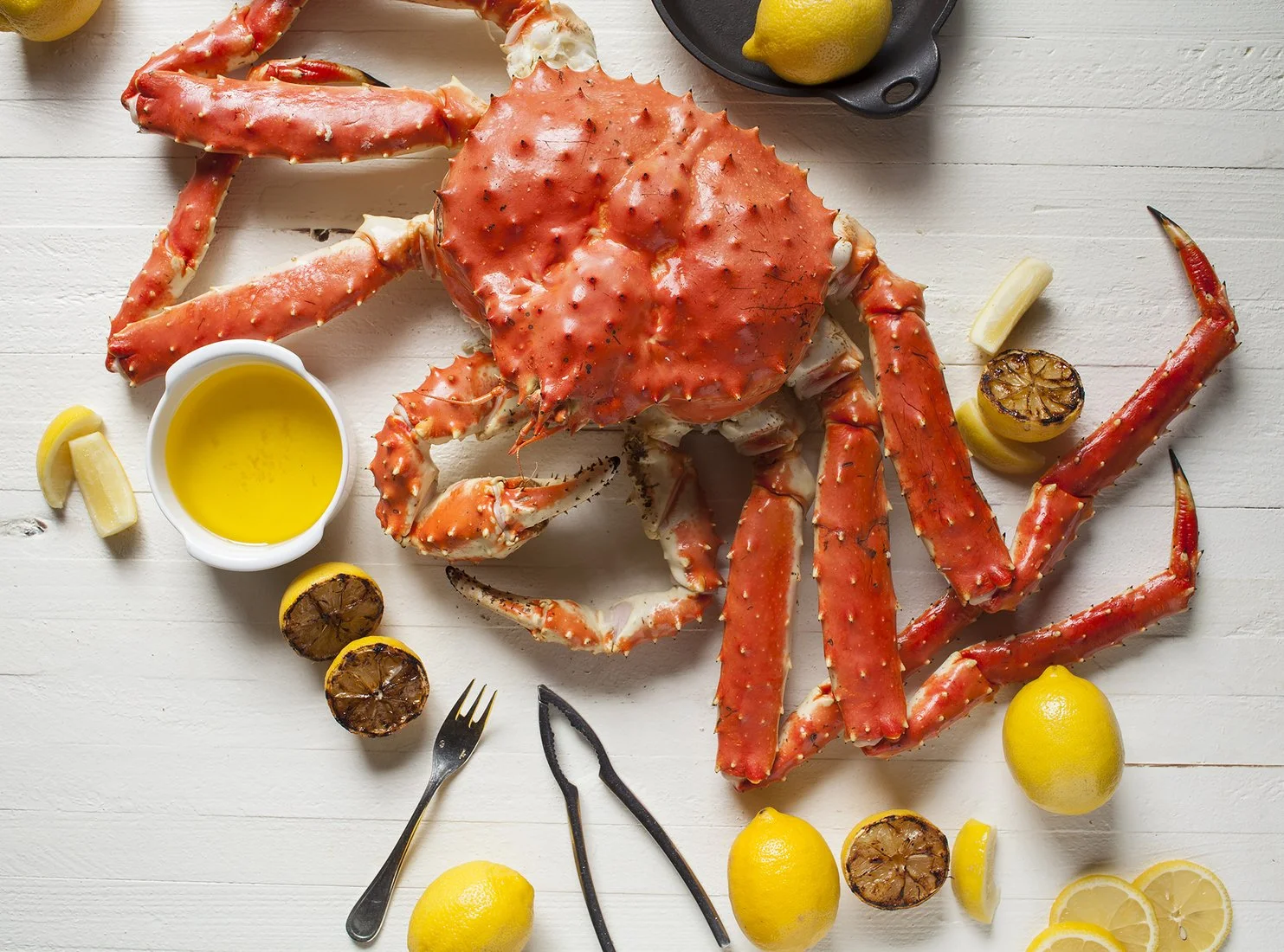
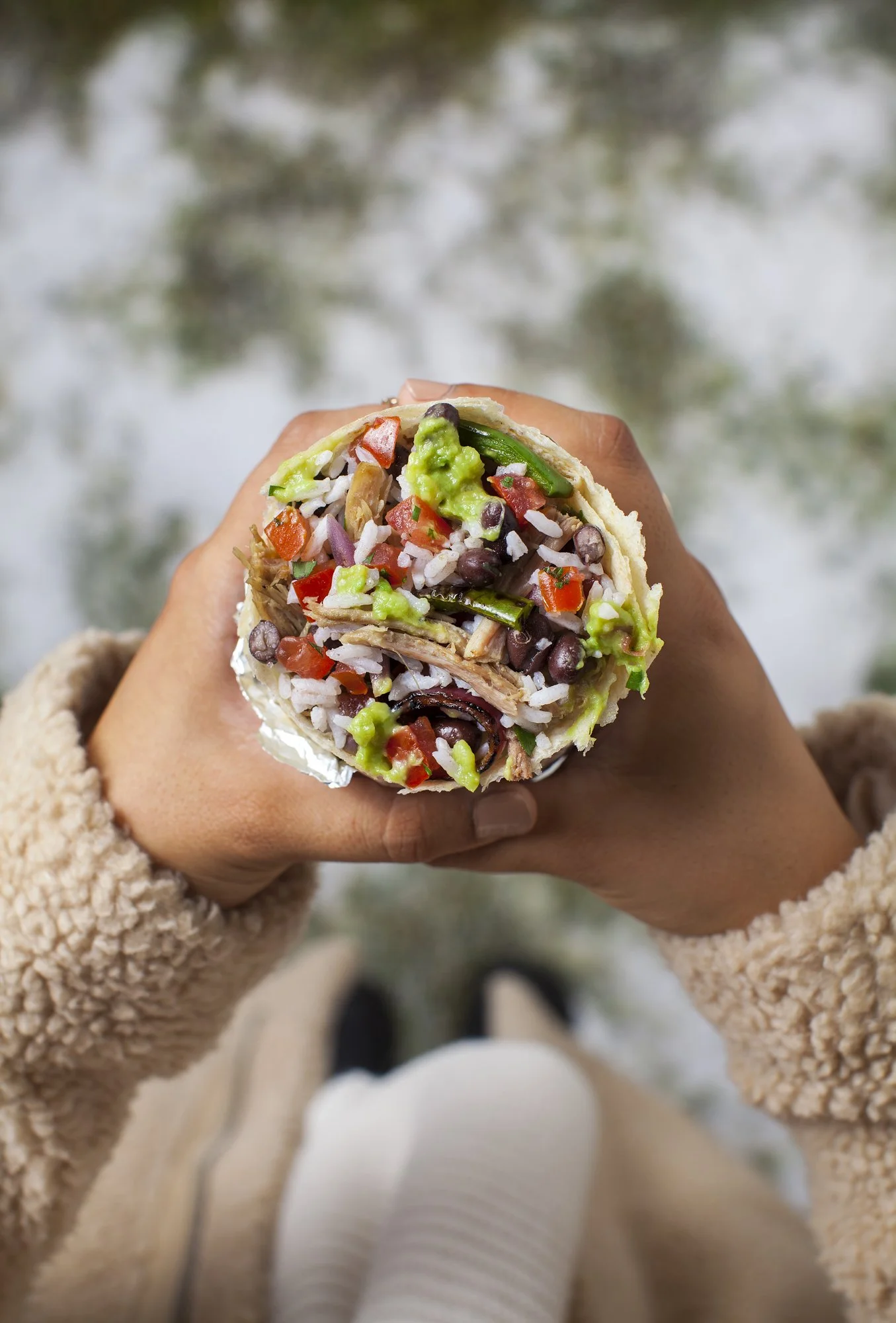






Lifestyle Food Photography FAQs
What is lifestyle food photography?
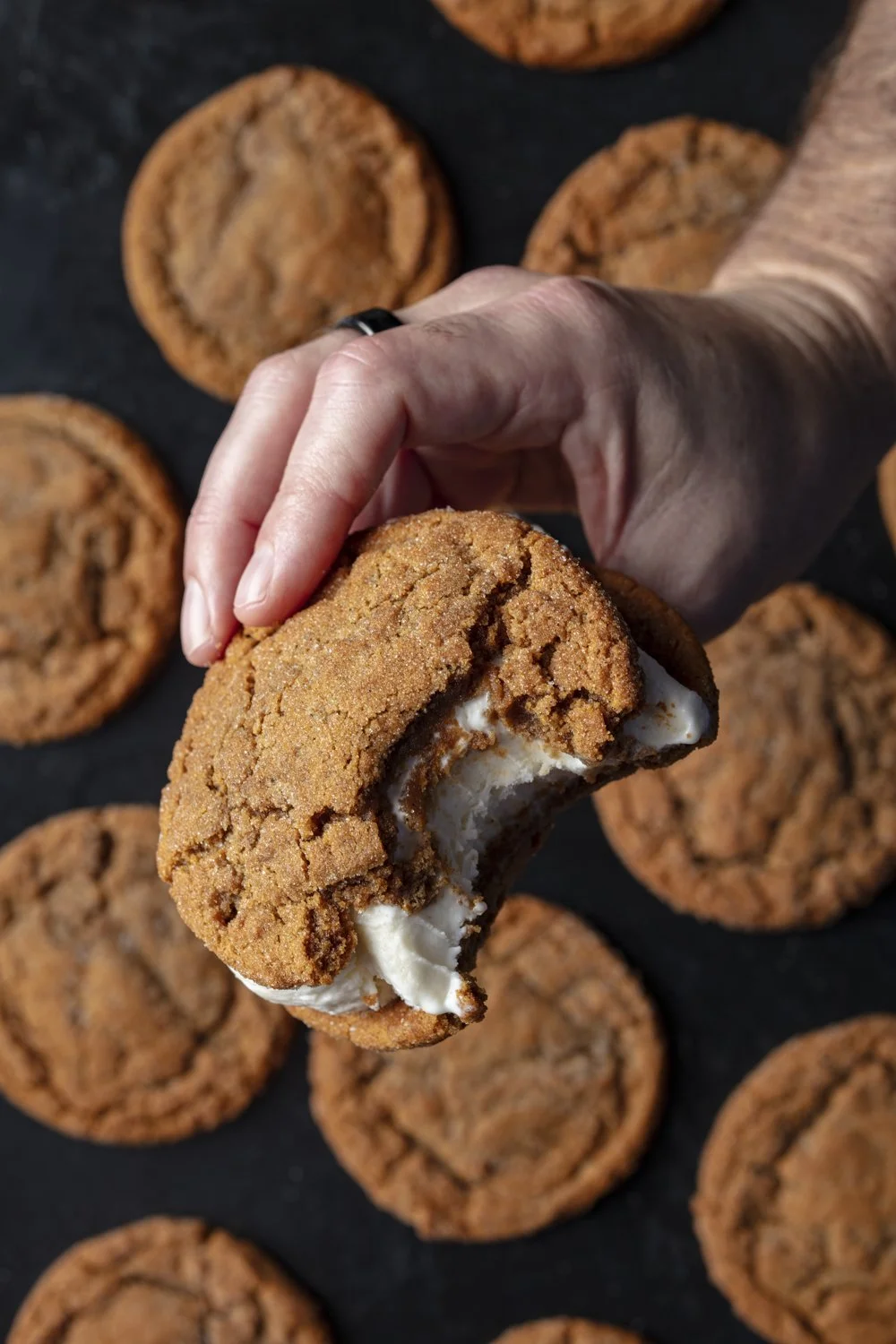
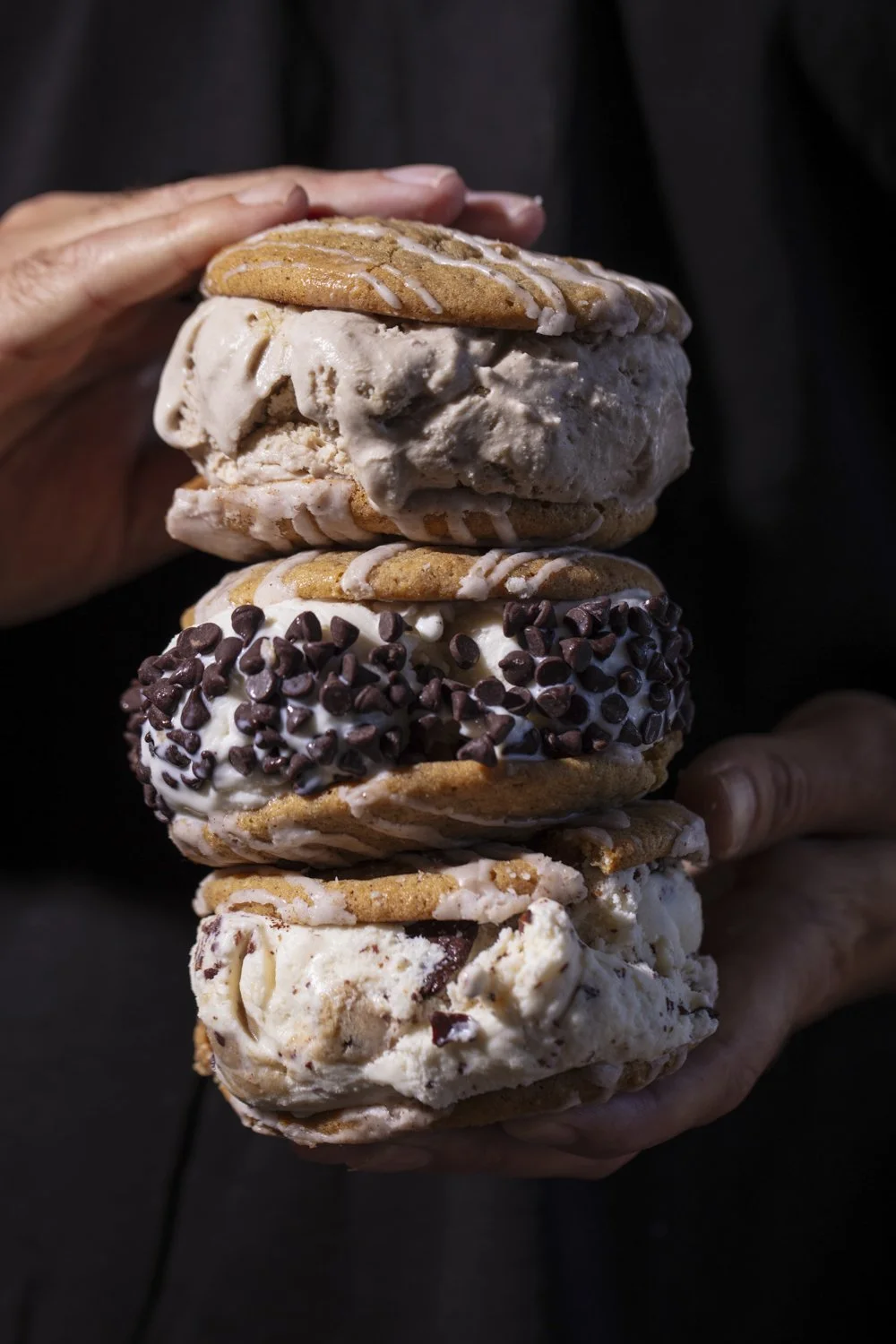
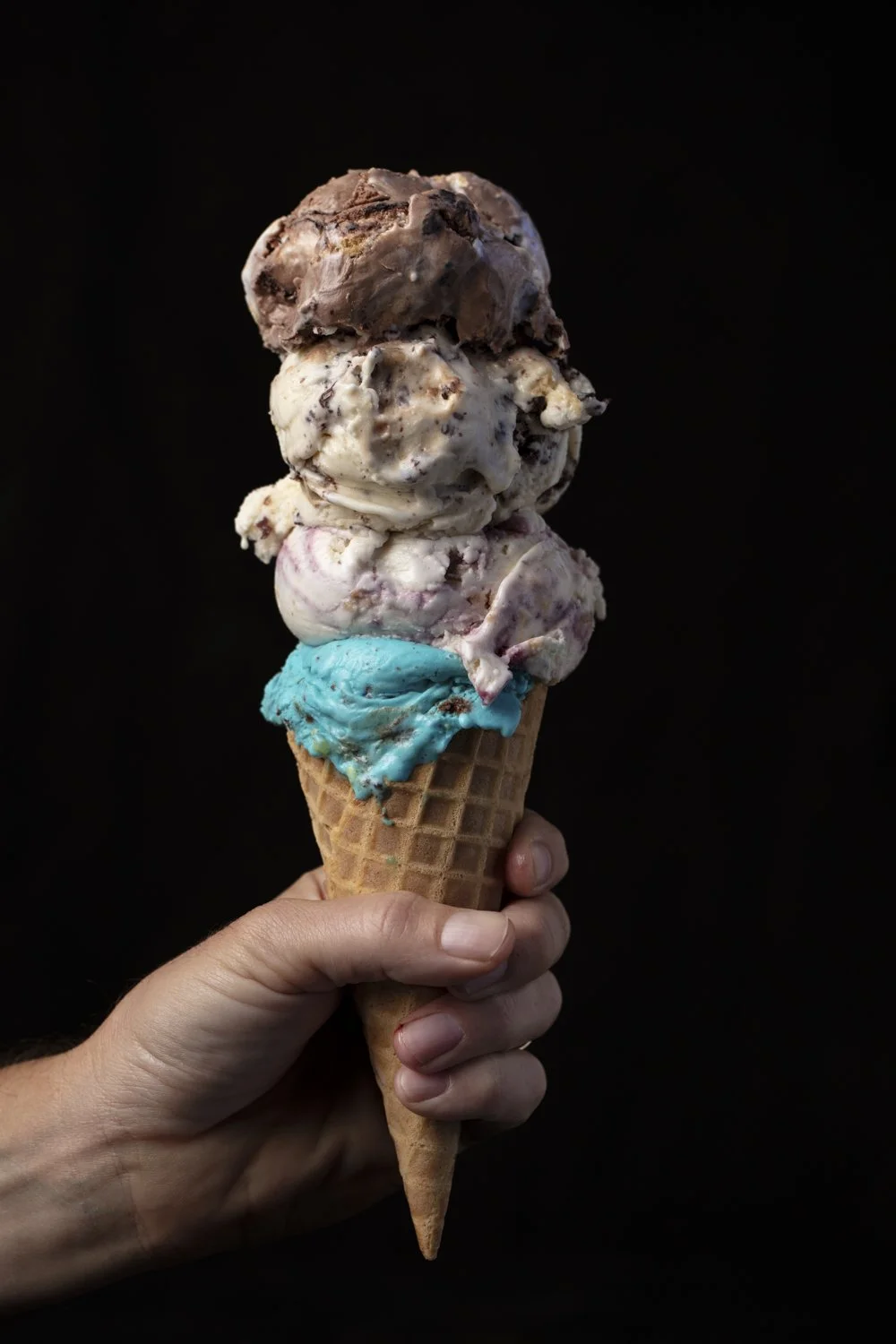
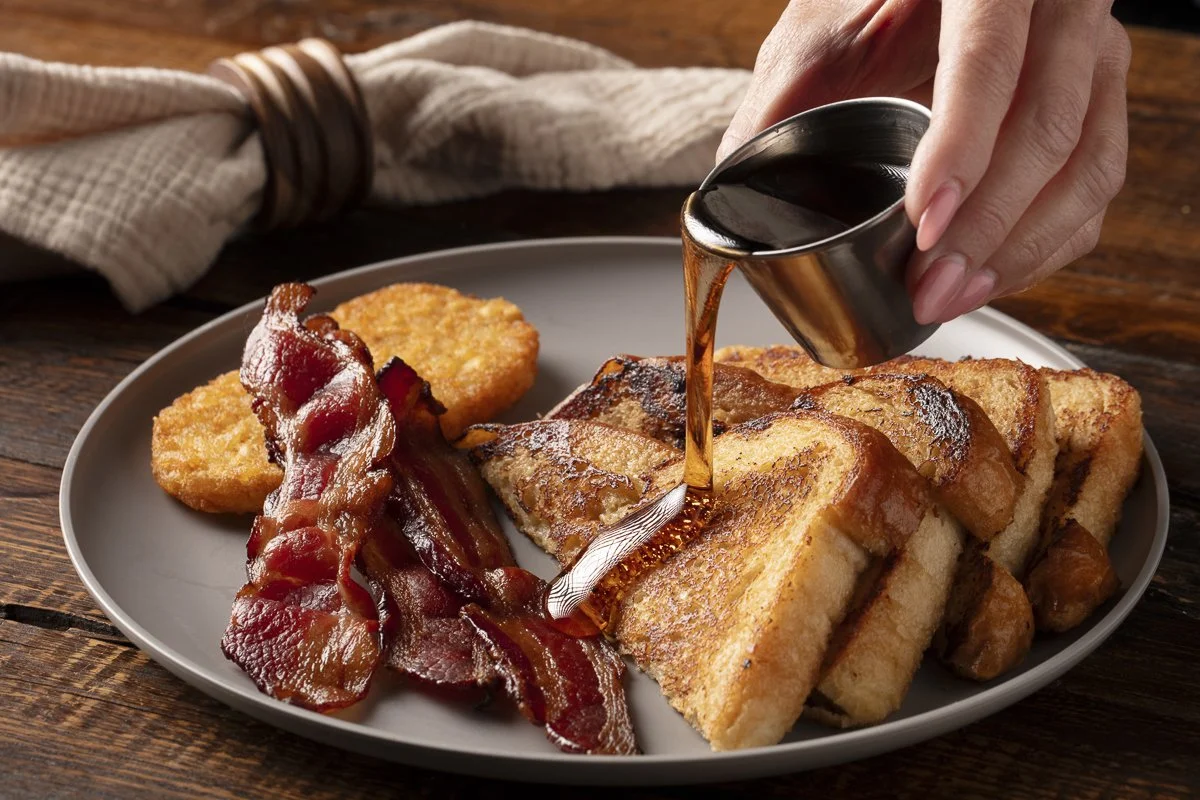
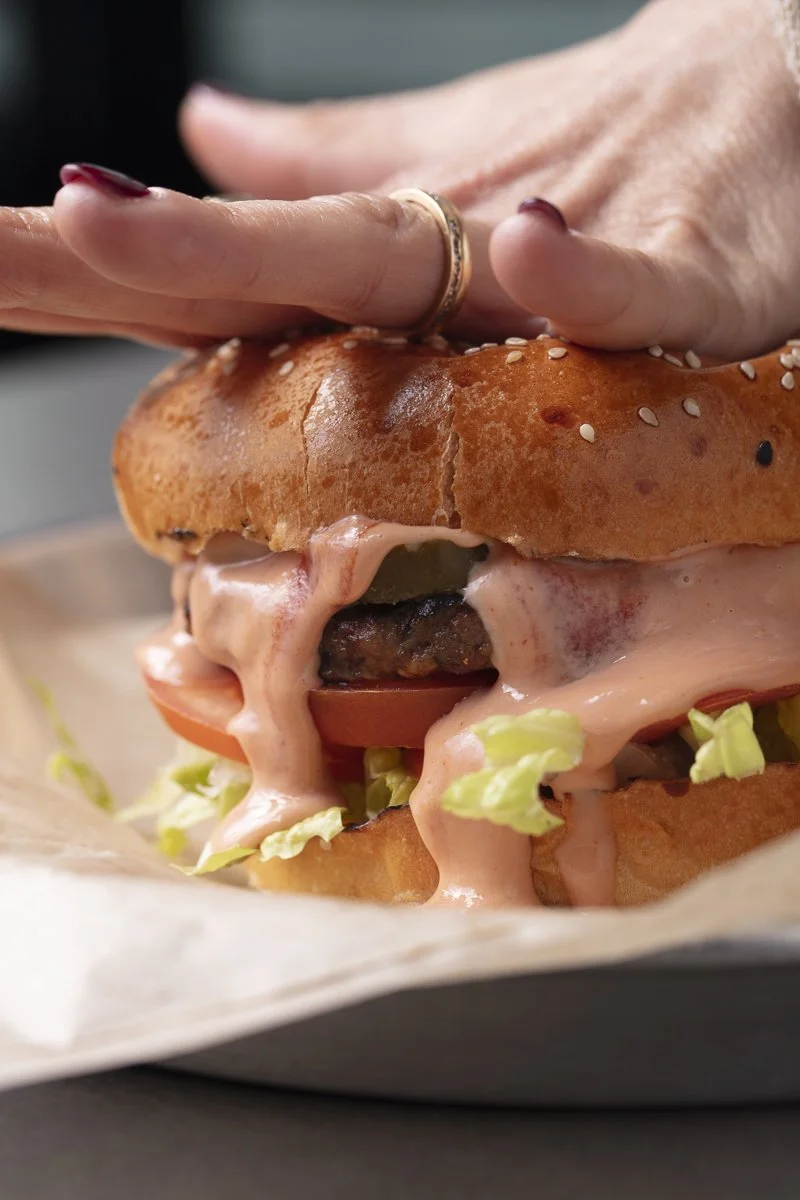
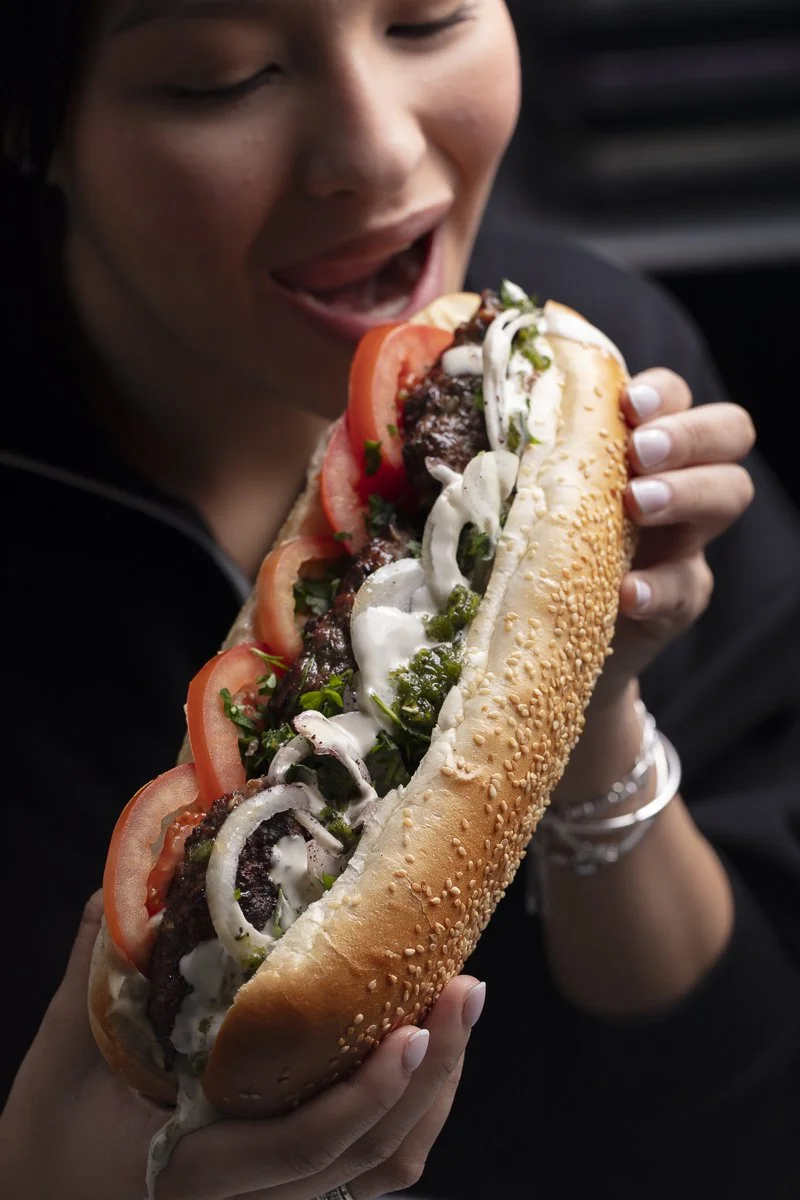
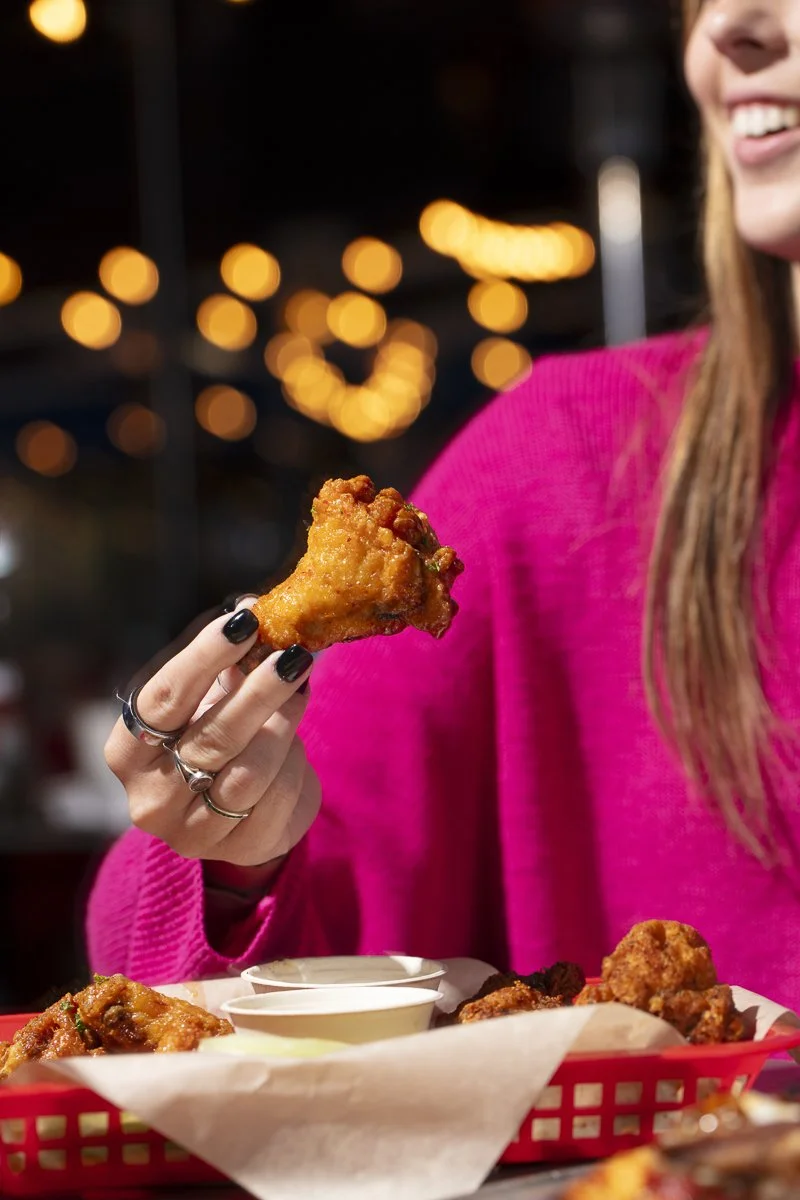
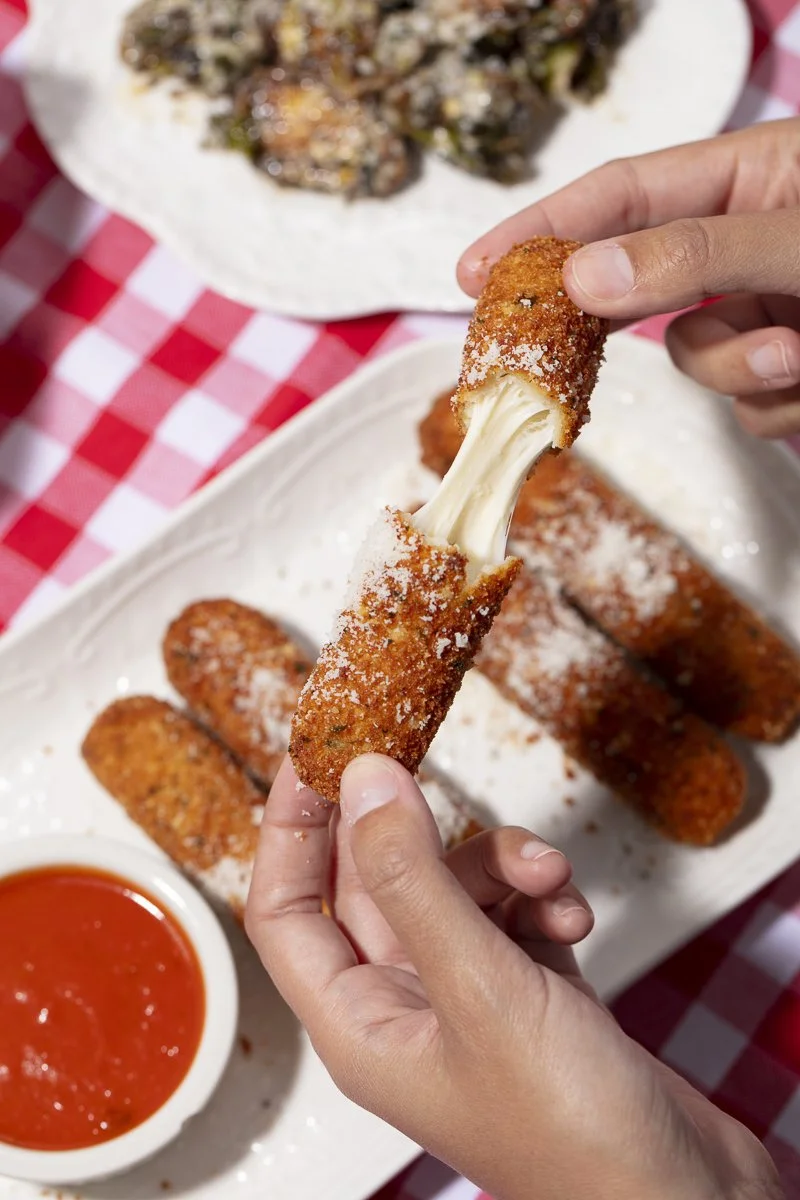
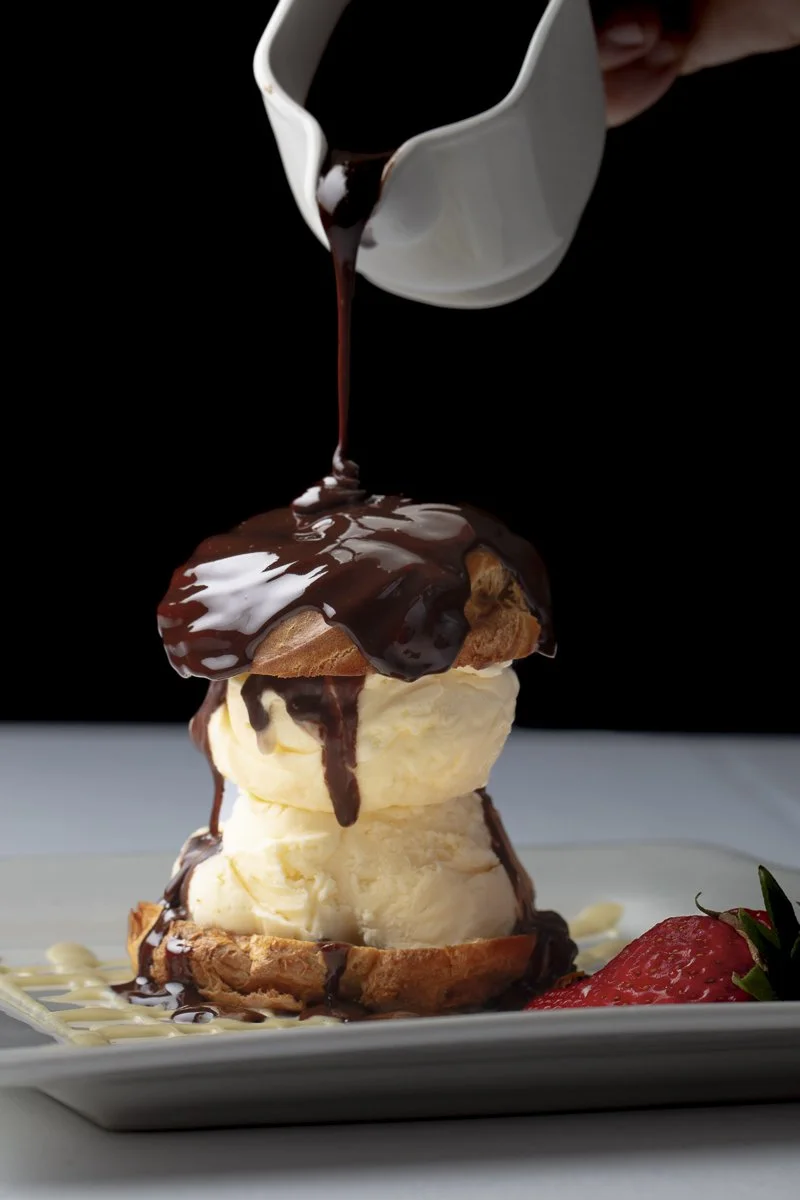
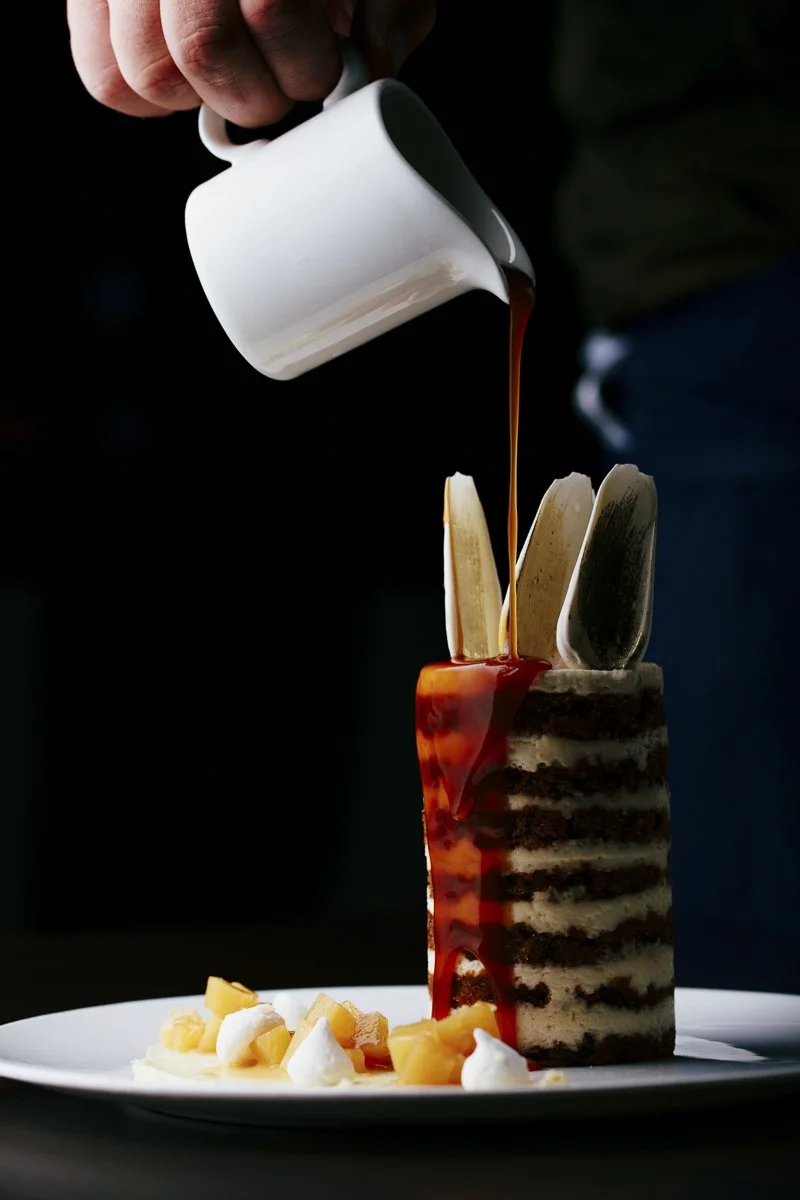
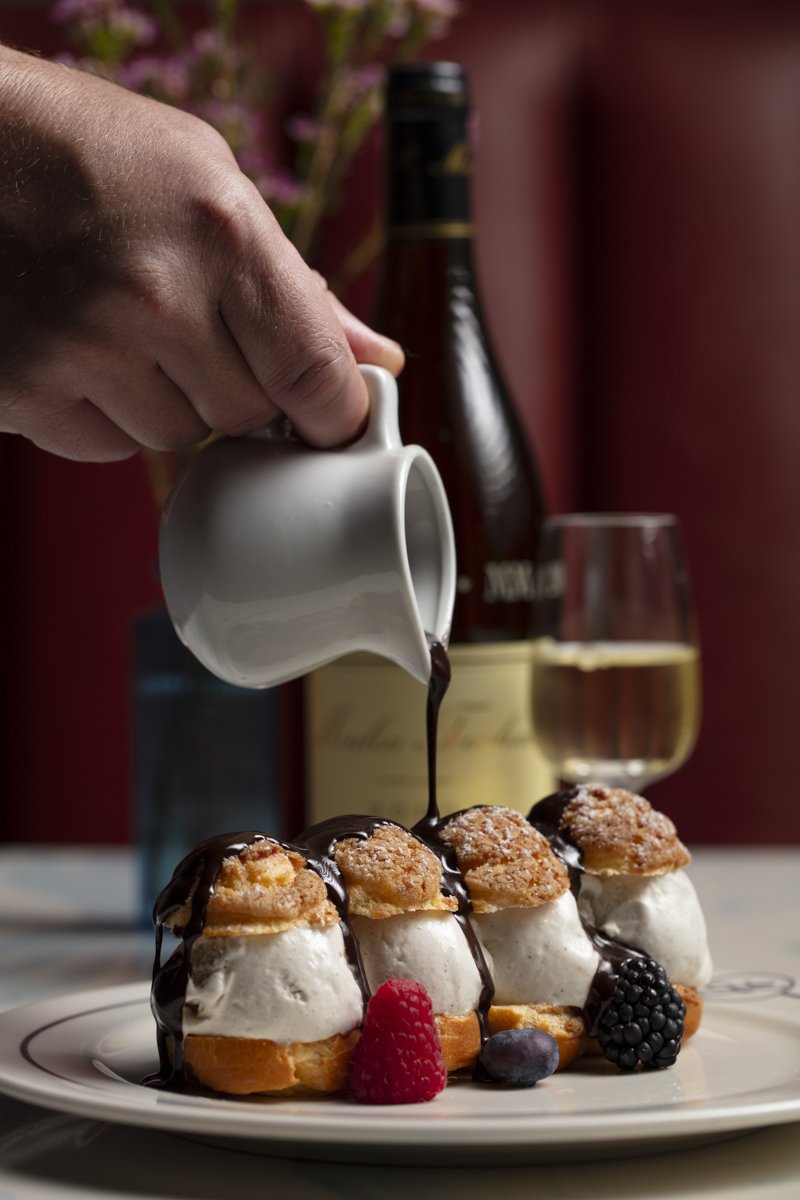
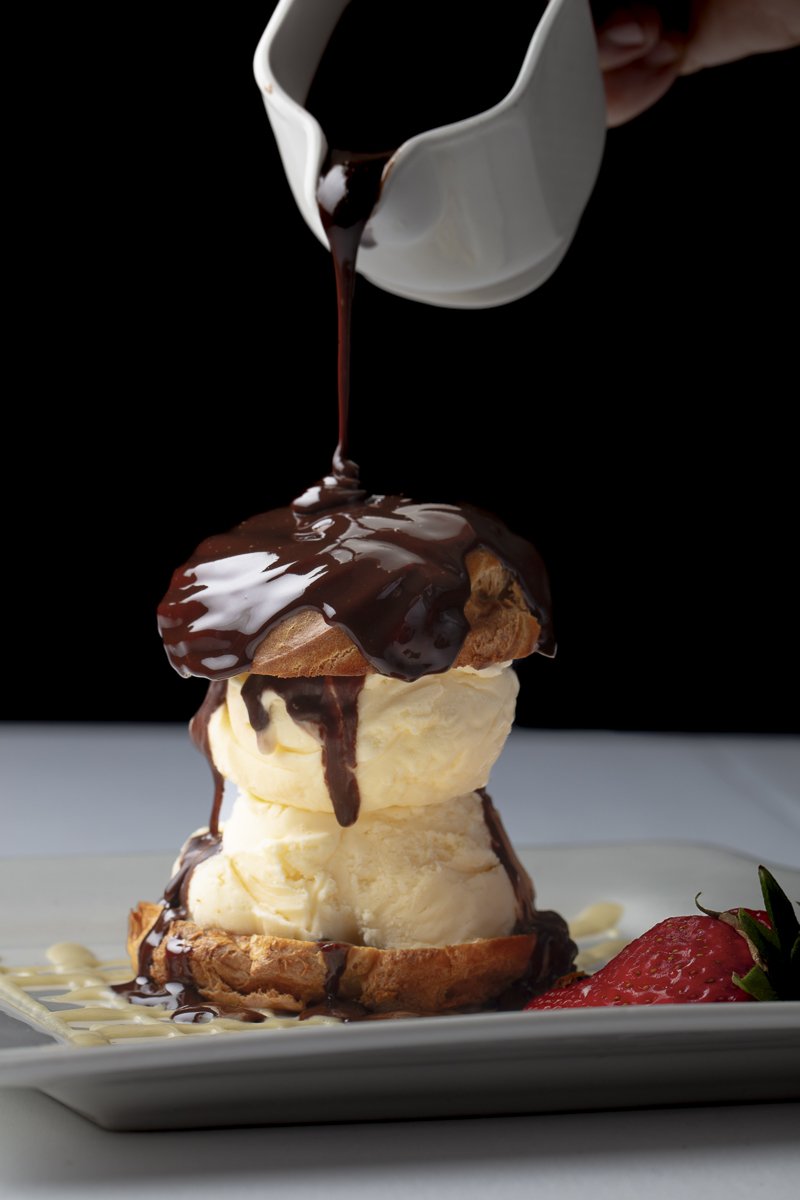
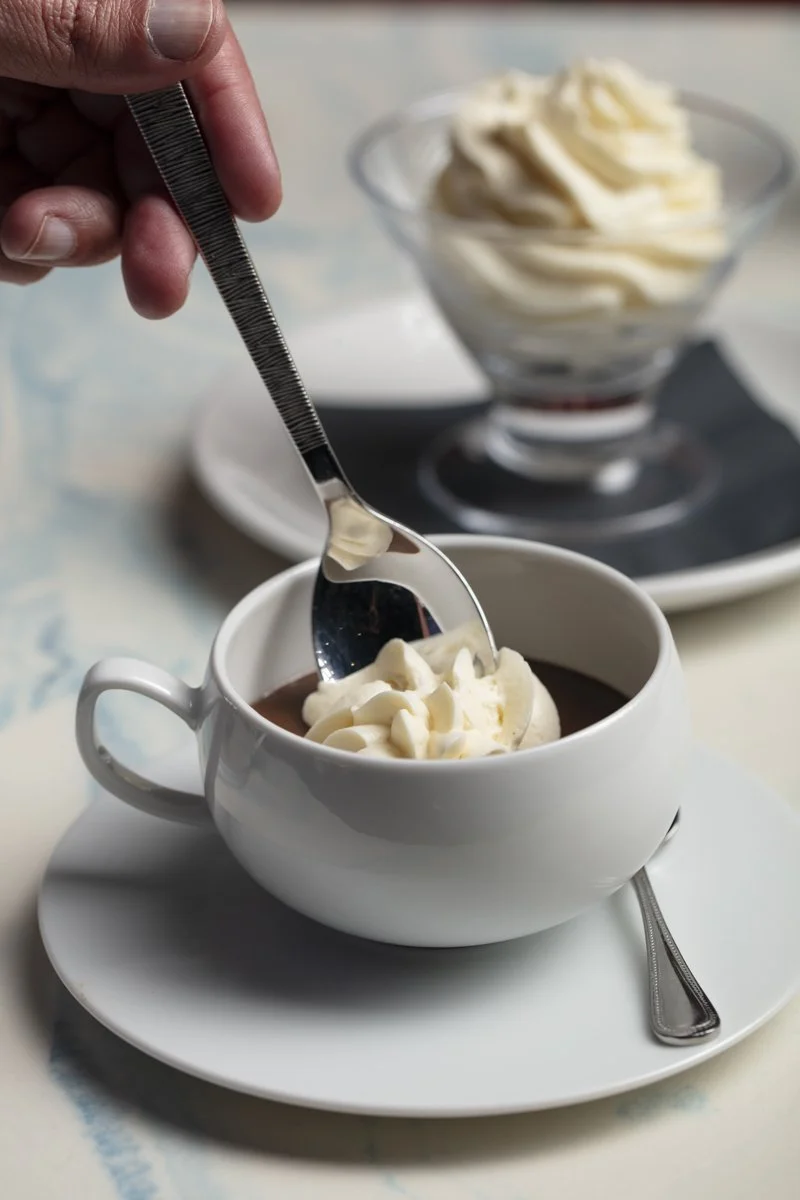
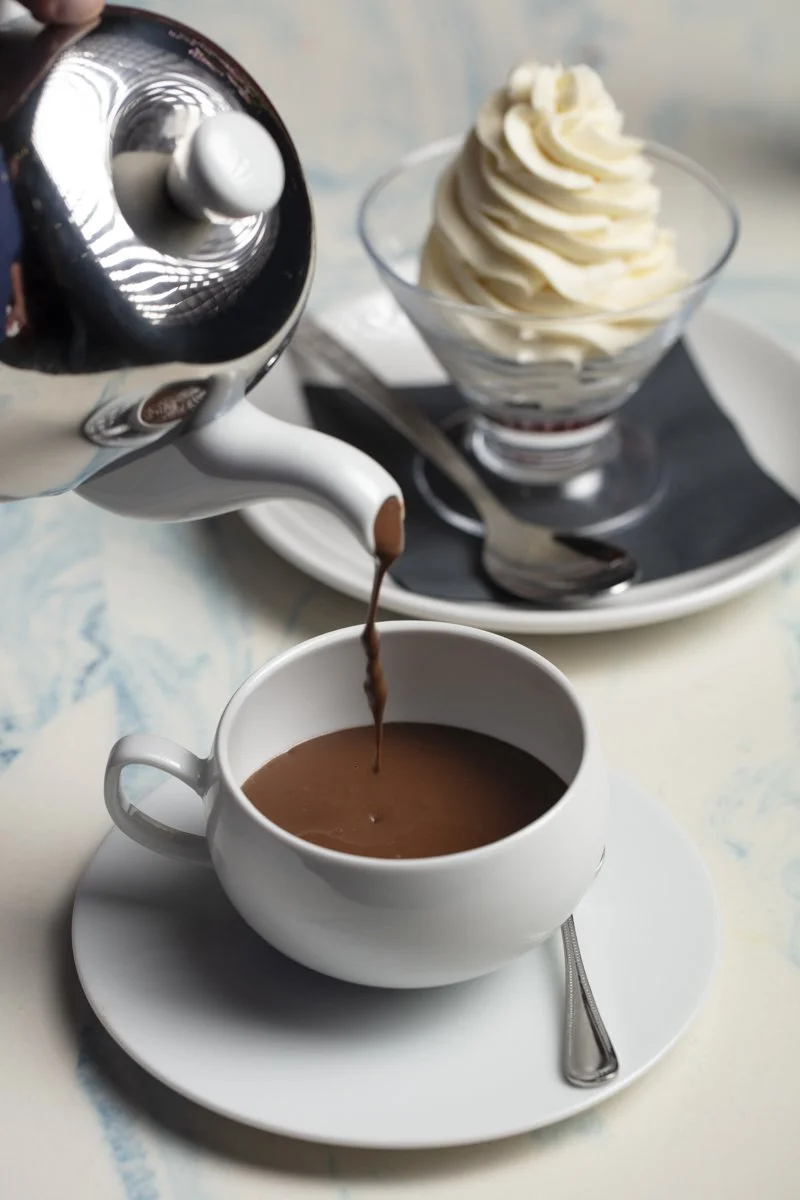
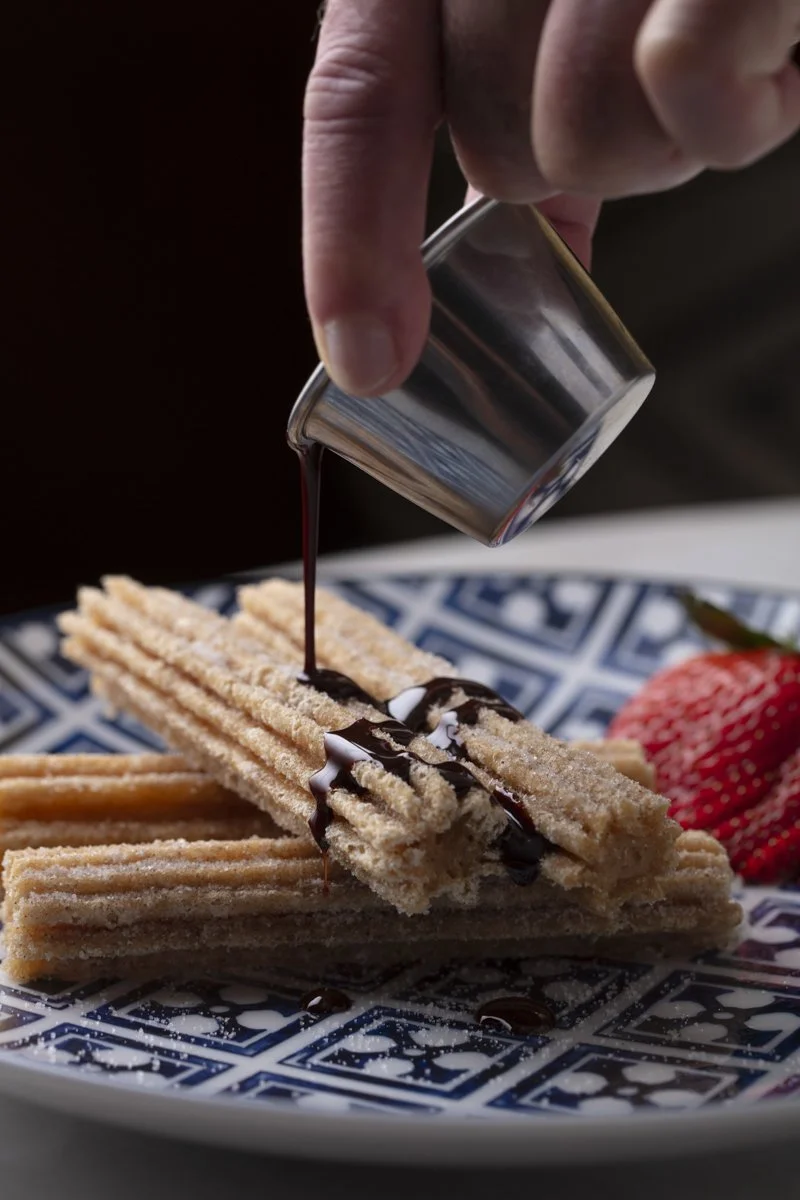
Lifestyle food photography puts the dish in a real moment instead of isolating it on a clean background. There's a table, a room, light coming from somewhere, and usually people — hands reaching in, a chef working, a glass being raised, a dining room that's actually full.
Traditional food photography answers the question "what does this dish look like?" Lifestyle photography answers a different one: "what would it feel like to be there?" Both matter. A menu needs the first. A social feed, a website homepage, and a brand campaign generally need the second.
What are the benefits of lifestyle food photography?
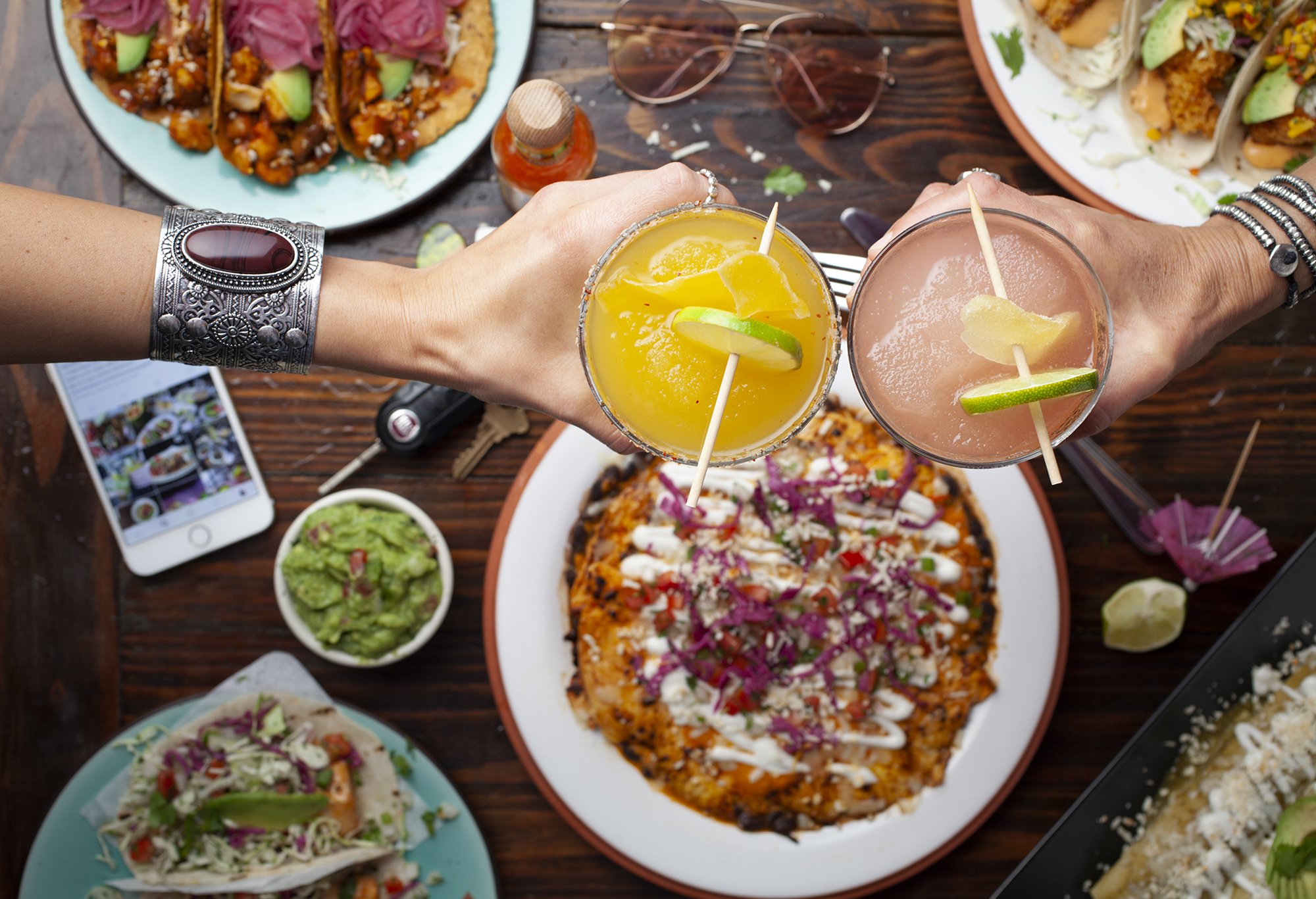
The clearest benefit is that people respond to other people. A plate photographed alone is information — it shows the dish accurately, and that's exactly what a menu needs. A plate photographed with hands reaching for it, steam rising, and a room around it is something closer to an invitation. Seeing someone else in the middle of an experience makes it easier to picture yourself there. A glass being raised between friends reads as an evening out, not a beverage. A fork breaking into a crust reads as the moment before a first bite.
The second benefit is that lifestyle images carry the room. A dish photographed on white tells a customer nothing about whether the space is loud or quiet, casual or dressed up, right for a date night or right for a Tuesday with kids. Lifestyle photography answers all of that without a single word of copy, which matters when someone is choosing between four restaurants on their phone in under a minute. For a restaurant whose atmosphere is part of what it sells — a patio, a bar, a room with real character — this is often the difference between a listing that gets scrolled past and one that gets a reservation.
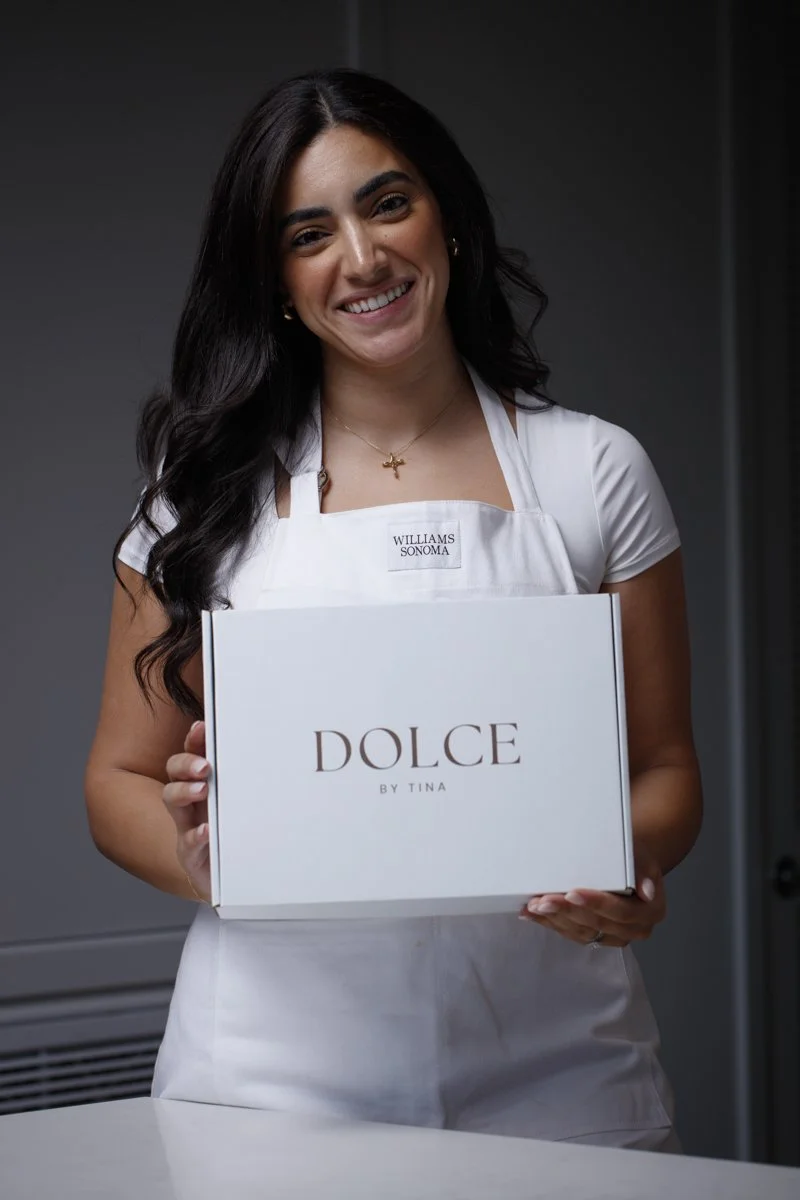
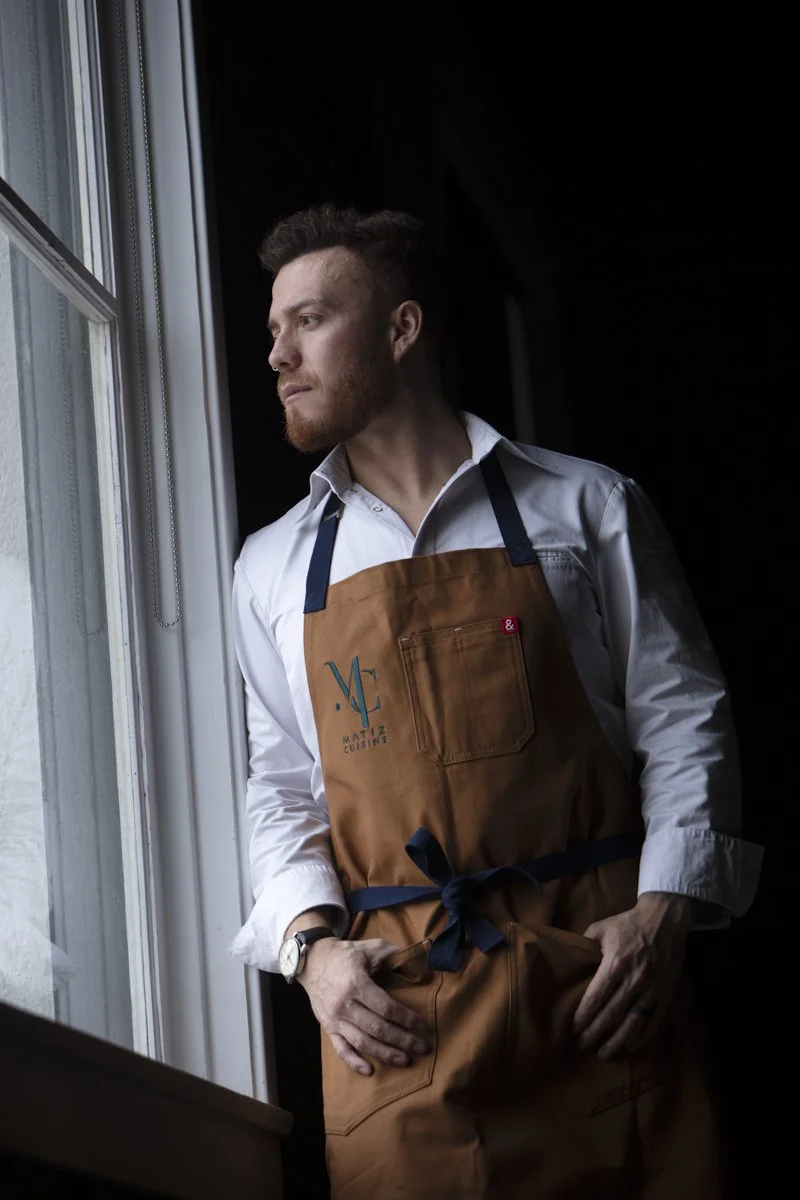
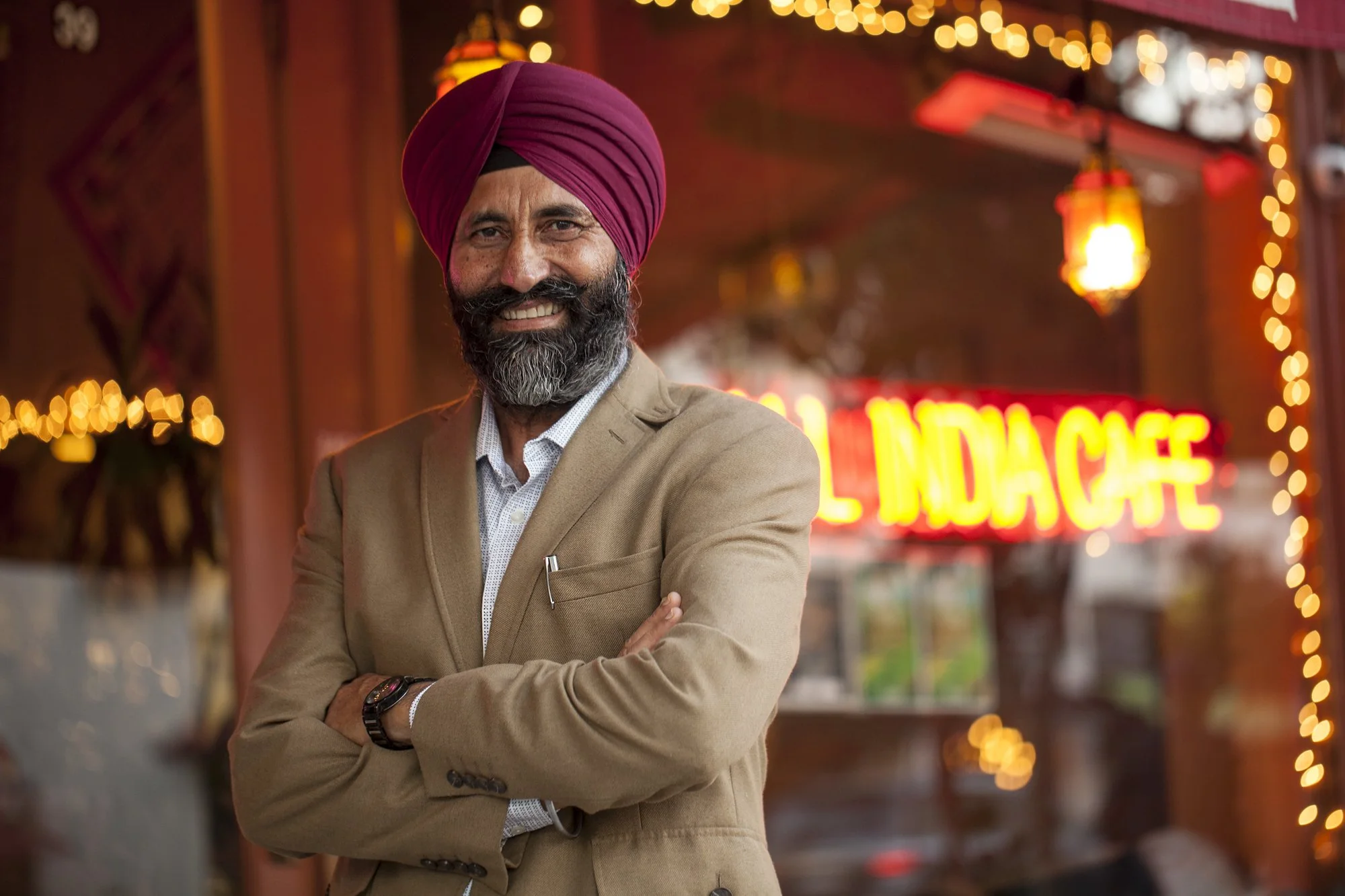
There's also the people. Customers consistently say they want to know who makes their food, and almost no restaurant shows them. Images of the chef at the pass, the team working, the family that owns the place — these build something that a photograph of a plate cannot. They turn a restaurant into somewhere with a story, and that's what turns a first-time customer into a regular.
Finally, lifestyle images are simply more usable. They work as website headers and full-width banners because there's room in the frame. They work as social posts because they stop a scroll. They work in print, in press coverage, on delivery app storefronts, and in advertising. A single lifestyle session typically produces content a restaurant uses across more places, and for longer, than a set of plated shots alone.
Where can I find a food photographer and video maker for my restaurant?
When looking for a highly talented food photographer and videographer, start by reviewing their website, portfolio, and social media channels. These platforms can give you a strong sense of their visual style, technical ability, and overall consistency.
It’s important to understand that many food photographers do not also shoot video, and even when they do, the quality of their video work may not match the quality of their photography.
Food video production requires a very different set of skills. While professional food and product photography often relies on strobe lighting, video typically uses continuous LED lighting. Capturing smooth, beautiful camera movement also requires specialized equipment such as motion control systems, sliders, gimbals, Steadicams, and other support tools.
In many cases, the cameras used for video are also different from those used for still photography.
Video cameras need to capture high-quality 4K footage and often need to handle slow-motion, also known as high-speed capture. Lighting requirements are different as well, since video generally requires more light than photography.
As a result, a video shoot may require more lighting equipment than a still shoot.
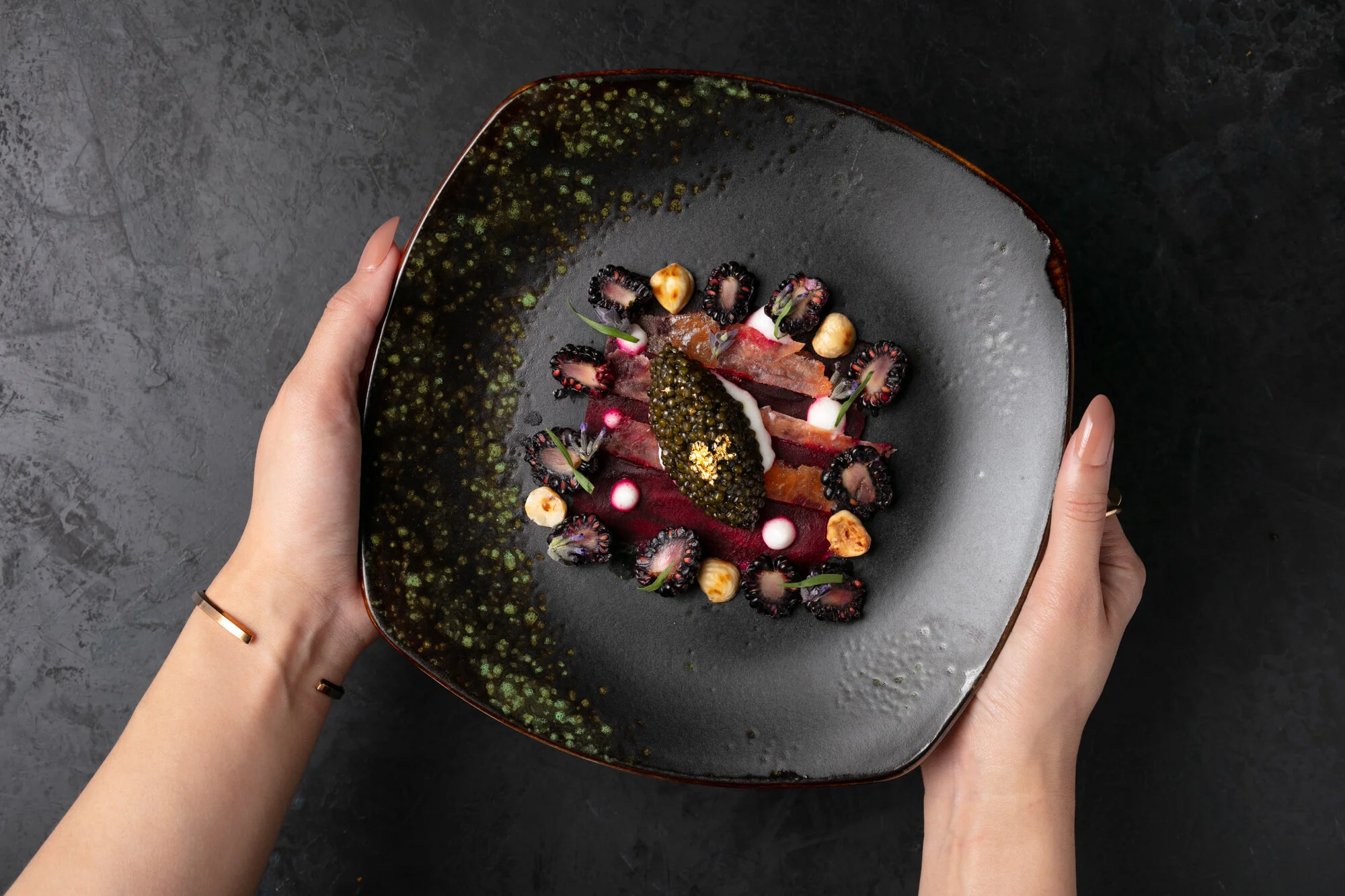
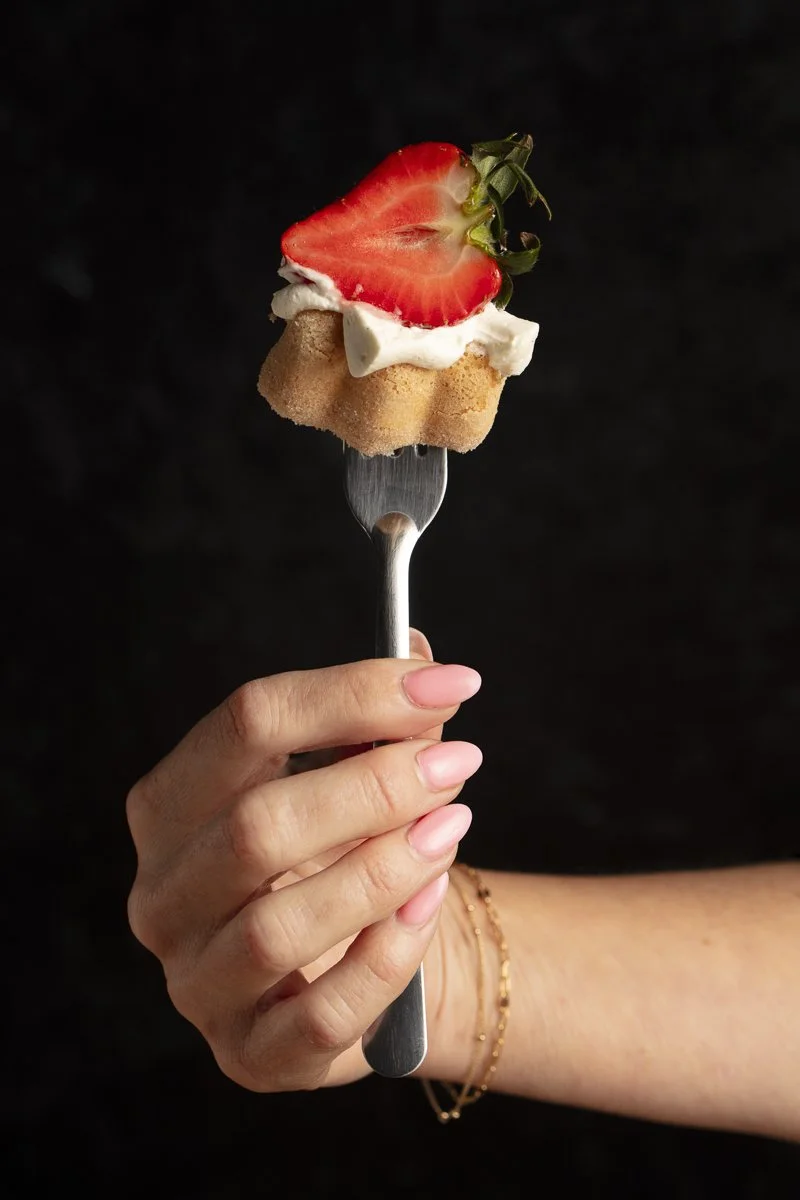
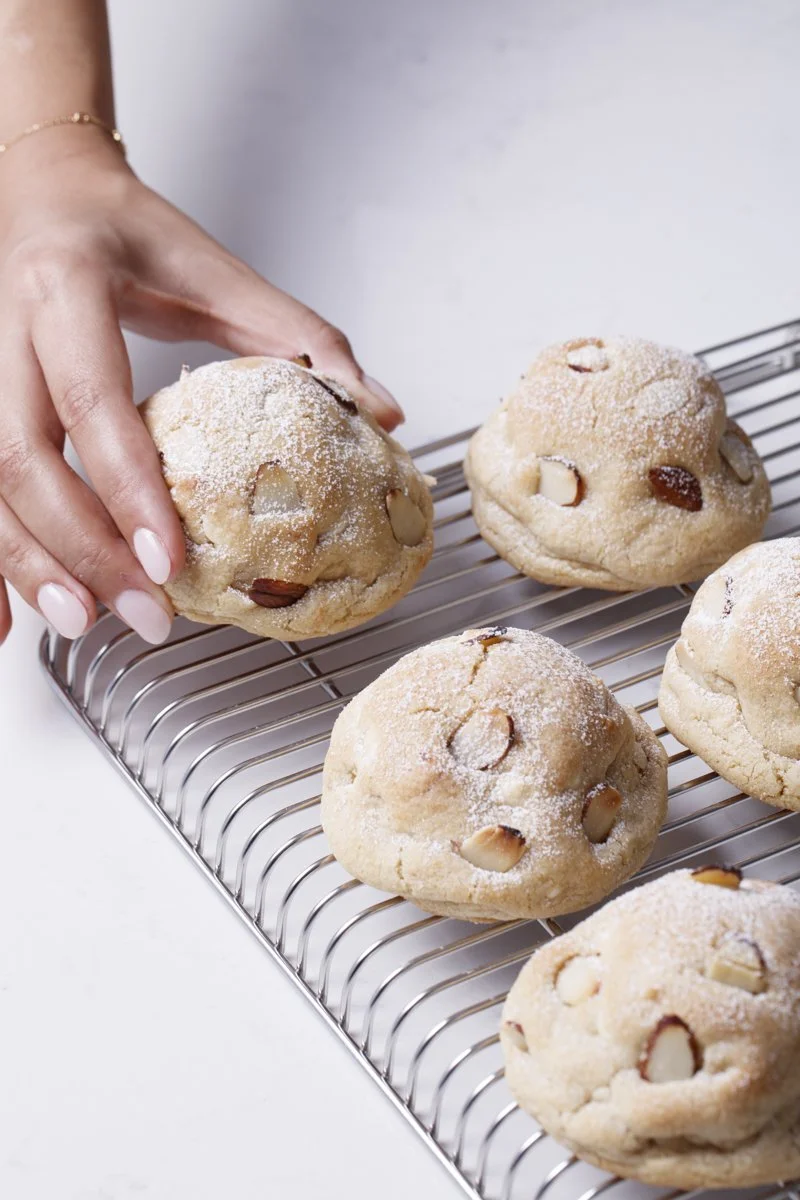
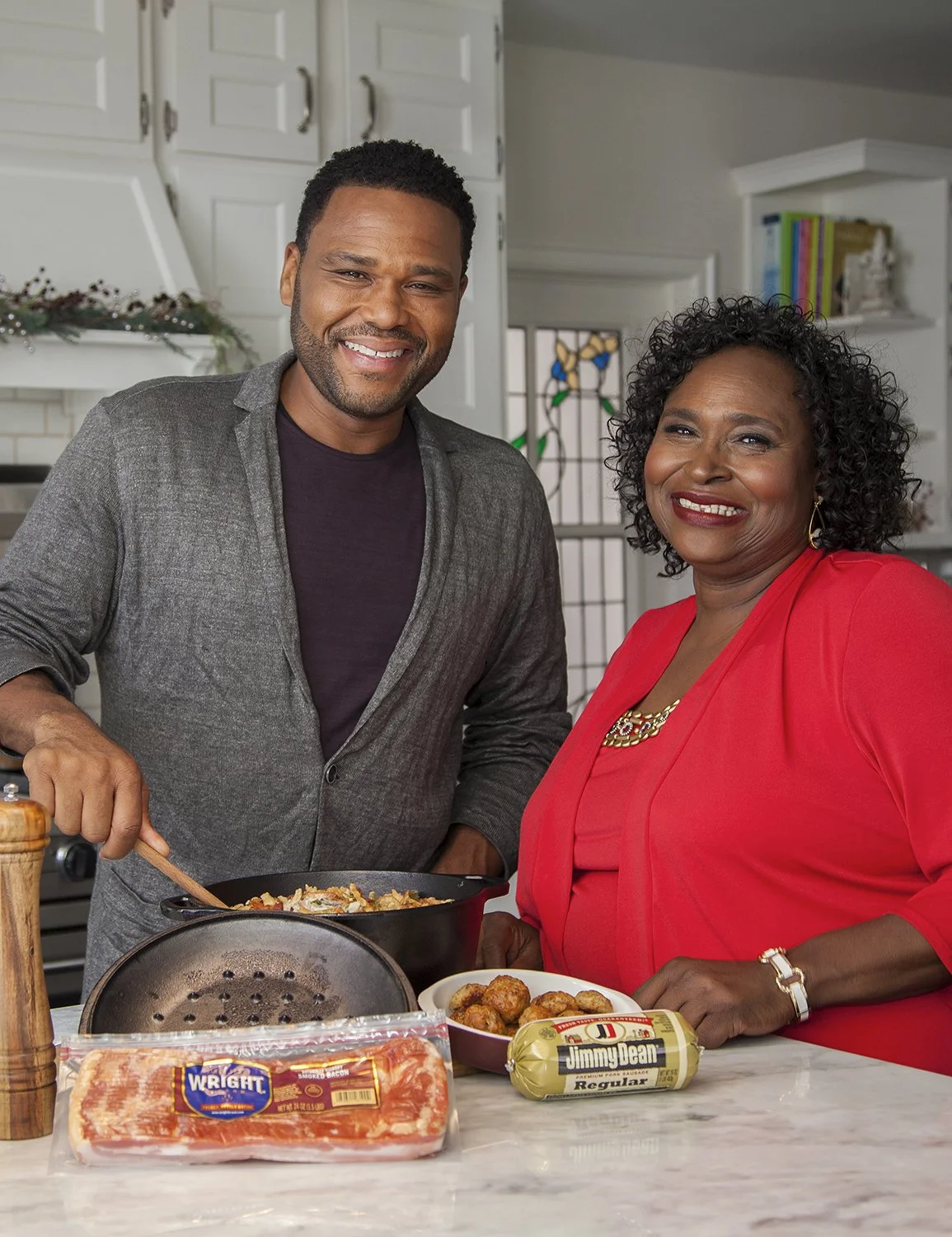
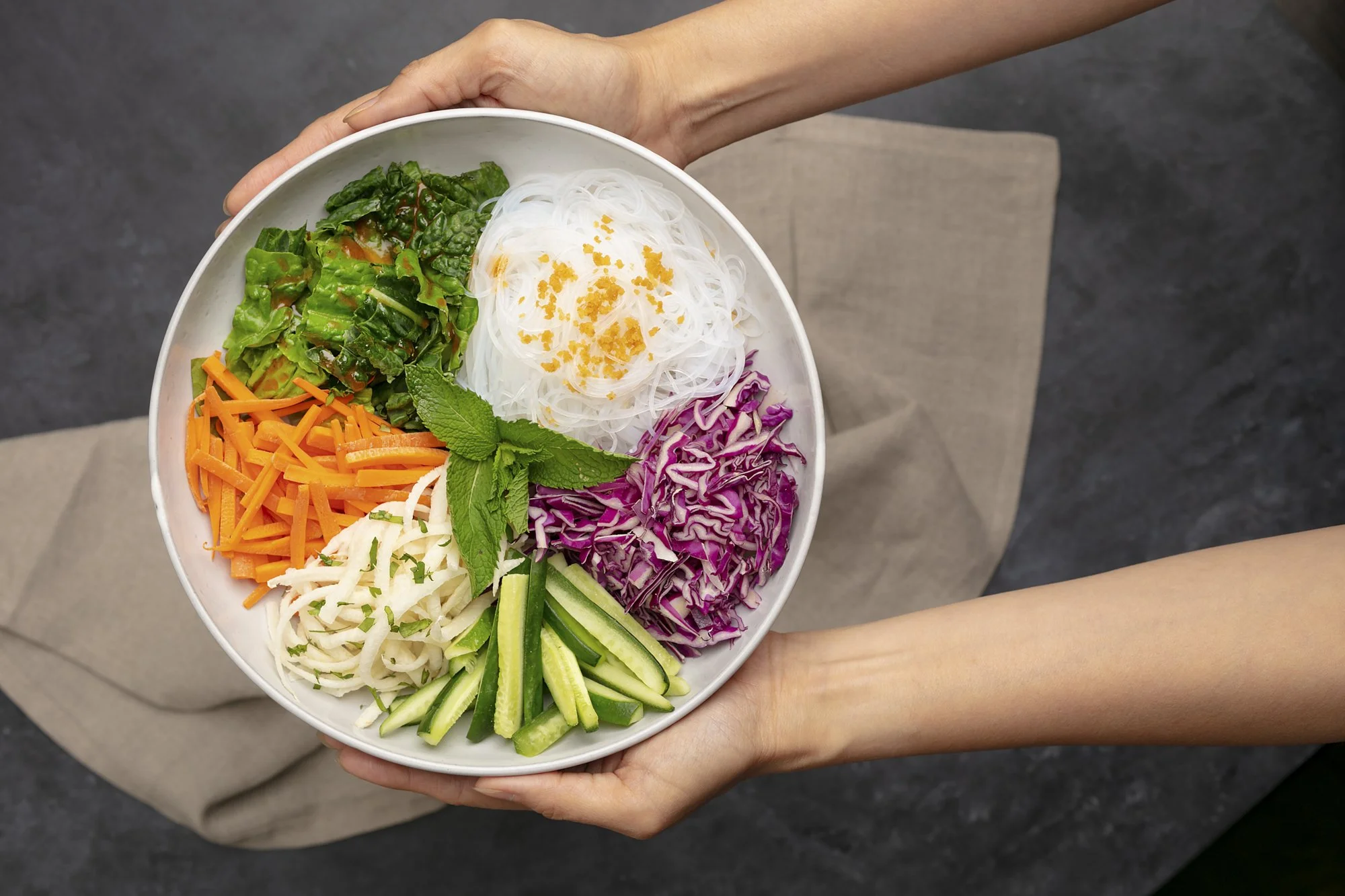
Lifestyle, food, and product photography can be very different from more technical studio product photography. Lifestyle photography brings people into the story, using carefully crafted artistic shots such as hands holding food, reaching for items, or twirling a fork into a beautiful plate of spaghetti. It can also include your chef holding plated dishes, a large cut of beef, or a whole fish.
You might also show a group of people gathered around a table enjoying lunch together. Bringing the human element into lifestyle photography makes your images feel more approachable, authentic, and real. It also gives viewers a stronger sense of the environment and energy of your restaurant.
It’s very important to find a photographer whose portfolio includes strong lifestyle work. Some photographers are much stronger at lifestyle imagery than they are at traditional plating shots or product-focused images, while others excel at styled food or menu photography but have less experience directing people and capturing natural human interaction. You can choose a photographer who specializes in lifestyle imagery, but in many cases, the best choice is someone who can successfully create both styles, since you will likely need both for a well-rounded image library.
It’s a great idea to balance your photography with lifestyle shots, which can also include overheads and flat lays of several dishes arranged on a table, hands reaching in, and other natural interactions. These images work well alongside your menu shots, which are usually tighter, close-up photographs of individual items.
In the back of the house, you can also capture chefs cooking and preparing food, flames rising from the stove, chopping action, or other moments that reveal the rhythm and excitement of the kitchen. You can even extend that feeling into the dining room by showing guests enjoying their overall experience.